
Pest Control Wood Green
A finding beside a delivery needs a record before the packaging disappears. Separate incoming stock checks from evidence inside the premises so the next step is based on facts.
Record delivery and storage locations separately
Keep affected stock identifiable
Give one staff member the reporting task
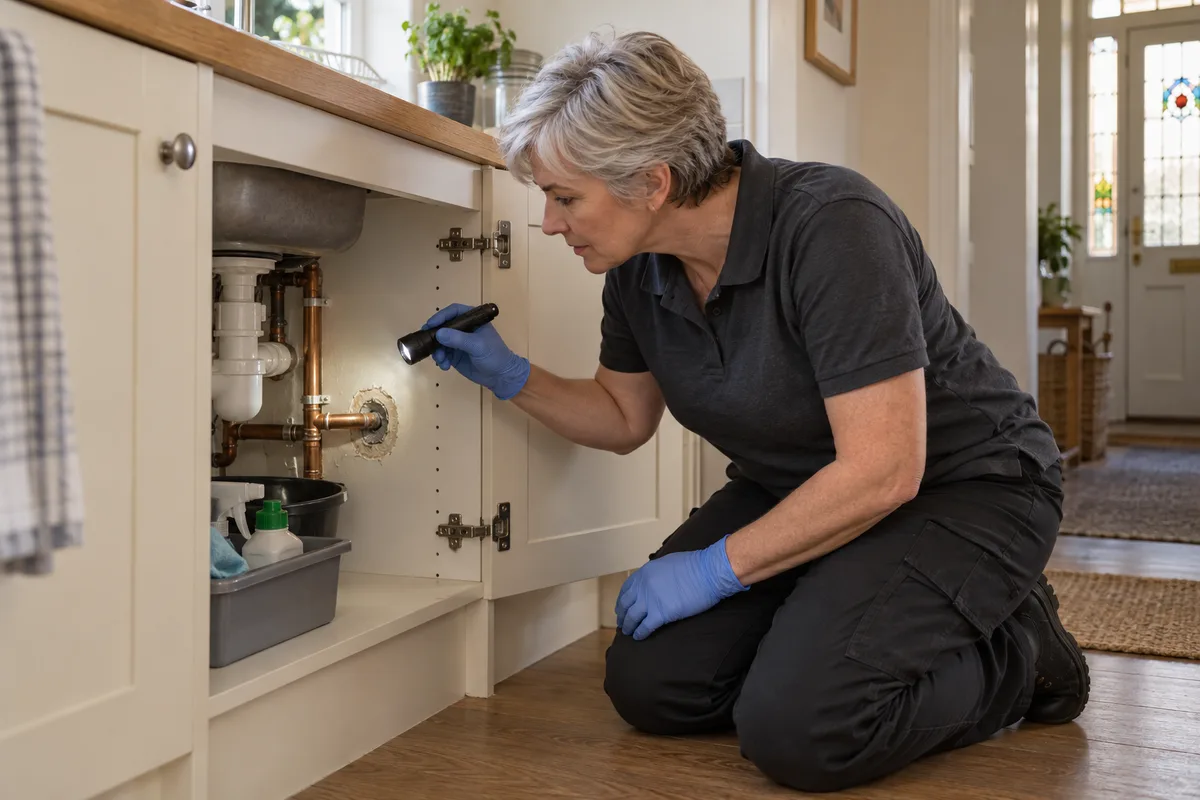
Receiving stock is an inspection opportunity
Ask staff to report damaged packaging or a visible insect before cartons are mixed with existing stock. Record the delivery date, item and place where it was opened. This does not prove that the supplier introduced a pest; it preserves a useful sequence for assessment. Take a contextual photograph if safe and keep the affected material separate while obtaining advice. Do not simply return suspect packaging to the main storage shelf or leave it in an open staff area.
Wood Green is identified as a metropolitan centre in Haringey’s planning material. For a particular shop, that local commercial context makes delivery and storage arrangements worth explaining, but it cannot establish the cause of an individual pest finding. The provider needs the actual shop entrance, store location and access restrictions. Give the full address and describe which parts are under your control before discussing an appointment.
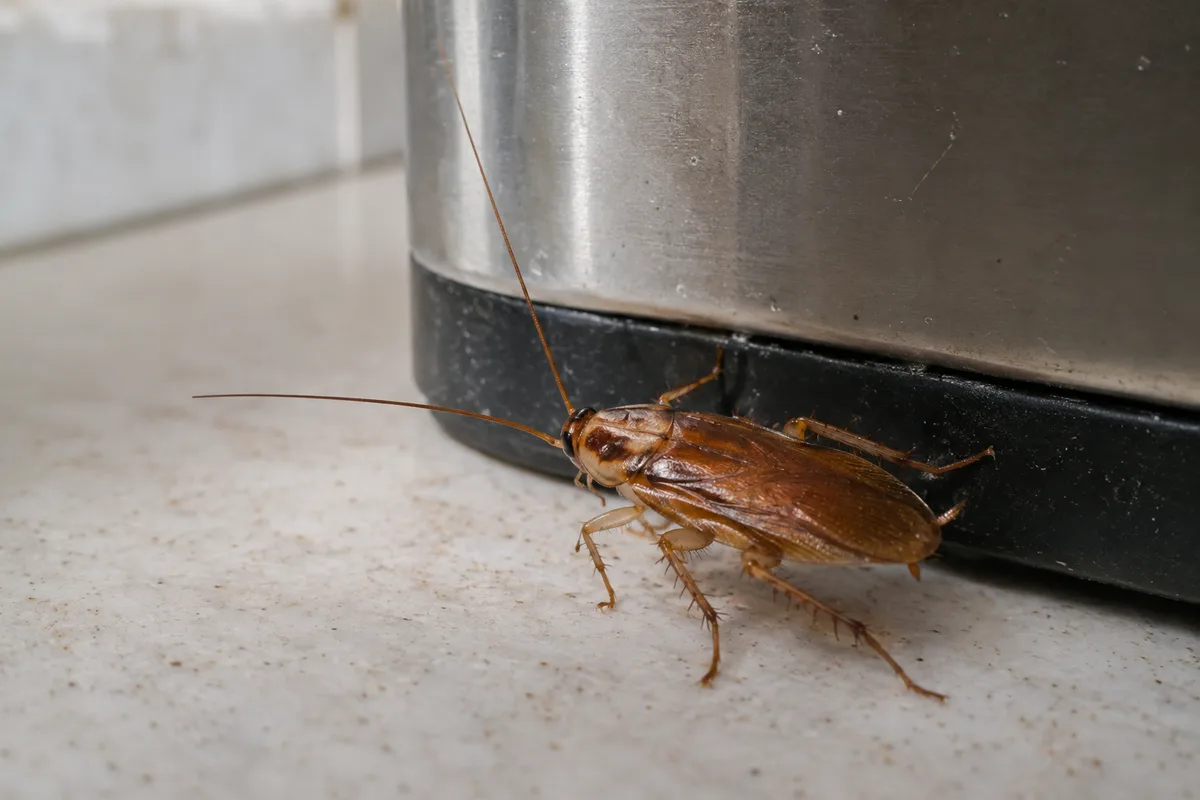
Separate a delivery concern from premises evidence
The receiving area may show one finding while another appears behind established shelving. Label each observation with its location and date. A stockroom noise, insect and gnawed package are different types of evidence, so do not combine them into a confident species name. Our cockroach assessment guide is relevant where insect identification is the concern. For suspected rodents, the mouse inspection advice explains useful observations around supplies and accessible routes.
Keep details of any product staff have applied, including where and when. A casual spray during a late shift may otherwise be missing from the manager’s account. The inspection should assess current evidence rather than rely on a staff rumour that the shop has had the same problem for years. If older findings exist, explain how they were recorded and whether a previous programme was completed.

Make the stockroom reachable
Identify which aisles or shelf edges need clearance and ask how much preparation the visit requires. Heavy stacks and unstable cartons should not be moved hurriedly to create an inspection lane. Arrange someone with authority to handle stock and someone who can unlock stores or rear doors. If equipment must be disconnected or relocated, clarify whether a separate maintenance contractor is needed. A pest appointment does not automatically include those tasks.
Staff should know why an area is being kept clear, without being encouraged to touch unidentified material. Provide a simple route for observations to reach the manager: date, place, photograph and factual description. One person can maintain the record while different staff contribute findings. That is more reliable than a succession of unlabelled pictures on a group chat, particularly when deliveries and shift changes happen at different times.
A delivery record should preserve the batch context
Where relevant, keep the supplier, delivery date and item reference with the observation so the business can trace the finding accurately. Do not publish a causal allegation based on one damaged carton. The receiving check may inform an enquiry while the inspection still considers evidence already present in the store.
Ask staff to distinguish a damaged outer box from affected contents and avoid opening suspect packaging over clean stock. If items are held aside, label their status clearly so another shift does not return them to sale or normal use. Obtain handling or disposal advice appropriate to the goods. Keep the observation location and any later decision in the same record. A short, consistent receiving process supports the pest assessment and business follow-up without requiring every delivery to become a lengthy investigation or a reason to discard unaffected supplies.

Ask for a programme the business can follow
A quote should state the inspection scope, treatment if justified and any planned review. Ask which stores, staff areas or neighbouring connections remain outside the visit. Explain opening-hour restrictions and equipment that must stay in operation. Preparation and aftercare need to be communicated before work, including what happens to stock and which cleaning is permitted for the chosen method. Do not infer that the whole shop must close or can operate unchanged from a general service label.
Our information for commercial pest enquiries can help organise the conversation. Ask what report is supplied and how findings should be logged between visits. If someone else will manage the next shift, give them the instructions directly. A provider can only review useful observations if the staff routine preserves the locations and dates rather than recording every event simply as another pest sighting.
Keep prevention connected to daily operations
Check accessible food and stock storage regularly, deal with spillages and keep containers closed correctly. Review waste handling if the inspection identifies a relevant issue, but do not use tidiness as a substitute for a needed repair. Our guide to proofing entry points explains why damaged doors and service openings need a precise assessment. Identify who controls any communal rear passage before commissioning work there.
Save delivery checks, visit dates and repair records together. If fresh evidence appears, the manager can explain whether it was found in newly arrived stock or in the established premises. Call with your Wood Green postcode, business type and observed signs when asking for availability. The appointment should answer a specific operational question: what is present, which areas need attention and how the shop can carry out the agreed preparation and follow-up without losing the evidence trail.
Questions about pest control in Wood Green
Does an insect in a carton prove a supplier caused the problem?
No. Record the finding and delivery details so it can be assessed alongside evidence in the premises.
Should staff spray suspect deliveries?
Seek advice and disclose any products already used; improvising can interfere with identification and treatment.
Who should keep the observation log?
Nominate one contact while allowing staff to submit dated, located findings.
Must all shelving be emptied?
Ask which access is required and arrange safe stock movement rather than clearing everything without a plan.
Does a shop inspection include the flat above?
Only if its access and inspection scope have been separately agreed.