
Heat treatment in London: know what your rooms need
Heat treatment can be an option within a bed bug control plan, but the choice needs an assessment of the property and affected areas. Pest Xterminators helps arrange heat treatment enquiries in London. This guide explains what to ask about preparation, equipment, monitoring and follow-up before you agree to an appointment.
Start with an assessment of the infestation ↓
What professional heat treatment involves ↓
Preparation is part of the treatment ↓
Planning access and time away from the rooms ↓
Start with an assessment of the infestation
Before choosing heat, establish whether the evidence points to bed bugs and which rooms require attention. Bites alone do not confirm the cause. Tell the inspector about suspected insects, marks around sleeping areas and activity in adjoining rooms. The building layout, access and contents also matter when considering treatment.
Ask why heat is recommended for your situation and what alternatives may be appropriate. A method should not be selected because it sounds faster in an advertisement. If the identification is uncertain, use the bed bug treatment page to prepare useful observations and discuss inspection first. Knowing the affected areas helps define a realistic scope of work and avoids treating unrelated rooms without a reason.
What professional heat treatment involves
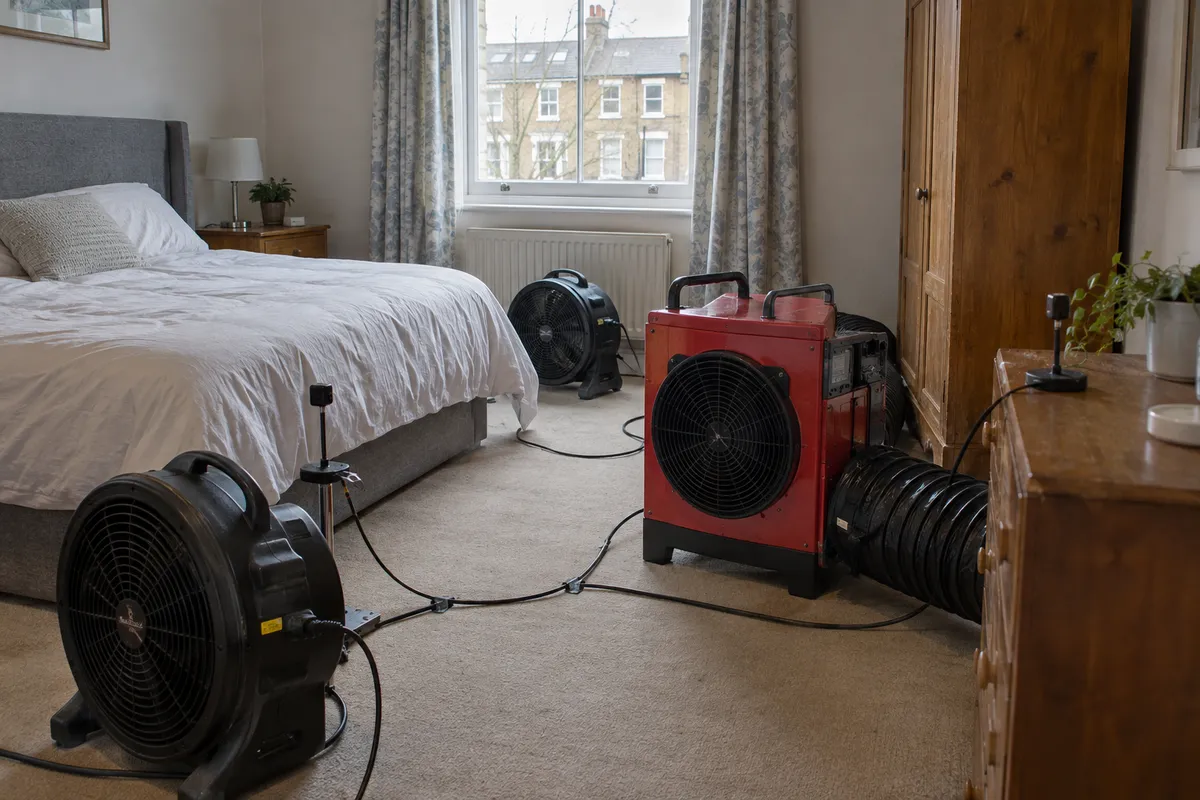
Professional treatment uses equipment and monitoring to manage heat within the agreed areas. It is different from running domestic heaters or increasing the thermostat. The provider needs to consider the room, furnishings and places where insects may be sheltered, rather than relying on a temperature reading in one convenient spot. Ask how the process is monitored, who supervises it and what happens if an area cannot be treated as planned.
Do not try to reproduce the process with improvised equipment. No single temperature or duration quoted online explains every property. Your treatment instructions should describe the arrangement suitable for the rooms being treated and make clear when occupants can return.
Preparation is part of the treatment
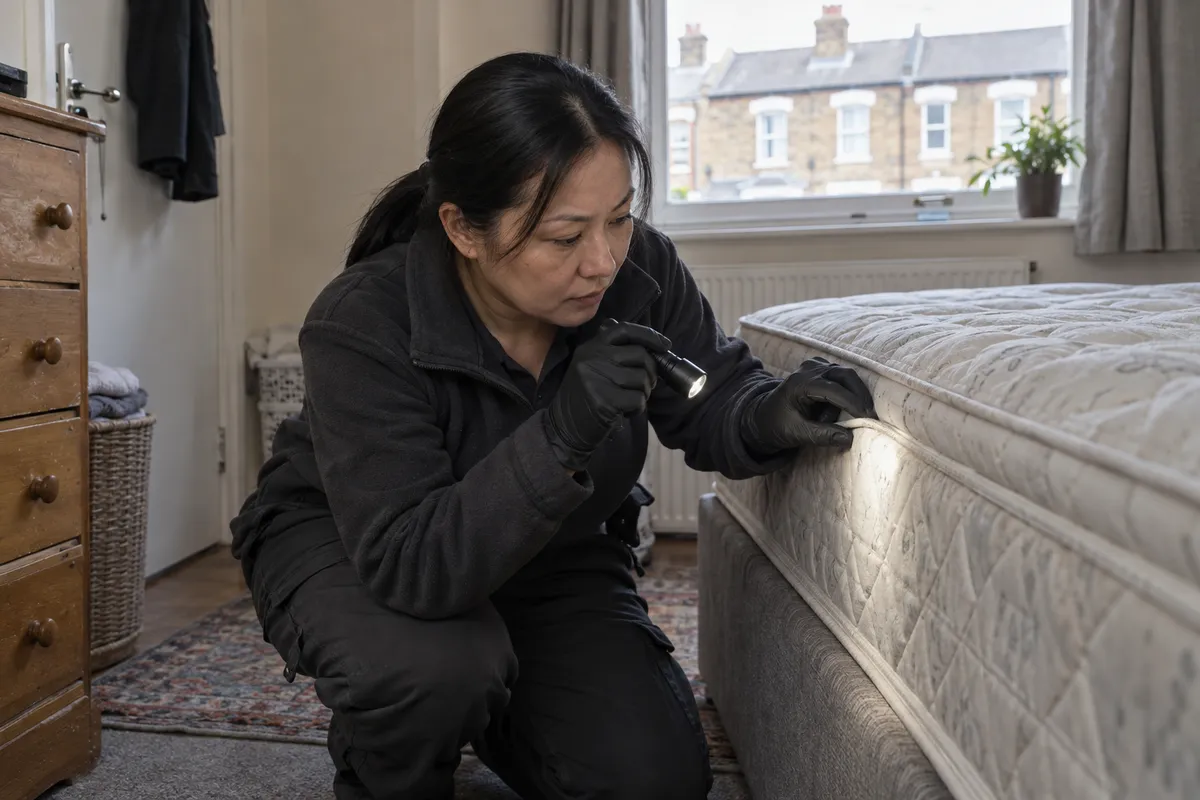
Request a preparation checklist before booking, and read it while there is still time to ask questions. Heat-sensitive belongings and the way items are stored can affect the plan. Explain any delicate materials, electronics, medicines or other items you are concerned about instead of removing them indiscriminately to another room. The provider should tell you what needs special handling and how it should be managed without overlooking possible pest activity.
Discuss cupboards, storage spaces and furniture that cannot easily be accessed. If you cannot follow a preparation instruction, say so before the appointment. The right response is to resolve the practical issue, not to assume the same result is possible with part of the agreed work unavailable.
The South Kensington guide to sensitive bedroom contents explains practical preparation questions. In a home with several occupants, the Ealing room-planning guide helps organise access without merging separate concerns.
Planning access and time away from the rooms
Ask about arrival arrangements, equipment access, power requirements and the period during which the treated space must remain unoccupied. These details may differ between providers and buildings. In a rented property, clarify who can authorise work and whether a landlord or managing agent needs to be involved. Guest accommodation may need a plan for room availability and adjoining spaces.
Explain any mobility, access or scheduling constraints during the enquiry. Children, pets and other occupants should be included in that conversation so the provider can explain the relevant precautions. Do not plan a return to the room using a duration from another website; obtain the instructions applying to your actual treatment.

Compare the complete scope, not a headline claim
A heat treatment quote should identify the areas included, preparation requirements and what monitoring or follow-up is part of the price. Ask whether additional methods may be used and why. If a guarantee is offered, request its written conditions, including preparation responsibilities, exclusions and the process for reporting activity. Do not assume one visit is a universal answer or that treatment prevents a future introduction of bed bugs.
Keep the written scope, appointment instructions and invoice together. Where several rooms or units are involved, check whether the quote addresses the full assessed problem. A clear explanation of limits and responsibilities is more valuable than a broad claim about permanently eliminating every possible risk.
What to do after the appointment
Follow the provider’s instructions for returning to the space and handling belongings. Ask what observations to record, when to report them and whether an inspection or return visit has already been arranged. If you see a suspected insect, note its location and photograph it if practical; avoid judging the result from skin reactions alone.
Discuss steps that may reduce the chance of introducing bed bugs again, particularly when luggage or used furniture is brought into the property. The follow-up plan should distinguish continuing activity from a possible new introduction. If you need an urgent assessment in London, call with your postcode and room details so availability and preparation can be discussed before a visit is agreed.
Questions about heat treatment
Can I prepare using a general online checklist?
Use the instructions supplied for your appointment. Different equipment, methods, contents and access constraints can change the preparation. Ask about anything unclear before moving belongings or making arrangements for occupants.
Is heat treatment always the best method?
No method should be chosen without considering the inspection findings and property. Ask the provider why the proposed approach fits your rooms, and whether other treatment or follow-up is needed.
Will the booking be completed today?
Call to check availability. Assessment, preparation and access may need arranging before treatment can begin, so a same-day enquiry is not the same as a confirmed same-day treatment appointment.