
Pest Control Crouch End
Damaged food packaging deserves attention, but throwing everything away rarely gives you a clear picture. Record the finding, protect unaffected supplies and ask what needs inspection.
Separate damaged and unaffected supplies
Keep a dated record of new signs
Follow the treatment-specific cleaning plan

Plan the enquiry
A useful first look at the kitchen
Which pattern of evidence needs attention?
Contain the problem without hiding the evidence
A small shelf check can be consistent
A useful first look at the kitchen
Check accessible shelves and the outside of food containers without reaching behind equipment. Note which packaging is damaged and where it was kept. A bag stored beside a pipe opening presents a different inspection question from an insect seen on a worktop. Take a contextual photo before moving the item. Do not taste potentially affected food or return damaged packaging to clean storage. Ask for advice on safe disposal and cleaning suited to the finding.
Crouch End’s conservation-area appraisal is a relevant local planning reference if prevention later involves changes to a building. It does not indicate that a particular kitchen has a pest problem. For the first call, your postcode, room observations and storage arrangement matter much more than the age or appearance of the street. Describe the individual property rather than assume all neighbouring kitchens share the same layout.
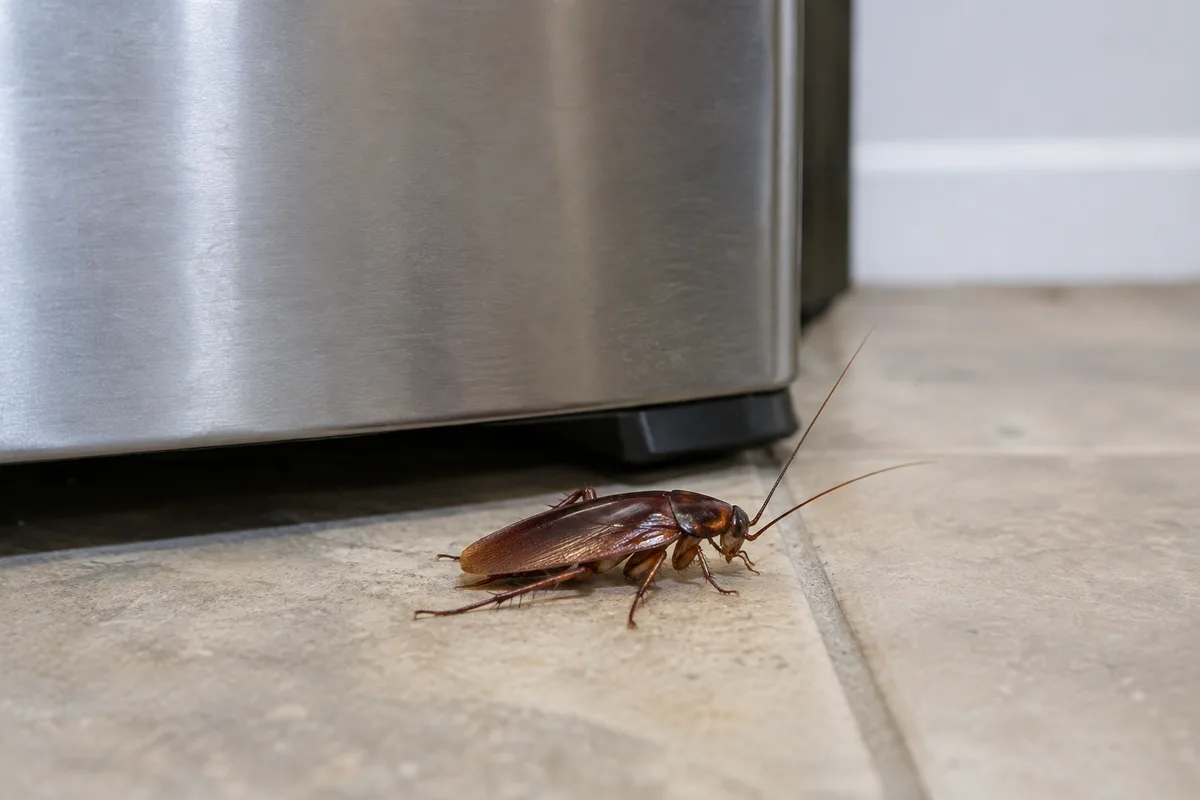
Which pattern of evidence needs attention?
A one-off discovery while clearing a long-unused shelf may be old; repeated new damage is a different concern. Record dates so the provider can distinguish the two. Explain any sighting, droppings or insect separately, including the location and approximate time. Avoid calling all small insects cockroaches or all dark debris mouse droppings. A clear photo may help decide what to inspect, but confirmation can require a closer assessment.
Our advice about mouse signs around food covers the role of accessible entry routes and monitoring. For insects around warm equipment or cupboards, the cockroach inspection guide explains what information is helpful. These are separate enquiries with different possible methods. Tell the provider if you have already used a household spray or bait, including the product and location rather than just saying you tried everything.
Contain the problem without hiding the evidence
Move unaffected food into suitable closed containers and clean accessible spillages according to appropriate advice. Keep a record of the original finding so that cleaning does not remove the only explanation of where signs appeared. You do not need to shift the entire kitchen into another room. Ask whether particular cupboards should be emptied and whether the technician needs access to an appliance edge. Heavy or connected equipment should remain in place unless safe movement is arranged.
In a shared household, make the storage plan clear to everyone. A securely closed container is only helpful if its lid is consistently replaced. Keep pet food in the discussion and note where bowls are used. These routines support treatment; they do not prove that the occupier caused the problem. If a structural opening or a communal waste defect is identified, it needs its own repair or management decision.
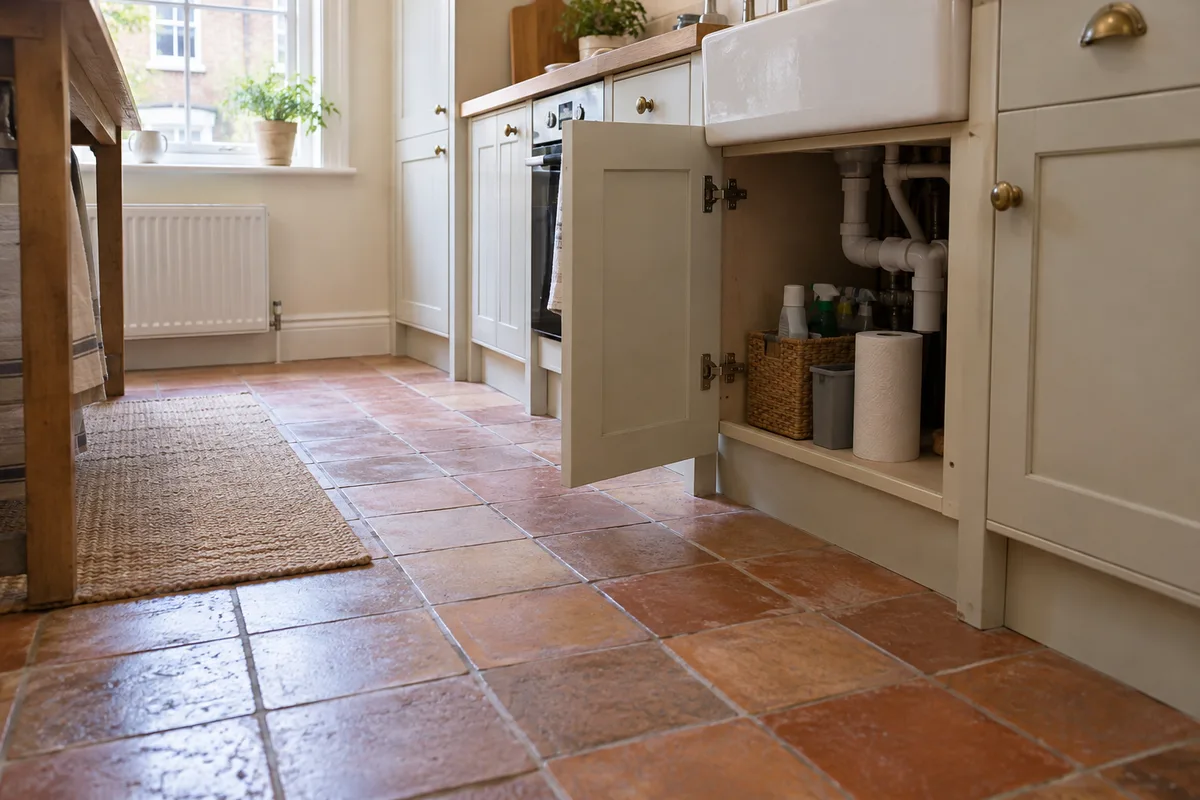
A small shelf check can be consistent
Choose a few accessible places relevant to the original finding and check them in the same way during the review period. Record genuinely new damage rather than moving stock repeatedly in search of something to report. A routine that can be maintained by every kitchen user is more useful than a one-off emptying of every cupboard followed by no observation at all.
Keep cleaning and stock movement notes brief. If a bag was discarded or a shelf emptied, record the date so a later photograph can be interpreted correctly. Do not keep potentially contaminated food merely to demonstrate a concern; obtain appropriate disposal advice and preserve a safe photograph instead. Tell the provider if household routines change, including a pet-feeding location or a newly inaccessible cupboard. These details help follow-up distinguish fresh signs from changes created by the household’s own rearrangement.
Aftercare should be written for this treatment
Ask which surfaces can be cleaned and whether any treatment locations must be left undisturbed. There is no single cleaning rule that fits every product and method. The provider should explain room use, household precautions and what to report before work starts. If more than one person uses the kitchen, share the instructions directly so one person does not undo another’s agreed preparation.
Keep any scheduled review on the calendar and record genuinely fresh signs in the meantime. A photograph of the same old gnawed box is not evidence of new activity. Describe whether the finding has moved to a different shelf or appeared in a previously unaffected room. Ask how the provider will decide whether another visit is needed. A clear aftercare arrangement is part of the service you are comparing, not an optional extra to think about once treatment is over.
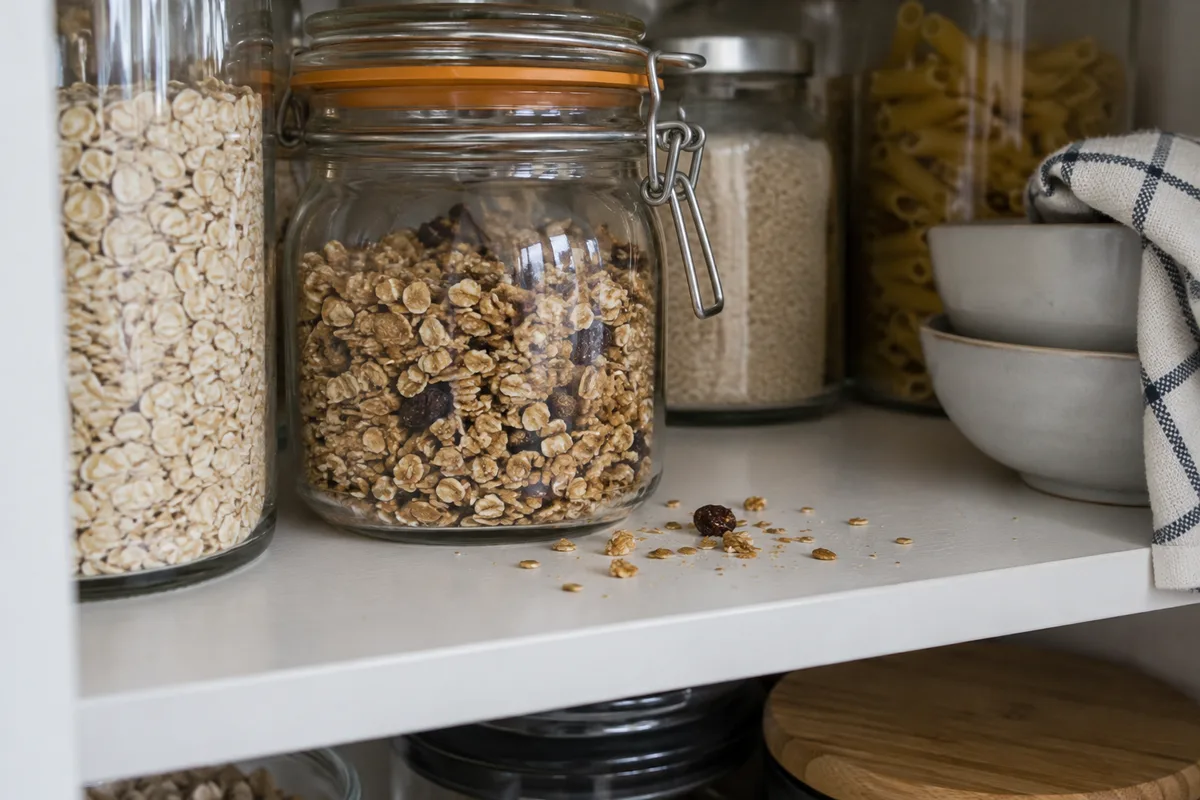
Build a prevention routine you can maintain
Store frequently used supplies where their containers and shelf edges remain visible. Deal with spills when noticed, rotate older stock and avoid leaving damaged packaging behind larger boxes. In a business kitchen, nominate a person to check deliveries and record findings; several informal conversations can easily lose an important date. The service overview for homes and businesses can help frame a booking that matches your premises.
If the inspection identifies access through a building gap, read our guide to proofing and repair responsibilities. Ask what work is proposed and whether it needs the owner’s permission. A tidier shelf will not repair a damaged door or service opening. Call with your Crouch End postcode and a short account of the evidence to discuss availability. The aim is a usable plan: identify the problem, protect supplies, complete any justified treatment and make the follow-up observations easy to interpret.
Questions about pest control in Crouch End
Should every food item be thrown away?
Describe the finding and ask for suitable disposal advice. Do not consume food that may be contaminated.
Does neat storage rule out mice?
No. Evidence and routes still need assessment; a clean shelf is not an identification test.
Can I wash all treated cupboard surfaces?
Follow the instructions for the actual method used and ask before disturbing treatment locations.
What if a housemate used a spray?
Tell the provider which product was applied and where so it can be considered during assessment.
How can I tell old damage from new activity?
Keep dated photographs and record fresh changes rather than repeatedly reporting the same damaged package.