
Pest Control Finsbury Park
A business and an upstairs home can share a building without sharing the same pest problem. Begin with separate evidence, then agree which connections need to be examined.
Identify the responsible contact for each unit
Distinguish business and household evidence
Arrange permission for common services

Plan the enquiry
Two reports do not automatically make one case
Use separate records within a coordinated visit
Quick decisions for an occupier
The property connection needs a map
Two reports do not automatically make one case
An insect in a business kitchen and a noise upstairs might be unrelated. Record them separately, including the date, room and physical evidence. If both occupiers report similar findings, explain that to the provider without declaring the whole building affected. The inspection scope should make clear whether it covers one unit, several agreed units or an accessible communal route. Neighbour information is context, not permission to enter their premises.
Islington publishes a Finsbury Park framework among its major planning projects. The local context includes different occupiers and uses; it does not establish pest prevalence. Give the full property address and entrance details when booking, because the business frontage may not be the entrance to the flat. Practical access arrangements should reflect the premises being inspected rather than a neighbourhood-wide assumption.
Use separate records within a coordinated visit
If both occupiers arrange assessment, ask how their findings will be distinguished in the report. A shared appointment date does not require private household photographs to appear in a business record. Room names, unit identifiers and access limitations can remain clear while sensitive details are shared only with the relevant contact.
Agree who will receive any common-building recommendation. It may concern a service route controlled by the owner rather than either occupier. Give that person the precise location and ask how repair completion will be recorded. If one unit is unavailable, keep the limit visible and decide whether further assessment is justified; do not infer its condition from the accessible unit. This approach lets coordination answer useful building questions without erasing separate permissions, different preparation requirements or the evidence needed to recommend treatment in each space.
Quick decisions for an occupier
Keep potentially affected stock or belongings away from unaffected storage while asking for handling advice. Photograph a visible finding in context, and avoid moving it into somebody else’s unit. If only a sound has been heard, describe its location without guessing the species. Do not ask a neighbouring business to spray the shared hallway as an improvised precaution. The method should follow identification and the agreed scope.
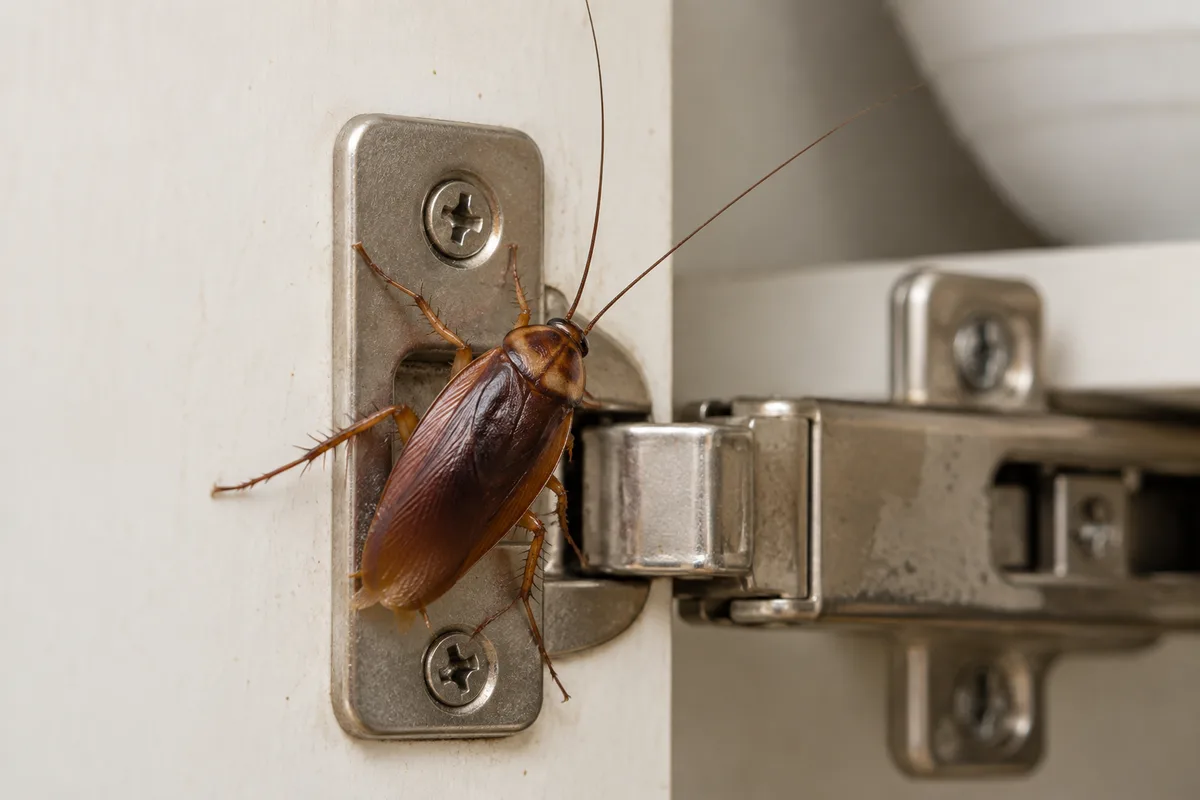
Our cockroach assessment information is relevant to suspected insects around kitchen equipment. For gnawed supplies or small rodent evidence, consult the mouse inspection guide. Explain any earlier products or contractor visits. Different work in different units can otherwise be mistaken for a single coordinated programme when the provider reviews what has already happened.
At booking, identify which telephone number reaches the upstairs occupier and which reaches the business decision-maker. A reception contact who can open the shop may not be able to answer questions about a private bedroom. Keeping those contacts distinct prevents an avoidable access problem during a combined appointment.

The property connection needs a map
List the accessible common spaces: stairwell, rear passage, service cupboard or waste area. Identify who owns or manages each one and who has the key. A route visible inside your room may continue through a space controlled by somebody else. Ask for its position and the inspection limitation to be recorded. The manager can then arrange wider access where justified, without requiring residents to enter business storage or staff to inspect somebody’s home.
If the business has opening-hour restrictions, give them before arranging a visit. The residential occupier may have an entirely different availability. Combining appointments can be useful only when consent, preparation and the inspection objective are clear. Ask how findings will be shared while keeping household details and commercially sensitive information private.
Treatment should have a named scope
The quote needs to describe the areas covered and any review arrangements. A treatment in the ground-floor unit should not be presented as treatment of the upstairs home. Ask what evidence justifies each recommendation and what precautions apply to the people using that space. Business staff need instructions for cleaning, stock and equipment; residents need household and room-use information. A single generic note may leave both groups guessing.
Our overview of residential and commercial visits can help you prepare these questions. If an urgent appointment is required, explain the actual evidence and operational restriction, then ask what availability can be confirmed. Do not presume that the whole property must close or that normal use can continue unchanged. Those decisions depend on the assessed concern and specific instructions.

Repair the connection that was actually identified
A building manager may need to commission work after the inspection. The guide to entry routes and proofing explains why repairs should be located precisely and preserve services. Ask whether the opening is inside a unit or part of the common fabric. Keep the photographs and repair dates together, especially if different contractors work for different occupiers.
Afterwards, use one agreed channel for relevant shared observations while retaining separate room records. A new business finding should include where it appeared, not merely that someone upstairs still has concerns. Review outstanding access and repairs before the planned follow-up. Call with your Finsbury Park postcode, the unit involved and the manager’s access arrangements. A coordinated assessment is useful because it answers the right questions across the building, rather than assigning identical treatment to every occupier.
Questions about pest control in Finsbury Park
Does a pest downstairs mean my flat is affected?
It is useful context, but your home needs its own evidence and agreed inspection scope.
Can one person authorise work in every unit?
Only where they have the necessary authority. Establish consent and contacts for each premises.
Should staff inspect the communal service cupboard?
Do not interfere with services. Arrange authorised access for the provider and relevant maintenance personnel.
Can two appointments be combined?
Ask about scheduling after access, consent and preparation have been agreed for both spaces.
Will a business treatment cover the upstairs home?
Not automatically. The quote should identify exactly which areas are included.