
Rat control in London: investigate the activity and routes
A rat in the garden, repeated scratching or fresh signs inside a building need a practical assessment. Pest Xterminators helps arrange rat control in London. We start with the location of activity and the property details, then discuss inspection, treatment and steps that may reduce access back into the building.
Indoor and outdoor activity need context ↓
Investigating entry routes and building conditions ↓
A treatment programme with clear responsibilities ↓
What to do before attendance ↓
Indoor and outdoor activity need context
Tell us whether you saw a rat inside, near a garden wall, around stored waste or close to a drain. Include the time, number of sightings and any other signs you have noticed. A single outdoor sighting does not establish the extent of activity inside a property, and a noise in a ceiling does not identify the species on its own.
Photographs of the location or visible damage can be useful without handling suspect material. Explain whether the activity has changed recently and whether neighbours or other units have reported something similar. The aim is to provide a clear starting point for inspection, rather than assume the route or prescribe a treatment before the site has been assessed.
The Richmond assessment decision guide separates an outdoor observation, indoor evidence and a defect outside your control. For a shared store, the Paddington bin-area guide helps locate the report and responsible contact.
Investigating entry routes and building conditions
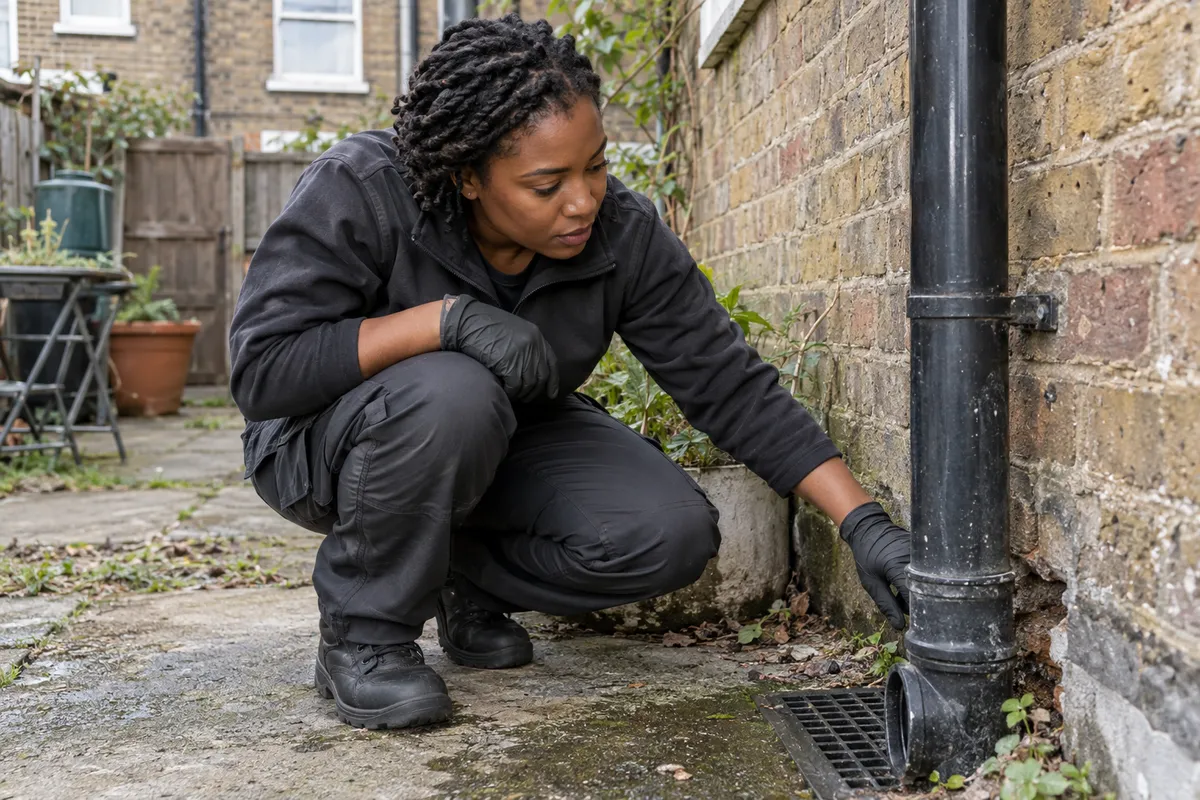
An inspection should consider where the activity is concentrated and how rats may be reaching the affected area. External openings, damaged building fabric and service routes can all warrant attention. Where drainage is suspected, ask what evidence supports that concern and whether a specialist drainage assessment is appropriate; do not assume every rat problem originates in a drain.
Tell the technician about recent building work, inaccessible voids and known defects. For connected properties, shared routes may require coordination with a landlord or managing agent. Ask for the findings to be explained in practical terms so treatment and any proposed repair work address the assessed problem rather than a collection of unrelated gaps.

A treatment programme with clear responsibilities
The provider should explain the areas included, the methods proposed and how progress will be checked. Discuss children, pets, other occupants and any wildlife concerns before agreeing to the plan. Ask which precautions apply and what equipment or treatment points must not be disturbed. If a return visit is part of the work, confirm the timing and what observations you should record in the meantime.
Do not add products or move items used by the technician without discussing it. In a business, identify the person responsible for allowing access and communicating the instructions to staff. A documented plan is especially useful when the premises are used by several people with different schedules.
What to do before attendance
Keep waste and food storage arrangements under control, and tell the inspector about any areas where that is difficult. Avoid disturbing droppings or nesting material while attempting to prepare for the visit; ask for advice on appropriate handling. Make the agreed inspection areas accessible without moving potentially affected materials around the building.
If activity is in a kitchen or food business, follow your own procedures for the affected stock or surfaces and notify the person managing the premises. Give details of locked gates, shared courtyards and access to service rooms when booking. These practical points help the inspection proceed without losing time or overlooking an area simply because permission or a key was unavailable.
Repairs and proofing after the route is understood
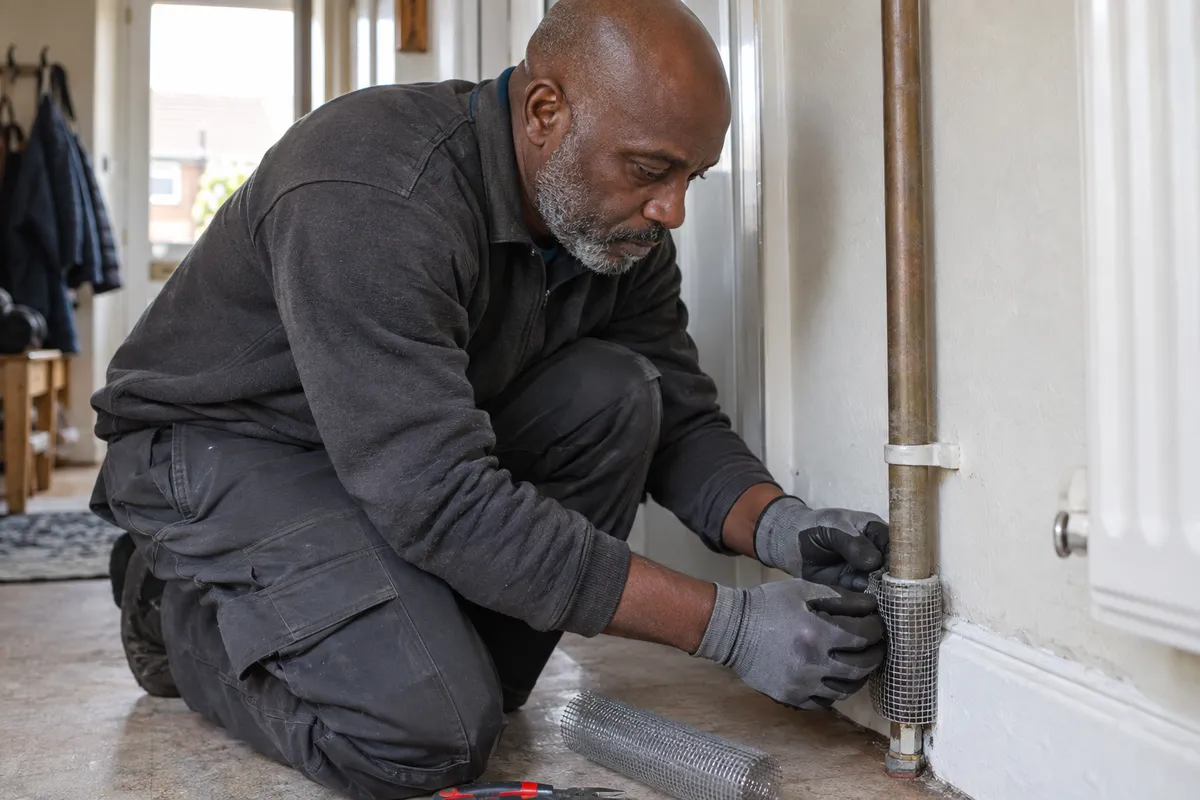
Treatment and prevention often need to be considered together. Ask which defects are likely to be relevant, who is responsible for repairs and how the work should be sequenced. A proposed opening repair needs to preserve ventilation and access to services where required. Our pest proofing guide sets out useful questions about materials, maintenance and shared buildings.
If the property is rented, keep the inspection findings and repair recommendations for the landlord or managing agent. Do not assume a treatment visit automatically includes structural repairs. A clear division between pest work and building maintenance helps avoid a situation where activity is addressed but an identified route remains unresolved.
Urgent callouts, costs and follow-up
Call with your London postcode and the location of the rat activity to check urgent availability. Explain whether the issue is indoors, affects food preparation or is preventing normal use of the premises. A same-day visit depends on scheduling and access, so confirm the appointment rather than relying on a general availability statement. Costs depend on the site, scope and programme.
Ask whether inspection, treatment, return visits and proofing are included or separately quoted. After attendance, report observations with dates and locations. If you are unsure whether the signs concern rats or mice, compare the enquiry guidance on our mice control page and let the inspection establish the appropriate response.
Questions about rat control
Does a garden sighting mean the house needs treatment?
Not necessarily. Explain the location and any indoor evidence so the technician can assess the context. Treatment should be based on the findings, not an assumption that every outdoor sighting means an indoor infestation.
Can you guarantee a fixed arrival time?
An appointment and availability must be agreed when booking. Call 020 4579 9781 with your postcode, access details and the urgency of the problem so the next available visit can be confirmed.
Will you repair every entry point?
Ask what the proposed quote includes. Inspection, treatment, pest proofing and structural or drainage repairs may involve different scopes, providers or permissions, so the responsibilities should be clear before work begins.