
Pest Control Archway
When signs return after a repair, the date and location of the new finding matter. A review should test what changed, what remained open and whether the original identification still fits.
Compare new signs with the repair date
Keep the original inspection findings
Ask which routes remain unchecked
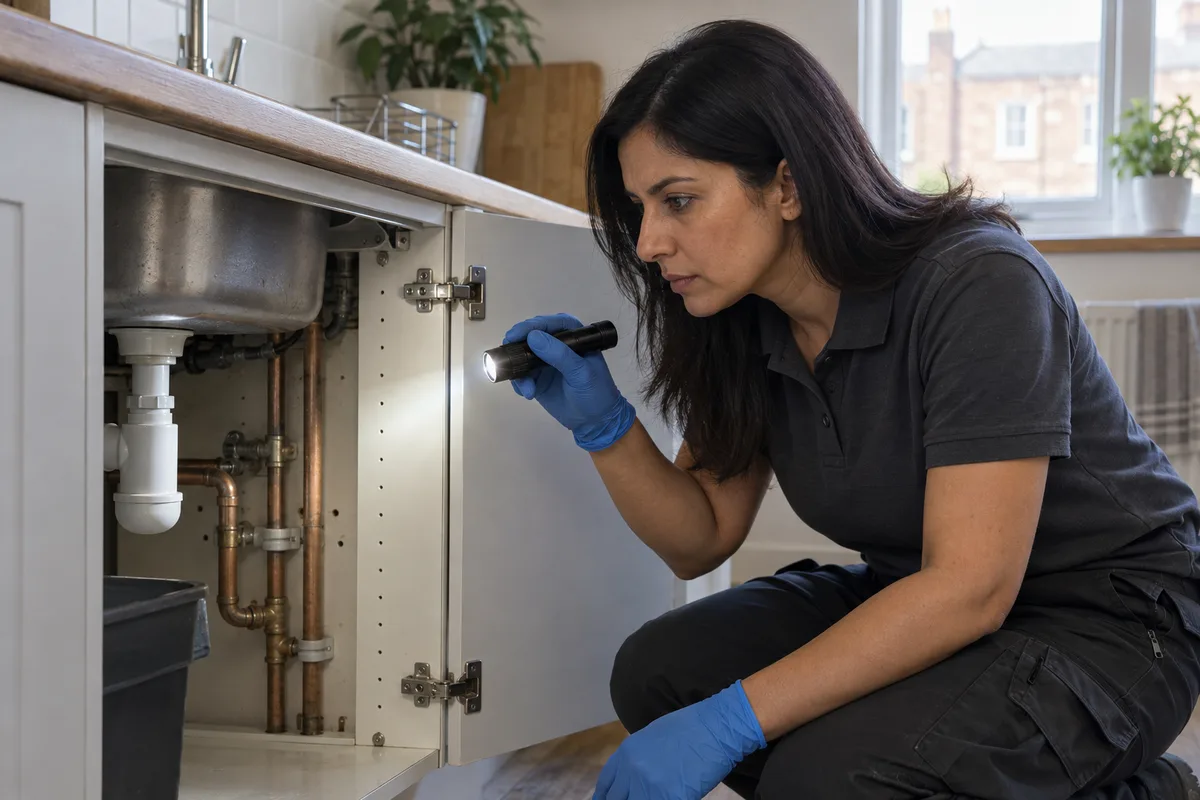
Check that the evidence is genuinely new
Old marks on a food bag or an uncleaned corner can easily be reported again as a fresh problem. Record what has appeared since the repair and where it is located. Take a new contextual photograph where safe. If the concern is a recurring sound, describe it separately from physical evidence. A provider can review a dated finding more usefully than the statement that the problem is back everywhere.
Islington’s planning resources include an Archway framework. For an individual pest enquiry, use the full address and actual building access rather than assume that every Archway property has the same arrangement. Where a repair affects communal fabric or an externally visible feature, identify the responsible owner. The local planning context may matter to the work, but it cannot explain a specific recurrence without inspection evidence.
Reconstruct what was repaired
Find the original photograph or report and note the contractor’s completion date. Was the named opening repaired, or was a nearby surface patched? Was the work intended as a temporary measure or a permanent exclusion repair? You do not need to dismantle it yourself to answer these questions. Ask the owner or contractor for a description if the repair record is unclear. A visible finished surface does not prove that the entire route behind it was investigated.
The proofing guide explains why material and location are part of the assessment. A door gap, ventilation opening and service penetration require different decisions. If the repair obscures services, leaks or an access panel, report that concern to the responsible person. Pest prevention should not make maintenance or ventilation impossible.
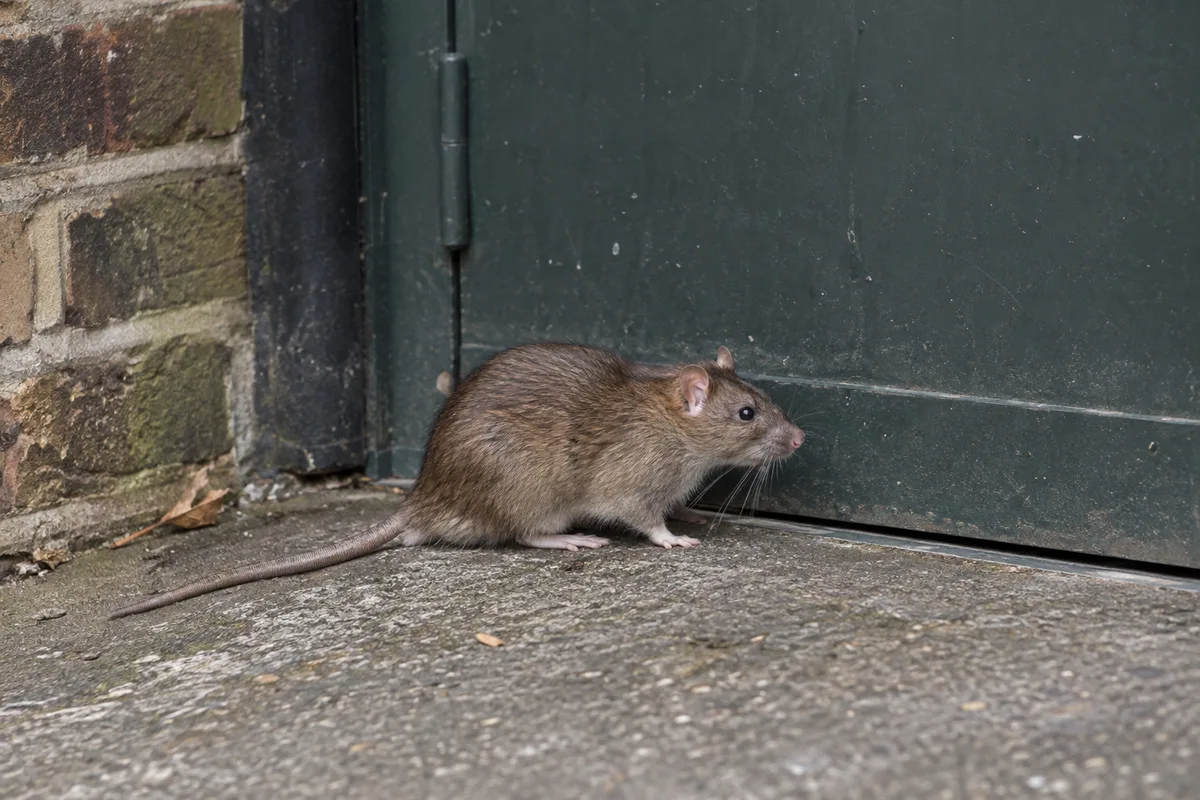
Review the treatment as well as the repair
Keep the dates of visits and any instructions you were given. Tell the provider whether a planned follow-up took place and whether preparation or access was limited. These details help distinguish an incomplete programme from a new finding after completed work. Avoid replacing the evidence with a theory that the product did not work. A review should explain what was identified, which areas were addressed and what now needs assessment.
For small rodent concerns, read the mouse monitoring and follow-up information. If the original problem concerned larger rodent evidence, use the rat assessment guidance when framing the new report. Changing the suspected species purely because signs have continued can lead to an unsuitable booking. Describe the fresh finding and allow the inspection to test the identification.
Check the purpose of the next appointment
Before booking another visit, ask what new question it will answer. It may reassess fresh evidence, inspect a previously locked space or review a completed repair. State which of those applies so access and preparation match the objective. Simply repeating the original appointment with the same missing key may leave the same uncertainty.
If you are using a different provider, share the previous findings and work dates without presenting somebody else’s diagnosis as an established conclusion. The new assessment may need to confirm current evidence independently. Explain any equipment still in place and ask before disturbing it. Keep the resulting recommendation beside the earlier record, noting what changed and what remained uninspected. A useful second opinion should clarify the current position and next action, rather than add another broad treatment description with no connection to the physical signs or repair history.
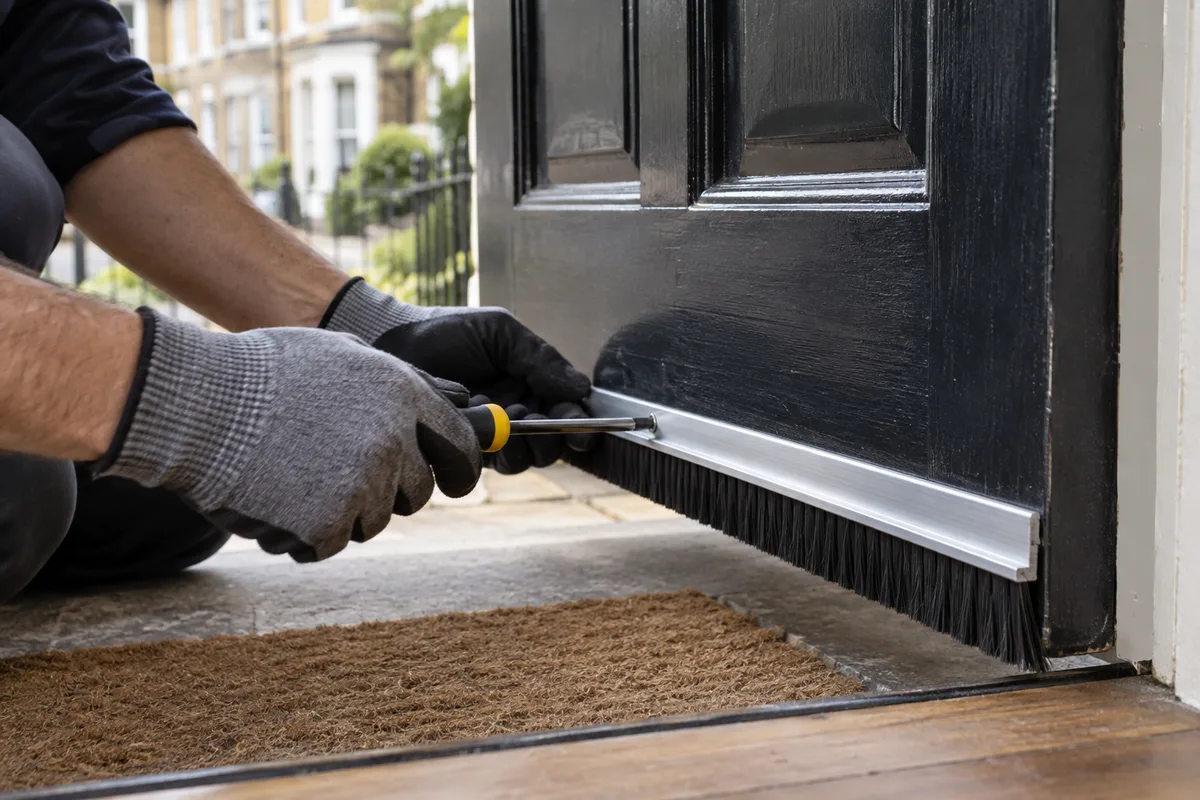
Uninspected places deserve a clear next step
An earlier visit may have excluded a locked store, a neighbouring unit or a sealed service void. Ask whether that limitation is relevant to the new evidence and what access would be needed now. The next visit should have a specific purpose rather than simply repeat the original restricted inspection. Arrange permission and the key holder before confirming the appointment, particularly where a managing agent controls the space.
Do not open walls or move heavy equipment to demonstrate a possible route. A maintenance contractor may be needed to provide safe access, with the pest provider inspecting afterwards. Ask how these tasks will be coordinated and whether further costs are involved. Keep a record of what remains unresolved so the next person dealing with the property can see the outstanding issue.
Make prevention observable
During the review period, keep accessible food securely stored and deal with spillages. Check the same safe locations consistently, rather than searching every room at random. Record dates, positions and physical evidence. Follow instructions about cleaning and leave any monitoring or treatment equipment undisturbed. A measured routine makes it easier to understand what has changed without claiming that normal household tidiness can repair a structural defect.
Our service information helps clarify what to ask when arranging another visit. Call with your Archway postcode, the previous inspection date and a summary of the new signs. Ask what findings or repair documents should be available. A focused review can decide whether treatment, additional access or an outstanding repair is the next useful action. That decision should rest on the current evidence and the actual work record, not a promise that a single further visit will settle every hidden route.
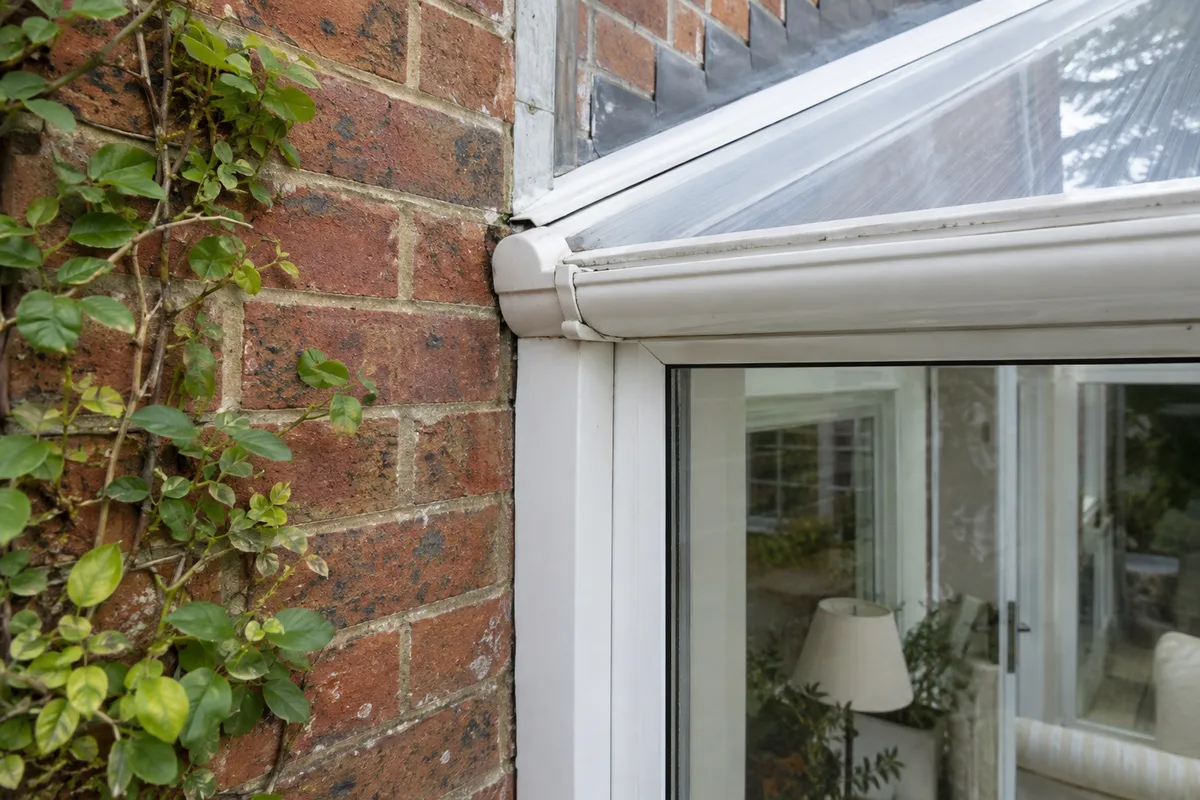
Questions about pest control in Archway
Does a returning sound prove treatment failed?
No. Report the sound and any fresh physical evidence so the provider can assess what the recurrence means.
Should I undo the repair to inspect it?
Do not dismantle it yourself. Obtain the repair record and arrange appropriate assessment.
What if the original report cannot be found?
Ask the previous provider or responsible owner for the findings and visit dates, and document current evidence meanwhile.
Can a follow-up inspect previously locked rooms?
Arrange access and permission first, then agree how the additional space changes the scope.
Should I use a new product while waiting?
Discuss it with the provider and disclose anything already applied; avoid interfering with the agreed programme.