
Pest Control Highgate
Pest treatment and a permanent alteration to an older building are separate decisions. A good inspection gives you the information needed to make both carefully.
Record evidence before specifying a repair
Check who can authorise alterations
Ask what the inspection cannot reach
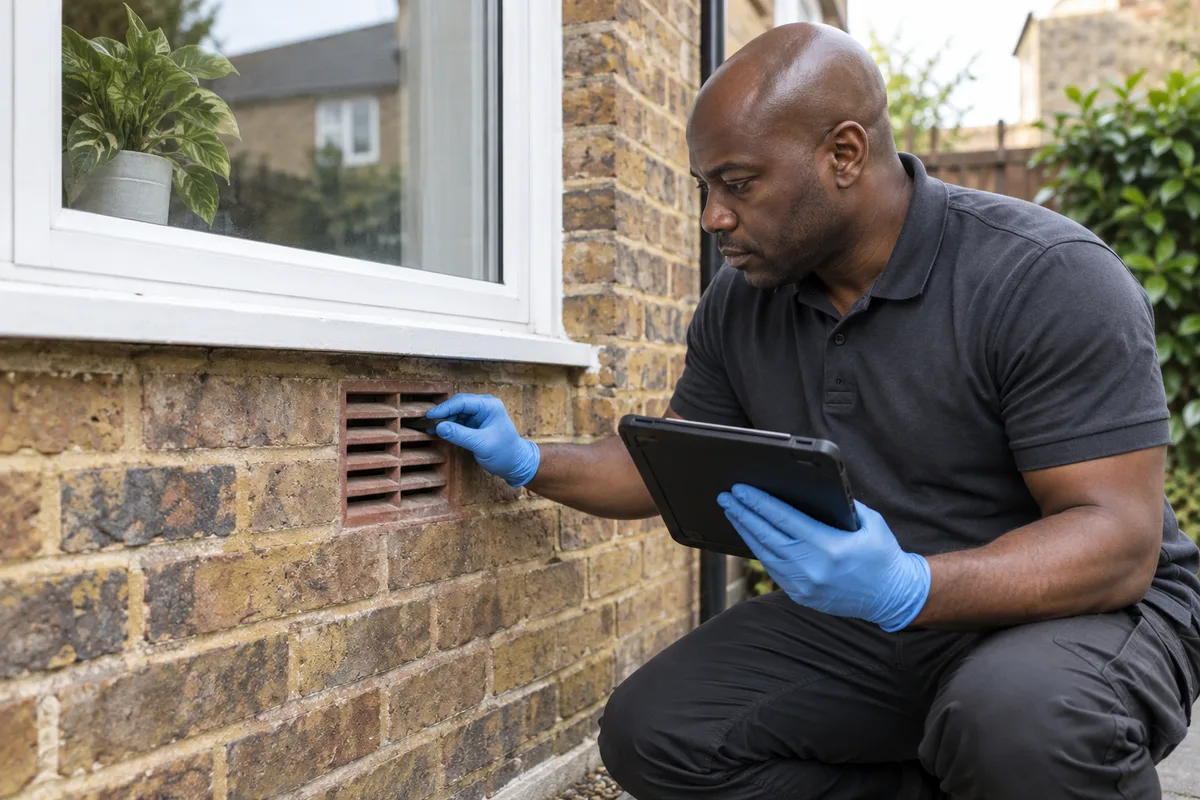
Begin with the finding, not a building project
A noise behind a wall can make a major repair seem inevitable. It is better to establish what evidence is available first. Describe the sound’s position and timing, and report any physical signs separately. Do not open an old lining or remove decorative timber simply to confirm a suspicion. The inspection should begin with accessible surfaces and produce a recommendation that explains why further access is needed, if it is needed at all.
Highgate includes conservation areas, with information available from the relevant council. Check the specific address and building status before agreeing external alterations. A conservation-area designation does not establish a pest problem, and not every property requires the same consent. The practical point is to identify the exact work proposed. A photographed service opening is a finding; permission to change it is a decision for the responsible owner, with planning advice where required.
Which signs justify a rodent enquiry?
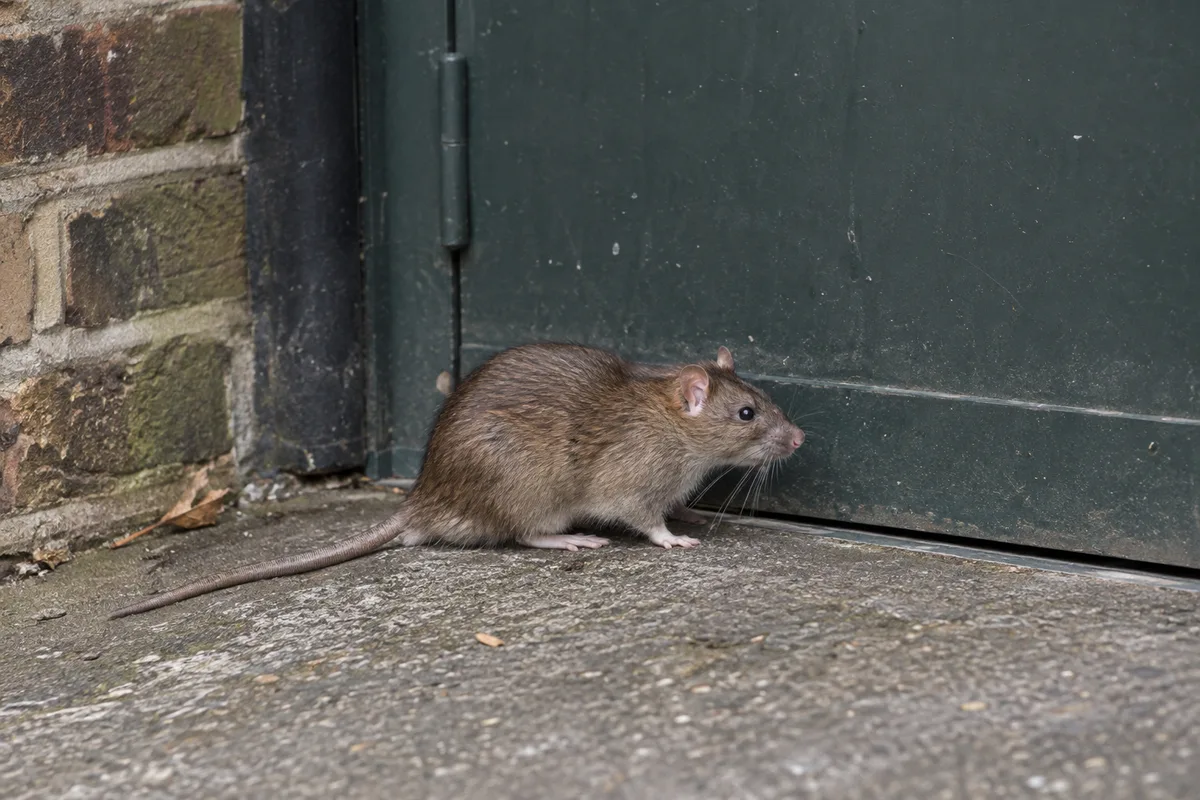
Repeated fresh droppings, damaged food packaging or an observed animal deserve a clear record. Note the room and date, and take a contextual photograph if safe. Avoid interpreting every crack in old plaster as an entry point. The size, route and connection of a visible opening need assessment. A gap into a closed void may not have been fully investigated during a routine room inspection.
The rat assessment guide explains why outdoor sightings and indoor evidence need different questions. For smaller signs around kitchen storage, our information about mouse activity can help prepare the enquiry. Use the observations to select an inspection, rather than selecting a treatment product first and hoping that it suits the problem. Tell the provider about any earlier treatment and repairs, including dates and locations.
Make the first visit proportionate
Identify the rooms that can be inspected without specialist access. Explain stairs, tight spaces, locked stores and any area occupied by another household. Where the property has fragile finishes, show the technician which surfaces must be treated carefully. An inspection should not silently expand into dismantling. Ask who will authorise additional access and how any limitation will be recorded in the findings.
If a suspected route passes behind fittings, the next step may involve a maintenance contractor. Request enough detail for that person to understand the location and reason for the recommendation. A generic instruction to seal everything is not a useful specification. Keep the pest findings separate from a wider renovation wish list so that urgent work can be considered on its evidence rather than tied to an unnecessary building project.
Give a repair contractor a defined question
When commissioning follow-on work, ask the contractor to address the opening named in the pest findings rather than carry out a general sweep of every imperfect surface. Supply the room location, relevant photograph and any access limitation. Ask how their proposed repair will preserve the feature and nearby services, and keep the answer with the inspection record.
If the work specification changes after closer examination, record what was found and what was actually completed. A note that the wall was repaired may be too vague for the next pest review. The provider needs to distinguish the identified access point from a separate cosmetic or maintenance repair. Where consent or specialist design is necessary, keep that process visible and ask what interim precautions are appropriate. A clear handover supports proportionate work and avoids treating the whole property’s age as a defect to be corrected.
Ask how treatment and exclusion fit together
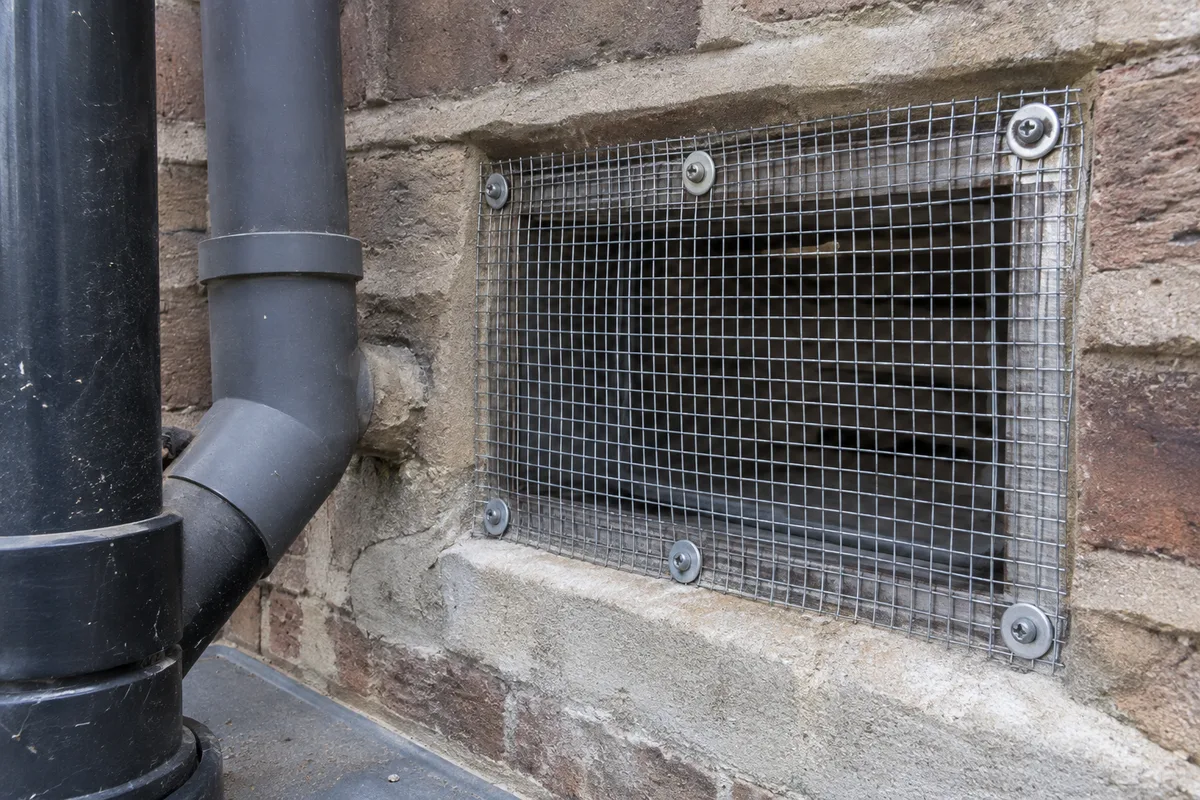
A treatment programme may address current activity while leaving an identified structural defect to be repaired separately. Ask which part the provider offers, what is included and whether a return inspection is planned. The quote should make those boundaries visible. In a rented or managed property, arrange the owner’s approval before work begins, especially where the affected surface is communal or externally visible.
Our guide to planning proofing work explains why ventilation, drainage and service safety must be preserved. Materials should suit the opening and the building, rather than merely look solid in a photograph. If alterations need an additional specialist, ask what interim precautions are appropriate while approval is being obtained. Do not conceal a defect with a cosmetic patch and assume that the underlying route has disappeared.
Keep a usable record after the visit
Save the original photographs, inspection findings and repair record together. When work is completed, record the date and what was changed. At the review, this helps the provider distinguish an unresolved opening from a newly discovered location. Report fresh evidence rather than relying only on occasional noises, and explain whether it appears in the same room or elsewhere. Follow any instructions about cleaning and equipment that must remain undisturbed.
For an urgent Highgate enquiry, call with your postcode, the signs and the areas that can be reached safely. Ask for the next available appointment and explain any restrictions on altering the property. You do not need to decide the entire repair programme during the first call. The immediate aim is a credible assessment, a defined treatment scope where justified and a repair recommendation that the responsible person can authorise with confidence.
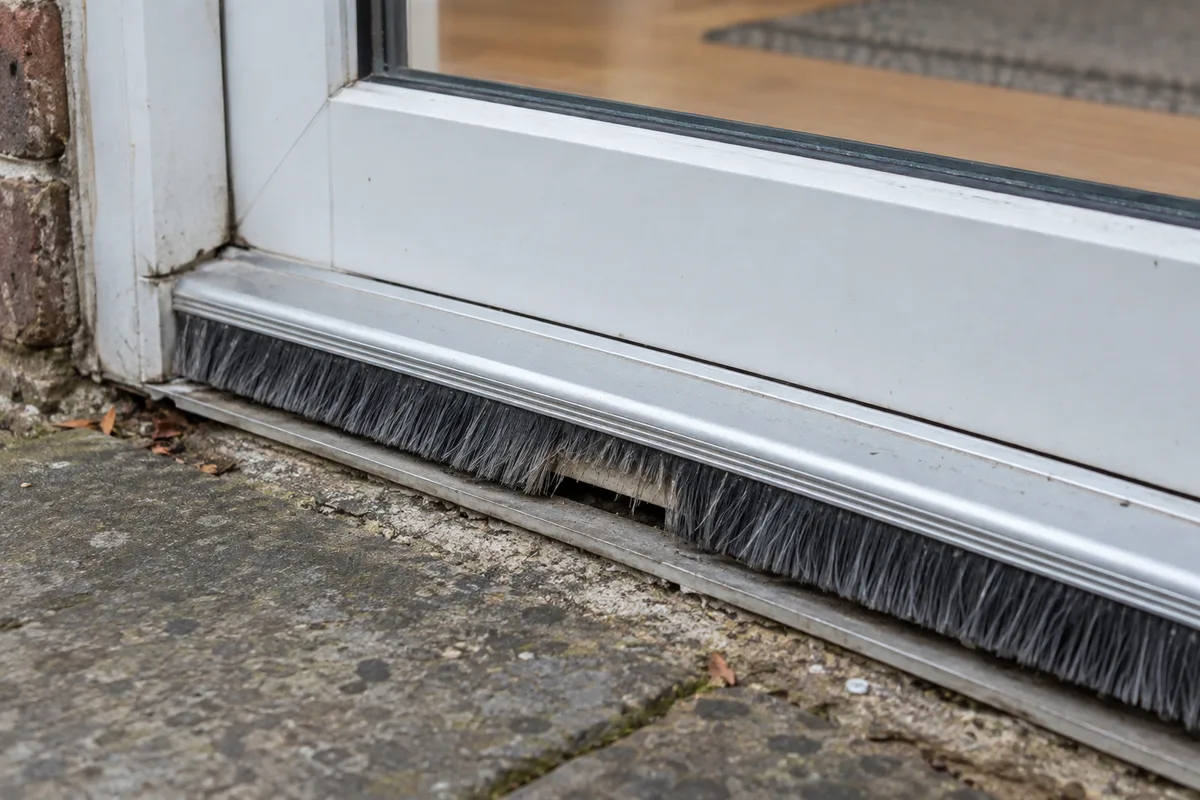
Questions about pest control in Highgate
Does a conservation area prevent a pest inspection?
It does not automatically prevent an inspection. Proposed alterations should be checked separately against the property’s requirements.
Can a technician remove an old panel during the visit?
Agree any dismantling beforehand; permission, safety and the inspection scope need to be clear.
Should cracks in plaster all be sealed?
Ask which openings are relevant and why. A cosmetic crack is not automatically an animal route.
Can the owner receive the repair findings?
Discuss written findings and photographs when booking so the responsible person gets useful information.
What if repairs need another contractor?
Ask how the treatment programme and review will account for the outstanding work.