
Pest Control Muswell Hill
A sound in the ceiling is a reason to investigate, not a reliable species identification. The useful next step depends on what can be observed safely and where access is possible.
Describe when and where sounds occur
Keep unsafe roof spaces closed
Ask for evidence behind the recommendation
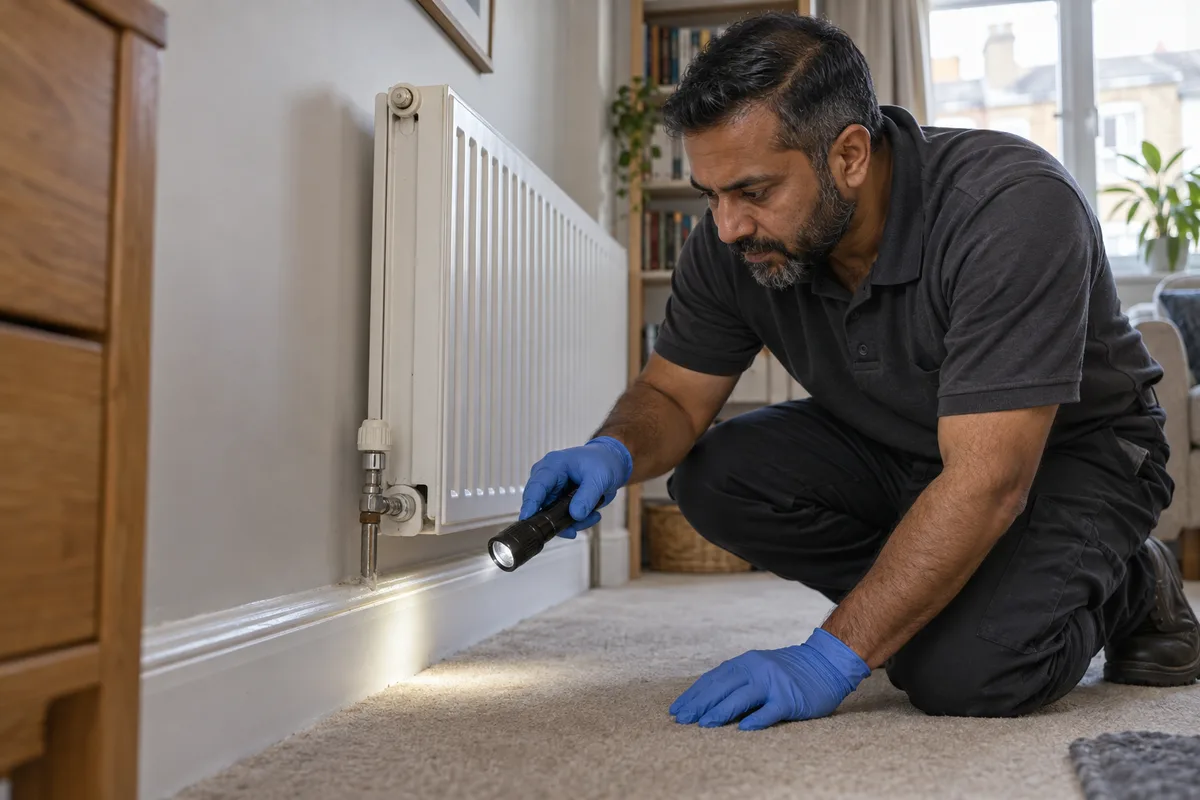
Write down what you can actually hear
A brief sound log can make an enquiry clearer. Note the room, approximate time and whether the noise comes from overhead, a wall or a cupboard. Avoid recording guessed animal numbers or a species based only on the volume. Pipes, building movement and other sources may also need consideration. Mention any physical sign independently, including damaged stored material or a sighting, so the provider can distinguish observation from interpretation.
Muswell Hill has conservation-area information published through Haringey’s planning resources. If an eventual recommendation involves altering an external feature, the specific property should be checked. This has no bearing on which animal, if any, is making a sound inside. Keep the inspection question focused on evidence and the repair question focused on the proposed work. That avoids turning a first enquiry into an unsupported conclusion about the roof.
Safe access is more important than an extra photograph
Tell the provider whether there is a loft hatch, a fixed ladder and a boarded area. A hatch alone does not mean the roof space can be entered safely. Do not walk on unboarded sections or reach through insulation to collect a sample. Explain any lights, cables, tanks or equipment visible from the normal access point. The technician may need to limit the inspection or recommend a different access arrangement.
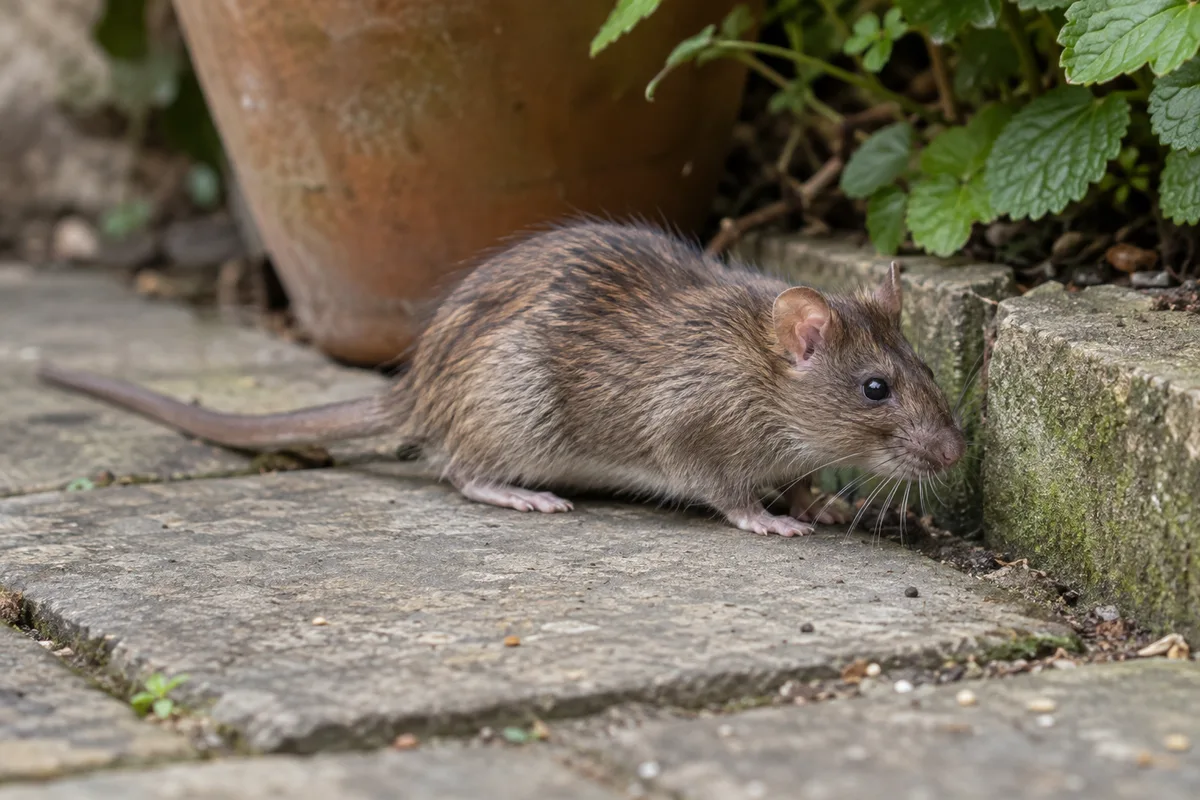
A suspected rodent concern can be discussed using the mouse identification and inspection guide, while larger physical signs may lead to questions covered in our rat control information. Neither link is a diagnosis of a ceiling sound. An assessment should explain which evidence supports the recommendation and what was inaccessible. Ask for those limitations in the record, particularly if an owner is considering building work afterwards.
Homes and business lofts need different preparation
In a home, explain what is stored above the room and whether anyone has recently moved boxes or had maintenance carried out. You should not haul every item through the house before receiving handling advice. Photograph visible damage where it is safe to do so. Keep children and pets away from disturbed materials, and do not leave the hatch open for convenience while you wait for an appointment.
For a business, identify who controls roof-space access and whether plant equipment affects the visit. A pest provider should not be expected to disconnect services or remove safety barriers. Arrange any necessary facilities contact beforehand. The quote needs to show whether the accessible loft, rooms below and relevant external areas form part of the inspection. A report from one office cannot settle the condition of an entire building roof.
Do not confuse access improvement with pest proofing
A safer loft ladder or a boarded inspection route can improve access without restricting any animal route. Conversely, an external exclusion repair may need a different contractor and equipment. Ask the owner to keep these tasks separately described, with dates and the reason for each. Otherwise a later report that the loft has been fixed can leave the provider unsure what actually changed.
If safe access cannot be created immediately, explain that constraint and ask what assessment can still be made from accessible rooms. A limited visit may be useful when its purpose is understood. It should not imply that the inaccessible roof space has been inspected. Keep the sound log factual during that period and report any physical evidence that appears in normal household areas. This gives the next assessment a coherent starting point without encouraging unsafe entry or unsupported certainty about the source.
What a treatment recommendation should answer
Ask the provider to connect the finding with the proposed method. Which pest has been identified? Which location needs attention? What happens if the programme requires a return visit? These questions are more useful than asking for a generic treatment of the whole loft. Discuss household precautions and access restrictions before agreeing work, including any stored belongings that may need a separate preparation instruction.
Noise continuing after a visit should be reported without immediately declaring treatment failure. Describe whether physical evidence has also changed and follow the agreed reporting process. The provider can then decide whether further assessment is appropriate. An inaccessible source remains an inspection limitation even when a treatment has been carried out elsewhere. Make sure the owner understands that distinction rather than treating a completed invoice as proof that every void was checked.
Proofing begins with an identified opening
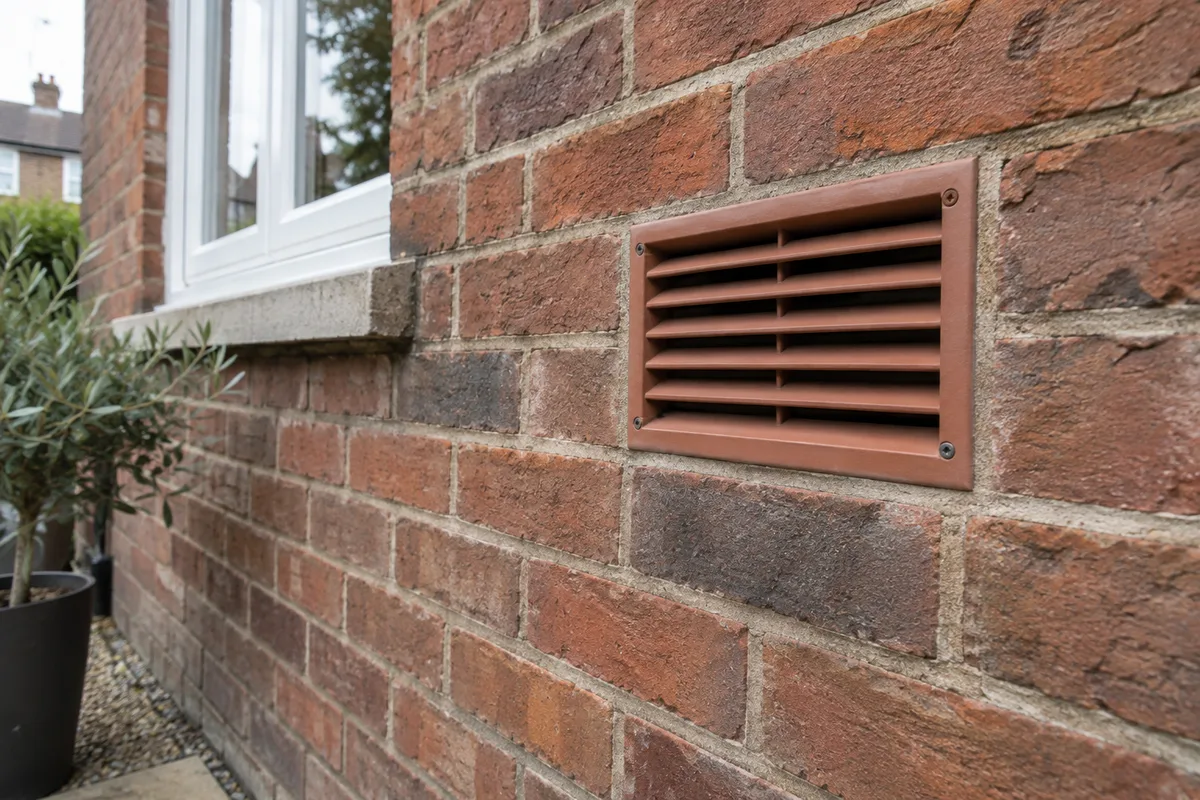
Our entry-point repair guidance explains why a proposed roof or wall repair needs a precise location and suitable material. Do not block ventilation or apply improvised material around services. If external work is required, ask who will undertake it and how safe access will be arranged. Pest treatment and work at height may be separate services, with different permissions and costs.
Keep dates for inspections and repairs beside the sound log. A later report is clearer if it distinguishes new evidence from the same uninvestigated noise. Contact Pest Xterminators with your Muswell Hill postcode, the location of the concern and available access. Ask about appointment availability and what information would help the initial visit. A careful account of the problem gives you a better starting point than a confident guess made from below a closed ceiling.
Questions about pest control in Muswell Hill
Can scratching identify the animal?
Sound alone is not a dependable identification. Physical evidence and accessible inspection findings are needed.
Do I need to enter the loft myself?
No. Do not use unsafe access or unboarded areas to collect evidence.
Should stored boxes be taken downstairs?
Ask for advice first if they may be affected; unnecessary movement can complicate the inspection.
Does a loft visit include roof repairs?
Ask what is included. External repairs and safe work at height may need a separate contractor.
What should I report after treatment?
Follow the provider’s instructions and describe new physical evidence, locations and any continuing sounds.