
Pest proofing in London: close the right routes
Stopping pests from getting back in requires more than covering the first gap you notice. Pest Xterminators helps arrange pest proofing enquiries in London, with attention to inspection findings, suitable repairs and the way your building is used. Start by explaining the activity, the suspected openings and any treatment already carried out.
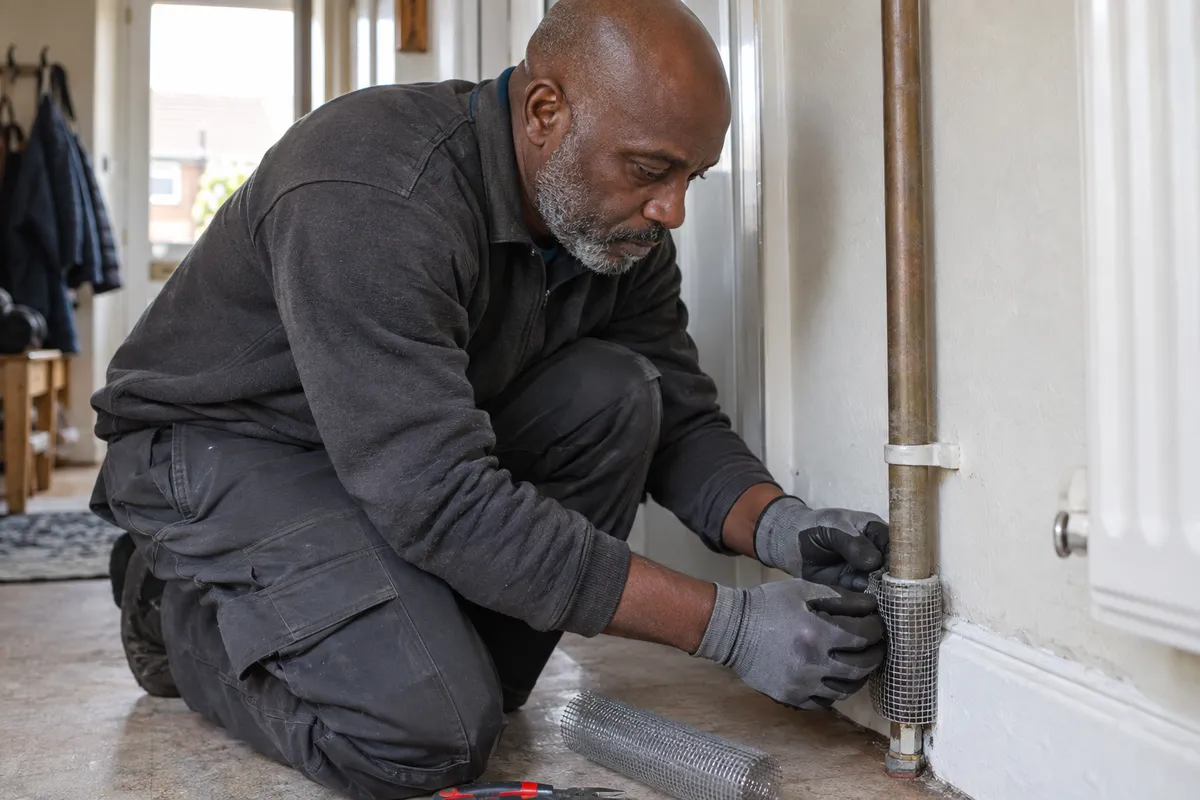
Proofing starts with understanding the problem ↓
Common areas to discuss during inspection ↓
The repair must suit the building ↓
Active treatment and prevention have different jobs ↓
Proofing starts with understanding the problem
A visible gap can be worth checking, but it is not automatically the route responsible for the activity. An assessment looks at where signs are concentrated and how the building connects to external or shared spaces. Tell the inspector about sightings, affected rooms, recent repairs and any previous recommendations. This helps distinguish active access from defects that may be unrelated.
If an infestation is still being treated, ask how proofing should be sequenced with that programme. Closing openings without understanding the situation may leave other routes unchecked. The goal is an informed repair plan, with a reason for each proposed measure, rather than sealing everything that looks untidy.
Common areas to discuss during inspection
Gaps around utility pipes, doors, vents and damaged building fabric are useful places to discuss, especially where activity has been reported nearby. Access to service spaces, cupboards and external walls may be needed to understand the route properly. Do not remove fittings or climb into difficult areas merely to gather evidence for a phone call. A photograph from a safe, accessible position and a description of the location are enough to begin the conversation.
Explain known leaks, building works or adjoining spaces that have not been inspected. In connected properties, access can involve more than one occupier. An opening in one room may be part of a wider route through a shared service area.
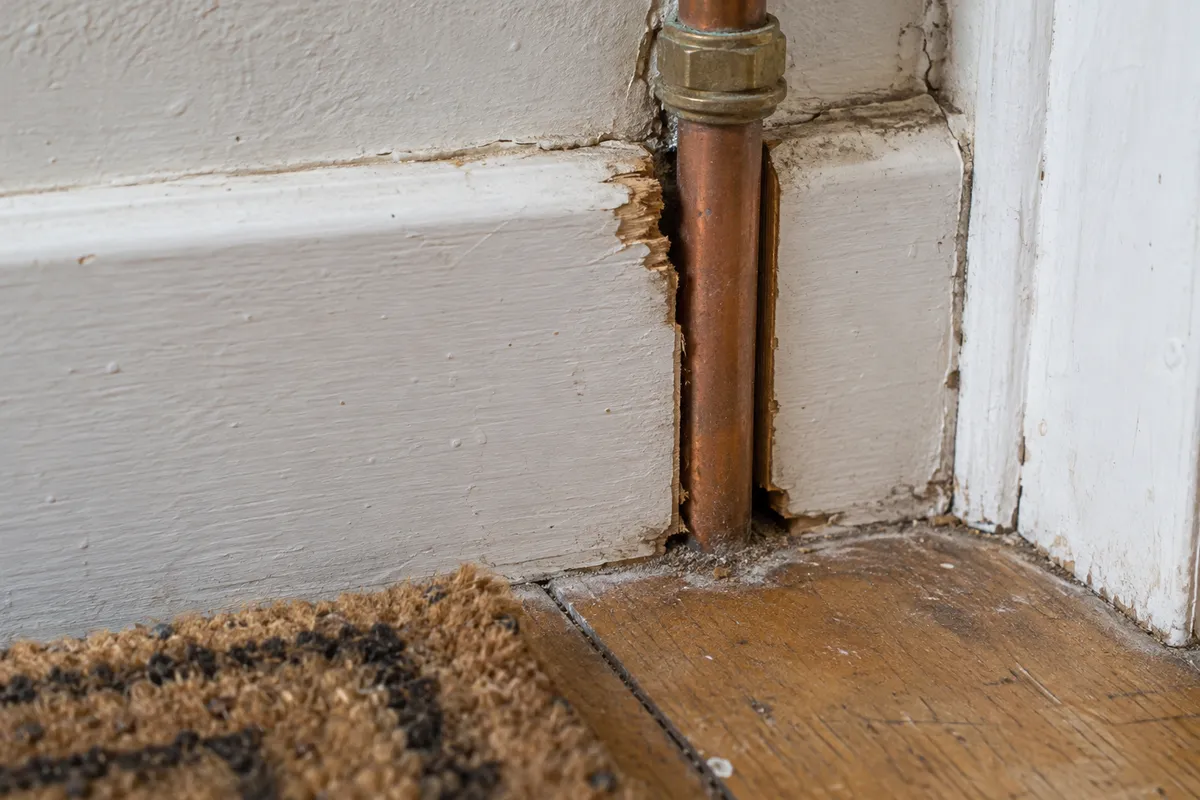
The repair must suit the building
Materials and fitting methods should suit the opening, building fabric and use of the area. Ask how the measure will be secured and maintained, and whether access to a service needs to remain available. Ventilation, drainage and other functions must not simply be blocked because pests might use an opening.
If a repair falls outside the pest provider’s scope, ask for the finding to be recorded so the appropriate contractor can assess it. Do not treat expanding foam or another readily available product as a universal solution. A good recommendation explains what needs attention, why it matters and which practical constraints affect the work.
Active treatment and prevention have different jobs
Proofing reduces access routes; it is not a substitute for assessing activity already inside the property. Where mice or rats are present, discuss treatment and prevention together so neither is assumed to cover the other automatically. Ask whether inspection or monitoring needs to happen before particular openings are repaired.
Our mice control and rat control pages explain the information useful for those enquiries. If a previous provider has already treated the property, share their instructions and findings where available. That avoids competing plans and helps identify which recommendations have been completed, which are outstanding and whether further assessment is needed.
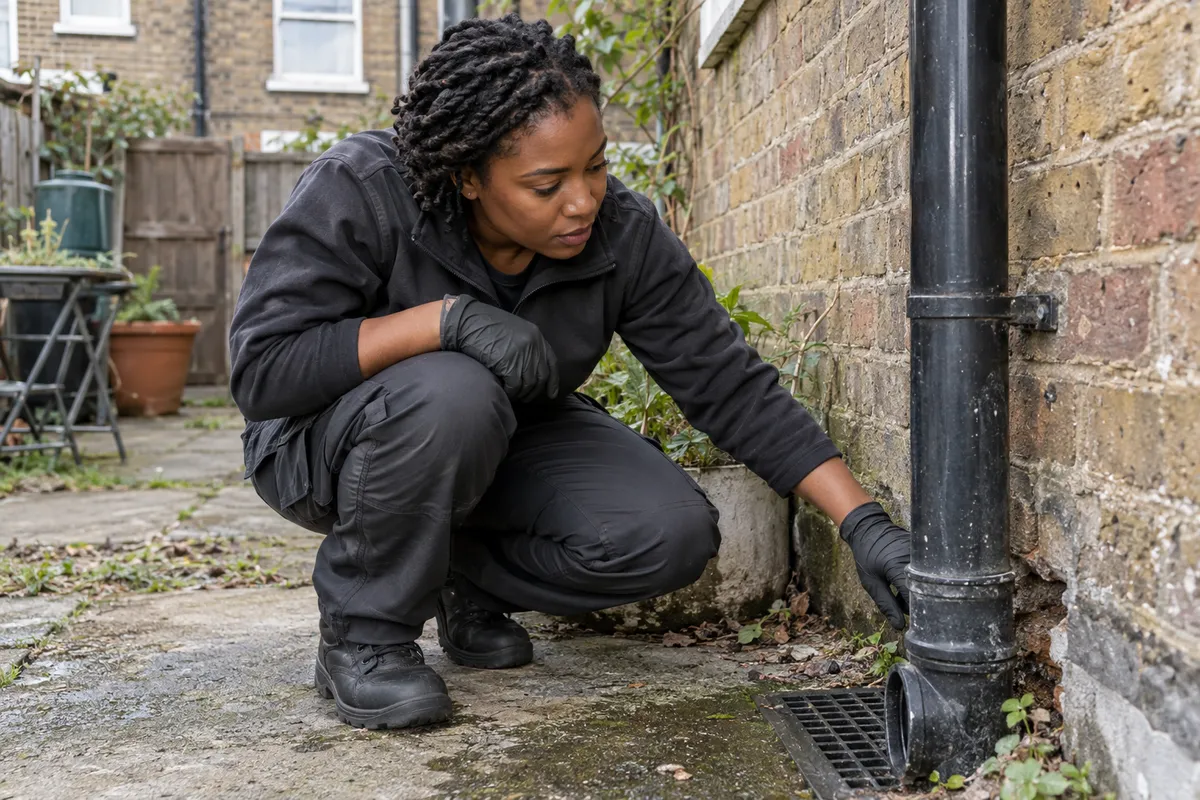
Landlords, managing agents and businesses
Repairs often require permission from someone other than the person who first noticed the pest. Establish who can approve work and arrange access before an appointment. In a block of flats, the managing agent may need to consider communal areas or service routes. A business should identify who maintains the premises and who checks whether repairs have been completed.
Ask for priorities to be explained so urgent issues can be distinguished from longer-term maintenance. Keep photographs, findings and quotes together for the person authorising the work. A list of defects is only useful when responsibilities, access and the proposed scope are clear enough for someone to act on it.
The Notting Hill repair-handover guide takes a finding through specification, approval and completion records. For limited access, the Kensington inspection guide helps distinguish assessed points from concealed areas still needing a decision.
Quotes, maintenance and future observations
Check whether your quote covers inspection, supply of materials, fitting and any return checks. Structural repairs, specialist drainage work or access equipment may need separate arrangements; ask rather than assume. Once work is completed, keep an eye on the areas identified in the plan and report further activity with dates and locations.
Buildings change: new service installations, damaged fittings or ordinary wear can introduce fresh openings. Proofing should therefore be understood as part of property maintenance rather than a promise that no pest can ever enter again. Call with your London postcode, photographs if available and details of any current treatment so the enquiry can be directed to the appropriate next step.
Questions about pest proofing
Can proofing be done while there is still activity?
That depends on the assessment and treatment plan. Ask the technician how the work should be sequenced, rather than closing a suspected route yourself and assuming the remaining activity will resolve.
Does pest proofing include drainage repairs?
Not automatically. If a drainage issue is suspected, ask what supports that concern and whether a specialist assessment or separate repair quote is needed. The scope should be explained before work is authorised.
Is proofing useful for commercial premises?
Yes, where identified access routes or defects contribute to the problem. A plan should consider the building’s operation, maintenance responsibilities and necessary ventilation or service access, alongside any pest treatment.