
Mice control in London, from first signs to entry points
Scratching behind a unit or droppings in a cupboard can be the first sign of mouse activity. Pest Xterminators helps arrange mice control in London for homes and businesses. The useful starting point is where activity has appeared, how often you notice it and which parts of the property can be inspected.
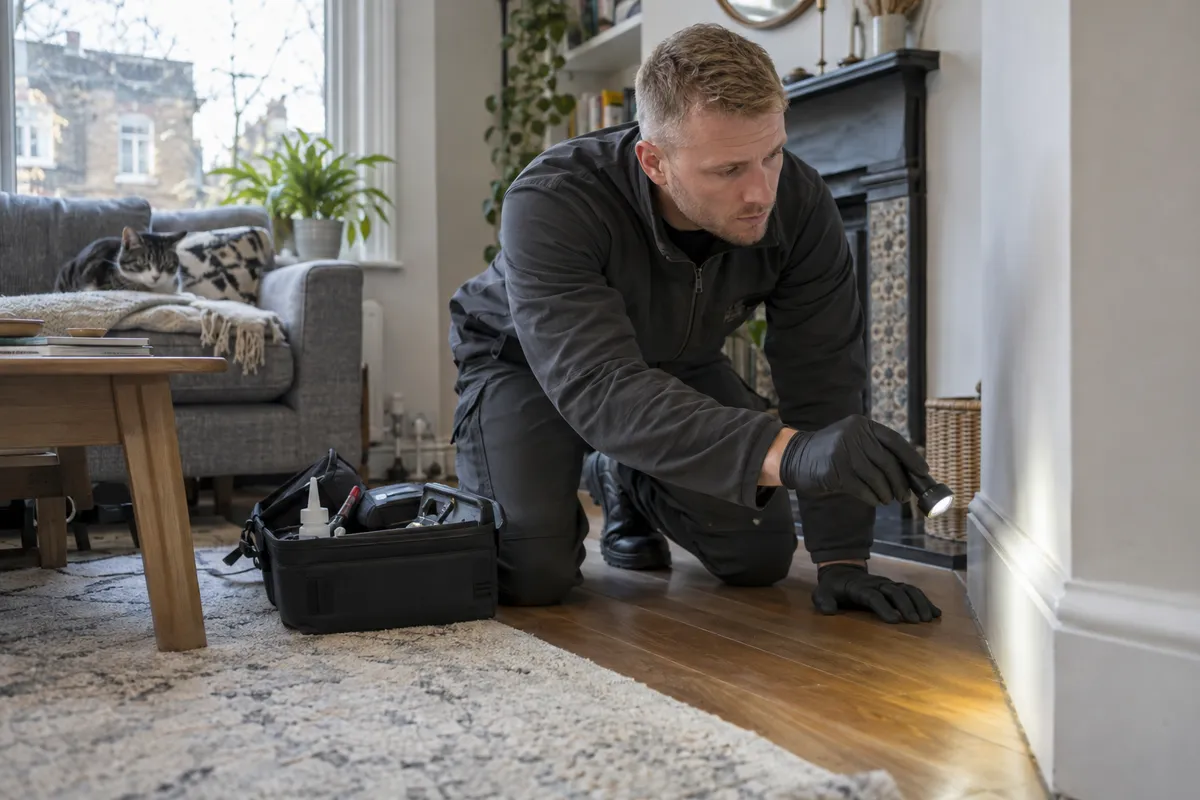
Build a clear picture of the activity ↓
Why an inspection needs more than a visible mouse ↓
What to expect from a treatment proposal ↓
Preparation and sensible steps before the visit ↓
Build a clear picture of the activity
Write down where you have noticed droppings, gnaw marks or scratching, including whether the signs are new or have been present for a while. Photographs of the location can help explain the problem without handling suspect material. Tell the inspector whether activity is limited to a kitchen, appears upstairs or involves more than one room.
Sounds on their own do not identify a species, so do not assume every noise in a ceiling means mice. Explain any recent repairs or changes that exposed gaps around fittings. This information helps direct the inspection and distinguish an isolated observation from a pattern requiring attention across several parts of the building.
Why an inspection needs more than a visible mouse
A mouse seen crossing a room is only one part of the picture. An inspection considers places where activity is concentrated, possible access routes and conditions that may support it. Gaps around pipework, cupboards, doors and adjoining spaces can be relevant, but not every building defect is necessarily an active route. Ask the technician to show or explain the findings supporting the plan.
If parts of the property are inaccessible, describe the limitation before the visit. In a block of flats, shared service routes and reports from neighbouring units may need discussion with the person managing the building. Treating the visible room alone does not answer every question about how activity is reaching it.
For fitted units, use the Fulham kitchen access sheet to distinguish visible points from equipment that needs competent help. The Acton utility-cupboard guide explains another common access question without opening unfamiliar services.
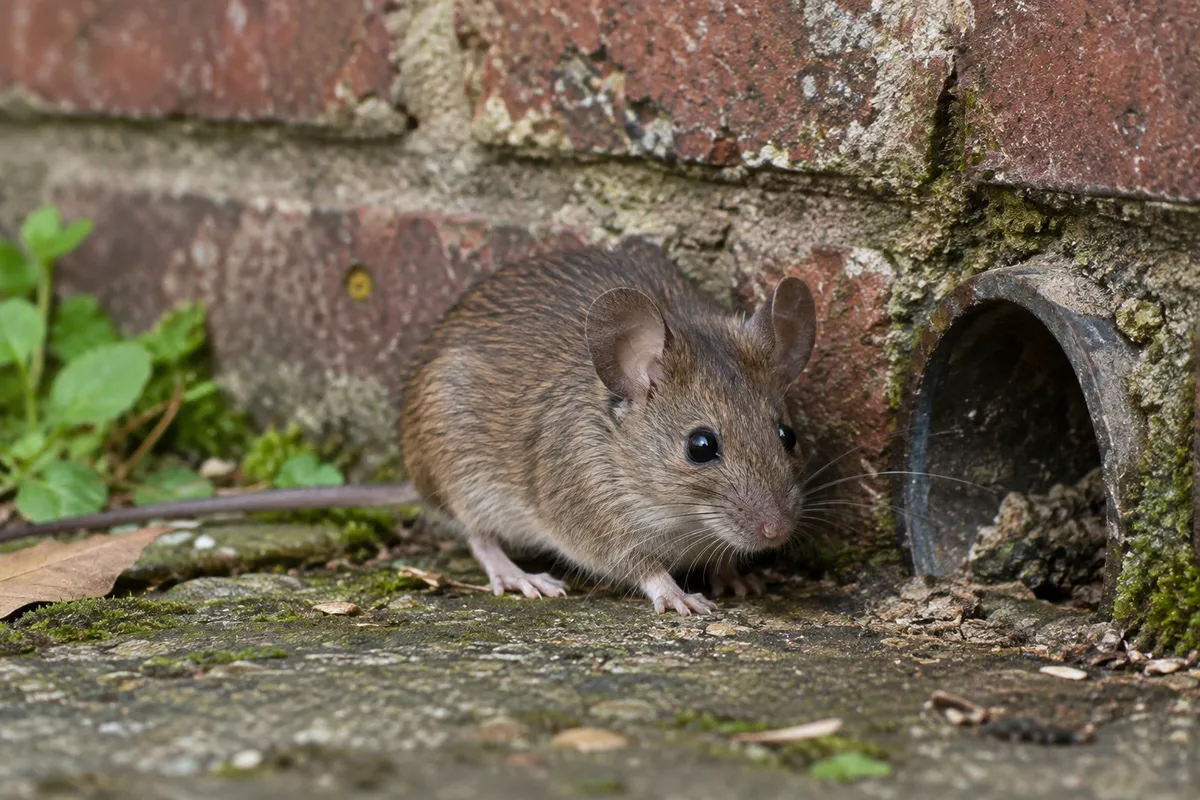
What to expect from a treatment proposal
The proposal should explain the assessed areas, the approach recommended by the provider and how observations or monitoring will be reviewed. Discuss children, pets and other users of the property before any treatment is agreed. If products or devices are used, ask where they will be placed, what precautions apply and which items you should leave undisturbed.
Do not move or add unrelated treatments without telling the technician. The number and timing of visits should be stated clearly rather than guessed from someone else’s experience. Keep a record of activity between appointments, with dates and locations, so a follow-up conversation is based on useful information instead of a general impression that something may still be happening.
Preparation and sensible steps before the visit
Keep food securely stored and describe any areas where spilled food or waste is difficult to manage. Ask which cupboards or spaces need to be accessible for inspection. Avoid disturbing droppings or nesting material while trying to make the property look ready; request advice about suitable handling instead.
Do not move potentially affected stock or belongings into another part of a business without considering the problem. Tell the technician about locked rooms, fixed appliances and any person whose permission is needed to access a service area. A realistic access plan often matters more than a last-minute deep clean that removes useful evidence but still leaves important locations unavailable.
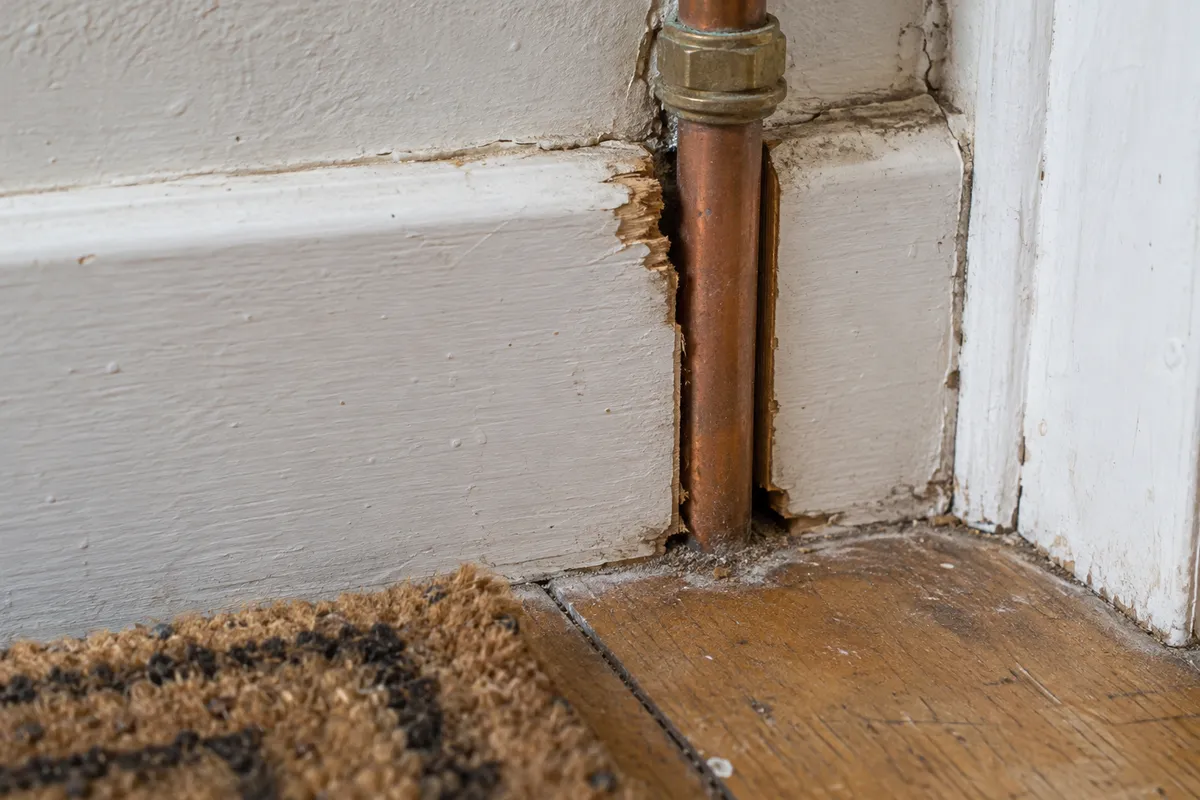
Proofing should address the route, not just the gap
Pest proofing can be important, but it should follow an understanding of the activity and building. Simply filling every visible hole may overlook the actual route or create maintenance problems around ventilation and services. Ask which openings need attention, what material is proposed and how treatment and repair work should be sequenced. The pest proofing page explains the questions to ask about inspections, access and responsibilities.
In a rented property, clarify who can authorise repairs. For shared buildings, involve the managing agent where communal routes or adjoining areas need assessment. Keep the findings and proposed repairs together so the person carrying out maintenance understands the purpose of each measure.
Costs, urgent attendance and the next check
The quote depends on the property, activity, access and agreed programme. Ask what is included: inspection, treatment visits, monitoring and proofing may be separate parts of the work. If you need urgent attendance, give your postcode and explain why the situation is time-sensitive, especially in kitchens or commercial premises. Same-day availability must be confirmed when you call.
After treatment, record new sightings or signs in the areas the technician asks you to monitor. If an issue appears elsewhere, report the location rather than assuming it is the same route. For activity that may involve larger rodents, see our rat control guide and discuss identification before choosing a service.
Questions about mice control
Do mice only affect dirty properties?
No. Access and shelter can allow activity in a well-kept property too. An inspection looks at entry routes and conditions, rather than making assumptions about the people using the building.
Can I just seal the hole I found?
Ask for an assessment of the route and how proofing should be sequenced. The visible opening may be only one part of the problem, and repairs around services or ventilation need suitable planning.
What should I tell you when calling?
Give your London postcode, property type, affected rooms and what you have seen or heard. Mention children, pets and access restrictions so availability and the proposed next step can be discussed properly.