
Bed bug treatment in London, with a plan for your rooms
Finding something in a mattress seam can turn a normal evening into a long night. Pest Xterminators helps arrange bed bug treatment in London, starting with what you have found, where you found it and which rooms may be affected. Call to discuss an inspection and a treatment plan rather than choosing a product by guesswork.
What counts as evidence of bed bugs? ↓
How an inspection informs the treatment ↓
Choosing between treatment options ↓
Preparing without moving the problem elsewhere ↓
What counts as evidence of bed bugs?
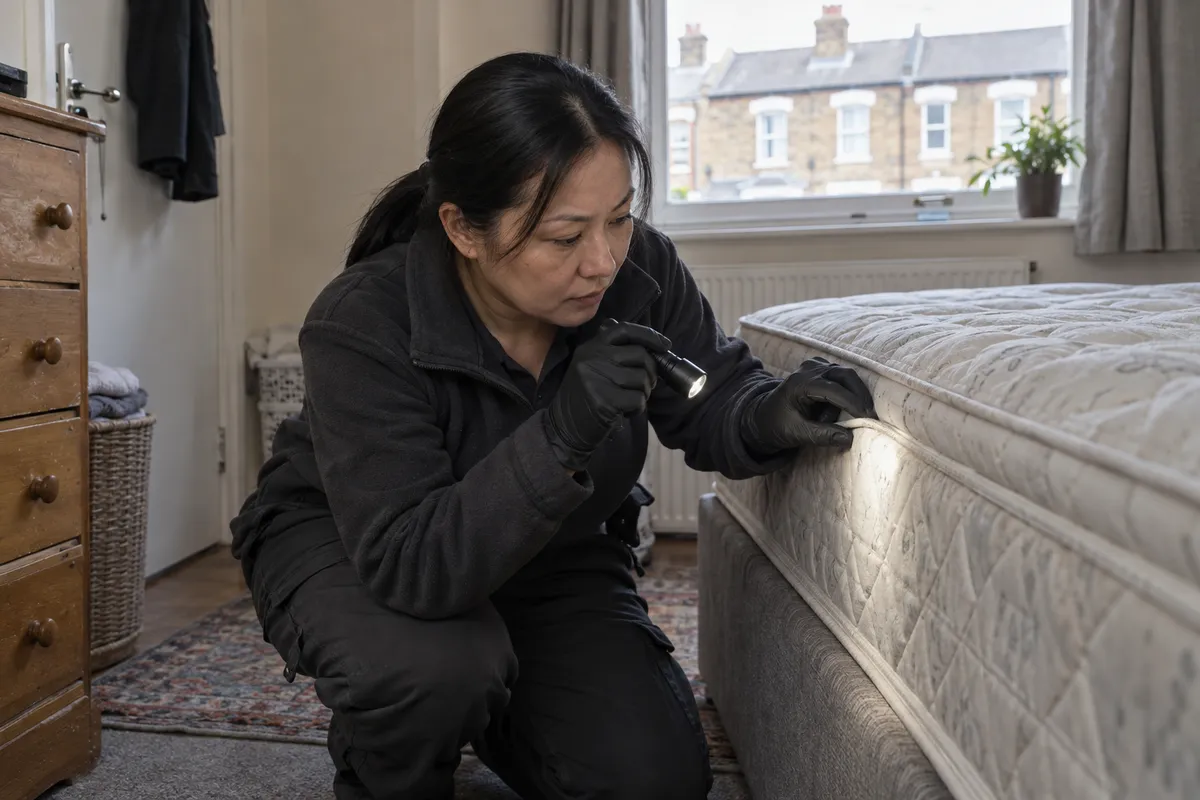
Bites alone do not identify a bed bug infestation. Skin reactions vary and several other causes can look similar. More useful information includes a suspected insect, dark marks around mattress seams, shed skins or activity near the bed frame. Note the location and take a clear photograph if you can do so without spreading material between rooms.
A technician needs to examine the evidence and likely hiding places before recommending treatment. Describe what you have actually seen, including whether more than one bedroom is involved. If you cannot find an insect, say that clearly; uncertainty is a good reason for inspection, not a reason to treat every room indiscriminately.
How an inspection informs the treatment
A bedroom is more than its mattress. Bed frames, headboards, nearby furniture and small gaps can all matter when assessing suspected activity. Explain where people usually sleep and whether furniture or luggage has recently moved between rooms. The inspection should establish which areas need attention and what access is required.
Ask the technician to explain the evidence supporting the recommendation. Different properties need different arrangements: a small flat, a shared house and guest accommodation may involve very different access and preparation. Before agreeing to work, check whether the quote covers inspection, the identified rooms and any planned follow-up. A clear room-by-room scope is more useful than a vague promise to treat the whole problem.

Choosing between treatment options
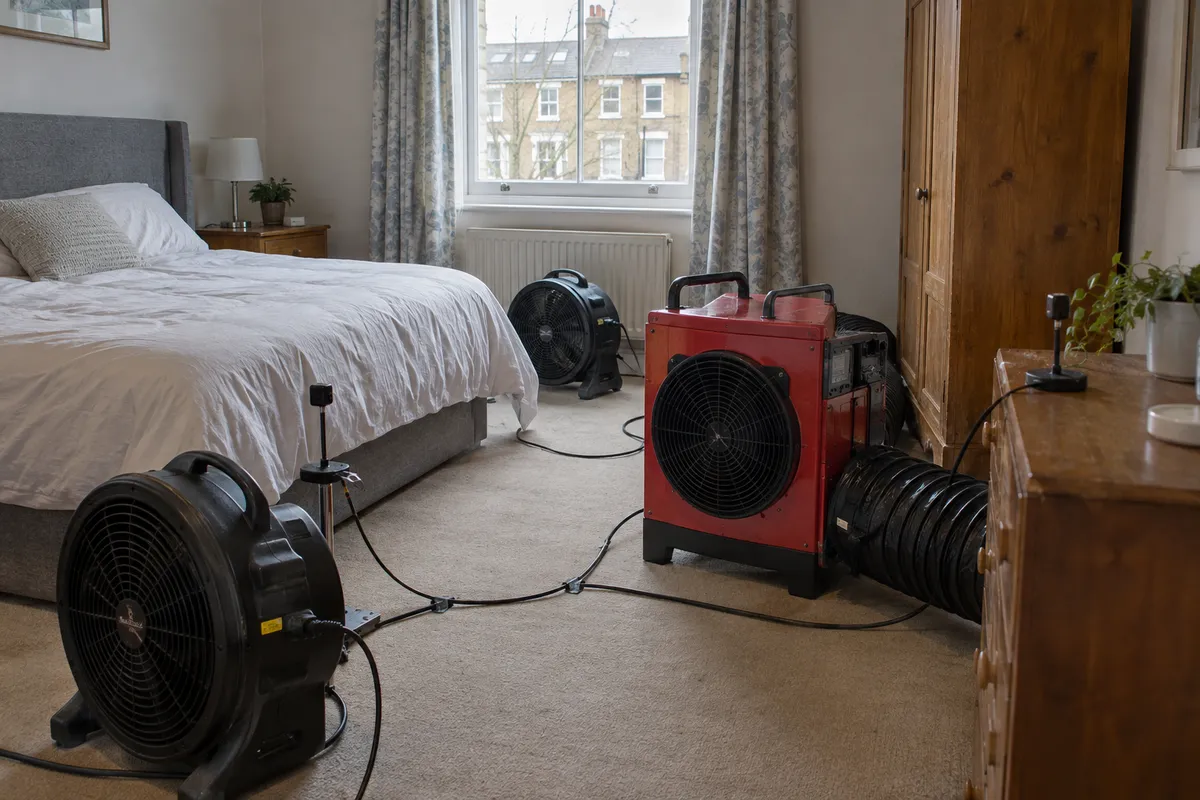
Bed bug treatment may involve targeted products, heat or a combination of approaches, depending on the inspection and the provider’s assessment. Heat treatment is not simply turning up the central heating. It requires suitable equipment, preparation and monitoring, with attention to places where insects may be sheltered. If you are considering this option, read our heat treatment guide and ask what is included.
For a product-based programme, ask about the areas being treated, preparation instructions and the timing of any return visits. Avoid comparing methods using one headline claim. The best questions are whether the proposed approach suits the evidence, your rooms and the practical constraints of the property.
Preparing without moving the problem elsewhere
Follow the instructions for your actual appointment. Do not empty an affected room into another bedroom in an attempt to make inspection easier. Tell the technician about stored bedding, crowded areas and furniture that is difficult to move, so access can be planned sensibly. Ask which textiles need handling, how they should be contained and whether any belongings require special treatment.
Instructions for heat can differ from those for other methods, particularly for heat-sensitive items. Do not assume a checklist from another company applies unchanged. If you cannot complete a requested preparation step, call before the visit. Solving an access problem beforehand is better than discovering on the day that part of the agreed area cannot be inspected.
For a practical furniture decision, see the Chelsea guide to keeping, treating or removing an item. For photographs that help the first enquiry, use the Marylebone guide to recording an unfamiliar insect.
What to ask about the quote and follow-up
Bed bug treatment costs depend on the property, affected rooms, method and agreed programme. Ask for the scope in plain language: what is being inspected, what will be treated, what preparation is your responsibility and what happens if further activity is reported. Clarify whether follow-up is included or quoted separately. Ask when you should report observations after treatment and what evidence is most useful.
Do not judge the result solely by a single skin mark or by expecting a particular deadline that was never agreed. Keep the appointment instructions and any written report together. If the property is rented or managed, involve the person responsible for authorising work early enough to avoid delaying access or preparation.
Urgent bookings and shared properties
Same-day availability can be discussed when you call, but the right preparation and access still matter. Give your London postcode, the number of affected rooms and whether occupants can follow the proposed instructions. In a shared building, explain whether activity has been reported elsewhere; treating one room without understanding the wider situation may leave important questions unanswered.
Hotels and other guest accommodation should discuss room access, operational constraints and communication with the person managing the premises. For an urgent enquiry, call 020 4579 9781. We will help establish the next step and confirm availability rather than promise an arrival time before the details are known.
Questions about bed bug treatment
Should I throw the mattress away?
Do not make disposal your first step. Discuss the evidence and the condition of the item with the technician. Moving furniture through the property without a plan can complicate the situation and may not address other hiding places.
Is treatment suitable around children and pets?
Explain who uses the rooms and any relevant concerns. The provider should give instructions for the chosen method, including access restrictions and when rooms may be used again. Avoid relying on a blanket claim that every treatment is harmless.
Can I book if I am not sure it is bed bugs?
Yes. Describe the signs and ask about inspection. You do not need to identify the species or decide on heat treatment before making the first call.