
Pest Control Tottenham
Several residents reporting signs need a coordinated assessment, not a building-wide accusation. Clear locations and dates help a manager arrange the right access and response.
Collect observations without naming a culprit
Keep each flat’s evidence separate
Use one contact for common-area repairs
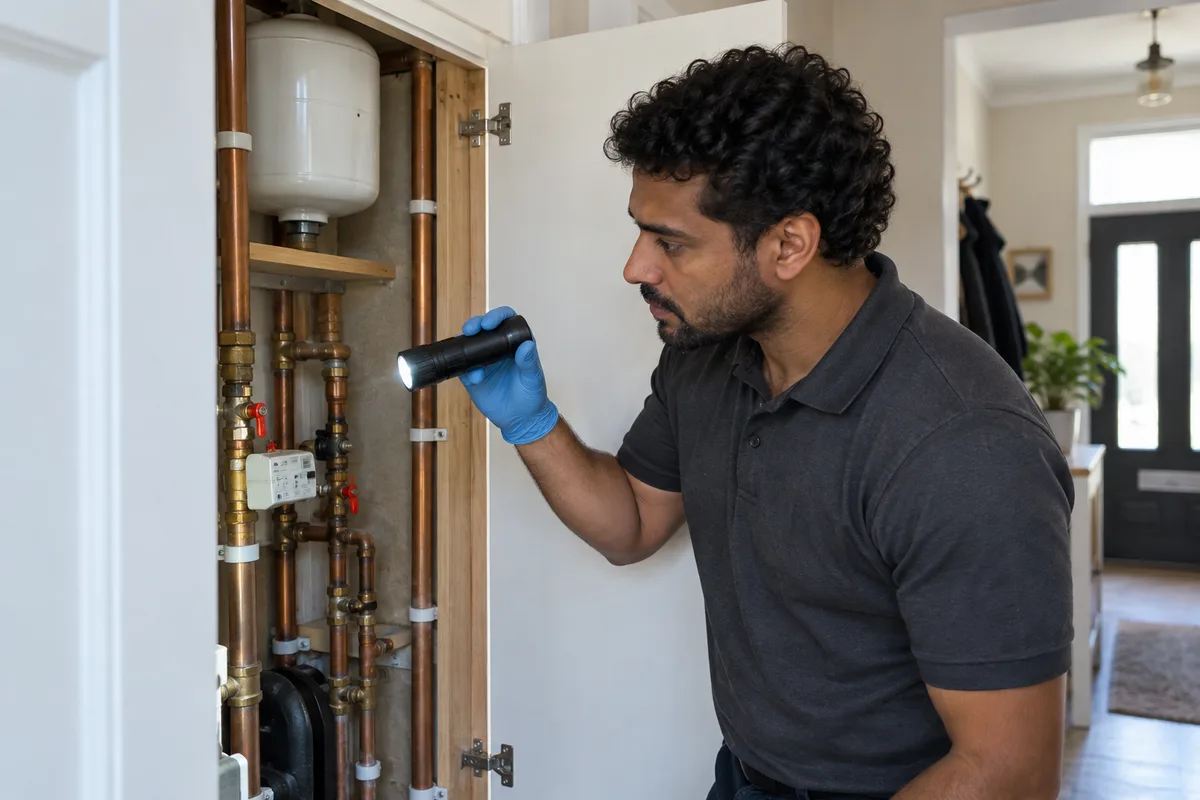
Plan the enquiry
A practical notice should give actions, not allegations
Shared access must have an owner
Keep the first report factual
Ask residents to describe what they saw, where they saw it and when. A picture of a physical sign is useful if taken safely and with its location recorded. Avoid circulating a claim that one household caused the problem. Cleanliness comments and neighbour disagreements are not pest identification. A factual collection of observations lets the provider assess whether there are related findings or several separate concerns requiring different inspection questions.
Haringey includes Tottenham in its placemaking resources. That local planning information does not establish pest activity in a specific building. For this enquiry, give the provider the exact address, entrances and spaces managed communally. A street name or broad neighbourhood label is insufficient where several blocks share a development. Explain whether the reported location is inside a flat, at a refuse area or in a corridor.
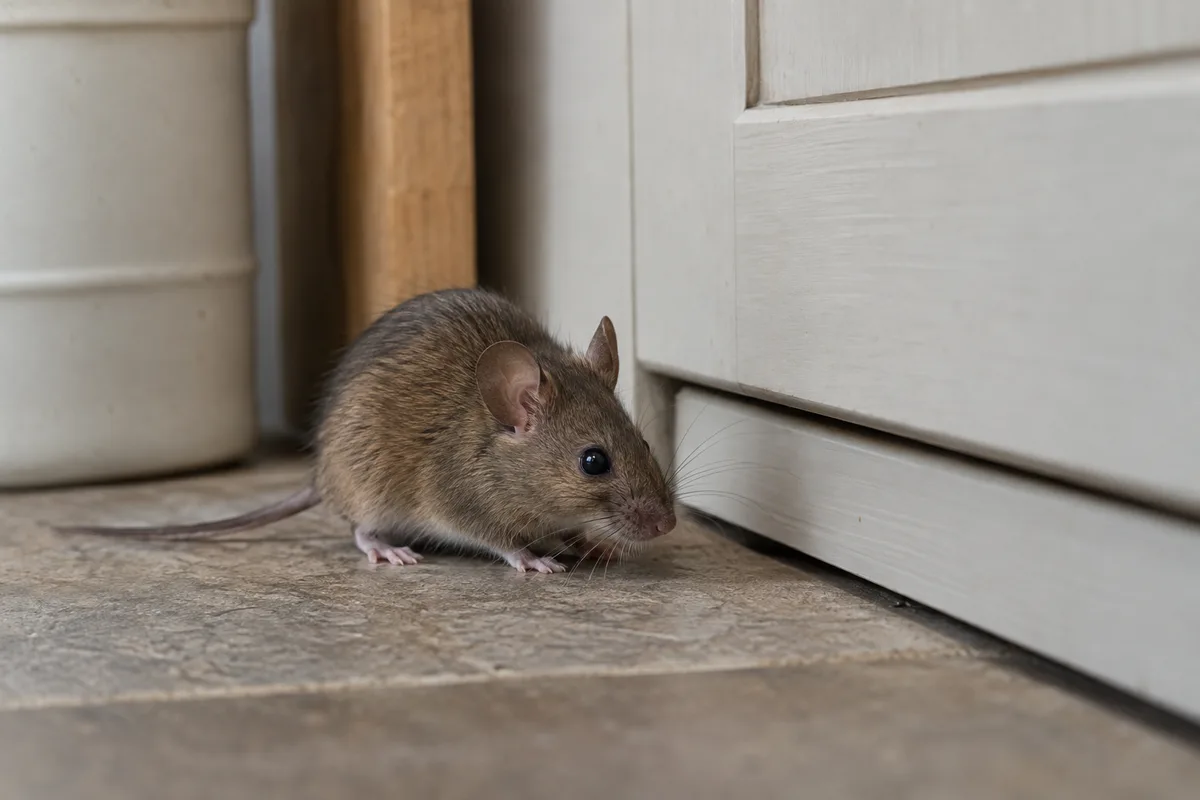
A practical notice should give actions, not allegations
If residents need to prepare a common route or arrange private access, write only the agreed instructions and a contact for questions. Name the space and date without suggesting that every household is affected. Avoid photographs of private rooms and claims about who caused the concern. People are more likely to provide useful observations when the process protects their privacy.
After the appointment, communicate the relevant next step: a defined repair request, further authorised access or a scheduled review. Distinguish a recommendation from completed work. If the manager is still waiting for a contractor, keep the unresolved task visible rather than reporting the building as fully dealt with. Residents can continue to record physical signs in their own locations while that work is arranged. This preserves an evidence-based sequence and reduces conflicting messages between households, management and providers.
Quick answers for residents
You do not need to enter another home to collect evidence. Report your own observations and let the responsible manager arrange any wider inspection with permission. Do not move suspect items into a communal hallway while waiting for advice. Keep food securely contained and accessible spillages addressed, but leave treatment and repair decisions to the agreed process. Residents should receive relevant preparation instructions directly if their rooms will be included.
An outdoor rodent observation can be discussed using our rat inspection information. Suspected activity around indoor kitchen supplies raises questions covered by the mouse assessment guide. Describe the evidence rather than assigning the same diagnosis to every flat. An insect found in one bedroom needs its own identification and should not be assumed to explain an unrelated sound elsewhere in the building.
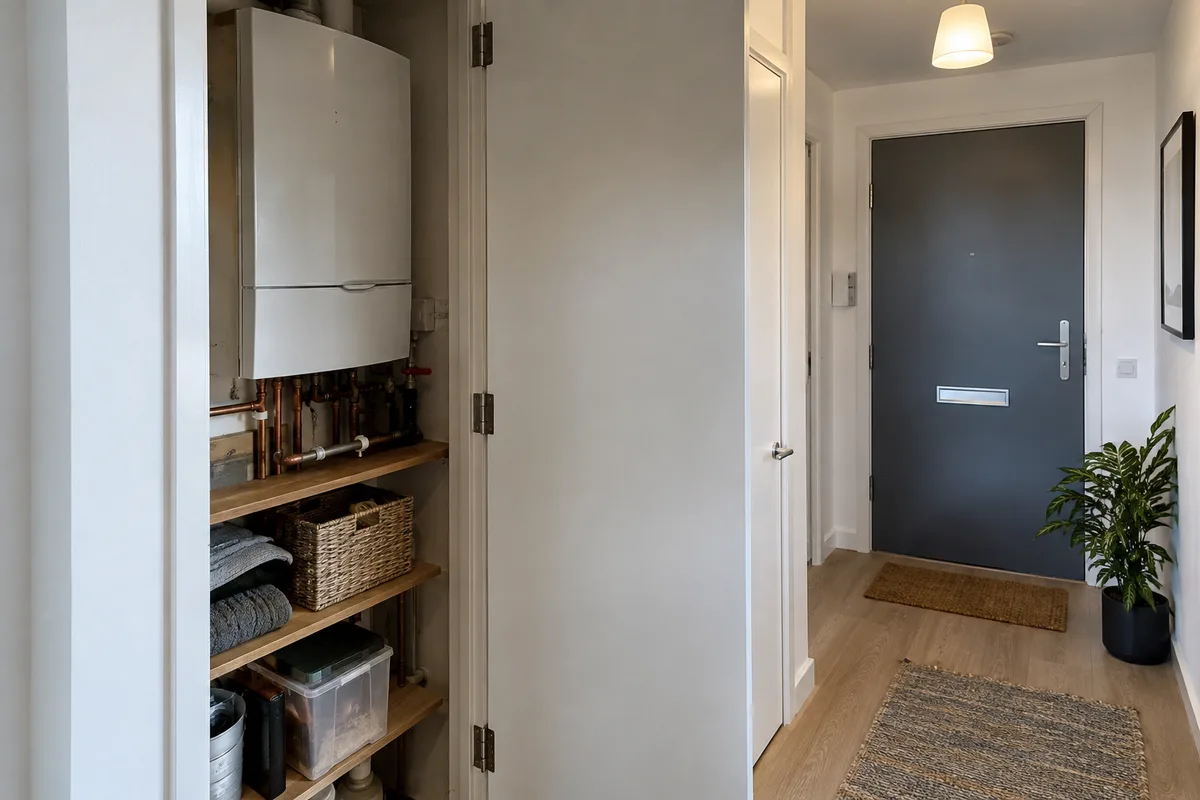
Shared access must have an owner
List the communal locations that might need inspection: waste store, service cupboard, rear passage or cellar. Identify who can authorise entry and unlock each area. A resident’s key may open the front door but not a facilities enclosure. Arrange the key holder for the appointment and disclose any spaces that cannot be reached. The findings should state those limits rather than imply that an entire block has been checked.
Keep private household details separate from the communal observation record. The manager may need to share a relevant location with the provider without distributing photographs of residents’ bedrooms to the whole building. Ask how inspection findings will be communicated to the people who need to act. A short practical notice about agreed preparation is useful; speculation about another occupier is not.
Treatment boundaries need to be visible
A programme in a shared waste area is not automatically treatment of all homes. Ask which places the recommendation covers, what evidence supports it and whether separate permissions are needed for individual flats. The person commissioning work should compare the scope, report and review arrangements rather than assume that every quote addresses the same parts of the property. Tell the provider about prior visits and products used by occupiers where relevant.
Our service guide for homes and managed premises can help structure these questions. For an urgent concern, explain actual signs and access rather than demanding a diagnosis by telephone. Ask which appointments can be confirmed and what preparation is required. Residents, caretakers and contractors may need different instructions, so establish who receives each set before work starts.
A common repair needs a clear handover
If an opening is identified in communal fabric, the manager should receive its exact location and the proposed next step. Our entry-route repair advice explains why material and service safety matter. Do not ask residents to pack shared electrical or ventilation openings. A maintenance contractor may need to complete the work, with permission and specialist advice appropriate to the structure.
After the visit, retain the dated observation log and record completed repairs. Ask residents to report fresh signs with the original level of detail rather than merely saying that nothing has changed. This gives the next review a usable chronology. Call with the Tottenham address, your management or occupancy role and the communal access arrangements to discuss a visit. The aim is a coordinated decision based on evidence, with individual privacy and repair responsibilities respected throughout.
Questions about pest control in Tottenham
Should residents inspect each other’s flats?
No. Share observations through the agreed contact and arrange authorised inspection access.
Can a communal treatment cover every home?
Not automatically; the recommendation and quote should name the areas included.
Is a neighbour complaint enough to identify the pest?
No. Actual signs and inspection evidence are needed.
Who can approve work in the shared cupboard?
Establish this with the owner or manager responsible for that space before booking.
Should the log include residents’ personal details?
Keep only information needed for assessment and arrange appropriate private communication of household findings.