
Pest control services in London, matched to your problem
You do not need to identify the pest or decide on a treatment before asking for help. Pest Xterminators helps arrange pest control in London for homes and businesses. Describe the signs, affected areas and property type, and we will help you understand the service to discuss and the next available appointment.
Start with what you have actually noticed ↓
Choosing the relevant service ↓
Inspection, treatment and prevention work together ↓
Homes and workplaces need different arrangements ↓
Start with what you have actually noticed
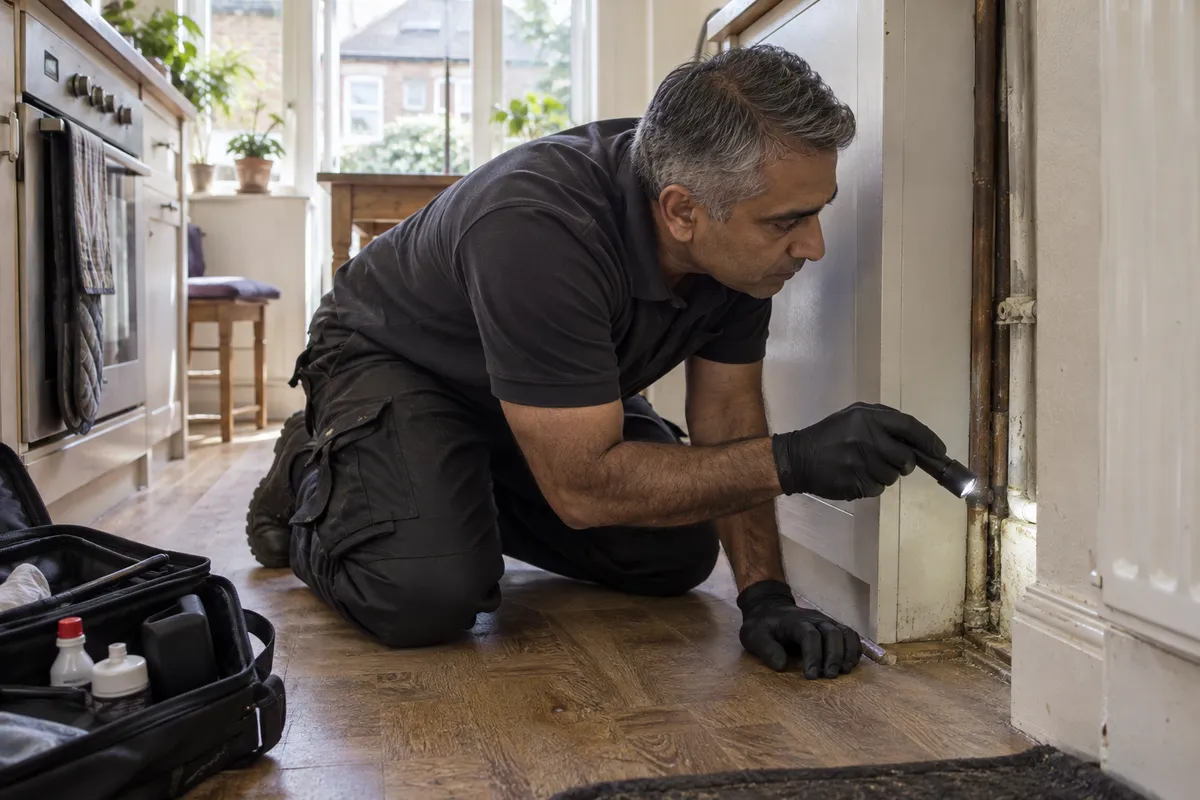
The most useful information is often simple: where activity appeared, when it started and whether it has repeated. A suspected insect, droppings, gnaw marks or sounds can all point the inspector towards an area that needs checking. Avoid assuming the species from one sign alone. Photographs taken from an accessible position can help explain the problem without handling material or disturbing the area.
Tell us whether the issue affects a bedroom, kitchen, garden, storage space or several parts of the building. This makes an enquiry more useful than requesting a treatment name picked from an advertisement. Inspection can then establish the evidence and appropriate scope.
Choosing the relevant service
Our core services cover mice, rats, bed bugs and cockroaches, with heat treatment and pest proofing also available for suitable situations. These are different problems and should not all receive the same approach. For example, a suspected bed bug issue needs room and evidence assessment, while rodent activity often raises questions about access routes and building conditions.
If the problem is not listed or you are uncertain what is present, call and describe it. Do not select a method simply because it is described as stronger or faster. The relevant question is what the inspection findings justify for your property.
Inspection, treatment and prevention work together
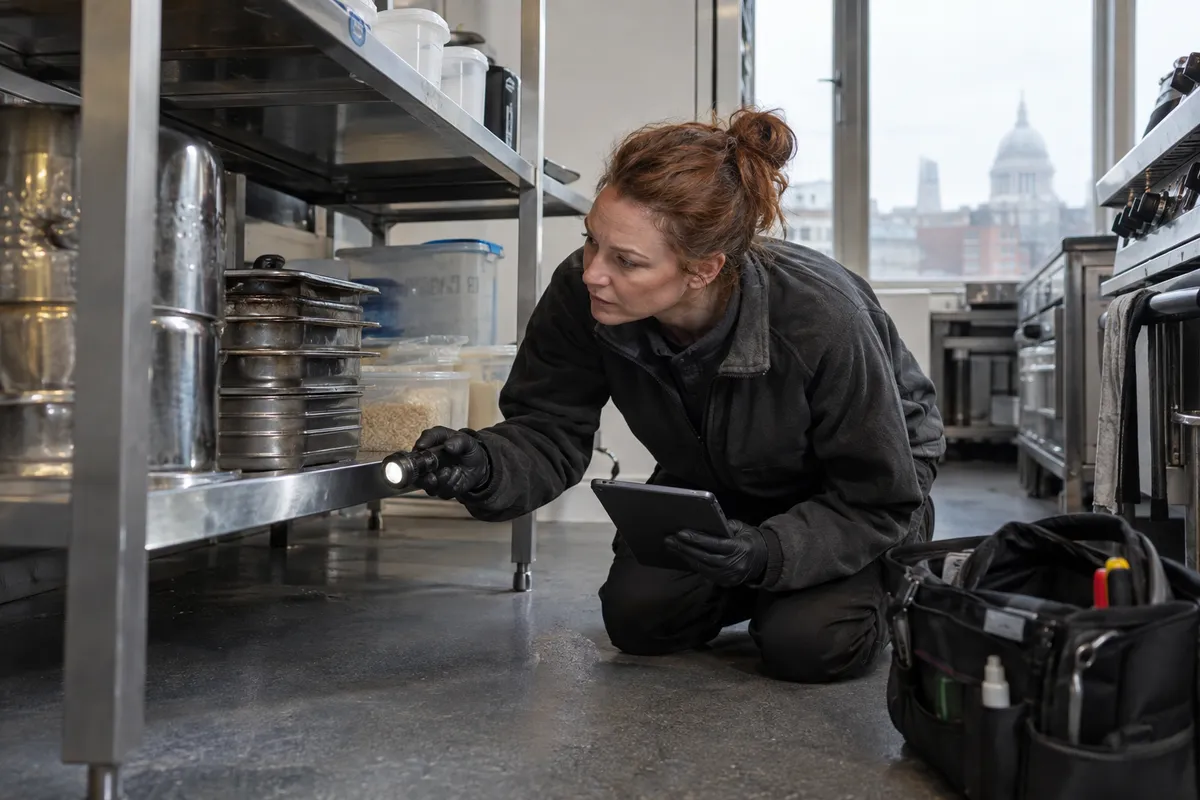
An inspection establishes what needs attention. Treatment addresses the assessed activity. Prevention recommendations consider routes or conditions that may contribute to a repeat problem. Ask the provider to distinguish these parts of the work so you know what is included and what requires a separate decision.
A repair recommendation is not necessarily part of a treatment quote, and a treatment visit does not automatically complete every maintenance task. Keep the findings and instructions available for anyone responsible for the building. If follow-up is proposed, confirm its purpose and timing. This gives you a practical programme rather than a collection of separate actions with no clear connection to the original problem.
Homes and workplaces need different arrangements
For a home, explain who uses the affected rooms, whether children or pets are present and any access or preparation concerns. For a workplace, discuss operating hours, staff access and the person responsible for authorising work. Food businesses may need to manage affected stock or surfaces under their own procedures while arranging pest attendance. Shared buildings can require cooperation between occupants and the managing agent.
Do not assume a treatment recommended for a different property applies unchanged. The scope should account for how your premises are used, which areas can be reached and what instructions can realistically be followed. Raise practical constraints before the visit so they can be addressed in the plan.
Emergency enquiries and same-day appointments
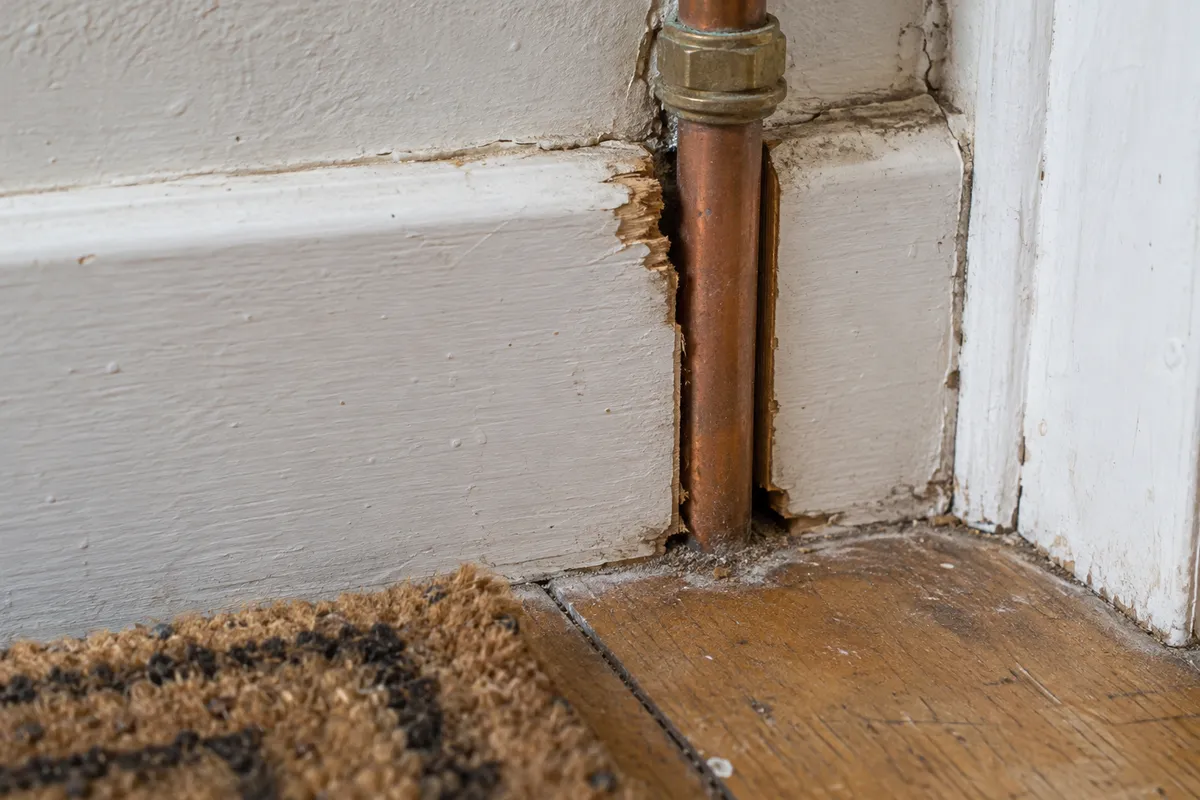
If activity is urgent, call rather than waiting for a non-urgent message to be read. Explain the affected area, your postcode and why the situation is time-sensitive. Emergency callouts and same-day availability are offered, but the actual appointment depends on scheduling, access and any preparation needed. Confirm the arrangements before relying on a visit taking place that day.
Urgency should not remove the need to identify the problem or explain the precautions for the proposed work. If the property cannot be accessed or the required preparation is incomplete, say so during the call. That helps establish a realistic next step without a promise the provider cannot confirm.
What makes a quote useful
Compare what is included, not just the final number. Ask whether the quote covers inspection, the assessed treatment areas, monitoring, return visits and any proofing. Clarify preparation responsibilities and the process for reporting further activity. Treatment costs depend on the pest, site and scope; a single price cannot describe every London property.
If a guarantee is offered, request its conditions in writing rather than assuming it covers all circumstances. After the appointment, keep notes of observations with dates and locations and follow the provider’s instructions. If you are unsure about something in the report or booking, contact us with the reference so the question can be considered against the actual agreed work.
Before accepting a proposal, use the Clerkenwell scope-reading guide to check locations, reporting and approval of extras. The Westminster commissioning examples separate inspection, treatment approval and maintenance.
Questions about pest control
Can I call without knowing which pest it is?
Yes. Explain the signs and affected location. An inspection can help identify what is present, and you do not have to choose products or a treatment method before asking for an appointment.
Will every service involve chemicals?
The approach depends on the problem and inspection. Ask the provider to explain the proposed method, why it is suitable and what precautions or preparation apply; avoid assuming one method is used for every pest.
How do I arrange a visit?
Call 020 4579 9781 with your postcode, property type and the signs you have noticed. Availability, the relevant assessment and information needed for a quote can then be discussed.