
Pest Control Walthamstow
A second-hand item or furniture move can make people suspect pests before anything is identified. Record the actual finding and get handling advice before transferring the item again.
Keep the item’s location and movement history
Seek evidence before discarding furniture
Avoid moving suspect items into clean rooms
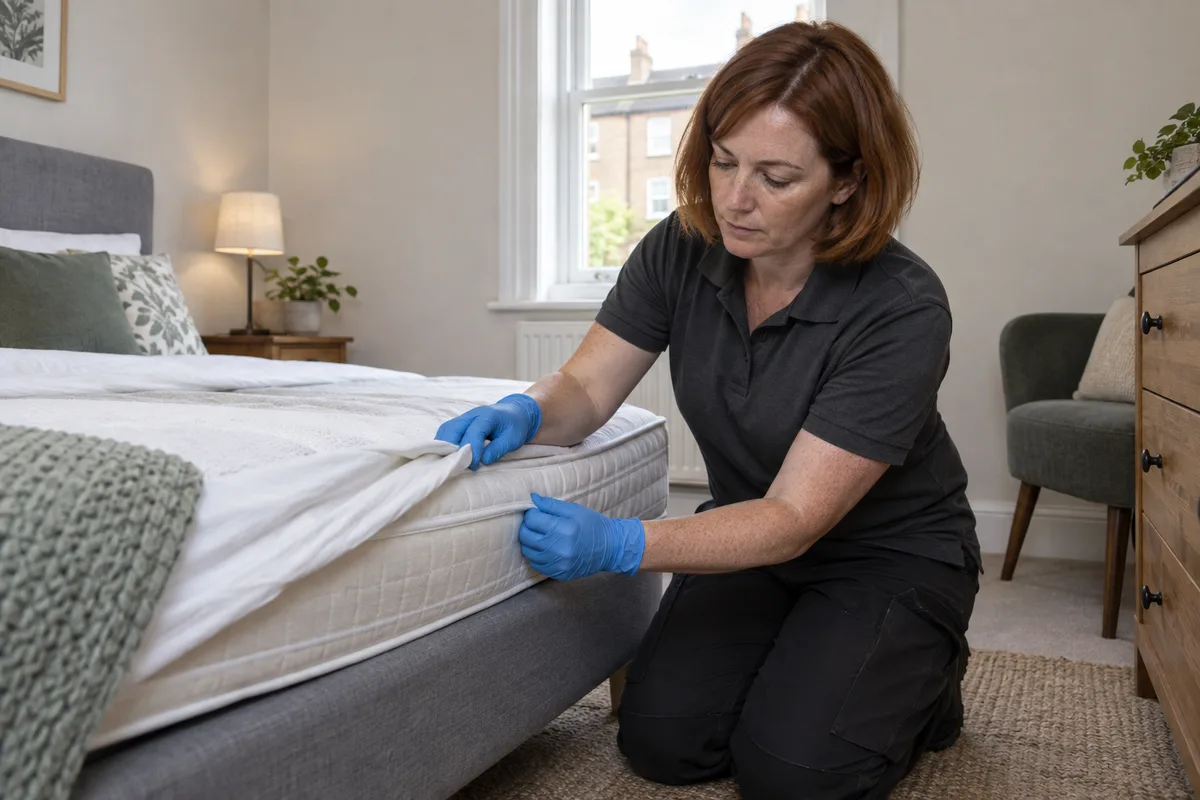
The movement history is context, not a verdict
Explain when the item arrived, where it has been placed and what was noticed. A recent purchase or room rearrangement may be useful context, but it does not prove the item introduced a pest. Avoid accusing a seller or previous occupier without evidence. Photograph visible insects or signs in their current position where safe, and take a wider view showing the piece of furniture. Do not remove it into a hallway simply to get better lighting.
Waltham Forest publishes information on Walthamstow Village conservation area and other local building designations. If inspection later identifies a building repair, check the individual property’s requirements. For a furniture concern, the relevant first details are the room, access route and actual evidence. The appearance of a street or property does not determine the identity of an insect found on a chair or bed.
What needs identification?
Skin reactions alone cannot establish that furniture contains bed bugs. An insect, mark or other physical finding needs assessment. Our bedroom evidence and identification guide explains why inspection should consider the room as well as a single object. Tell the provider if similar findings occur elsewhere, with dates and separate locations. Do not turn one ambiguous mark into a claim that every item in the home is affected.
A rodent sign in a storage room is a different concern. Read the mouse assessment information where damaged packaging or suspected droppings are involved, and report it separately from any insect on furniture. The service recommendation should follow the evidence. If you have applied a household spray or cleaned the item already, disclose what was used and where.
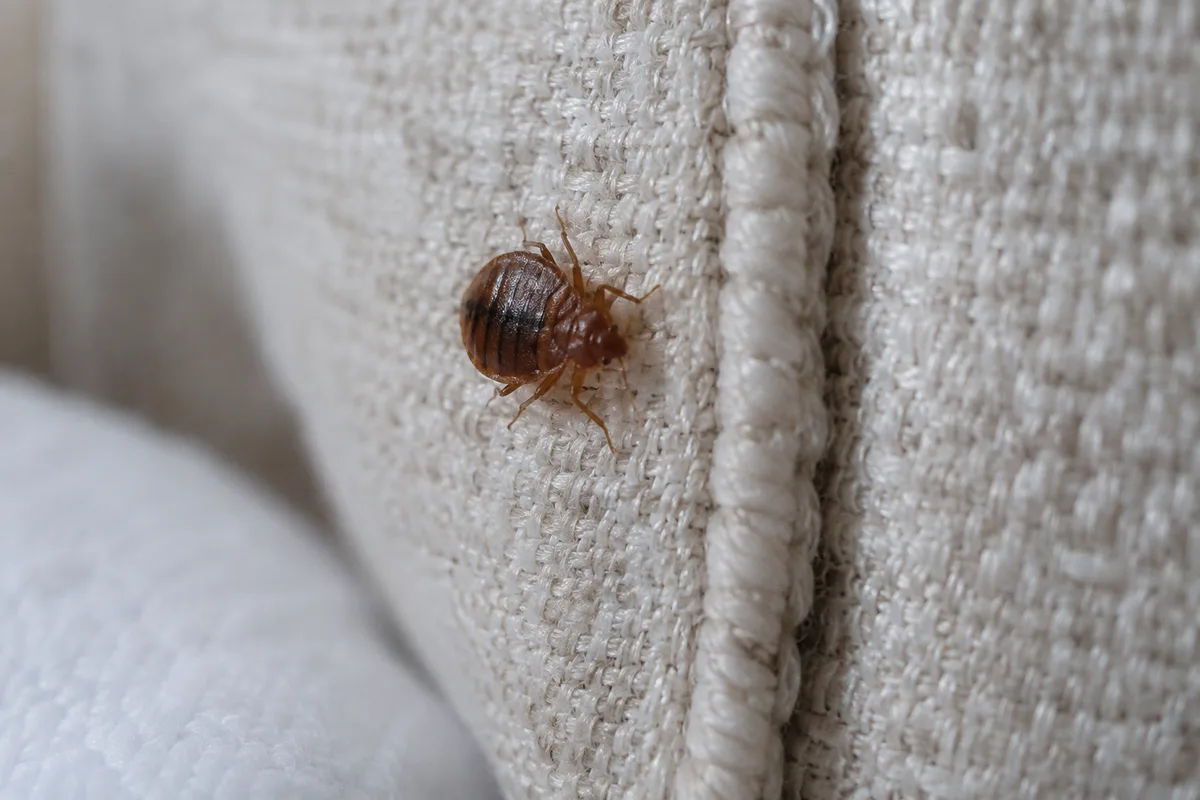
Keep transfers controlled while waiting for advice
Ask how the item and nearby belongings should be handled before moving them. Carrying a suspect piece through several rooms or lending it to somebody else can make the situation harder to assess. Do not donate or discard it without advice about whether removal is necessary and how it should be managed. A large item may also need safe movement arrangements; a pest appointment does not automatically include furniture transport.
If the property has shared corridors or stairs, mention them when booking. The provider needs to plan access without blocking other occupiers’ routes. In a rented home, establish who approves treatment and whether the landlord needs the findings. Household possessions and common building fabric remain separate responsibilities, so make clear whether the enquiry concerns an item you own or a furnished rental room.
Keep any collection or disposal record if removal is advised. It should identify the item and date, so a follow-up assessment can understand what remains in the room rather than assume all original furniture is still available to inspect.
Make removal a considered decision
If the provider recommends disposal, ask how the item should be prepared and moved through the property. Plan the route, any shared access and appropriate collection arrangements rather than leaving furniture outside for somebody else to take. The decision should relate to the identified concern and the programme, not simply the item’s age or origin.
If it can remain, ask what access around it is needed and which handling instructions apply. Keep those directions with the room record so another household member does not move or lend the item during treatment. A change in furniture location can matter to follow-up, so record it when authorised. These questions give you a usable choice between appropriate treatment, controlled movement or justified removal without treating immediate disposal as the only response to an uncertain sign.
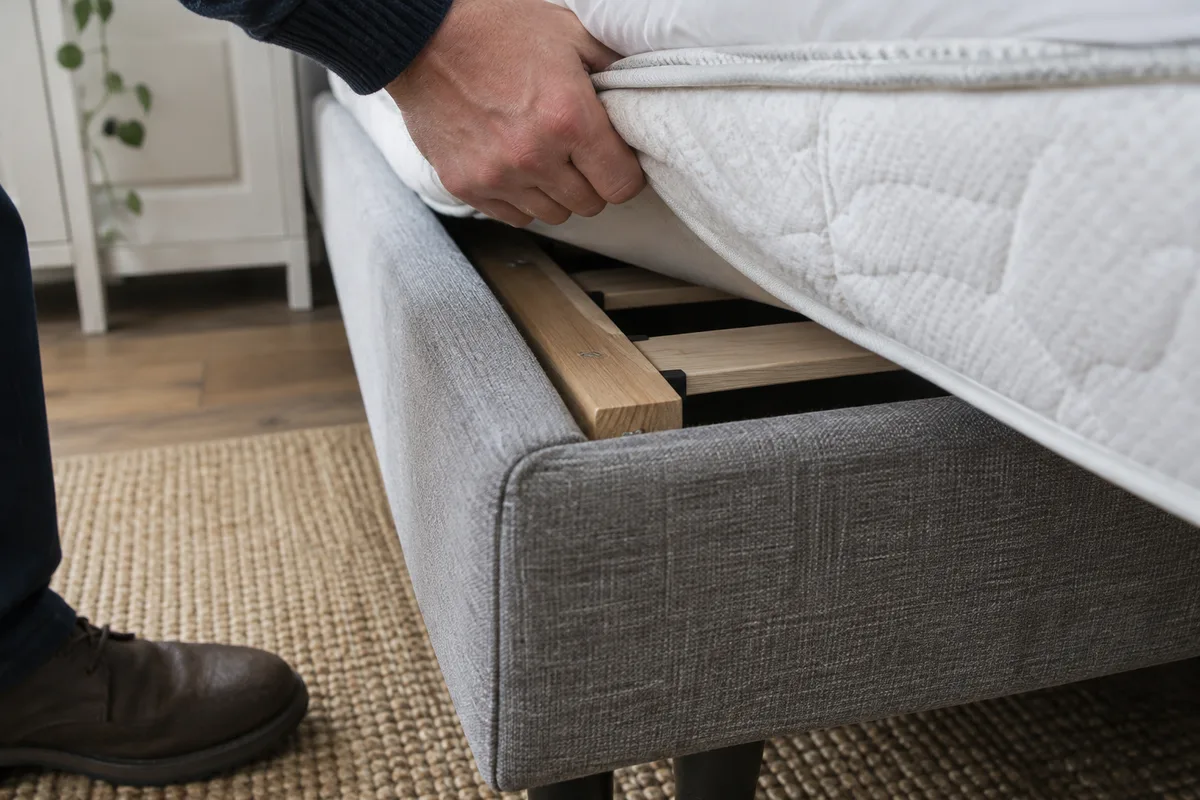
Preparation depends on the assessed method
The heat treatment guide explains questions about belongings, room suitability and equipment. Do not attempt to heat furniture with domestic heaters or combine advice from unrelated methods. A professional recommendation should set out what preparation is required for the specific room and item. Ask which possessions need separate handling and how the agreed space will be used afterwards.
Where another treatment is proposed, clarify the same scope and aftercare questions. Is the item included? Which surrounding areas need attention? What review is planned? Establish how extra findings during inspection will be agreed rather than assuming the quote covers every room. The occupier should receive instructions directly, even when another person pays for the service.
Know what to observe after the visit
Follow the provider’s advice about room use, cleaning and returning belongings to normal storage. Do not judge the outcome only by whether somebody reports a new skin reaction. Ask which physical evidence matters and when it should be reported. Keep dated photographs of fresh findings without counting the same old mark repeatedly. If furniture is moved as part of an authorised plan, record the date and destination.
Our service information can help organise the enquiry. Call with your Walthamstow postcode, item history and actual observations to discuss availability. Explain stairs and any shared access. The useful result is an assessment that establishes what is present and gives clear handling decisions. It should help you avoid unnecessary disposal while keeping a justified treatment plan manageable, with evidence that can be compared at follow-up rather than lost during repeated furniture moves.
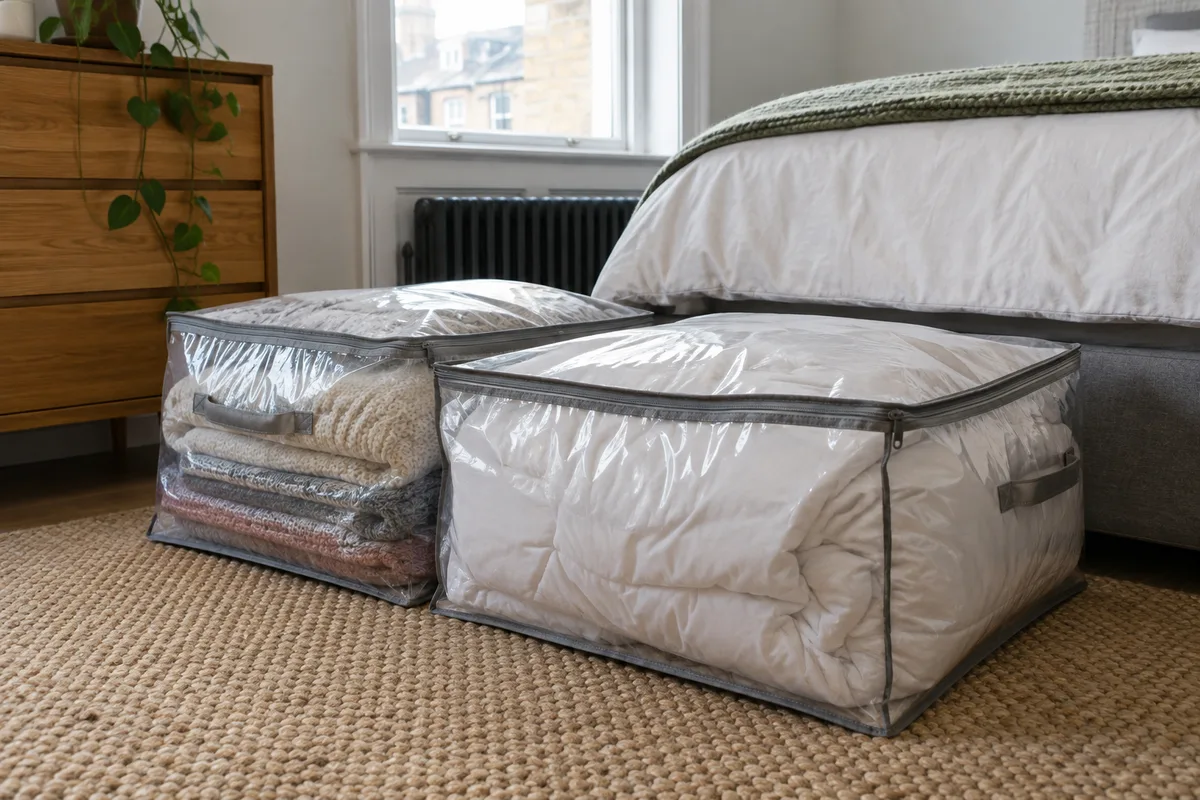
Questions about pest control in Walthamstow
Does a second-hand item automatically mean bed bugs?
No. The item history is context; physical evidence and assessment are needed.
Should the item go into the communal hall?
Ask for handling advice first and avoid moving suspect belongings into shared routes.
Can I donate it if I no longer want it?
Seek assessment and appropriate handling advice before passing potentially affected furniture to another person.
Does heat treatment include every possession?
Check the preparation and scope; suitability and item handling need specific instructions.
How should I record an authorised move?
Note the date, original room and destination alongside the inspection and treatment record.