
Pest Control Dalston
Living above a shop does not make the business responsible for every pest sign upstairs. Start with what is happening in your rooms and identify who controls any shared routes.
Use the residential entrance in booking details
Keep each unit’s evidence identifiable
Agree the contact for common-building defects

Describe the upstairs home on its own terms
Give the provider the correct entrance and floor, especially if the postal address also appears on a business frontage. Explain stairs, locked doors and the rooms where evidence has been found. A sighting upstairs should be recorded with its date and location, not folded into a general complaint about the shop. If you have only heard a noise near the dividing floor, say that clearly and report any physical signs separately.
Hackney’s Dalston planning material involves residents and businesses, and the council lists Dalston conservation areas. This supports a practical question about different property occupiers, not a claim that mixed premises cause infestations. Check the specific address for any alteration constraints if a repair is recommended. The initial inspection still needs your actual observations and the accessible layout rather than assumptions about all flats above local shops.
Reports downstairs are useful context
Ask the business contact what was actually observed and when, if they are willing to share it. Avoid repeating an unverified claim that the unit has a particular pest. Similar evidence in separate premises may justify coordinated inspection, but each occupier must agree access and scope. A private bedroom should not be included simply because the business manager has commissioned a ground-floor visit.
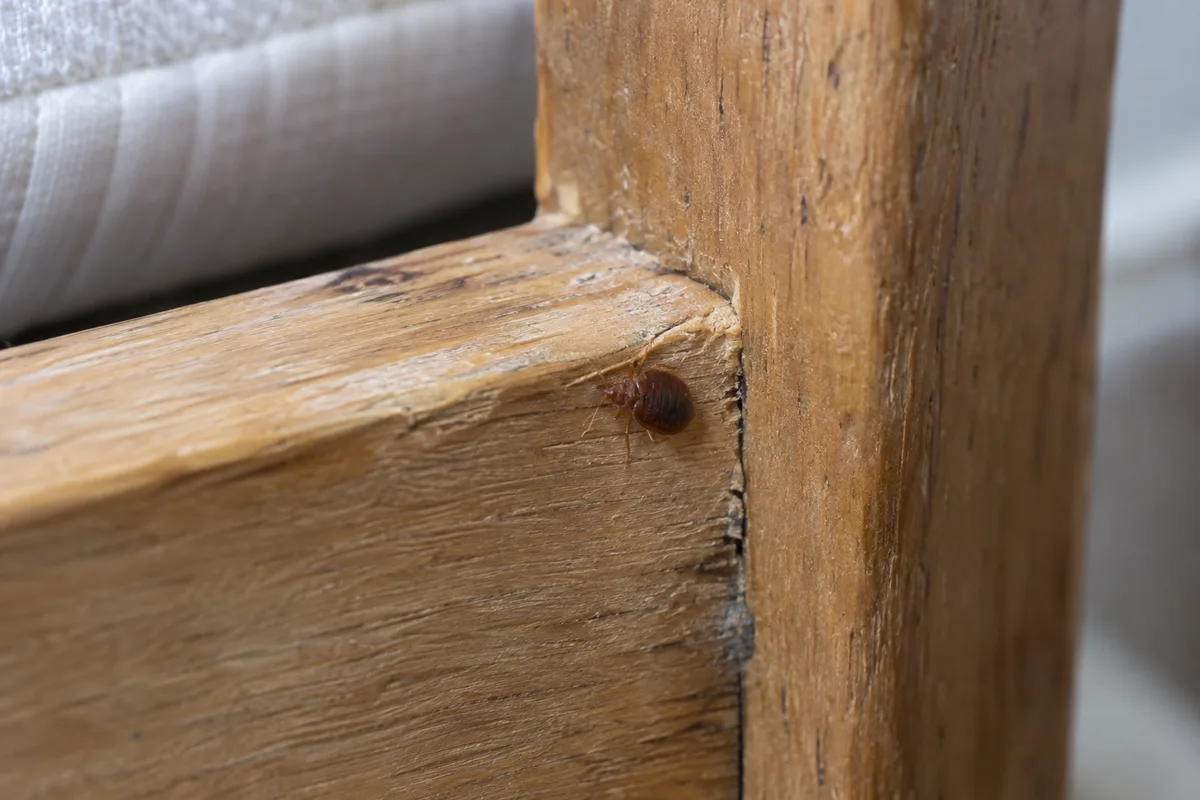
For suspected rodents, the mouse inspection guide explains useful room and food-storage observations. Larger rodent evidence can be discussed using the rat assessment information. An insect in sleeping areas may require the bed bug identification guide instead. Distinguishing these concerns avoids making every report in the building part of a single unsupported diagnosis.
Choose the contact for the connection
A service opening may be visible inside your flat but continue into a communal void. Identify the landlord, freeholder or manager who controls the common fabric. Ask for an inspection finding that records the precise location and any access limit. That person can then arrange wider assessment where justified. Do not remove panels or enter the business store to search for the other end of a suspected route.
The residential occupier and business operator may have different landlords or different authority to approve work. Establish those boundaries before booking combined access. A simple diagram with the entrances and shared spaces can help the provider understand the practical arrangement. It should show which areas can be reached, not pretend to map unseen routes that have not been inspected.
Where the shop and home have different repair contractors, send each the finding relevant to their authorised work. The common owner should retain a coherent record of any shared opening rather than assume separate invoices show a coordinated repair.
Give each occupier a clear reporting channel
Agree whether household observations go directly to the provider or through the owner, and how relevant common-building findings reach the business contact. Keep private room photographs out of a shared business chat. A coordinated plan does not require every occupier to see every detail; it requires the right person to receive the finding they can act on.
If one unit has a scheduled review, explain whether access to another is also agreed or remains outstanding. Record repair dates in the common fabric and retain separate treatment instructions for each premises. A new upstairs sign should include its room and date rather than be reported as more trouble downstairs. This small communication plan helps distinguish ongoing evidence from rumours and allows the provider to recommend a useful next step without guessing which permissions or parts of the building are available.

Keep treatment instructions separate where needed
The quote should name the areas covered and explain what recommendation applies to each. Business stock, food equipment and household belongings create different preparation questions. Ask who receives the instructions and who can approve additional work if new findings emerge. An invoice sent to the building owner is not enough to ensure that a resident understands cleaning, room-use or pet precautions.
If access can only occur outside business hours, explain that when asking about availability. Do not assume a preferred time or emergency arrival promise. Where one unit cannot be opened, the report should state that it remains uninspected. A completed programme in the shop does not establish the condition of the upstairs home, even when both areas form part of the same property address.
A shared repair should have an accountable record
Our guide to repairing entry routes explains why openings need appropriate materials and an understanding of services. Ask the responsible manager who will commission the repair and how completion will be recorded. Ventilation and maintenance access must remain usable. Occupiers should not improvise alterations to communal electrical or plumbing enclosures in an attempt to close every visible gap.
After treatment or repairs, keep separate room records and share relevant new findings through the agreed contacts. A new observation upstairs should identify its position rather than simply refer to a continuing building problem. Call with your Dalston postcode, floor, residential entrance and actual evidence to discuss a visit. A coordinated plan is valuable when it respects those boundaries, establishes what is present and gives each occupier clear actions, without assigning blame or identical treatment across unrelated spaces.

Questions about pest control in Dalston
Is the shop automatically responsible for upstairs pest signs?
No. Evidence, property responsibilities and inspection findings need to be considered rather than assumed.
Can the business manager approve my bedroom treatment?
Only with appropriate authority and consent. Agree the residential scope separately.
What address details should I give?
Include the full postcode, floor and residential entrance so the technician can reach the correct premises.
Can both units be inspected during one visit?
Ask after consent, access and the separate preparation requirements have been agreed.
Who deals with a communal service opening?
Identify the owner or manager responsible for the common fabric and give them the relevant findings.