
Pest Control Stoke Newington
A neighbour noticing signs can help an investigation, but it cannot identify the problem in your home. Keep the reports precise and coordinate access only where it is justified.
Ask what was actually observed
Record your own rooms separately
Leave shared work to an authorised contact
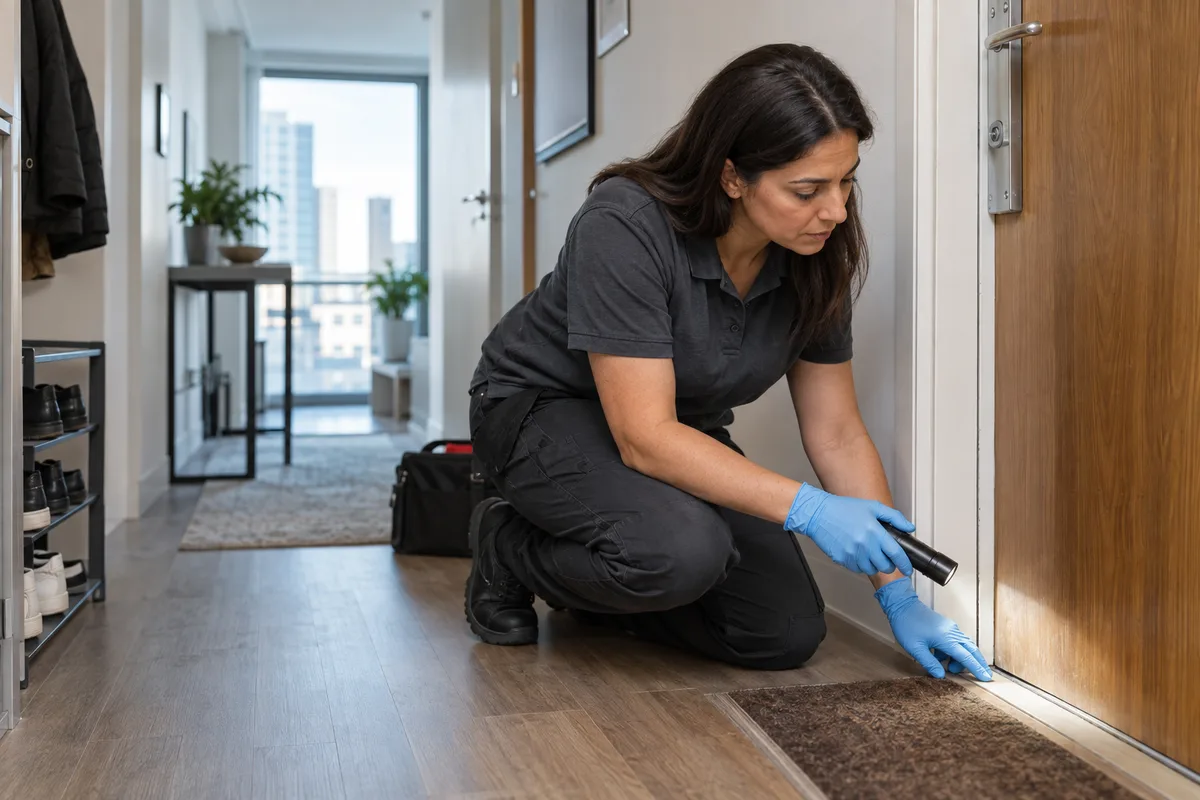
Begin with a conversation that preserves facts
Ask where the neighbour saw the sign and when, rather than simply whether they have pests. A dated photograph or description of a sighting is useful context. A rumour about another street or an old treatment does not establish current activity next door. Record your own evidence separately, including room, date and whether the finding has recurred. The provider can then consider whether the observations suggest a connection worth inspecting.
Hackney’s Stoke Newington conservation material discusses historic commercial streets. For an individual property, check the council’s map and relevant requirements before altering external fabric. That local context may affect a proposed repair, but it cannot prove a shared infestation. An inspection should deal with the actual address and accessible building arrangement, not assume that every home along a named street has the same route or problem.
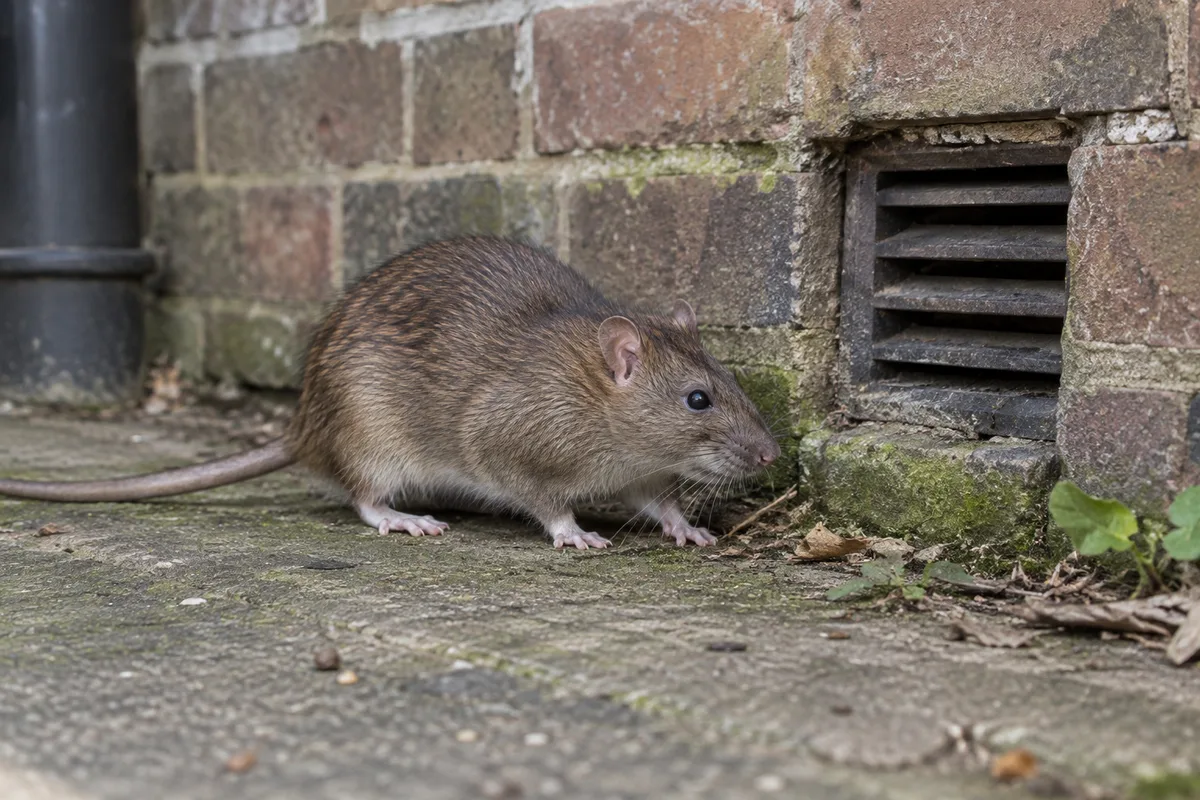
Useful neighbour coordination has limits
You can share relevant observations without entering another household’s rooms or distributing personal photographs widely. Each occupier should decide what evidence to supply and agree any inspection access. If several homes use a common passage or waste area, identify the person responsible for it. A suspected route across a boundary needs a clear access discussion, not an instruction for residents to remove panels or fence sections themselves.
The mouse assessment guide explains why indoor evidence and accessible openings matter. For outdoor larger-rodent concerns, our rat inspection information provides different questions. Avoid assigning the same species to every report because one neighbour has used a particular product. Tell the provider about actual findings and previous work in each property where that information is available.
A home and nearby business may need separate plans
If the concern involves a shop or workplace beside residential premises, identify the business operator as a separate contact. Their stock, equipment and operating restrictions may change preparation and timing. Residential occupants need instructions for their own rooms and belongings. A combined visit can be discussed, but its coverage and permissions should remain visible. Access to a rear business door is not access to an adjoining private home.
Our residential and business service information can help frame those enquiries. Compare what a quote includes and what remains outside it. Ask for any uninspected areas to be recorded rather than expecting a broad statement that the neighbourhood has been checked. The provider should explain the evidence for each recommendation, especially where one occupier’s observations differ from another’s.
Keep neighbour context dated. An observation made before a repair should not be repeated afterwards as though it demonstrates new activity. Ask what actually changed before forwarding the report for review.
Keep a boundary concern within its evidence
A gap or sighting beside a boundary does not establish which property is the source. Record the accessible position and let the inspection findings guide any request for further access. If a neighbour agrees to assessment, make their consent and scope explicit. Do not enter their garden or alter a shared structure based only on an assumption about where an animal travelled.
Keep completed work distinguishable on each side. A repair in one home may have a specific purpose and should not be described as proof that every connected route is closed. Share only relevant dates and findings through the agreed contact. If observations differ, preserve the difference rather than force them into a single diagnosis. This supports useful coordination while protecting each occupier’s decisions and makes a later review more informative than a general statement that the street still has the same problem.

Inspection findings should guide any shared repair
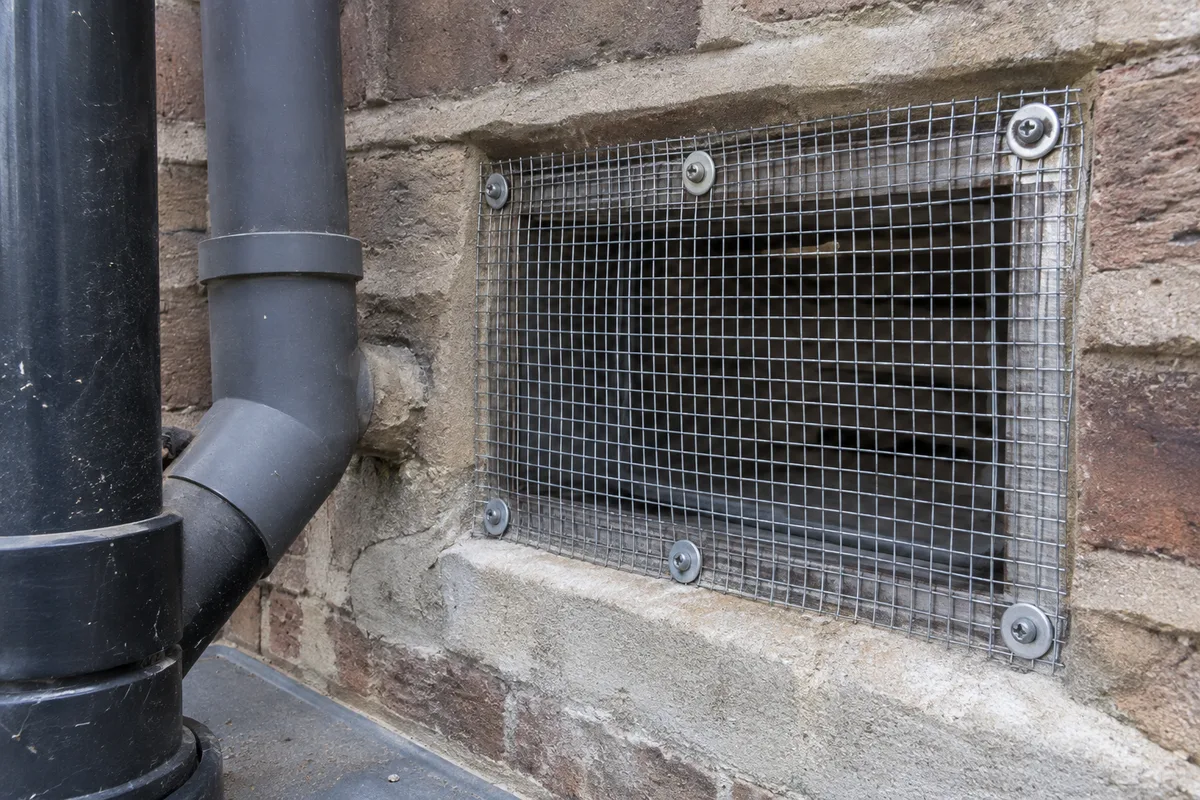
A gap on your side of a wall may not show how a route continues. Request a precise location, contextual photograph where appropriate and an explanation of what was accessible. The responsible owner or manager can use that record to arrange further investigation. Do not block an opening indiscriminately; it may serve ventilation or maintenance. The proofing guide explains why repair material and building function matter.
If one household completes a repair while another waits for permission, keep the dates clear. The provider can then assess fresh signs against the actual work completed rather than a vague report that the neighbours have dealt with it. An agreed communication contact can reduce confusion, but should not take over decisions that belong to each property owner or occupier.
Report the outcome without turning it into a rumour
Follow the instructions for any treatment and ask what evidence should be supplied before the review. A continuing sound is worth reporting, but distinguish it from new physical signs. Keep personal household information private while sharing relevant location and timing with the agreed contact. Do not post an unsupported claim that a neighbour’s home is the source simply because your observation has returned.
Prevention inside your own property still has a role: secure accessible food, address spillages and report damaged waste storage to the responsible person. These routines complement identified repairs rather than replace them. Call with your Stoke Newington postcode, your own observations and any factual neighbour context to ask about an appointment. The useful result is a defined assessment and practical next steps, with coordination where evidence supports it and separate decisions where different premises need different attention.
Questions about pest control in Stoke Newington
Does a neighbour’s treatment mean I need the same method?
No. Your evidence and property conditions need assessment before a recommendation is made.
Can I collect photographs from everyone on the street?
Share only relevant information with consent and avoid unnecessary personal details or speculation.
Who should arrange access to a common passage?
Identify the owner or manager responsible for that space and agree permission and keys.
Can adjacent homes book together?
Ask about coordination after each occupier has agreed scope, access and preparation.
What if our findings look different?
Report them separately so the provider can consider whether they concern different pests or unrelated issues.