
Pest Control Hackney
A problem noticed after maintenance is worth investigating, but timing alone does not prove the work caused it. Record the change and the evidence so an inspection can test the connection.
Keep the maintenance dates and locations
Photograph actual new signs
Avoid sealing openings before their purpose is known
Plan the enquiry
What changed, and what have you found?
Keep a before-and-after record for the relevant change
Useful evidence can survive a tidy-up
Do not undo the work to investigate it
What changed, and what have you found?
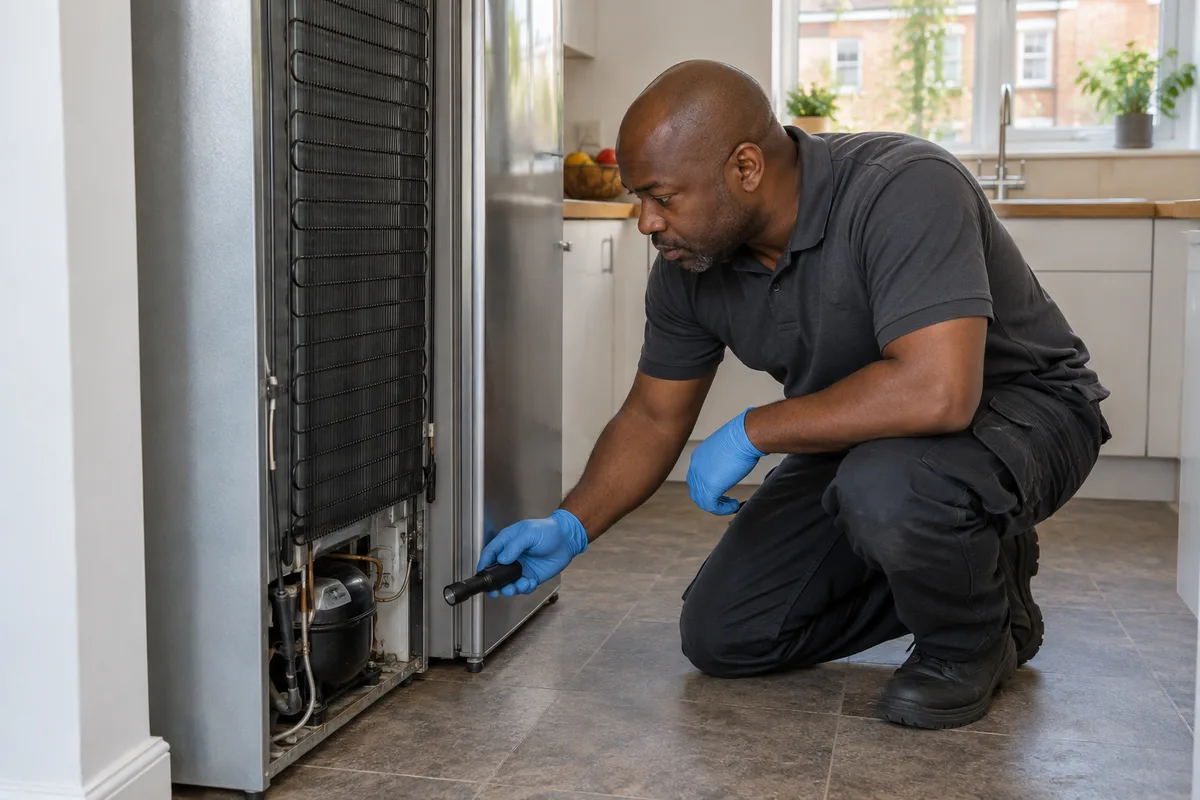
Write down the work carried out, the rooms involved and when the first sign appeared. A plumbing visit, new cupboard or replacement door may be relevant context, but none confirms an entry route without assessment. Record the physical finding separately from your explanation of it. If the concern is a sound, give its location and timing rather than treating it as proof of an animal disturbed by the work.
Hackney Council provides conservation-area maps and local planning information. If a follow-on repair affects a protected feature or external fabric, the individual property needs checking. That planning question is separate from establishing why the signs appeared. The first pest enquiry should describe your actual home or workplace, its accessible rooms and what has changed, rather than assume the same maintenance issue applies across Hackney.
Keep a before-and-after record for the relevant change
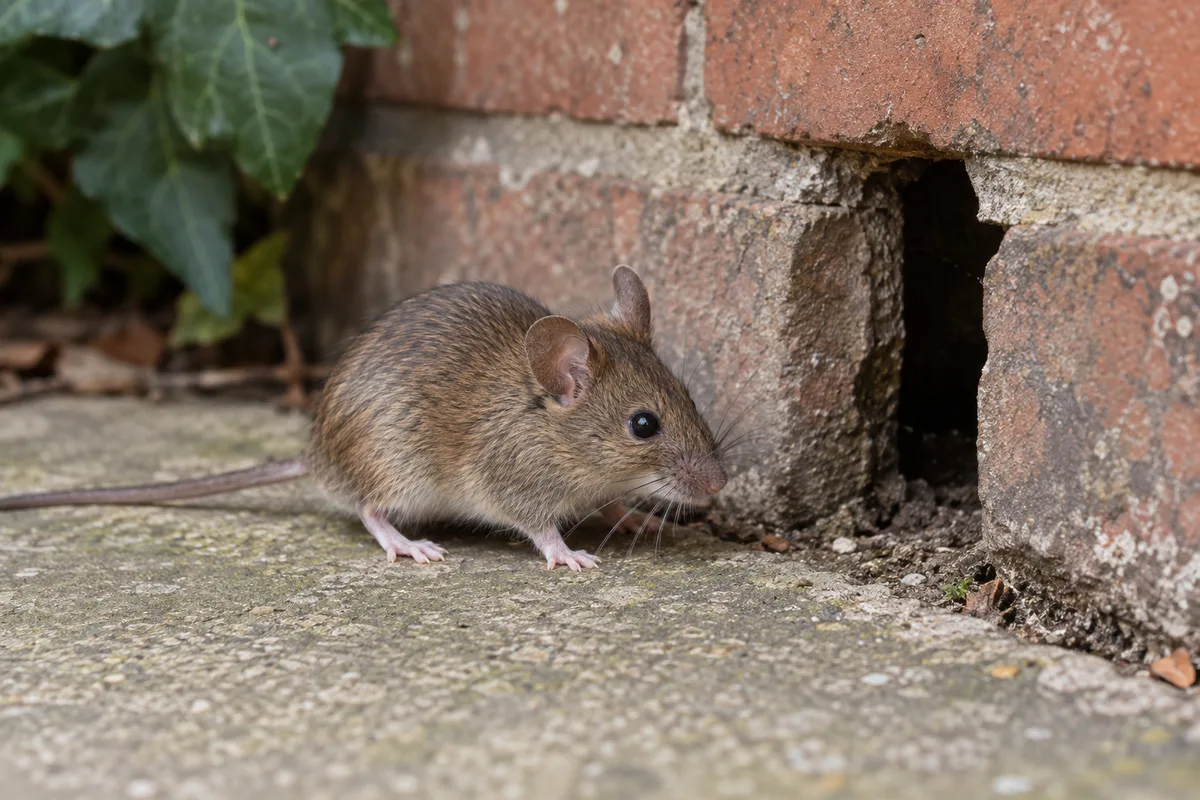
Where an owner has photographs from the maintenance work, compare them with the current accessible surface and inspection finding. The comparison should identify what changed, not be used as proof that the contractor caused a pest problem. A missing panel, altered pipe opening or refitted door may suggest a useful place to inspect while the diagnosis remains open.
Ask any follow-on contractor to describe the repair actually completed and date it. Save this beside the pest record rather than relying on a message saying all gaps were sealed. If an identified location was not repaired, keep it as an outstanding task. During the review period, record fresh physical evidence separately from old construction debris. This produces a coherent history for the next visit and avoids repeating a restricted assessment simply because the relevant maintenance information was never handed over.
Useful evidence can survive a tidy-up
Photograph signs before cleaning, including a wider view that locates them beside the altered surface or fitting. Ask for appropriate cleaning advice and do not consume potentially affected food. Keep the original images rather than repeatedly sending a cropped picture with no date. If evidence appears again after the area has been cleaned, record that as a new observation. This helps distinguish recurring activity from debris left by the building work.
Our mouse evidence and monitoring guide can help with suspected small rodent signs. If an insect appears near equipment, the cockroach inspection advice may be relevant, but identification should not be assumed. Explain any products applied since the discovery. A provider needs to know that a new spray has been used, not only that recent maintenance took place.
Do not undo the work to investigate it
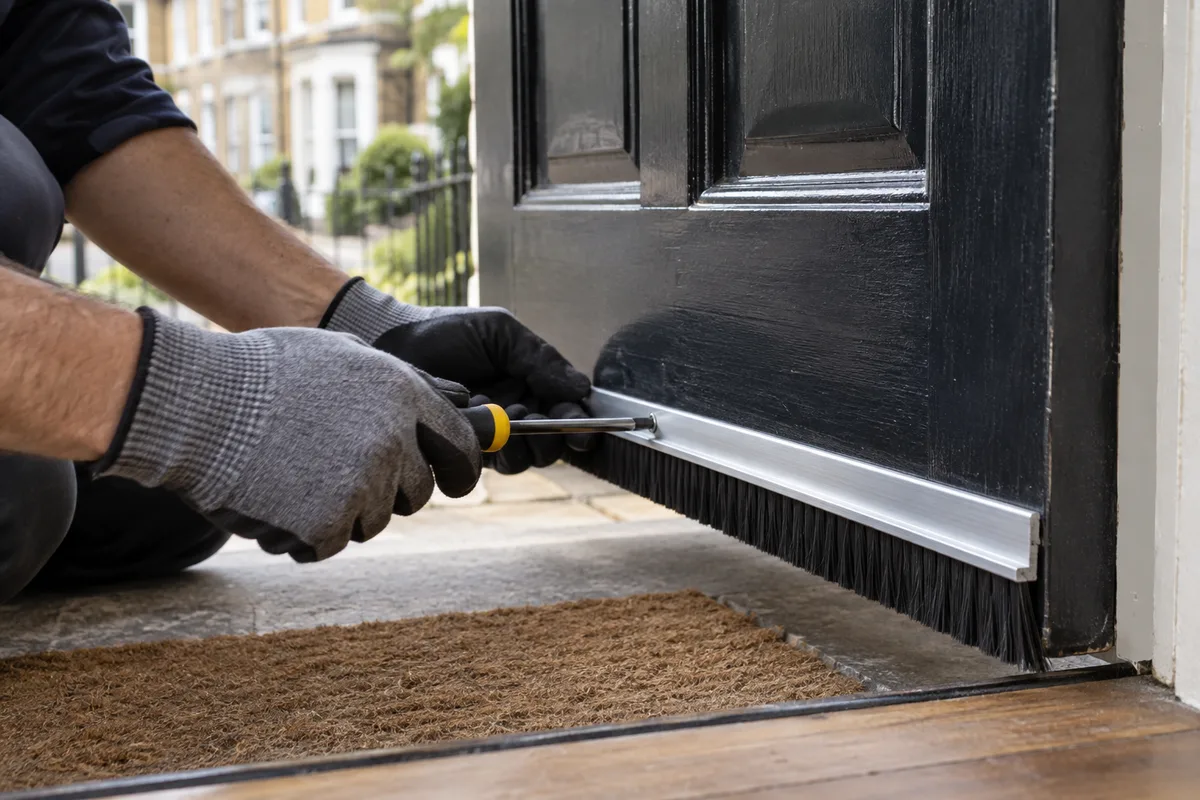
Opening a wall or pulling off a fitted panel can expose services and create a new problem. Tell the provider what was altered and ask what access the inspection needs. A maintenance contractor may be required to remove a panel safely, with the pest assessment following afterwards. Establish who authorises that work and whether the original contractor has a useful completion record or photograph.
If the property is rented, share the evidence and dates with the owner or managing agent. Keep the request factual rather than stating that the contractor caused an infestation. The owner can commission suitable assessment and decide how any identified defect should be repaired. Where work concerns communal services, an individual occupier should not arrange unauthorised dismantling simply because signs were first noticed inside their room.
The treatment recommendation should stand on its evidence
Ask what has been identified, which areas need attention and what remained inaccessible. A recent building change may explain where to inspect, but the recommendation still needs to fit the actual pest and findings. Our service information can help organise questions about the visit scope, treatment if justified and review. Compare those details rather than treating every general pest quote as identical.
Before work begins, discuss room preparation, children, pets and any equipment or materials that need special handling. Ask how further findings during the visit will be agreed. If a return inspection is proposed after maintenance access is provided, make its purpose clear. A repeat visit without the missing access may leave the same uncertainty and should not be assumed to settle an unseen route.
Complete the repair and monitoring handover
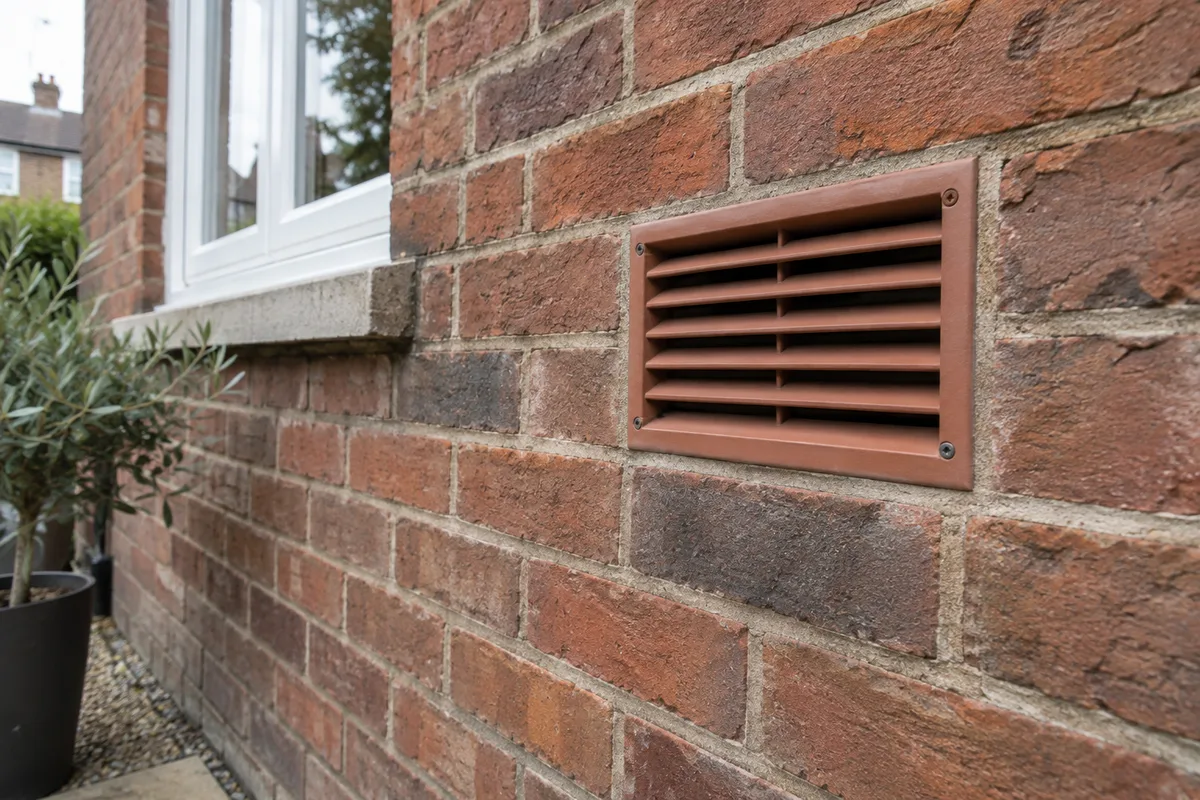
Our guide to service openings and proofing explains why a visible gap needs suitable assessment. Do not close ventilation, conceal a leak or obstruct an access panel with improvised material. A repair should be described by location and purpose, with its completion date recorded. Keep that record beside the original maintenance details and pest findings so any review has a coherent history.
Follow treatment-specific cleaning and equipment instructions, and report fresh signs in the same precise way. If evidence moves to another room, explain that rather than calling it simply the same issue. Contact Pest Xterminators with your Hackney postcode, the maintenance summary and observed signs to ask about availability. The next useful step is an inspection that can confirm or rule out relevant accessible findings, not a telephone verdict about who caused the problem or a promise that every hidden space is clear.
Questions about pest control in Hackney
Does timing prove maintenance caused the problem?
No. Keep the dates and changes as context while an assessment considers the actual evidence.
Should I remove a newly fitted panel?
Do not dismantle it without an authorised safe access arrangement.
Can the original contractor’s photos help?
Yes, if they show relevant work locations and dates; they complement current inspection evidence.
What if the new gap is around services?
Avoid improvised repairs and arrange assessment that preserves service safety, ventilation and maintenance access.
Should I notify the landlord before booking?
Clarify who approves and pays for the work, and supply the factual observation and maintenance record.