
Pest Control Leyton
A rear-garden appointment needs a route as well as a postcode. Explain gates, keys and actual findings so the inspection can cover the relevant areas without improvised access.
Describe the route to the rear garden
Separate sightings from repeated physical signs
Identify the owner of shared boundaries
Plan the route before the appointment ↓
Make the garden appointment realistic in poor access conditions ↓
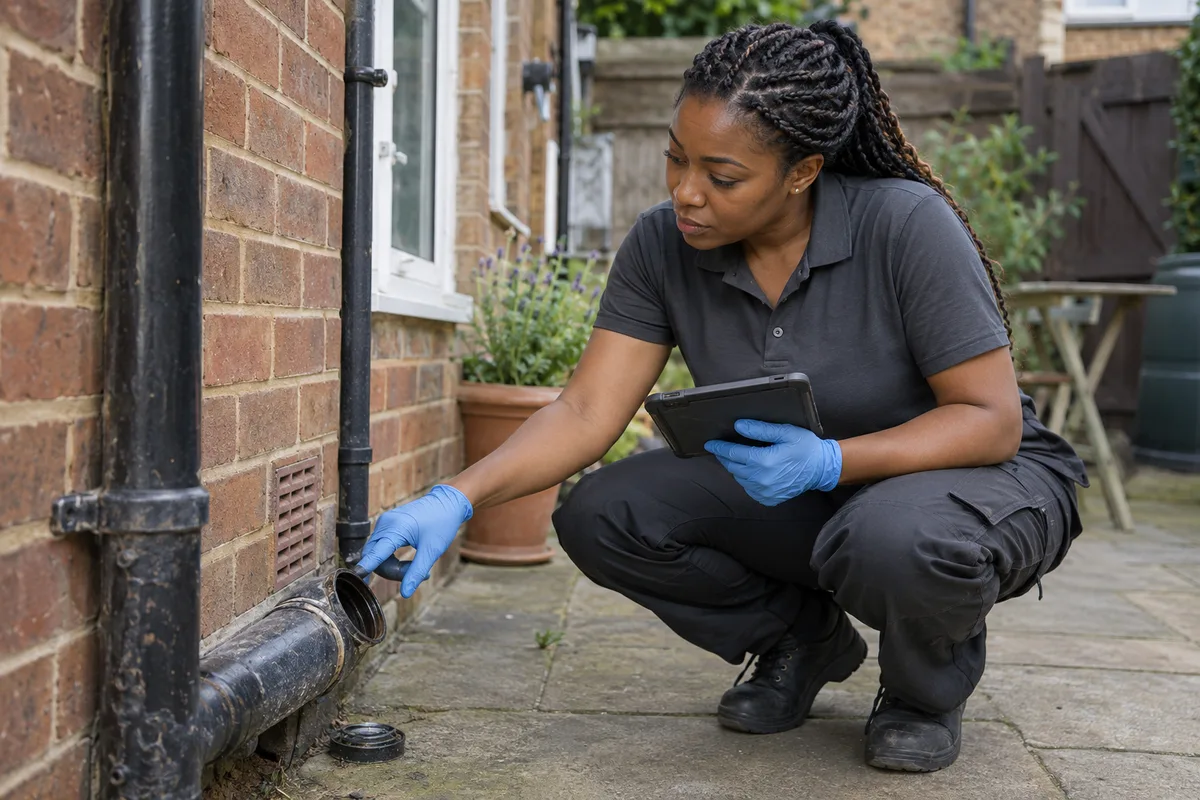
Plan the route before the appointment
Tell the provider whether the garden is reached through the home, a side gate or a shared passage. Explain locks, steps and any obstacle that prevents ordinary access. Arrange the key holder for the agreed time. A technician should not be expected to climb a fence or enter a neighbour’s property to reach a rear area. If animals use the garden, explain how they will be kept away from inspection and any agreed work.
Waltham Forest provides conservation and property-related planning information. If a proposed Leyton repair affects protected or externally visible fabric, check the individual address and authority to alter it. This is separate from recording a pest observation. The initial enquiry should focus on what has been seen at your property and which places can be reached safely, rather than assume a common problem across every nearby garden.
Describe the outdoor finding precisely
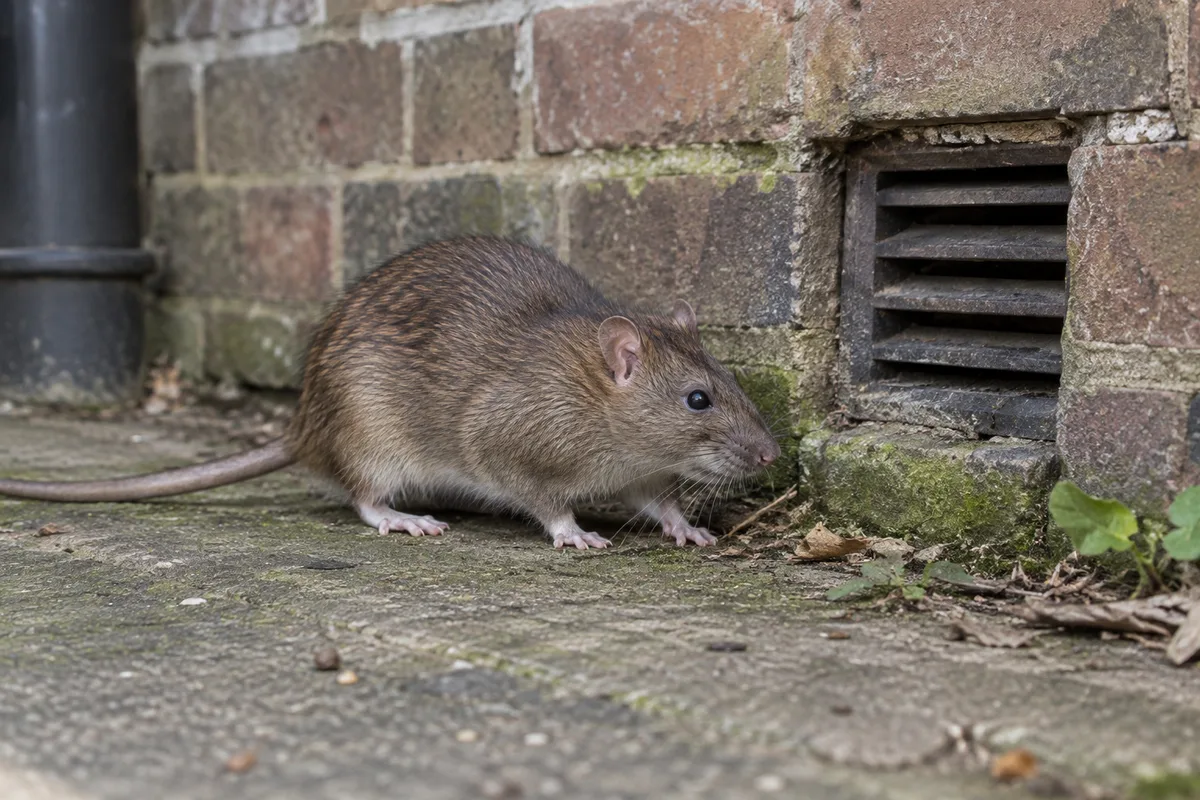
A rodent crossing a garden is different from repeated damage to stored food or physical signs beside a door. Record date, position and what was actually observed. A photograph may help where safe, but do not approach an animal or reach into a suspected burrow to collect evidence. Tell the provider whether any indoor signs exist separately. A single outdoor sighting does not establish which rooms, if any, need treatment.
The rat inspection guide explains questions relevant to sightings and accessible routes. If smaller signs are found around indoor kitchen storage, our mouse assessment information may be more useful. Choosing a service should follow the evidence, not the nearest outdoor feature or a neighbour’s guess. Explain previous visits and any products used in the garden, with dates where possible.
Outbuildings and boundaries need separate access decisions
List any shed, store or shared boundary where findings have appeared. Say which structures belong to you and which are controlled by an owner or another occupier. A suspected route under a fence does not give permission to inspect next door. The provider can record the accessible finding and explain what remains uncertain. Wider assessment should be arranged through the responsible person, with consent.
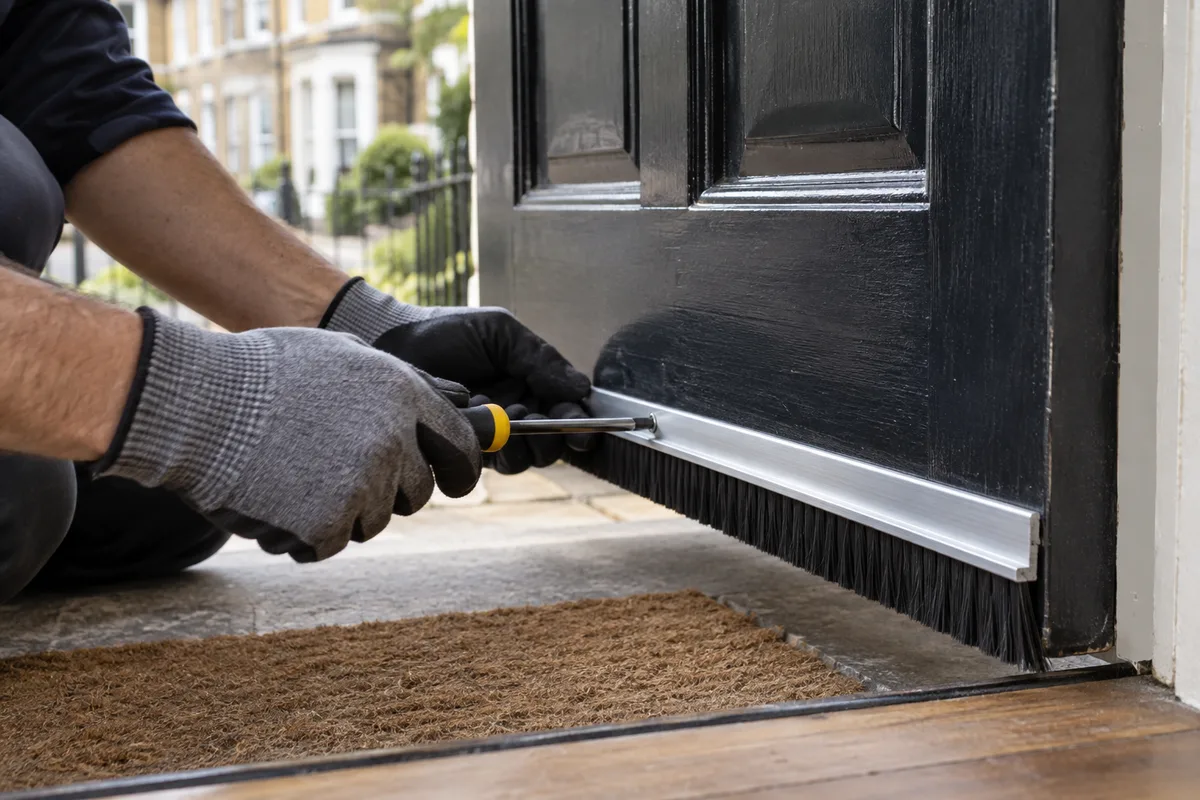
Ask what clearance is needed around stored materials. Do not move suspect bags through the house just to create a tidy shed. Identify heavy items or unstable stacks that cannot be handled during an ordinary pest visit. If a business uses external storage, arrange a person authorised to move stock and explain operating restrictions. Preparation should fit the inspection objective rather than become an unplanned garden clear-out.
If weather or another practical issue changes access, contact the provider with the actual restriction. Confirm whether the appointment can still answer its inspection question rather than assume a view from indoors will replace access to the garden.
Make the garden appointment realistic in poor access conditions
Explain overgrown or obstructed routes and any unstable storage before the visit. You do not need to create unsafe access yourself. Ask what clearance is necessary, arrange suitable help where needed and keep the provider informed if the agreed route remains unavailable. A visible garden from a window is not the same as an accessible inspection area.
If the only route passes through occupied rooms, discuss preparation and timing with the household. Keep suspect materials contained according to advice rather than moving them into those rooms to clear a passage. Where a shared gate is used by several occupiers, confirm who holds the key and whether access permission covers the inspection. These details let the visit test the relevant outdoor findings and record any remaining limit honestly, instead of losing the appointment to an access problem discovered at the door.
An inspection recommendation should fit the property
Ask which areas are included, what evidence supports treatment and whether a review is proposed. The service overview can help prepare these questions. Indoor and outdoor spaces should not be assumed to receive identical attention. If access is limited, the findings should say so. Establish what happens if another visit is needed after a gate or store can be opened.
Discuss household precautions for any agreed programme, particularly children and pets who normally use the area. Follow specific instructions for equipment or products and do not relocate them to make mowing or storage more convenient. A rented property may require the owner’s approval for treatment or repairs. Clarify those responsibilities before work starts so decisions are not improvised when the technician arrives.
Prevention is a property task, not a boundary argument
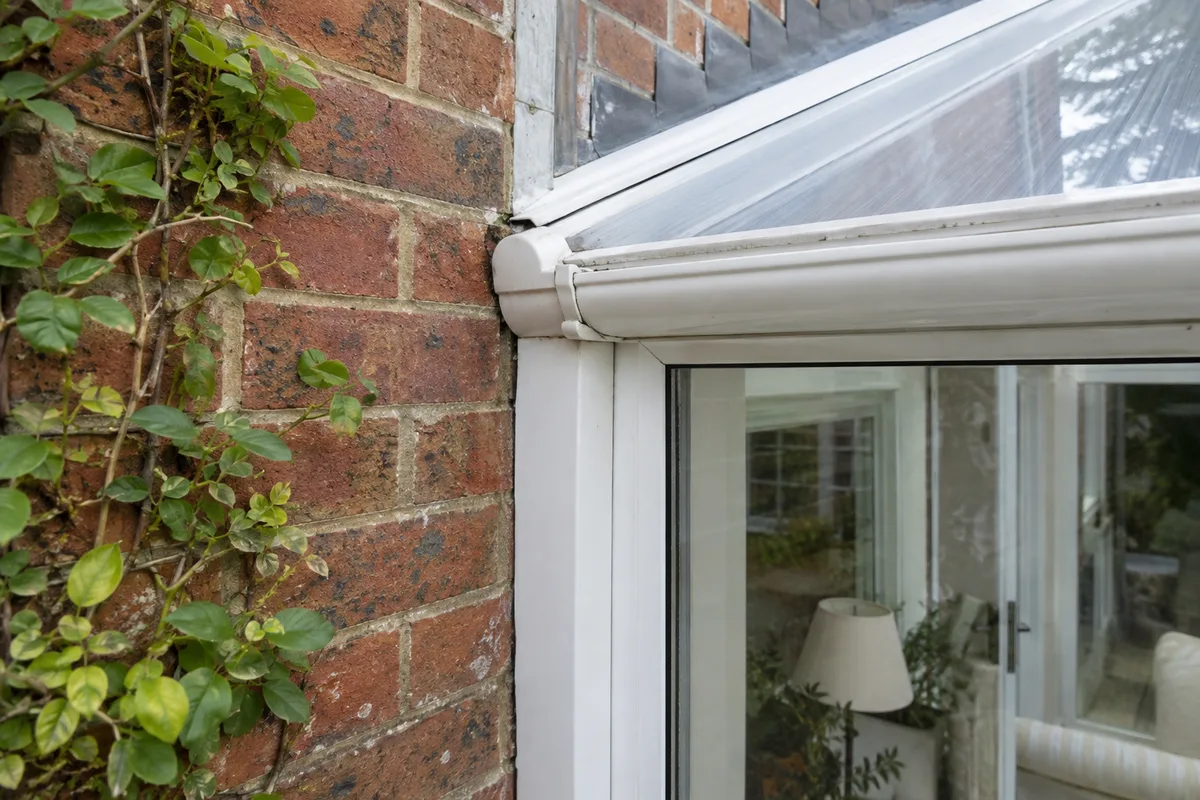
Deal with accessible food sources and spillages, store feed securely and report damaged waste storage to the responsible person. If a relevant opening is identified, read the guide to planning exclusion repairs. A suitable repair should preserve ventilation and other building functions. Do not fill every hole around a boundary indiscriminately or assume one visible opening explains all the observations.
Keep records of completed work and report genuinely new evidence by location and date. An old sighting repeated in conversation is not a new finding. Call with your Leyton postcode, the garden access route and observed signs to ask about availability. A useful visit gives you an evidence-based recommendation and a practical plan for the accessible property, with shared-boundary questions handled through permission and clear findings rather than speculation about neighbouring homes.
Questions about pest control in Leyton
Can the technician enter through my neighbour’s garden?
Only with an authorised arrangement; give a normal safe access route and arrange consent where necessary.
Does one outdoor sighting require indoor treatment?
Not automatically. Describe any indoor evidence separately so the appropriate scope can be agreed.
Should I clear the shed first?
Ask what access is needed and how potentially affected materials should be handled.
What if the side gate is locked?
Arrange the key holder before the appointment and explain the restriction when booking.
Can garden equipment be moved after treatment?
Follow the provider’s instructions and ask before disturbing treatment or monitoring positions.