
Pest Control Streatham
Reports on two floors may be connected, or may describe entirely different findings. Keep the room, time and type of observation clear before planning a whole-property inspection.
Map each finding to its room and floor
Arrange occupied-room access in advance
Record spaces the provider cannot examine
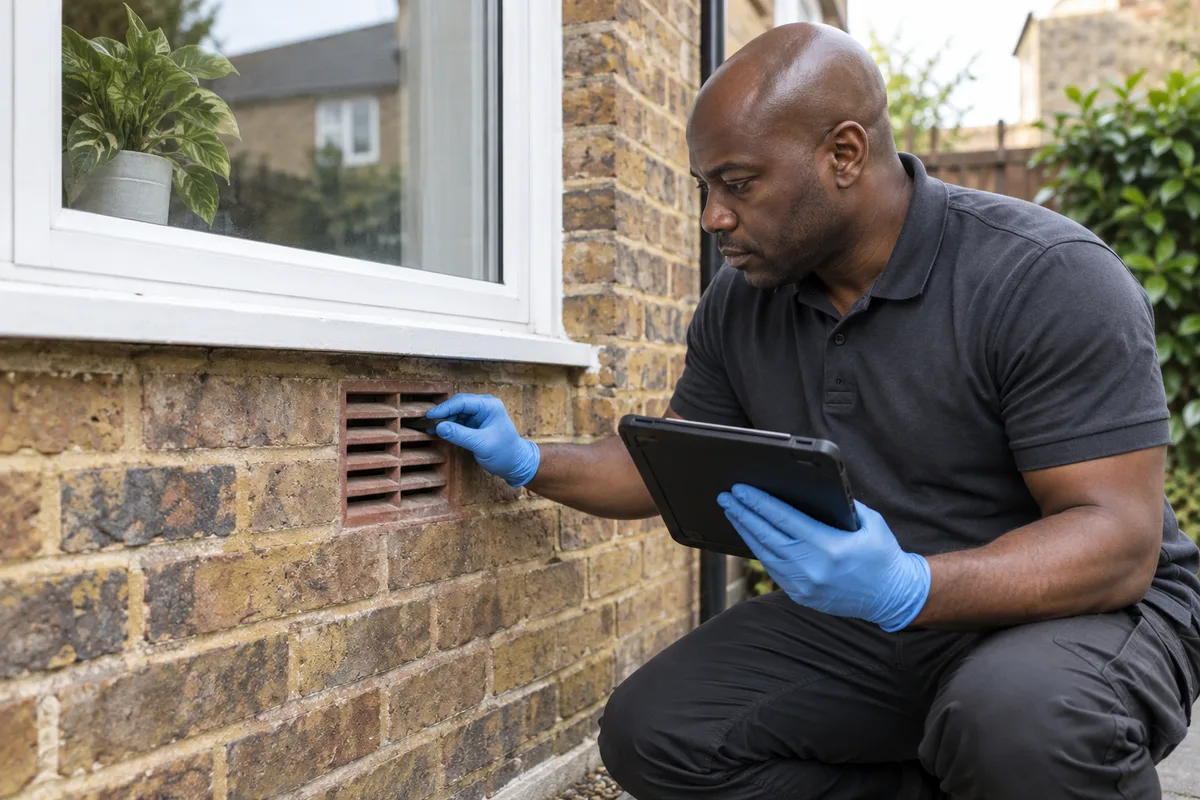
Use a two-floor map that keeps unknown connections visible
Try a short illustrative record with columns for floor, position, date, observation and source. Upstairs: landing beside bedroom two, evening sound heard directly, no animal identified. Downstairs: lower kitchen shelf, packaging damage photographed on a recorded date, age uncertain. These entries locate concerns; they do not show an animal moving between floors. Keep a third line for a separate resident’s actual sighting if one occurs, rather than rewrite the sound as confirmation of it.
On a simple layout sketch, mark those positions and the areas available for assessment. Leave the supposed route between them blank unless the provider establishes supporting evidence. Ask the upstairs observer whether the sound was heard again and the downstairs observer whether cleaning or stock movement exposed the damage. Record those answers against their own entries. The provider can then say which inspection questions follow the evidence and whether more access is needed. Do not enter a roof void to make the map complete. This format is useful even when several residents call the same cupboard or landing by different names: agree the identifier once and use it for fresh observations. The aim is a readable assessment brief with known facts and unknown relationships, rather than a floor-by-floor claim that the entire home is affected.
Different signs can require different inspection questions
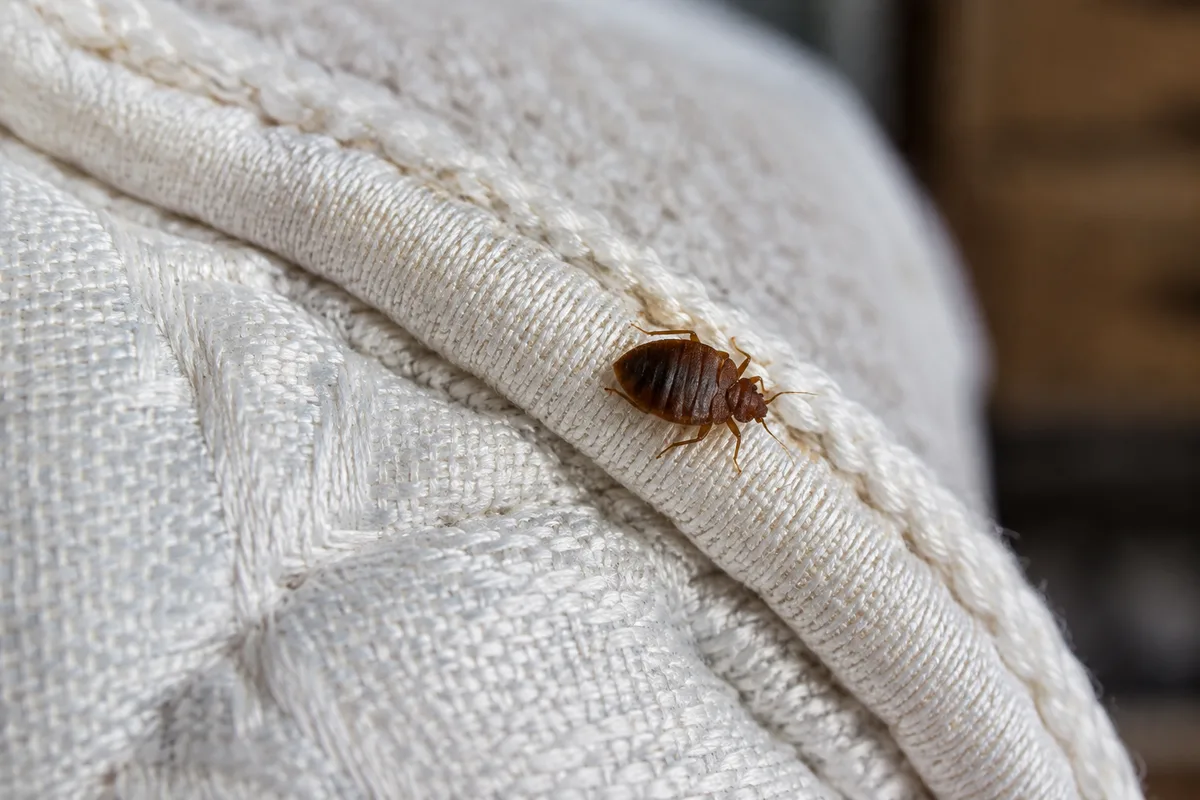
A suspected mouse report involves different evidence from a bedroom insect enquiry. For kitchen sounds, packaging damage or suspect material, the mouse inspection guide helps explain useful locations and treatment-history details. If somebody reports bites or an insect near bedding, the bed bug assessment information addresses why identification and preparation should come before moving belongings. Symptoms alone do not establish the pest.
Tell the provider which observations have photographs and which are based only on sounds or recollections. Mention products already used on each floor, with their positions and approximate dates. Do not treat activity upstairs as proof of a route through the roof, or activity downstairs as proof of a drain fault. Those are possible questions to investigate where supported, not conclusions created by the floor number.
Make access match the proposed scope
An inspection covering several floors needs more than an open front door. Explain occupied bedrooms, locked cupboards, shared stairs and areas controlled by another person. Obtain the necessary agreement before promising access. If a room is unavailable, tell the provider at booking and ask how that affects the scope. A report should identify its limitations so a check of accessible rooms is not later described as an inspection of every space.
Lambeth Council’s conservation-area profiles include Streatham Common and Streatham High Road and Streatham Hill. That does not make all local properties alike. Describe your actual building, occupation and responsibilities. A multi-floor house, converted flat and managed block can require different people to approve access or repairs. Where a recommendation affects protected fabric, the responsible owner should check the appropriate permissions with a suitable professional.
Prepare only what is useful to the visit
Ask which locations need clear access and what should remain in place for assessment. Moving belongings between floors before identification can remove context and create another practical problem. Explain any item you cannot move safely. Leave fixed panels, building services and heavy appliances for appropriate access arrangements. If one household member will do the preparation, make sure they have the instructions for the relevant rooms rather than an unrelated treatment checklist.
Mention pets, children and anyone who cannot carry out a standard instruction without help. Discuss those constraints before accepting a proposed programme. Confirm who will meet the provider and who can authorise further work. A relative opening the door may not know the original evidence or have permission to approve access to every bedroom, so identify the appropriate contact in advance.
Connect repair recommendations to their locations
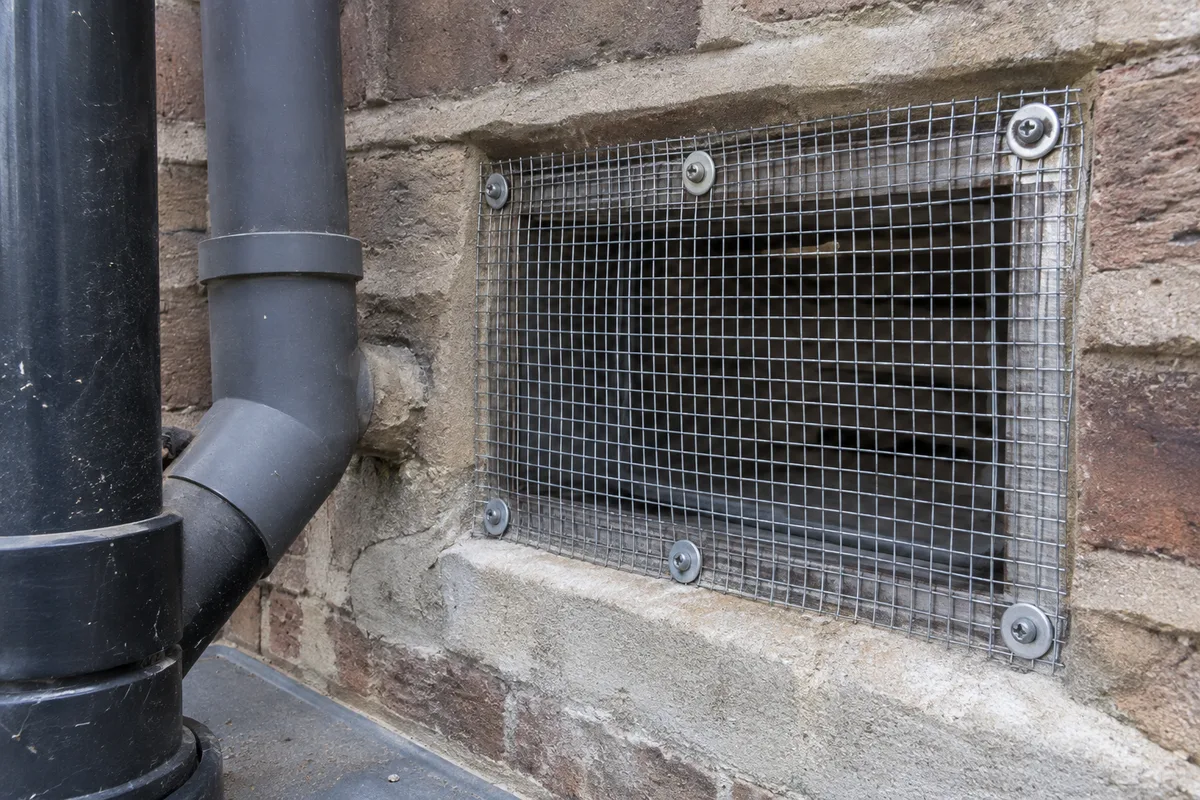
A useful repair report should name the opening and its room or external position. Ask which defect is supported by findings and which remains a possibility. An upstairs service gap and a worn ground-floor threshold may need different repairs. Do not cover necessary ventilation or disturb cables and pipes to achieve a cleaner-looking finish. The property proofing guidance explains why the feature’s function needs preserving.
Where different people manage different floors or shared spaces, give each recommendation an appropriate contact. Keep the assessment and completed repair dates together. Treatment, monitoring and maintenance should support one another, but a repair in one room does not prove that all other routes have been addressed. Ask what further access or review is needed before treating the programme as complete.
Follow up with new evidence, not another whole-house claim
Maintain a short room-based log while the agreed programme runs. Record fresh findings and distinguish them from earlier marks or material that was not yet cleaned. Ask for cleaning instructions suited to the finding and surface. Keep installed devices in their agreed positions, and tell the provider about furniture movement or building work that may have affected access. This makes the return inspection more informative than repeated messages saying that the problem is still everywhere.
For emergency pest control in Streatham, give the postcode, affected rooms and current direct observations. Confirm availability and the areas covered by the proposed visit. Ask what requires earlier contact and what will be reviewed at follow-up. A clear final summary should state findings, limitations, instructions and remaining actions, allowing everyone using the property to understand what was assessed on each floor.

Questions about pest control in Streatham
Do signs on two floors prove pests moved between them?
No. Record each finding separately so the provider can assess whether evidence connects them.
Should I move bedroom belongings downstairs before assessment?
Avoid moving them between floors before advice. Ask for preparation specific to the findings and proposed method.
What if a tenant cannot allow access to one room?
Discuss that limitation before booking and make sure it is recorded in the inspection scope.
Can a noise upstairs identify a roof entry route?
A noise may help locate a concern, but it does not establish the animal or the route by itself.
How should repairs be listed in a multi-floor property?
Name the opening and its location, identify the responsible contact and keep the completion date with the inspection record.