
Pest Control Earlsfield
An extension can leave questions about new and older service routes. Tell the provider where activity was noticed and what building work has taken place, without assuming the two are connected.
Keep building-work dates with the pest report
Leave service openings for safe assessment
Clarify who owns the area needing repair
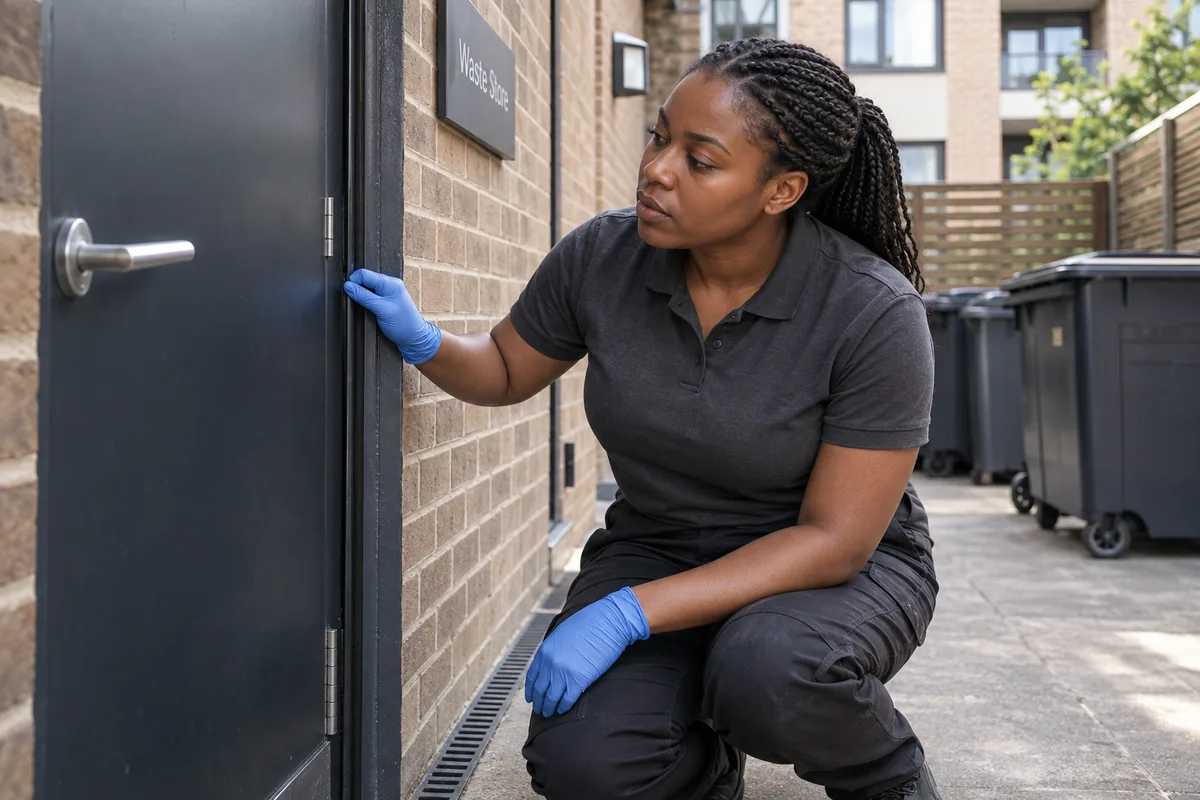
Plan the enquiry
Use completion photographs to build a dated evidence map
Service routes need professional access
Keep outside observations on their own record
Choose repairs that preserve the extension’s functions
Use completion photographs to build a dated evidence map
Collect the builder’s available completion photographs or plan for the relevant extension junction, with its date and original description. Beside it, place the current finding’s room position and date. Keep a third entry for any service work since completion. This is an evidence map, not proof that the building work caused activity. Wandsworth’s urban design study identifies period terraces, estates and flats in Earlsfield residential areas, so describe the actual junction rather than assume one extension arrangement fits every local home.
An illustrative handover might read: completion photograph shows sink service penetration before plinth fitting; current cupboard photograph locates suspect material beside that cabinet; later dishwasher replacement recorded on a separate date; space behind fixed unit not examined. The photographs answer different questions. One locates construction, one locates the finding and one records a change. Ask the provider which accessible check would help connect or separate them. Do not ask a builder to reopen a wall simply because the pictures appear related. Send only relevant dated material and identify designed access panels, with safe professional arrangements if further access is justified. A useful next inspection commission has a defined junction question, rather than a general request to check the entire extension based on a coinciding date.
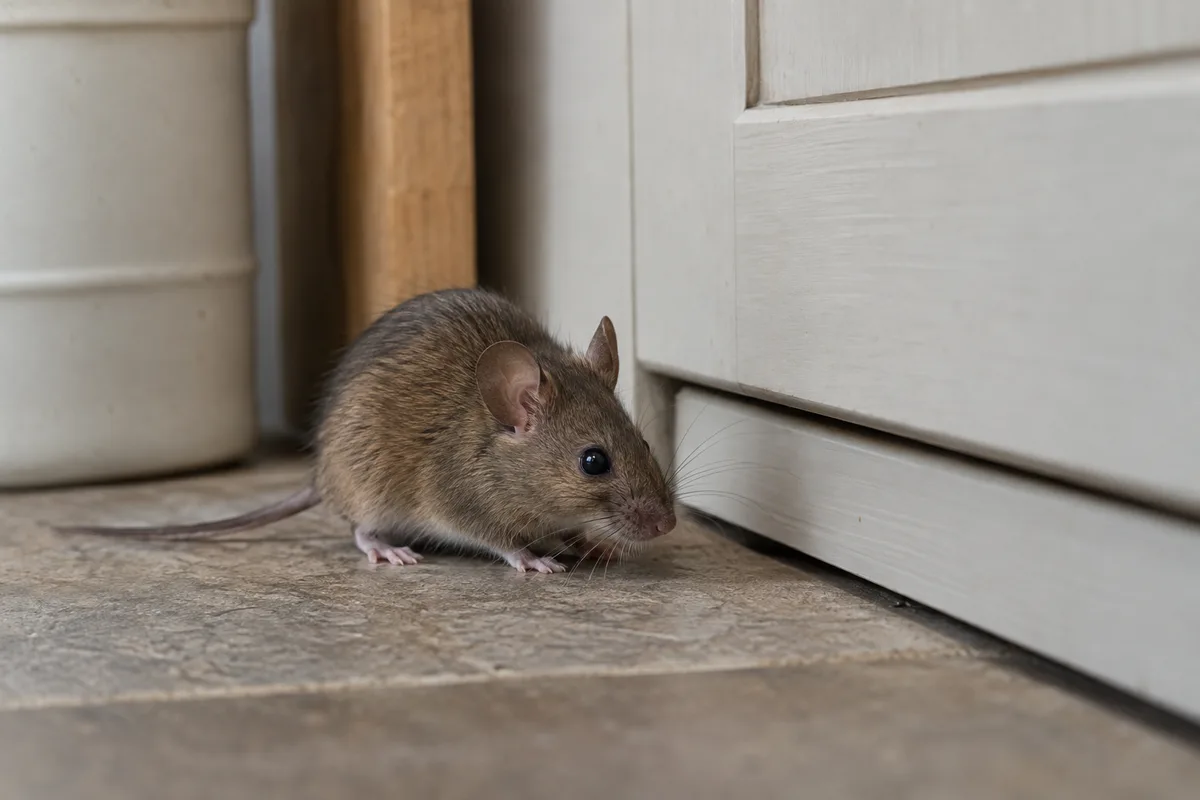
Service routes need professional access
Pipe penetrations, cables, ducts and appliance connections can pass through the junction between old and new construction. Do not open a wall, cut into a boxed service or disconnect equipment to explore a suspected route. Tell the provider where the services are visible and which inspection panels were designed for access. If the builder or another maintenance professional is needed to open a space safely, arrange that through the appropriate owner.
The mouse evidence and inspection guide explains why concealed areas should be considered without assuming they can all be checked at an ordinary appointment. Ask the report to distinguish examined locations from remaining limitations. A visible opening may matter, but its existence does not identify the animal or establish the complete path into the premises.
Keep outside observations on their own record
A rat near a garden boundary is a different finding from suspect material inside a kitchen cupboard. Note the outdoor location and time, and say whether it was within your property. Avoid following the animal into a neighbouring garden or inspecting another person’s services. The provider needs consent and an agreed scope for spaces beyond the premises being booked. A boundary close to an extension does not make everything on the other side part of your inspection.
Our rat route-assessment information helps frame questions if the findings suggest a larger rodent or further investigation. Do not commission drainage work solely because a pipe appears on the building plan. Ask what evidence supports that enquiry and what the proposed investigation will answer. Bring previous drainage or repair records if they relate to the actual property.
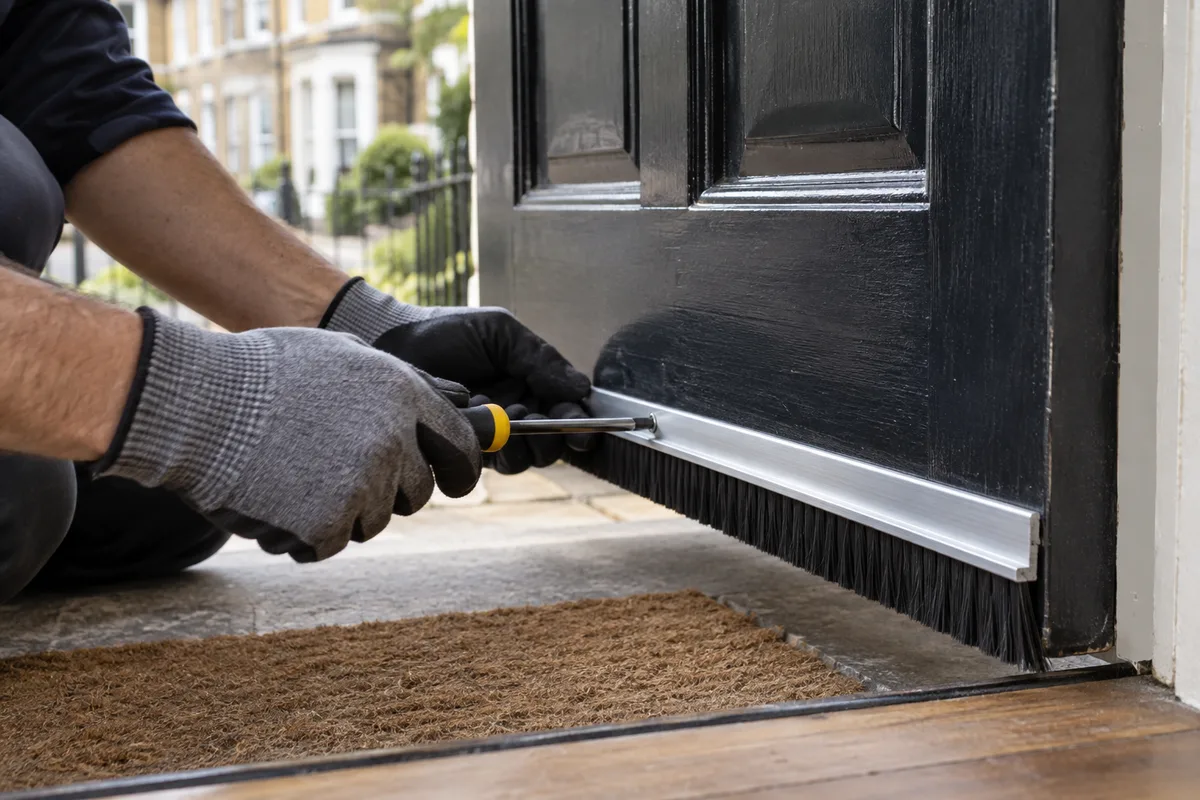
Choose repairs that preserve the extension’s functions
A new ventilation opening should not be blocked because it looks like a potential gap. Likewise, a repair around a service must not damage the connection or interfere with maintenance access. Ask the provider to identify the purpose of each recommended change and whether a suitable building professional needs to carry it out. Keep any approval and responsibility questions with the owner or manager rather than expecting a pest assessment to resolve them.
The proofing and building-gap guidance explains why repair choices should be specific. Request a priority order based on the findings: confirmed issue, area needing access, and general maintenance. If work may affect a shared boundary or neighbouring service, obtain agreement before proceeding. A clear description is more useful to a contractor than a request to seal the whole extension.
Prepare a lived-in kitchen for the agreed visit
Tell the provider about children, pets, food storage and any practical limit on clearing the space. Ask what needs moving and what should remain where it is. Do not put unexamined items into another household’s storage to make room. If cupboards have removable plinths, describe them and follow instructions about access; leave fixed appliances and connections alone. Mention products already applied since the concern began, with dates and locations.
Confirm who will be at the Earlsfield property and who can authorise additional work. If a builder holds relevant plans or needs to attend, agree how that information will reach the provider. An appointment should not depend on a person who has not been asked to be available. For urgent enquiries, give the postcode and current evidence, then ask for confirmed availability and the initial visit scope.
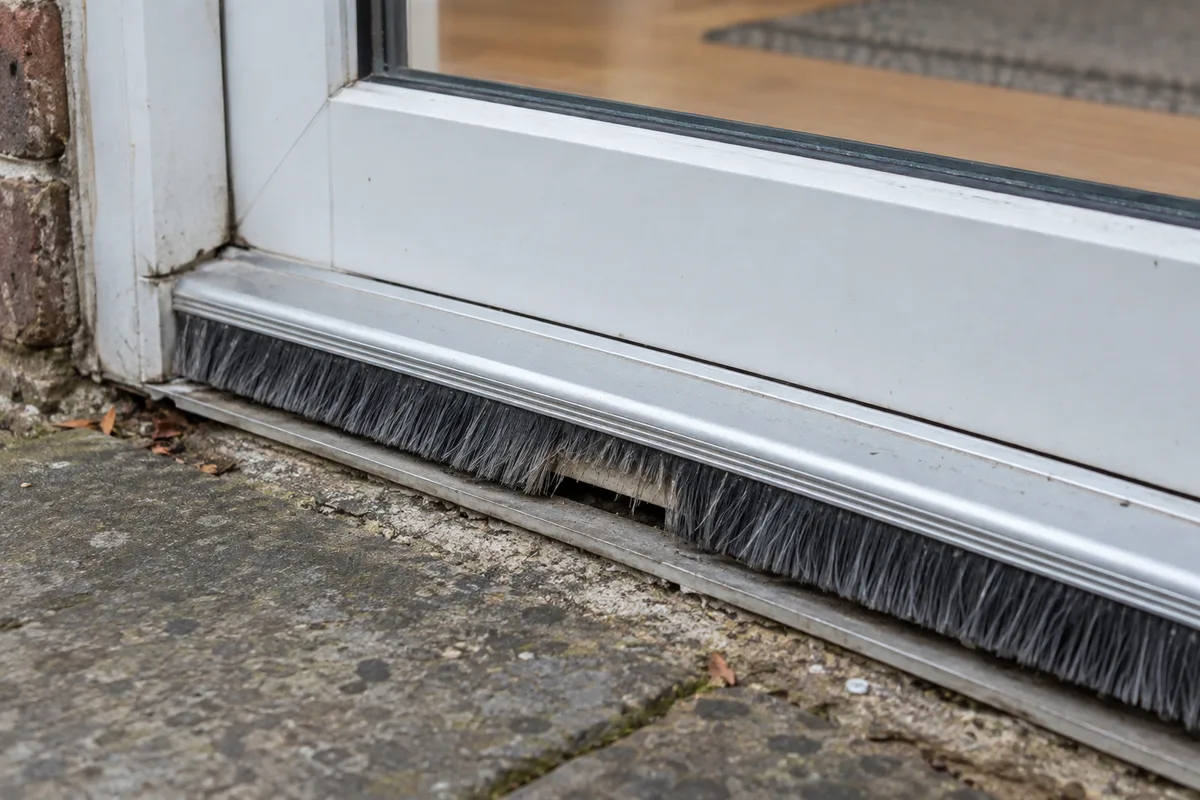
Measure progress against recorded changes
Keep the inspection findings, treatment instructions and completed repairs in one dated sequence. If activity appears again, record the location and nature of the new sign rather than assuming that the latest repair was ineffective. Tell the provider about subsequent building work, changes to appliance positions or reopened access panels. These details can affect what needs checking at the next visit.
Maintain appropriate food and waste storage and access to agreed monitoring locations. Do not move treatment devices while finishing decoration or tidying the kitchen. Ask which observations should prompt contact before follow-up and what will be reviewed then. A useful programme links evidence to action, including the parts of the extension that remain inaccessible, instead of relying on another layer of filler placed around every visible service.
Questions about pest control in Earlsfield
Does activity after an extension prove the builders caused it?
No. Record dates and changes, but let the assessment consider the current findings without assuming a cause.
Should I open service boxing before inspection?
Do not disturb fixed services yourself. Explain the access points and arrange an appropriate professional if further opening is needed.
Can a neighbouring garden be inspected through my booking?
Access beyond your premises needs the relevant consent and an agreed scope. Do not promise access you cannot authorise.
Can ventilation openings simply be filled?
Required ventilation must remain functional. Ask for a repair suited to the feature and the evidence.
What if decoration moves a monitoring device?
Tell the provider what changed and follow their advice. Devices should not be moved without instructions.