
Pest Control Clapham
Shared-house preparation works best as a room-by-room plan. Agree who needs to do what, which rooms can be accessed and how individual findings will reach the provider.
Allocate tasks by room, not by assumption
Check consent and preparation with each occupant
Keep private findings separate from shared actions
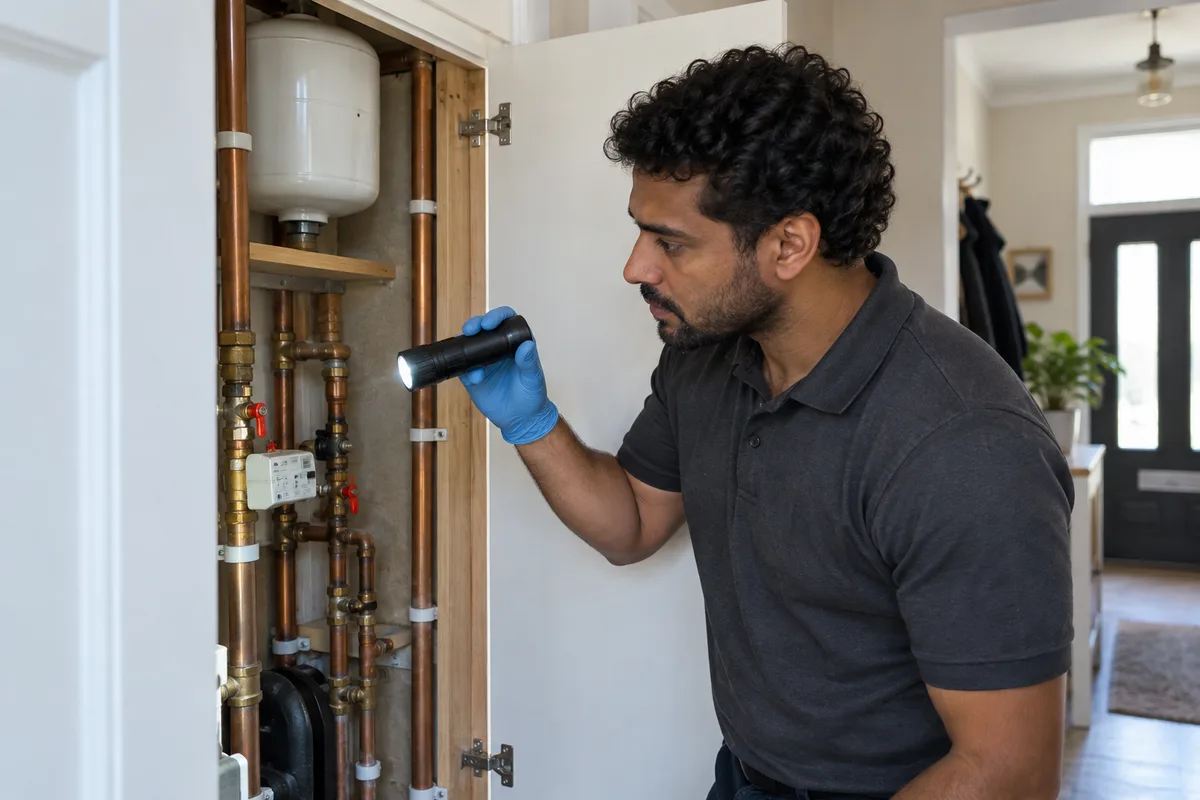
Put the rooms on the plan before allocating tasks ↓
Put the rooms on the plan before allocating tasks
Draw a simple room list: occupied bedrooms, kitchen, shared bathroom, landing and any space the provider has specifically asked to inspect. Mark the current finding against its actual room, with the date and direct observation. Leave a room unmarked if nobody has seen anything there; absence of a report is different from a professional check. This plan should clarify the household’s information, not create a diagnosis or a guessed route between rooms.
Ask each occupier to confirm their own entry. One person saying everybody has noticed something may hide several different concerns. An insect near a bed, scratching in a kitchen and damaged packaging should stay separate. Use agreed room identifiers and keep unnecessary personal or health information out of group messages. Send the provider the useful observations without turning residents’ private details into a household-wide file.
Choose a coordinator without giving them every room key
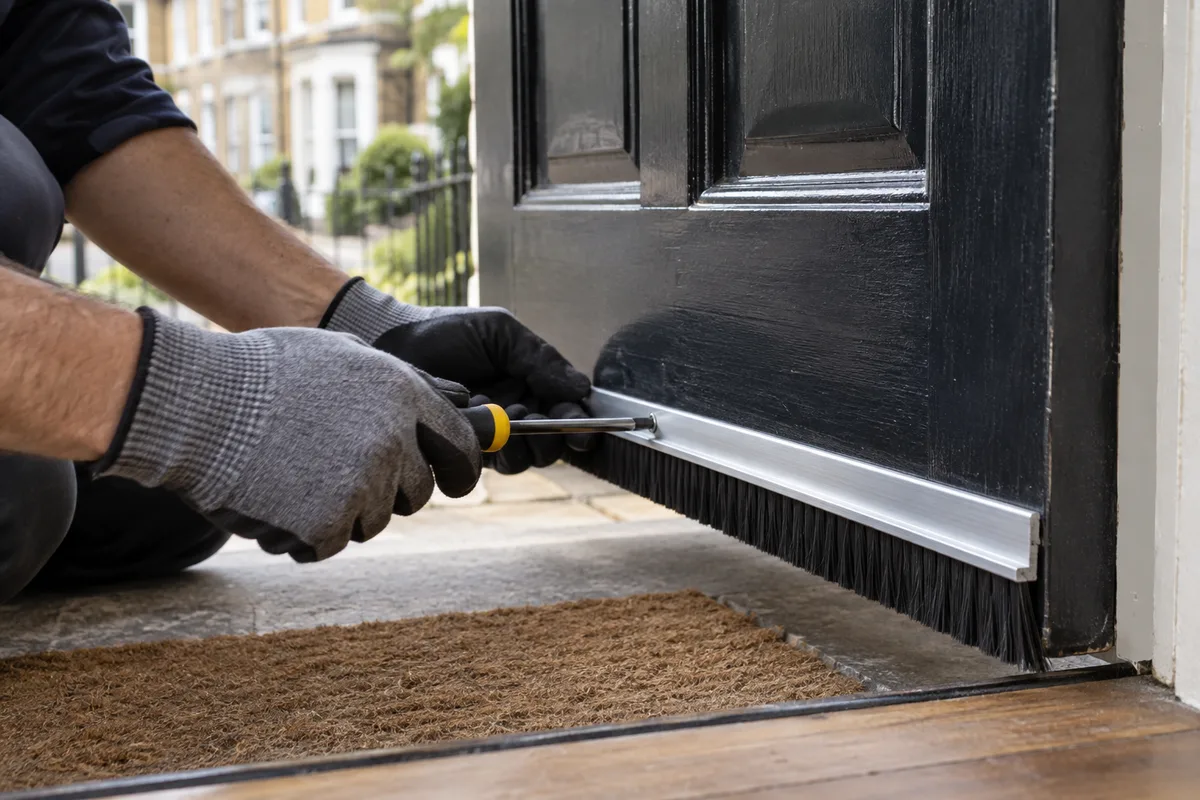
Name one contact to collect practical arrangements and speak to the provider. Their job is to check readiness, not enter private rooms or move other people’s belongings without permission. Ask each occupier when access is possible and whether they need to be present. Arrange the landlord or manager where their authority is relevant. If a room cannot be included, discuss that before attendance rather than conceal it behind a promise of whole-house access.
Lambeth’s separate Clapham and Clapham High Street conservation profiles also underline the need to describe the actual building. An older shared house and separately managed flats can have different common-space responsibilities. Add those boundaries to the plan. The coordinator should know who can approve access or repair to a shared feature, without assuming that the household’s outer-door key gives authority over every service space.
Give bedroom occupants individual preparation questions
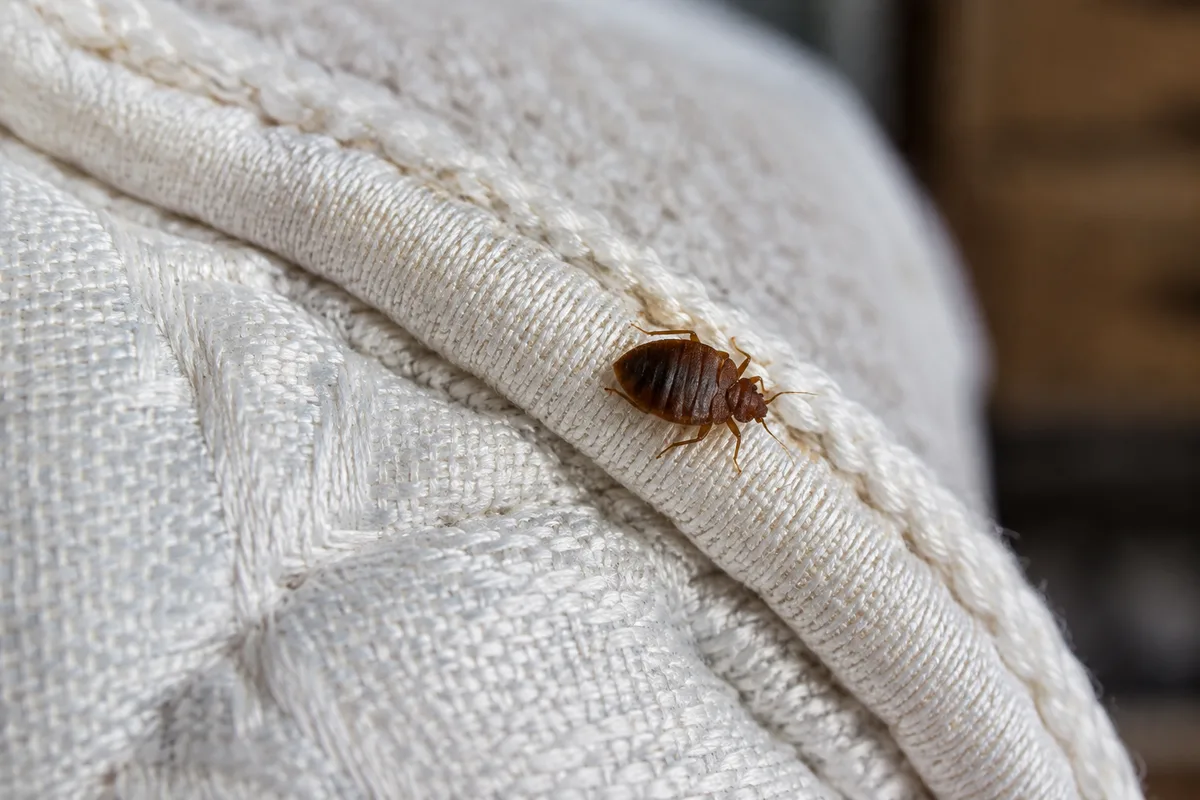
For suspected bedroom insects, use the bed bug inspection guide to ask what needs access around the bed and nearby storage. Tell the provider about heavy frames, fitted furnishings and each resident’s preparation limits. Avoid moving mattresses or bags into an apparently clear bedroom before receiving advice. A coordinator can record that a task is agreed without inspecting somebody’s personal belongings to check it.
If heat is proposed, the heat preparation information helps identify questions about contents and suitability. Do not send a generic checklist to everybody and assume the rooms are equivalent. Ask which instructions apply to which room and when they must be completed. Residents should receive the relevant precautions directly or in a clear written form they can keep.
Allocate shared-kitchen tasks that do not conflict
A shared kitchen needs an agreed preparation sequence. Ask the provider which cupboards or accessible areas require space, then decide who will organise their own food and belongings. Do not empty a housemate’s shelf to make the room appear ready. Keep the agreed route and exits usable while tasks are completed. If a cupboard cannot be made available, put that limitation on the plan before the appointment.
For suspected mouse signs, the mouse assessment advice helps residents describe exact kitchen findings. List any previous products and positions together so one person’s spray and another person’s trap are not omitted. Ask everyone to avoid independent new treatments while advice is sought. Shared tasks should support the proposed inspection rather than produce several competing household attempts to solve an unidentified problem.

Run a readiness check that respects practical limits
Before attendance, confirm each agreed task with the person responsible: access time, preparation completed or constraint still outstanding. A short check can reveal that a bed is too heavy to move, a cupboard remains locked or a pet cannot be kept out of a room under the assumed arrangement. Pass those facts to the provider promptly so suitability and alternatives can be discussed. A resident should not attempt an unsafe task to keep the group plan on schedule.
Confirm who will admit the provider, who can approve extra work and how private-room instructions will be delivered. Ask what the initial appointment covers. A caller paying for one assessment should not promise that every resident receives the same treatment regardless of findings. The plan needs clear boundaries for evidence, access and decisions as well as a workable household timetable.
Keep the plan usable after the appointment
Replace assumed tasks with the provider’s actual instructions and next actions. Each room entry should show relevant precautions, any follow-up requirement and who needs to act. Shared maintenance recommendations belong with the landlord or responsible manager, identified by feature and position. Keep devices where instructed and tell the provider if household tidying or cleaning changes them.
For urgent pest control in Clapham, give the postcode, current direct findings and the rooms whose access has been confirmed. Ask for availability and preparation. Afterwards, report fresh observations against the same room identifiers so the record remains readable. A good shared-house plan coordinates different occupants without flattening their evidence, privacy and practical needs into one instruction that nobody can realistically carry out.
Questions about pest control in Clapham
What does a shared-house coordinator need to do?
Collect factual room reports, check agreed access and tasks, and communicate practical limits. They should not enter private rooms or move belongings without consent.
Should unreported rooms be marked clear on the plan?
No. Lack of a resident report is different from an assessment. Keep the actual inspection scope visible.
Can one preparation checklist cover all bedrooms?
Ask for room-specific instructions and account for different contents, access and practical constraints.
What if somebody cannot complete their task?
Tell the provider before attendance and discuss suitability or alternatives. Nobody should attempt unsafe preparation to meet the plan.
How should fresh observations be reported afterwards?
Use the same room identifiers, dates and direct findings so the provider can follow changes without merging separate reports.