
Pest Control Dulwich
A long list of possible gaps is less useful than a few clear priorities. Ask which repairs follow the findings, which need further access and who should organise each action.
Separate established issues from possible routes
Keep each repair with its responsible contact
Preserve the function of the building feature
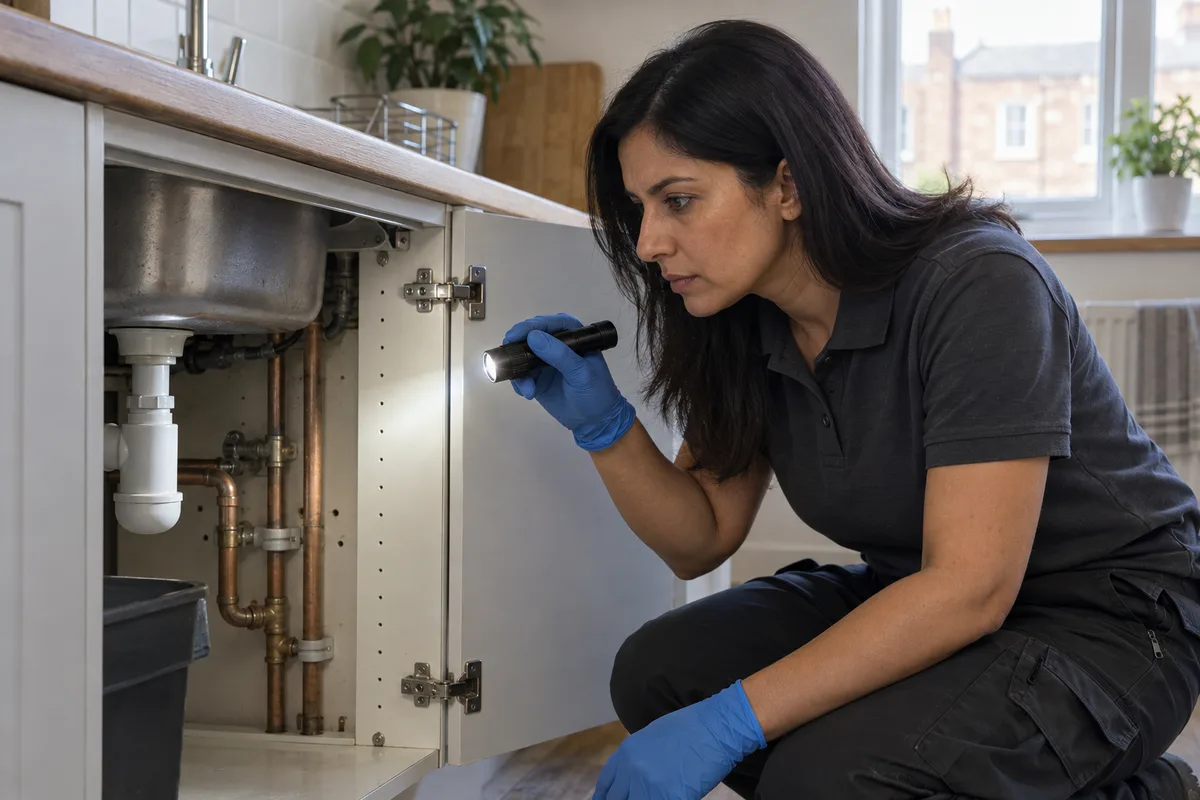
Begin with the problem the repair is meant to answer
A threshold, service opening or ventilation feature may be noticed during a pest enquiry, but appearance alone does not establish its relevance. Record the current finding with its position and date. Ask the provider which observed feature relates to that evidence and what the proposed repair is intended to achieve. Keep possible routes separate from established issues so the maintenance plan does not become a list of every opening visible in the home.
If you have earlier treatment or repair records, preserve their dates and actual scope. A contractor’s description saying gaps were sealed may not show which features were addressed. Collect available photographs and specific work details rather than rely only on the invoice total. This gives the next assessment a clearer basis for deciding what changed and what still needs checking.
Local property variety argues for individual decisions
Southwark Council’s Dulwich Village conservation description includes Georgian houses, Victorian and Edwardian terraces, later family homes and modern development. The practical point is that a single repair specification should not be assumed suitable for every property. Describe the actual building, known alterations and ownership arrangements. If a proposed change affects protected fabric, the responsible owner should check appropriate approvals and professional methods.
Do not let the area name substitute for an assessment of the feature. An older-looking façade can contain later connections, and a modern kitchen can sit within a differently managed building. Tell the provider which parts you can authorise and which need a landlord or manager. A good recommendation identifies the location and purpose while leaving building permissions and competent repair arrangements with the appropriate contact.
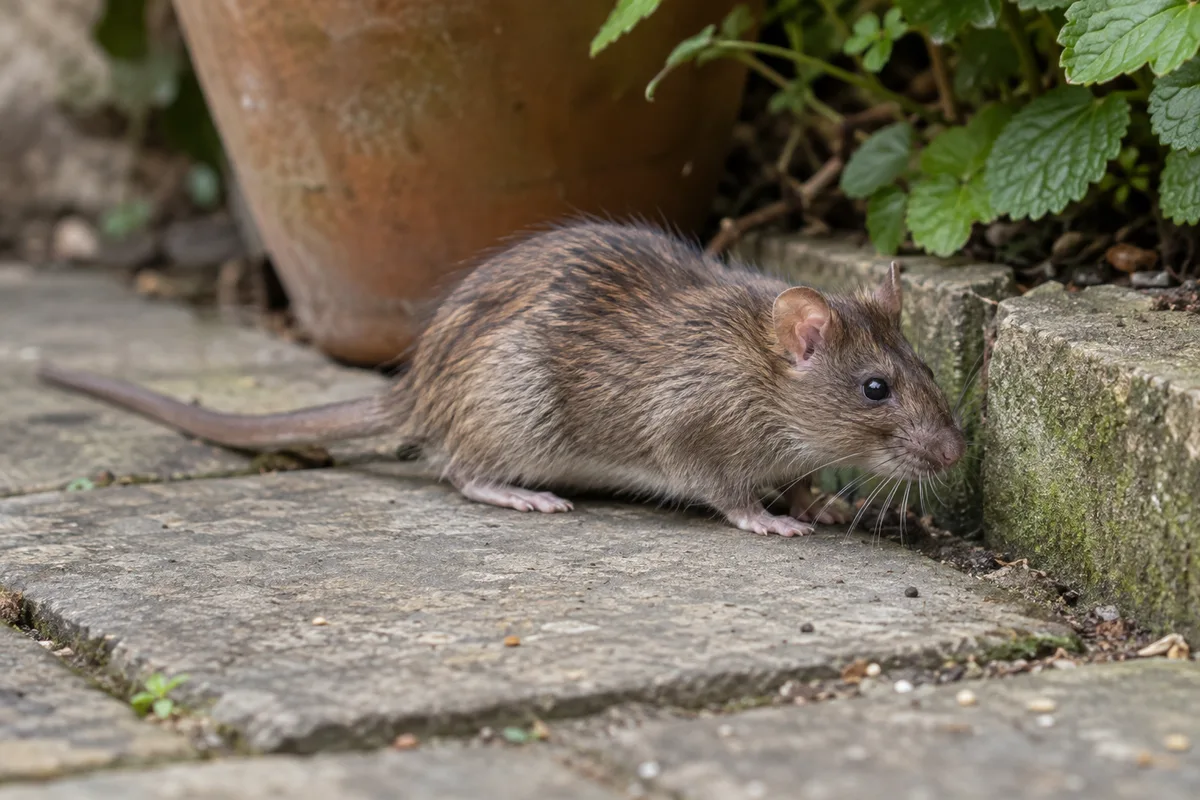
Identification and prevention have different jobs
For suspected mice, the mouse assessment guide explains useful signs and accessible route questions. A gap around a pipe does not identify the animal. If the concern is an outdoor rat sighting, the rat inspection information describes why proximity does not automatically prove indoor entry or a drain defect. Keep the findings separate until an assessment supports a connection.
Tell the provider about products, traps or monitoring already used, with positions and dates. Ask what evidence supports the programme before agreeing to treatment. A repair can reduce a relevant opening without replacing identification or any treatment and monitoring that the actual findings require. Conversely, an attendance record does not establish that a recommended building repair has been carried out.
Request priorities that another person can act on
A practical repair list should distinguish an issue supported by findings, a location requiring further access and a general maintenance recommendation. Ask which action matters first and why. Name the owner, landlord or manager responsible for each feature so the recommendation does not circulate without a decision. If another trade is needed, provide the observed defect and intended purpose rather than instruct them to fill everything.
The proofing and prevention guide explains why thresholds, service penetrations and ventilation features need different solutions. Required airflow and safe service access must remain functional. Do not improvise work near electrical fittings, pipes or fixed appliances. A suitable repair plan needs to respect those functions as well as the assessment’s findings.
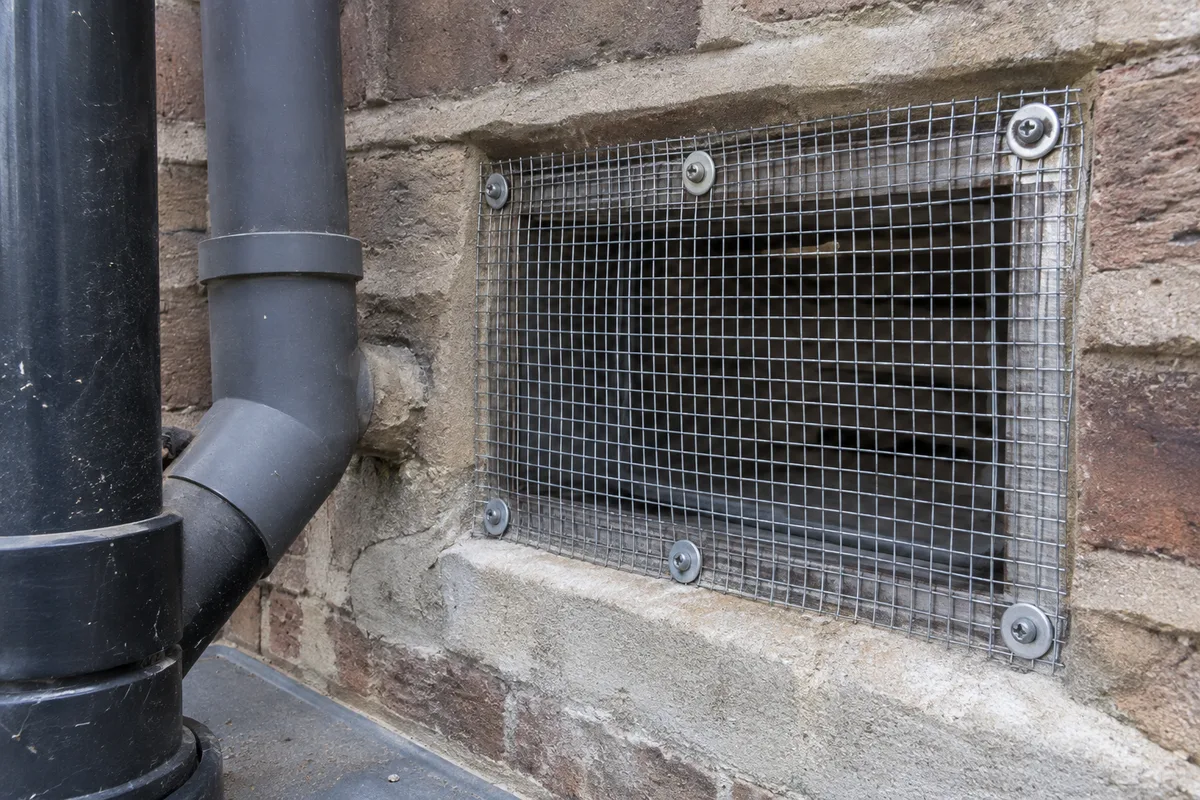
Make preparation proportionate to the next step
Ask what access the initial visit or further investigation requires. Move ordinary belongings only as instructed and where safe. Explain fitted cabinetry, heavy furniture and other practical limits. Do not open a wall or service void to prepare for an undefined check. If permission or professional access remains pending, tell the provider and ask how the limitation affects the proposed appointment.
Discuss children, pets and ordinary room use when considering method-specific precautions. Keep preparation instructions with the people who will carry them out. Ask what the quote covers and who can authorise additional work. A homeowner, tenant and managing contact may each have different responsibilities; the booking needs those boundaries clarified before somebody assumes a repair decision has already been approved.
Review completed work against fresh evidence
Keep a dated description and photograph where available once a repair is complete. Record fresh findings separately from earlier material awaiting appropriate cleaning. Leave devices in their instructed positions and tell the provider about decoration or service work that changed a feature. Ask which observations need earlier contact and what the next review will assess.
For urgent pest control in Dulwich, give the postcode, current evidence and access arrangements. Confirm availability and the initial scope. At the end of assessment, request findings, limitations and next actions in a usable record. A maintenance plan is valuable when each action is relevant and traceable; the number of gaps filled is not a reliable measure of whether the actual pest concern has been assessed or addressed.
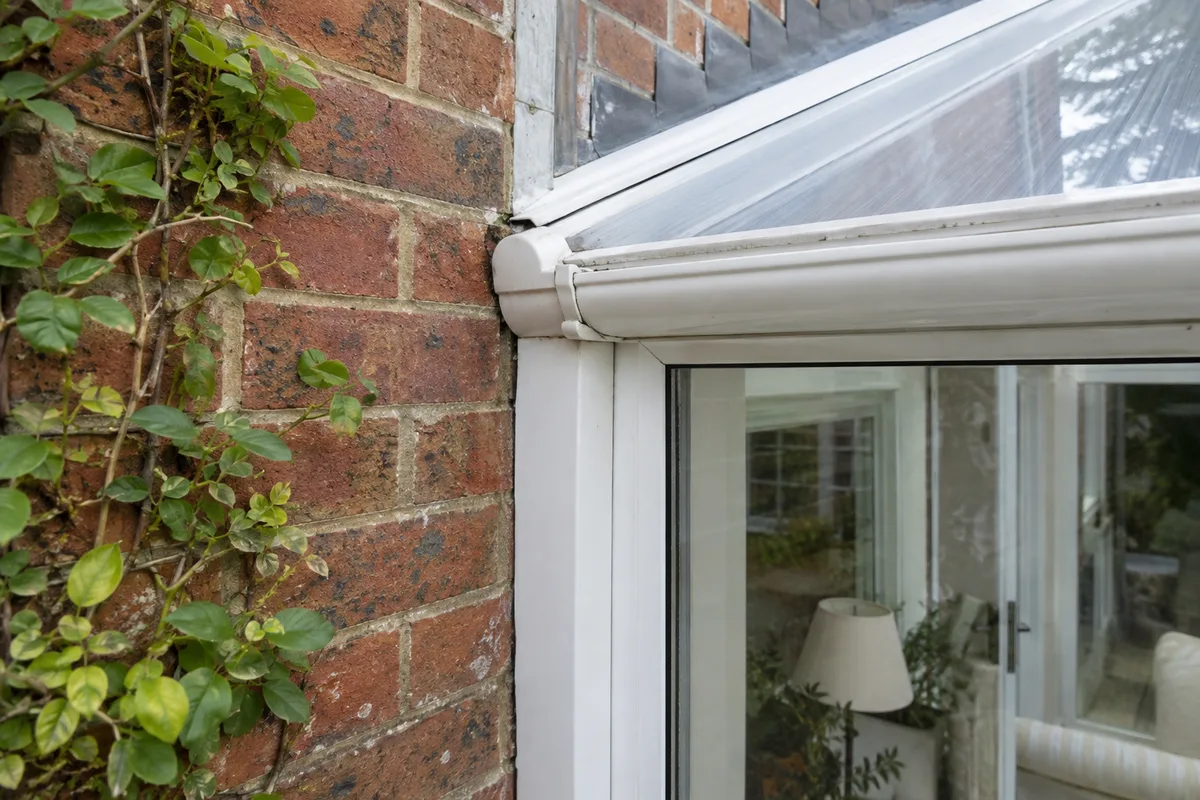
Questions about pest control in Dulwich
Should a repair list include every visible opening?
Ask for priorities tied to findings and building functions. Not every opening is relevant or suitable for filling.
Does completed proofing replace treatment automatically?
No. Identification and the assessment determine whether treatment or monitoring is also appropriate.
What should another repair contractor receive?
Give the observed feature, location and intended purpose, plus relevant approval and access requirements.
Can one specification suit every Dulwich building?
No. The actual fabric, services and responsibilities need considering, particularly where protected features may be affected.
How should completed work be checked at follow-up?
Keep dates and work details and compare them with fresh observations, while preserving any remaining inspection limitations.