
Pest Control Balham
Pet bowls, sleeping areas and an occupied kitchen can all affect how a visit is organised. Explain household routines early so preparation is realistic and instructions suit the chosen method.
Mention every animal using the affected rooms
Ask about precautions for the proposed method
Keep instructions where everyone can read them
Plan the enquiry
Tell the provider how the household uses the space
Separate an animal’s behaviour from evidence of a pest
Read preparation as a household plan
Know what must stay out of reach after the visit
Tell the provider how the household uses the space
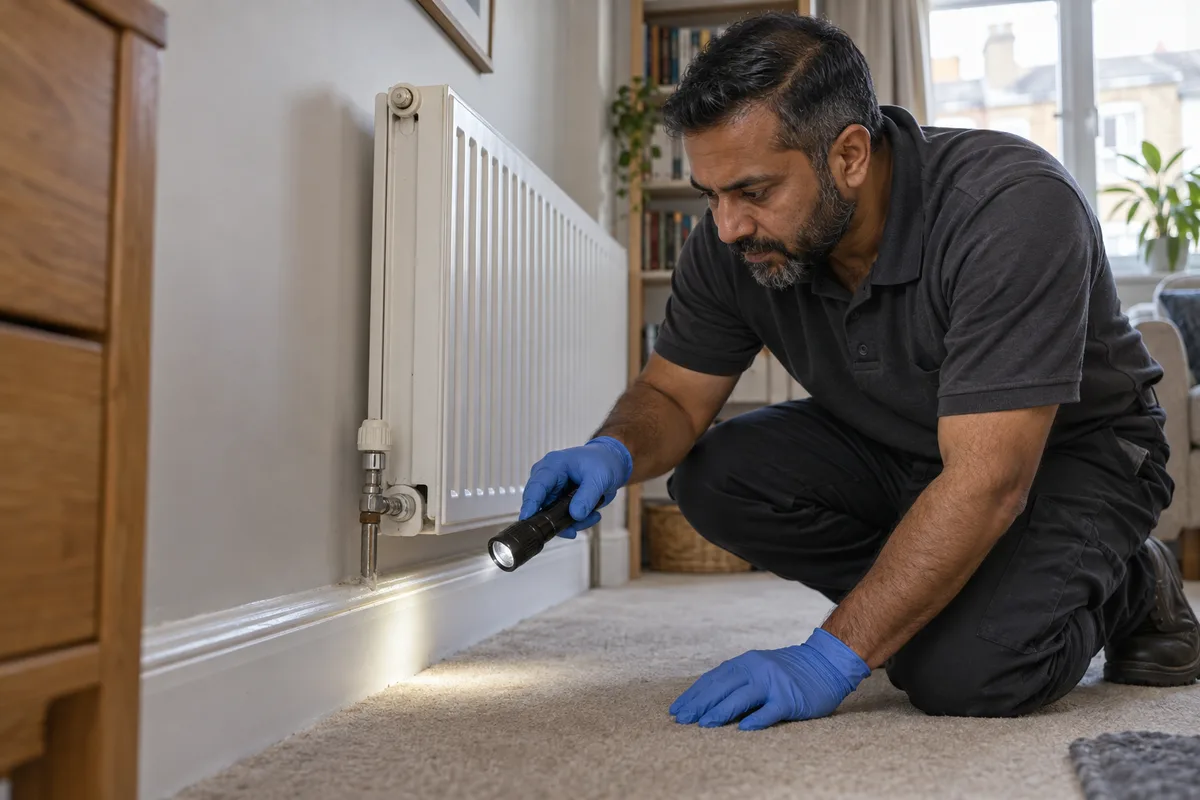
A booking conversation needs more than the number of bedrooms. Describe which rooms contain pet bedding, food bowls, cages or aquariums, and whether an animal can be kept away from the proposed work area. Mention children and any person who may be unable to follow instructions unaided. Do not assume a product or technique is suitable because it is commonly advertised for homes. The attending provider needs to explain the relevant precautions for their actual assessment and method.
Keep that conversation practical. If the kitchen is the only place where a pet can be fed, say so before being given preparation that depends on clearing it. If somebody cannot leave the premises easily, explain the constraint without sharing unnecessary private medical information. Ask what alternatives can be considered and whether the proposed visit remains suitable. An instruction that the household cannot carry out needs resolving before attendance.
Separate an animal’s behaviour from evidence of a pest
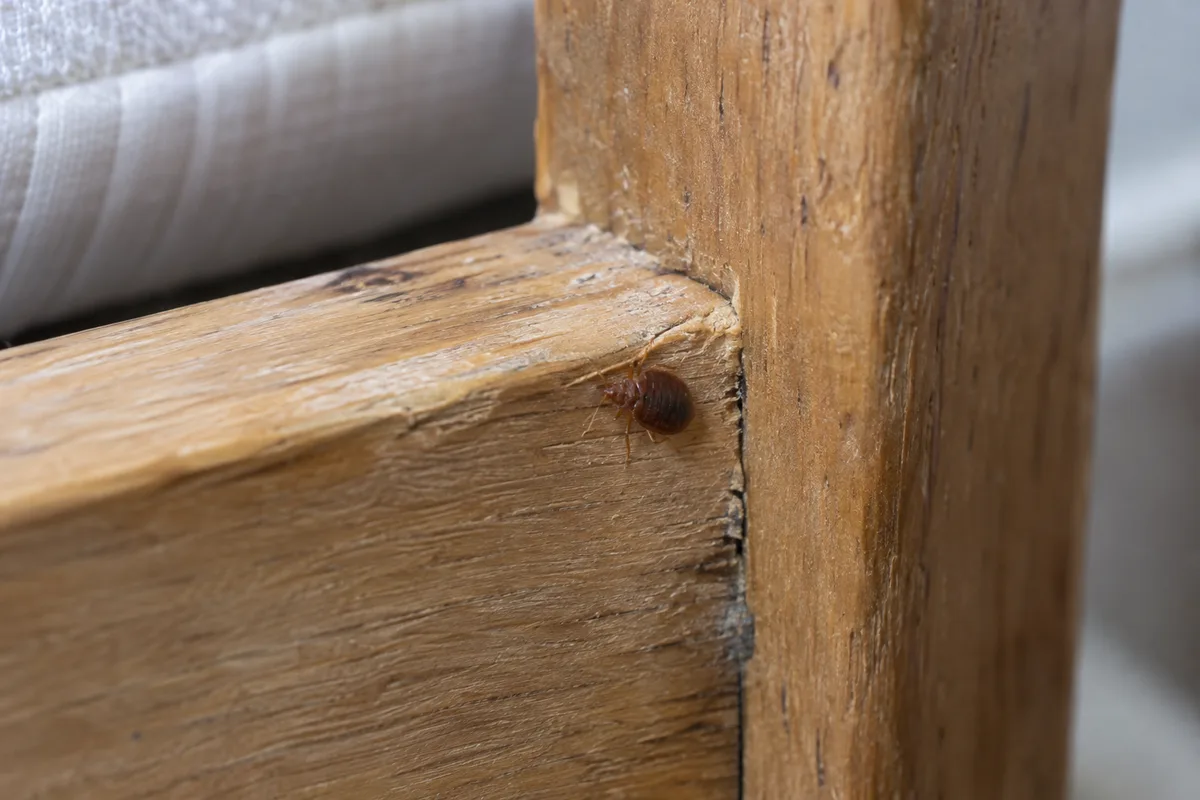
A dog watching a cupboard or a cat scratching near a wall may draw attention to a location, but it does not identify the cause. Note the behaviour alongside any direct findings, such as damaged food packaging or a photographed insect. Do not encourage an animal to investigate a void, catch a pest or contact suspect material. Keep the affected area inaccessible to pets while you ask for advice about the observation and appropriate cleaning.
For kitchen signs, the mouse inspection guide explains the value of precise locations and accessible checks. If the concern is a larger rodent outside, our rat control information covers the distinction between sightings and evidence of entry. A sighting near a food bowl does not tell you where an animal entered or establish activity throughout the home.
Read preparation as a household plan
Ask for preparation instructions in advance and identify who will carry them out. Secure food and utensils as directed, including animal food that may otherwise be overlooked. Clarify what should happen to bowls, toys and bedding in the affected room. Do not improvise by moving potentially affected items into a neighbour’s home or another occupied bedroom. The correct steps depend on the pest, method and findings, so a generic online checklist may be unsuitable.
For suspected bedroom insects, the bed bug treatment information is a useful starting point for questions about furniture and belongings. Give the provider details of animal sleeping areas as well as the human bed. Skin irritation in either a person or animal is not reliable identification by itself. Where health or veterinary advice is needed, seek it from the relevant professional rather than treating a pest-control enquiry as a diagnosis.
Know what must stay out of reach after the visit
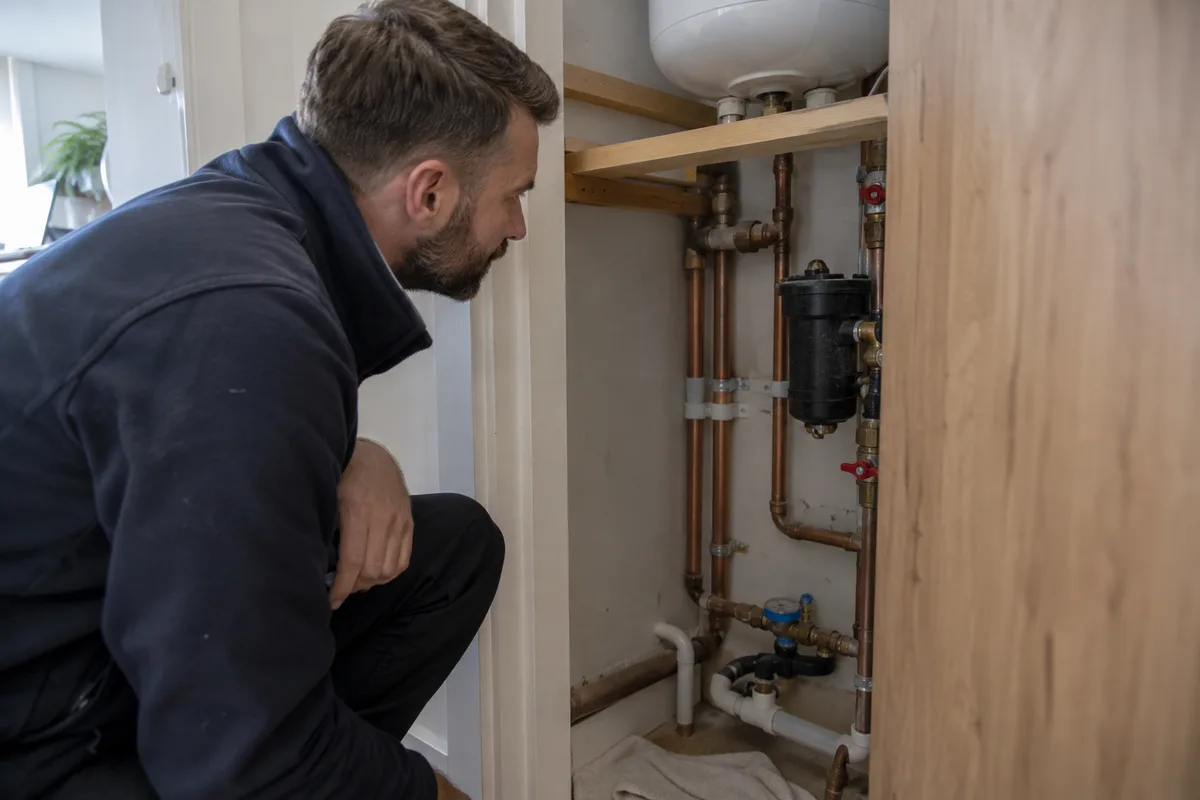
Before work begins, ask which treated areas or installed devices need to remain undisturbed and for how long. Request the instructions in a form that every adult in the household can use. A visiting relative, cleaner or pet sitter may otherwise move something without knowing its purpose. Explain who enters the home during the agreed programme and make the relevant precautions available to them without sharing unrelated details.
Do not relocate a device to make the room look tidier, open it to check its contents or let a pet investigate it. If an item has been damaged, displaced or contacted unexpectedly, keep the area secure and contact the provider for instructions. In a suspected exposure or illness, seek appropriate urgent professional advice and retain any available product information. The provider should tell you how to report a problem with their treatment arrangements.
Prevention must fit ordinary living
Leaving animal food uncovered overnight, overflowing kitchen waste and inaccessible cleaning areas can complicate prevention, but the answer should be a workable routine rather than blame. Ask which changes relate to the inspection findings. Suitable sealed storage and prompt removal of leftovers may be practical; permanently excluding a pet from its only usable room may not be. Discuss limitations so the provider can explain which recommendations matter most and where another arrangement is needed.
Building repairs also need a clear purpose. Follow the property proofing guidance when considering door seals and service openings, and leave required ventilation intact. Where the property is rented, send the landlord the observed defect and proposed repair rather than a vague request to seal everything. A route needs assessing safely, particularly if it sits close to an electrical fitting, pipe or appliance connection.
For a Balham flat within Wandsworth’s waste service area, the council’s communal food-waste guidance routes bin-package requests through managing agents. If shared storage needs improving, bring that manager into the prevention discussion instead of leaving each household to improvise its own bin-store arrangement.
Arrange a Balham visit with fewer surprises
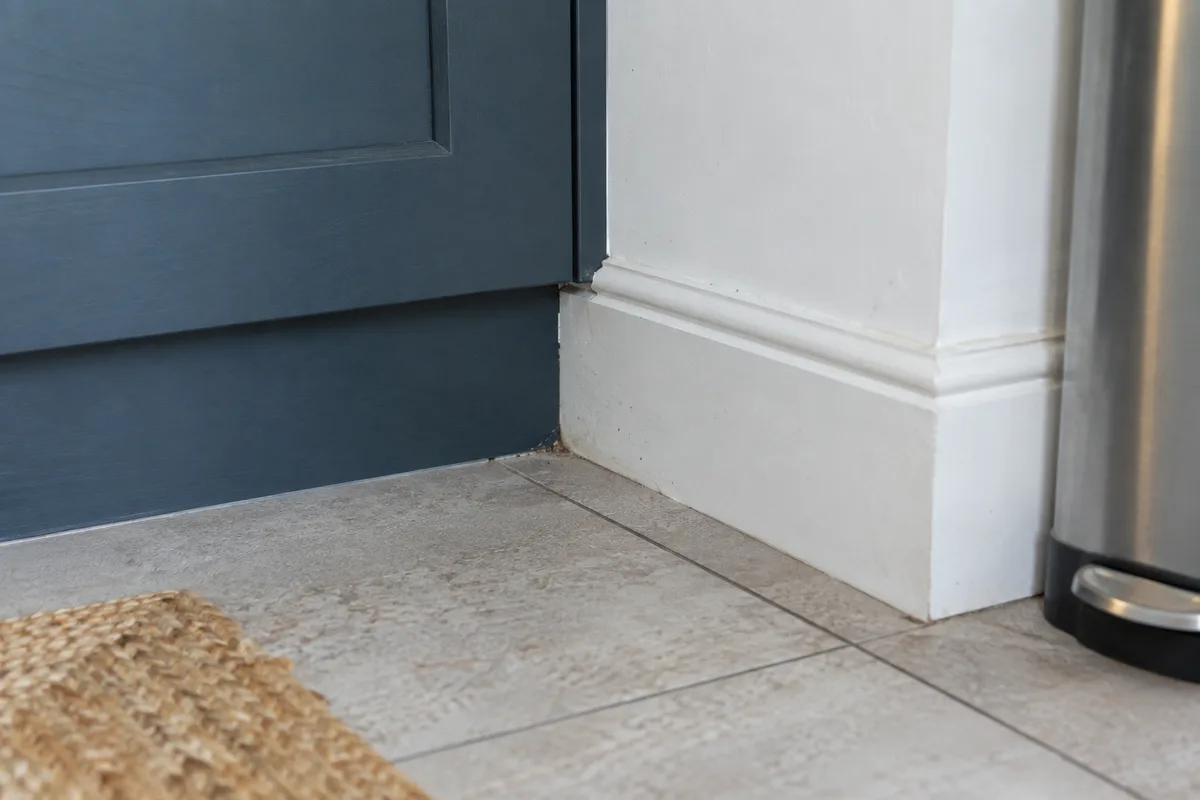
Balham addresses can involve different property responsibilities and access arrangements; give the postcode and describe your own home rather than relying on the area name. State who will be present, how the provider will enter and what household preparation you can complete. Confirm the next available appointment if the finding is urgent. Ask what the initial visit includes and whether follow-up is part of the proposed programme.
Keep a brief record after the assessment: the evidence found, chosen method, household precautions, any repair recommendations and what to report next. Fresh findings should be described by location and date rather than interpreted through a pet’s behaviour alone. At follow-up, tell the provider about changes to room use or animal access since the first appointment. That makes the instructions easier to keep relevant to the way the home is actually occupied.
Questions about pest control in Balham
Should I mention an aquarium when booking?
Yes. Describe its location and ask about precautions relevant to the proposed method. Do not assume it can remain in place without discussion.
Can my dog stay in the kitchen during inspection?
Agree this with the provider. Safe access, the findings and any proposed treatment can affect the arrangements.
Does a cat staring at a wall identify mice?
No. Record the location, but identification should rely on appropriate findings and inspection rather than behaviour alone.
What if I cannot follow a preparation instruction?
Contact the provider before the visit and explain the practical constraint so suitability and alternatives can be discussed.
Can a pet sitter move a monitoring device?
Devices should remain as instructed. Share relevant precautions with anyone caring for pets while the programme is running.