
Pest Control Brixton
Write the proposed work as a set of named units, rather than one building-wide instruction. A shop stockroom, home and shared feature need different evidence and contacts.
Name the stockroom in the business commission
Keep the resident’s private report separate
Use a shared message only for shared actions
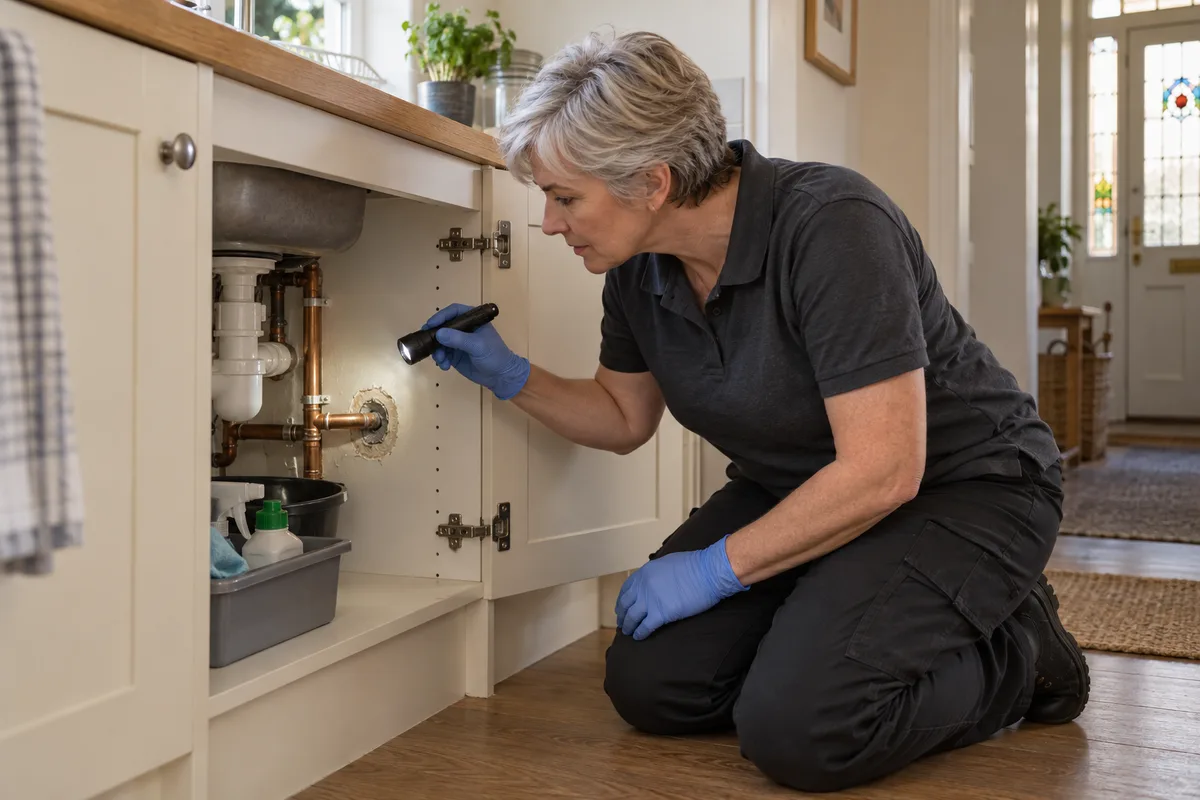
Begin the commission with a unit list
Use the unit name or number, its purpose and the finding that needs assessing. A shop’s entry might say: rear stockroom, damaged packet on lower shelf, photograph available, date recorded. The home entry should describe the resident’s own observation, if there is one, and whether they want an assessment. A shared-area entry can identify a defect or finding without claiming that it explains both units.
This is an illustrative planning format, not an account of work we have carried out. Its value is that it makes each requested task visible. Ask the provider to confirm which entries belong to the first visit and who can authorise them. Do not let a shop manager’s enquiry imply permission for every occupied room above, or a resident’s report imply approval to treat business stock.

Keep stock handling inside the business decision
The shop contact should explain the contents, relevant positions and what has changed since the finding. Ask what preparation helps assessment before clearing shelves. Do not put unexamined boxes into the residential stair or an occupier’s room to create space. If the stock includes food and contamination is suspected, use the business’s appropriate food-safety procedures and relevant advice rather than wait for a pest quote to decide whether goods remain in use.
For an insect beside equipment or sheltered storage, the cockroach assessment information helps frame identification and access questions. Record products already applied, including dates and locations. Tell the provider which stock areas remain available and which decisions need the business manager. This gives the assessment a specific commercial task instead of an undefined instruction to treat the building.

Use Brixton’s commercial context to organise the boundary
Lambeth’s Brixton town-centre resource identifies indoor and outdoor markets, restaurants and shops. Premises in that setting need their actual trading and storage arrangements described; one local label does not establish a standard unit layout. Where a business shares nearby access with housing, distinguish its stock and waste arrangements from the residents’ domestic use. The boundary needs to be workable on the day, not simply written on the quote.
Lambeth’s business-waste guidance also identifies timed collection areas in Brixton and separates business waste from household bins. Check whether the particular address is within a timed area before planning preparation or waste presentation. A stockroom clear-out should not leave goods or business waste in the resident’s domestic bin arrangement or shared route.
Let the resident supply a private household entry
The resident can describe their room-level finding, availability and practical preparation limits directly to the provider. A shop’s incident record does not need their health details or photographs of private belongings. If the concern is suspected mice in a household kitchen, the mouse inspection guide helps specify observations and accessible locations. Keep the date and evidence separate from the shop’s damaged packet, even where both seem similar.
A resident message might say: kitchen cupboard finding recorded on Tuesday; assessment requested for the flat; access available by agreement; no authority offered for the stockroom. The content explains scope without alleging a source. Do not promise that both units need the same method or preparation. The provider should establish identification and appropriate instructions for the actual assessed premises.

Write staff and resident messages for different recipients
A staff message can identify the agreed stockroom access, who meets the provider and what goods must remain available for assessment. A resident message can identify their own appointment and relevant room preparation. The shared message should cover only common tasks, such as a manager opening the authorised service cupboard or receiving a specific maintenance finding. This keeps instructions usable without circulating private material or turning every update into a whole-building announcement.
Ask the residential and commercial service enquiry to confirm the scope for each unit. Name who can approve an additional proposal. If the shared defect requires maintenance, give its position and purpose to the responsible contact; do not ask staff or residents to improvise repairs to services or required ventilation. Keep that action separate from the treatment instructions each occupier receives.
Close the loop against the unit list
After attendance, mark what was assessed in each authorised entry, what remained unavailable and which actions are next. A stockroom inspection should not be marked as a flat assessment, and a shared repair should not be described as treatment in both units. Record fresh findings against the same unit identifiers and tell the provider about stock moves, room changes or further products before review.
For urgent pest control in Brixton, give the postcode, current finding and the units whose authority and access are confirmed. Ask for availability and preparation. The useful result is a set of factual decisions that staff and residents can act on separately, with genuinely shared actions coordinated through the manager. It avoids everyone receiving one vague building-wide instruction while the original stockroom evidence loses its location and responsible contact.
Questions about pest control in Brixton
What belongs in a unit-by-unit commission?
Name the unit, use, direct finding, requested assessment and authorised contact. Keep shared features as separate entries.
Can the shop hold the resident’s private evidence file?
Share only information needed for agreed common actions. Residents can supply private-room details directly to the provider.
Should business stock be moved through residential rooms?
Avoid transferring unexamined goods to create access. Agree appropriate preparation within the business’s arrangements.
Do timed collections apply to every Brixton address?
Check the address against Lambeth’s current guidance. The presence of a Brixton timed area does not mean every premises has the same collection arrangement.
How do we record one shared repair after separate inspections?
Name the feature, responsible contact and completion date separately from the findings and instructions for each unit.