
Pest Control Tooting
When a pest concern involves food stock, the manager needs to address food safety as well as arrange assessment. Keep affected items, current evidence and operational decisions clearly identified.
Bring the food-safety lead into the incident
Identify stock and surfaces that may be affected
Keep assessment and operational decisions distinct
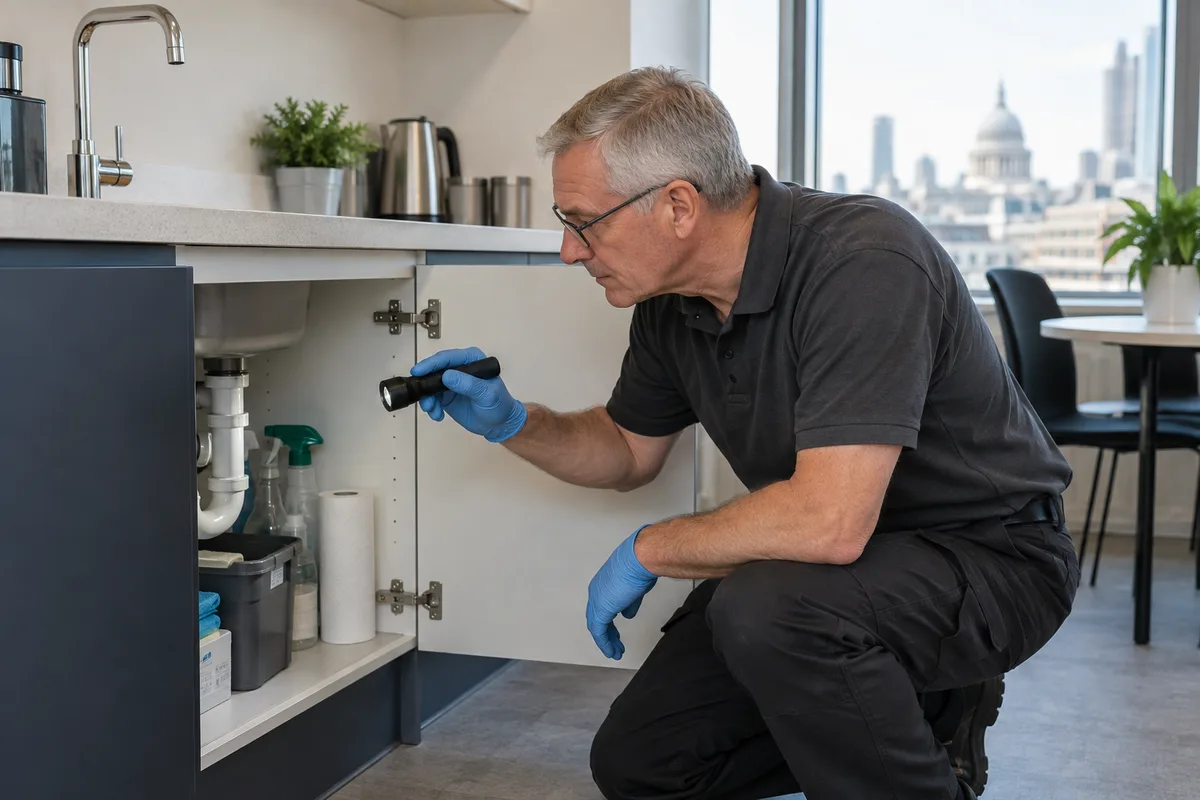
Put the finding in front of the responsible food-business contact
Tell the manager what was found, its time and exact position, and whether food, packaging, equipment or a preparation surface may be involved. A brief direct account is more useful than a message that something was seen somewhere in the kitchen. If a photograph can be taken safely, keep it with the incident record. Do not make handling or photographing suspect material a condition for escalating the concern.
Wandsworth’s local plan describes Tooting’s centre as including larger retailers and independent shops. State the actual business use: a food retailer, café, takeaway or another premises can have different stock and operating arrangements. The person deciding what happens next needs to understand that setting. A pest-control booking does not replace the business’s food-safety management or establish that the current stock and working area are suitable for continued use.
Use the food-safety instructions for affected items
The Food Standards Agency’s Safer food, better business guidance for caterers says to discard food thought to have been touched by pests. It also advises washing, disinfecting and drying equipment, surfaces and utensils where pest contact is suspected, and contacting a pest contractor immediately for signs of infestation. Bring these actions into the responsible manager’s incident decisions; do not put suspect food back into circulation while waiting for an appointment.
Keep the product or stock reference, location and action taken in the business’s appropriate record. A discarded item and a whole delivery are different decisions, so do not let a vague staff message stand in for identifying what may be affected. If the situation raises a wider food-safety incident question, seek the appropriate advice through the business’s procedures and relevant authority rather than expect a pest quote to resolve it.
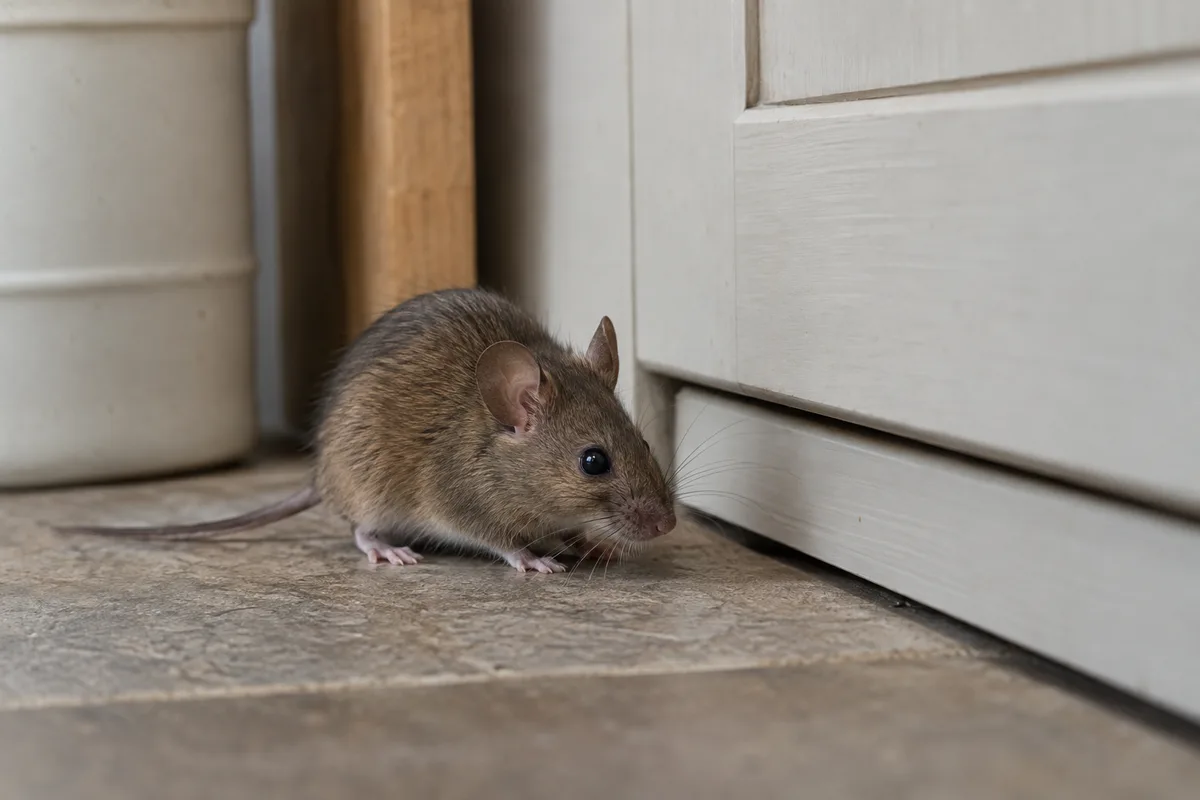
Reject a suspect delivery without distributing it around the kitchen
The FSA’s pest-control safe method advises checking deliveries and not accepting those showing pest signs such as gnawed packaging or insects. Give receiving staff a clear route to the responsible manager when they notice a concern. Preserve the useful delivery details and direct observation without turning uncertain identification into an allegation about a supplier. The timing alone does not prove the source of every finding already inside the premises.
If goods are already on site, follow the appropriate stock and food-safety arrangements. Do not move unexamined boxes into another unit, residential room or shared stair to make the inspection space look clear. Ask the provider what access helps assess the premises and explain which contents cannot simply be moved. Stock handling should remain organised by the responsible business contact rather than improvised independently by several staff members.
Ask the inspection to answer identification and extent questions
For insects near equipment, the cockroach assessment guide helps frame questions about the finding, appliance access and previous products. An insect beside a machine does not identify every concealed area as affected. Ask what evidence supports identification and what spaces can be examined. Do not spray into equipment or pull out heavy apparatus without appropriate safe arrangements.
For damaged packaging or suspected rodent signs, use the mouse inspection information to describe shelf and room positions. Keep outdoor observations separate. Give dates and locations for existing treatments or monitoring. The FSA cautions against pest-control chemicals contacting food, packaging, equipment or surfaces. Do not add a retail product to a working food area while seeking advice about the current concern.
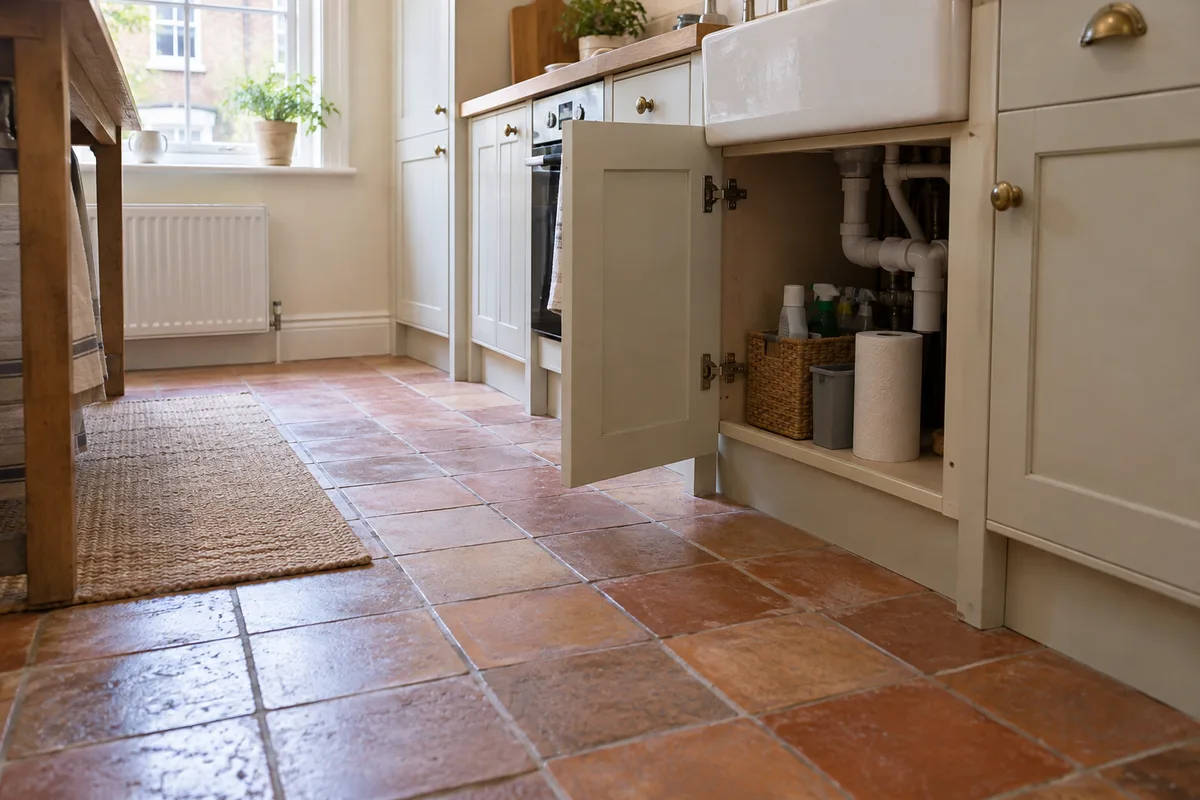
Record operational decisions rather than assume trading can continue
The responsible business contact should decide how the finding affects the affected process and premises using appropriate food-safety procedures and advice. A scheduled pest visit is not clearance to use suspect stock or an unassessed area. Equally, the appointment description should not be treated as a universal instruction to close every part of the business without considering the actual incident. Record the concern, decision-maker, advice obtained and action taken.
For urgent pest control in Tooting, give the postcode, current evidence and the access window that can actually be arranged. Confirm availability and what the initial visit includes. Explain whether equipment needs appropriate isolation or a maintenance person, and who can approve additional work. Staff preparing the premises should receive instructions for the proposed assessment or method, not a generic list passed on without its purpose.
Turn the findings into actions that can be checked
Ask the provider to identify assessment limits and explain any recommended maintenance by feature and position. The pest-proofing information helps separate a damaged threshold or service opening from general housekeeping. Required ventilation and service access must remain functional. Identify the landlord or manager for shared defects so a recommendation does not disappear between the food business and building contact.
Keep the incident record, provider feedback and completed actions together. A repair date, stock-handling action and new observation each describe a different part of progress. Tell subsequent shifts what instructions remain relevant and how to report fresh findings. At review, ask what has been established and what remains outstanding. The aim is a useful response to the food and premises concern, rather than another attendance being treated as proof that every food-safety decision has been settled.
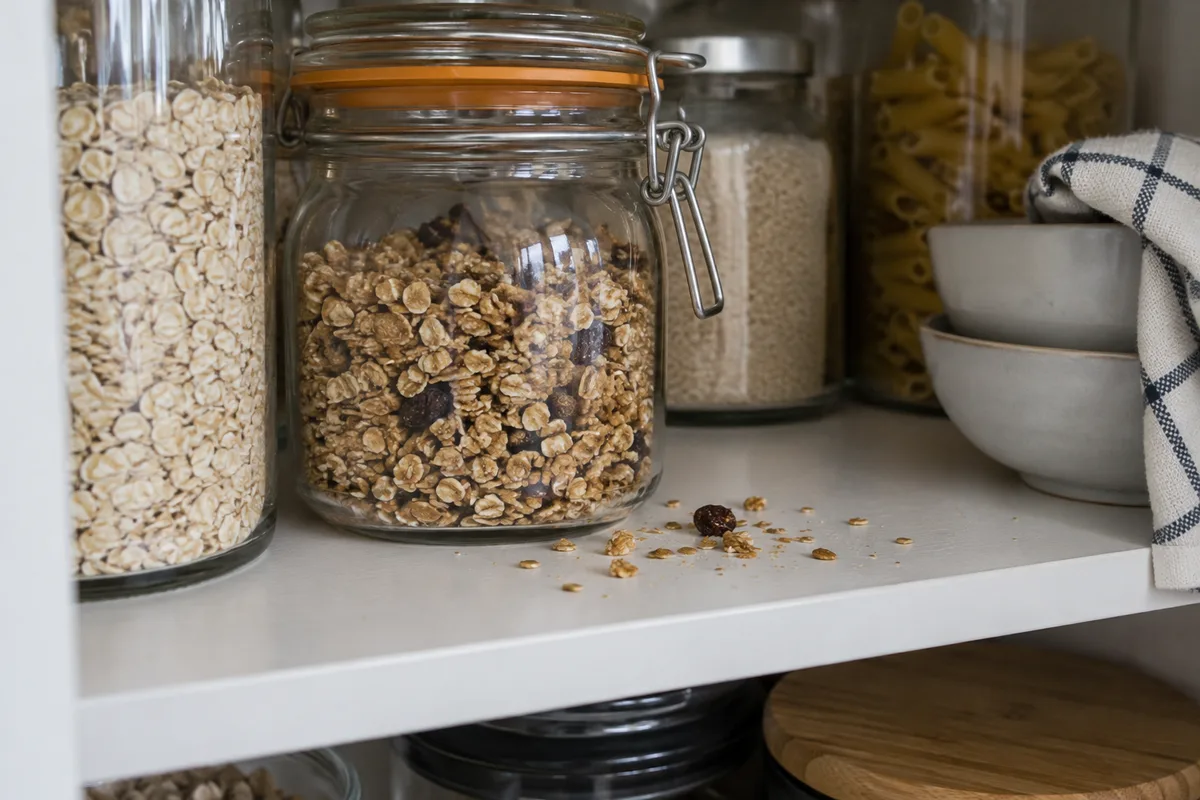
Questions about pest control in Tooting
Can suspect food remain in use while we wait for a pest visit?
FSA guidance says food thought to have been touched by pests should be discarded. Follow the business’s appropriate food-safety arrangements.
Does booking a contractor clear an affected area for trading?
No. Operational decisions need the responsible food-business contact using relevant procedures and advice.
What should receiving staff do with a delivery showing pest signs?
FSA guidance advises not accepting such deliveries. Escalate the finding through the business’s appropriate arrangements and retain useful details.
Can stock be shifted to another unit to prepare?
Do not redistribute unexamined goods. Agree preparation while following appropriate stock and food-safety procedures.
Which records make the incident easier to review?
Keep direct evidence, affected stock references, decisions, advice, provider findings and completed actions together with their dates.