
Pest Control Tufnell Park
An under-stair cupboard can hold useful evidence as well as pipes, cables and years of storage. The aim is to make observations accessible without turning a small concern into unsafe work.
Photograph signs in their original position
Identify services before moving panels
Keep suspect storage out of other rooms
Plan the enquiry
A quick answer before you start clearing
Describe the finding rather than naming the pest
Choose what to move and what to leave
Keep private storage out of the inspection photograph
A quick answer before you start clearing
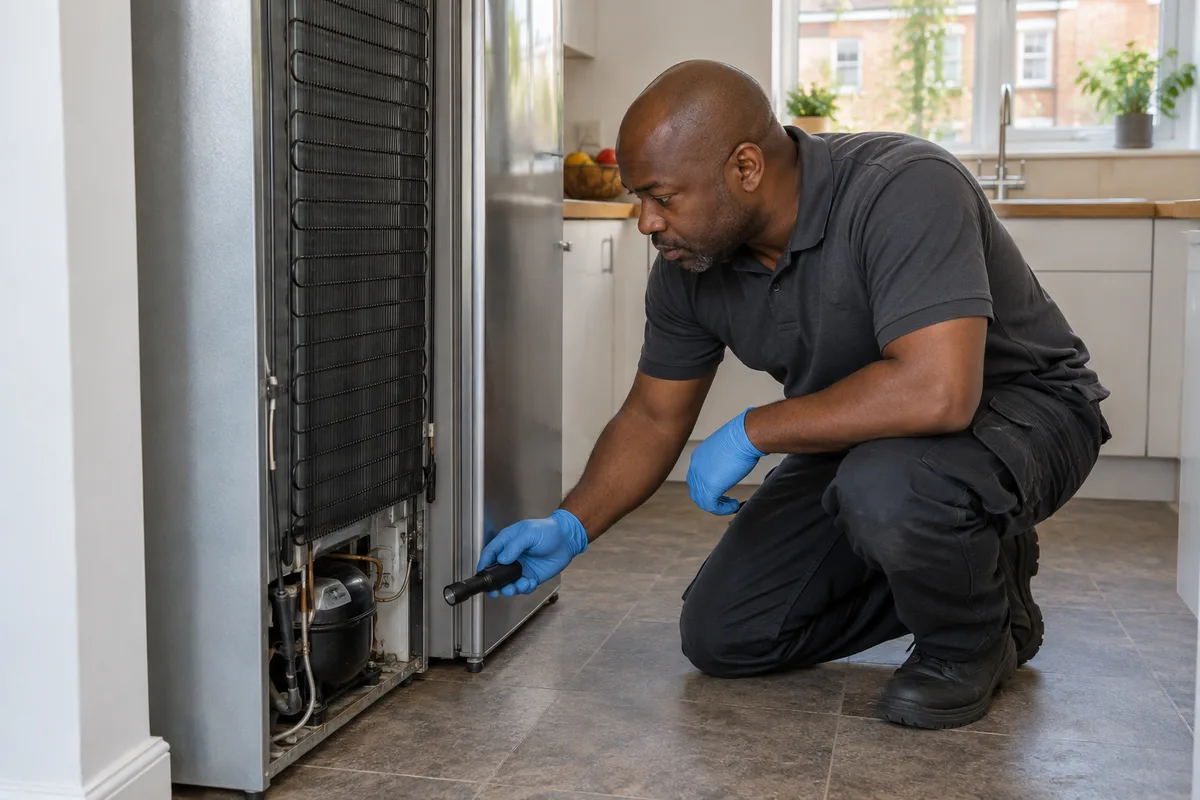
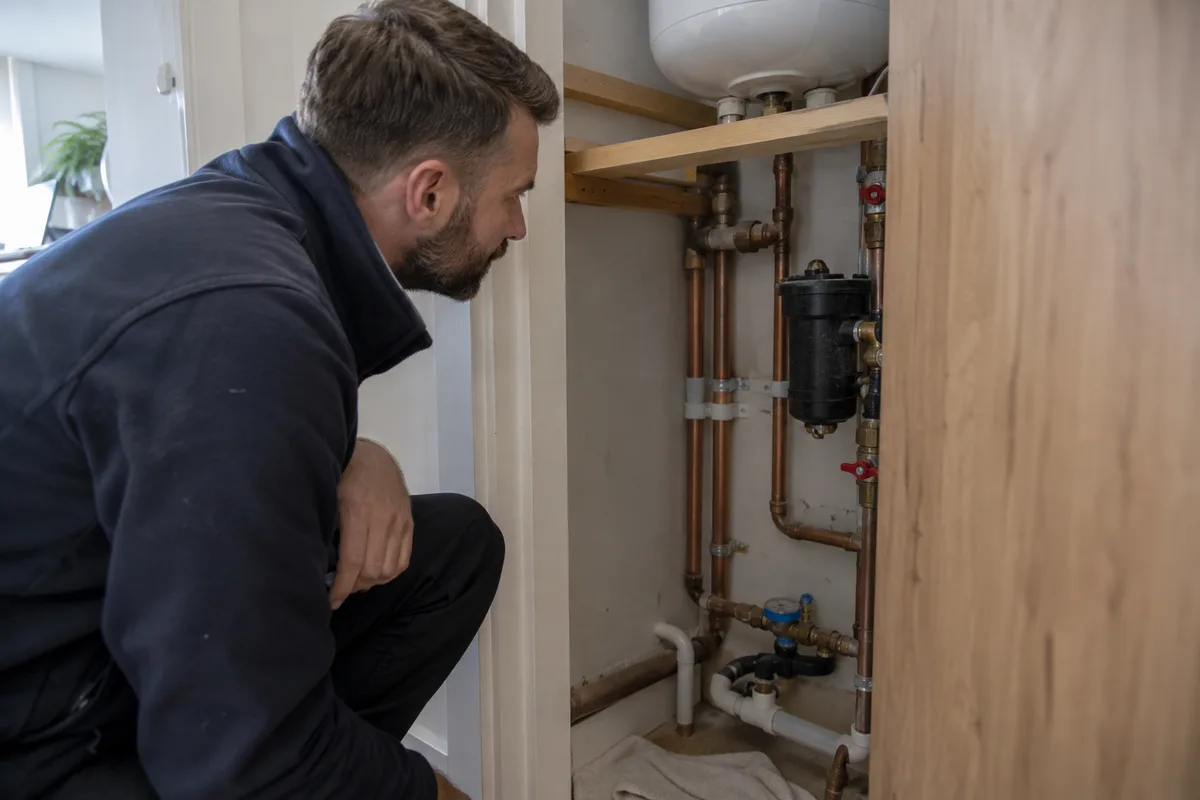
Do not put your hand into a dark gap to find out what is behind it. Use the cupboard normally only where it is safe, and report the concern before stripping out panels or moving electrical equipment. Take a photograph of the visible sign and another showing the whole cupboard. If the space contains the consumer unit, a meter or plumbing, mention that when booking. Access to those systems may need an appropriately qualified person rather than a pest technician.
Tufnell Park addresses can fall on different sides of local administrative boundaries. Use the full address when speaking to an owner or council, particularly about a proposed building repair. A neighbourhood name is not a reliable substitute for checking who manages a specific property. For the pest enquiry, the useful facts are the cupboard’s position, what you have observed and whether the adjoining room has any separate signs.
Describe the finding rather than naming the pest
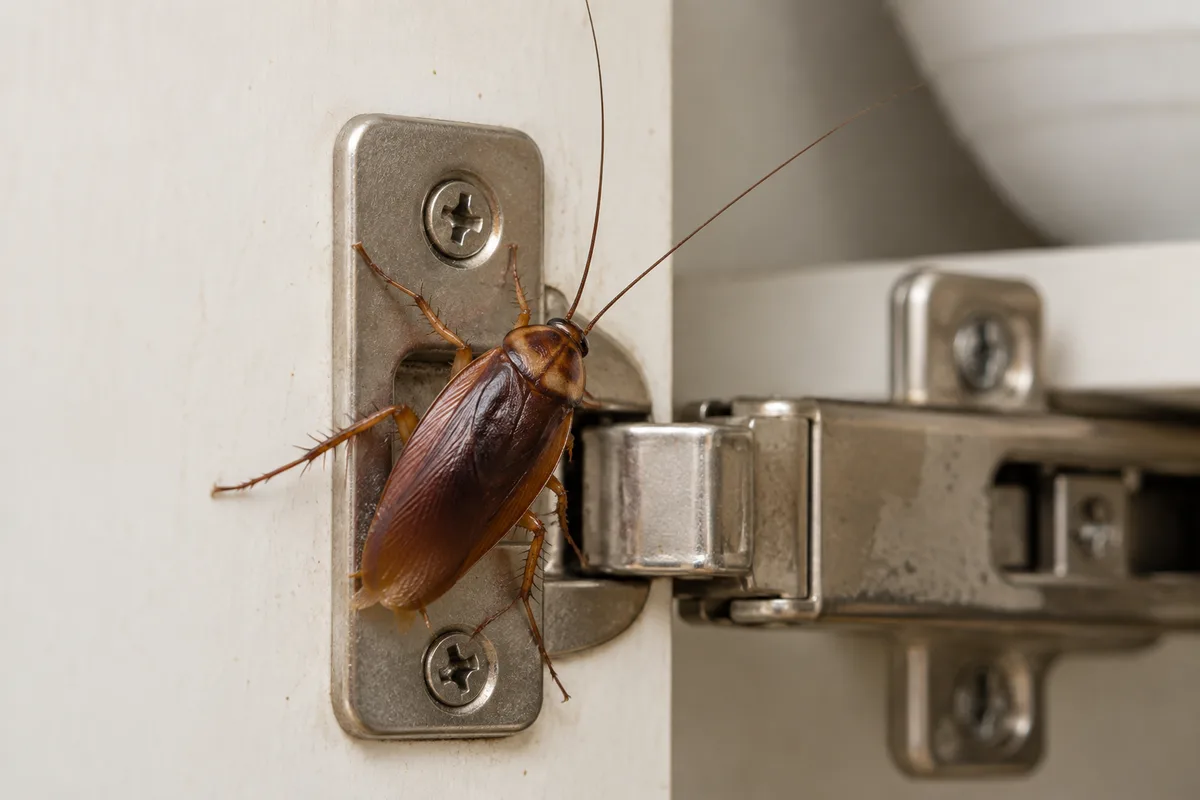
Small dark fragments, gnawed packaging and sounds are not interchangeable evidence. Explain which you have found, how much there is and whether it has appeared again after the original discovery. A photo can help the provider decide what to inspect, but it may not be enough to confirm identification. If an insect is visible, ask how to retain it safely. Do not squash every specimen and leave only a verbal description of its colour.
Our guide to checking suspected mouse activity covers why observations need to be assessed together. A cupboard under a staircase is not automatically a rodent nest. Nor does the absence of a visible animal settle the question. The inspection should explain what was found, which accessible routes were checked and what remains uncertain because a void cannot be reached.
Choose what to move and what to leave
Make a list of the items that obstruct the floor edge. Shoes, household supplies and empty containers may be straightforward to move; heavy boxes, damaged bags or equipment connected to services need more care. Ask how much clearance the visit requires. Keep any potentially affected belongings separate from clean storage until you receive instructions. Avoid carrying loose material through bedrooms or preparing it for donation before the concern has been assessed.
An unidentified insect in clothing storage may require a different approach from kitchen rodent signs. Explain whether the same finding appears in a sleeping room. The bedroom evidence and preparation guide is relevant when that concern exists, but bites alone cannot establish that the cupboard is involved. Give the provider the actual locations rather than combine every household symptom into a single infestation story.
Keep private storage out of the inspection photograph
Under-stair cupboards often hold documents as well as household items. Before sharing a wider photograph, check that it does not expose addresses, financial details or personal paperwork. The provider needs the finding and room position, not unrelated records. You can move unaffected paperwork carefully while leaving the observed location identifiable.
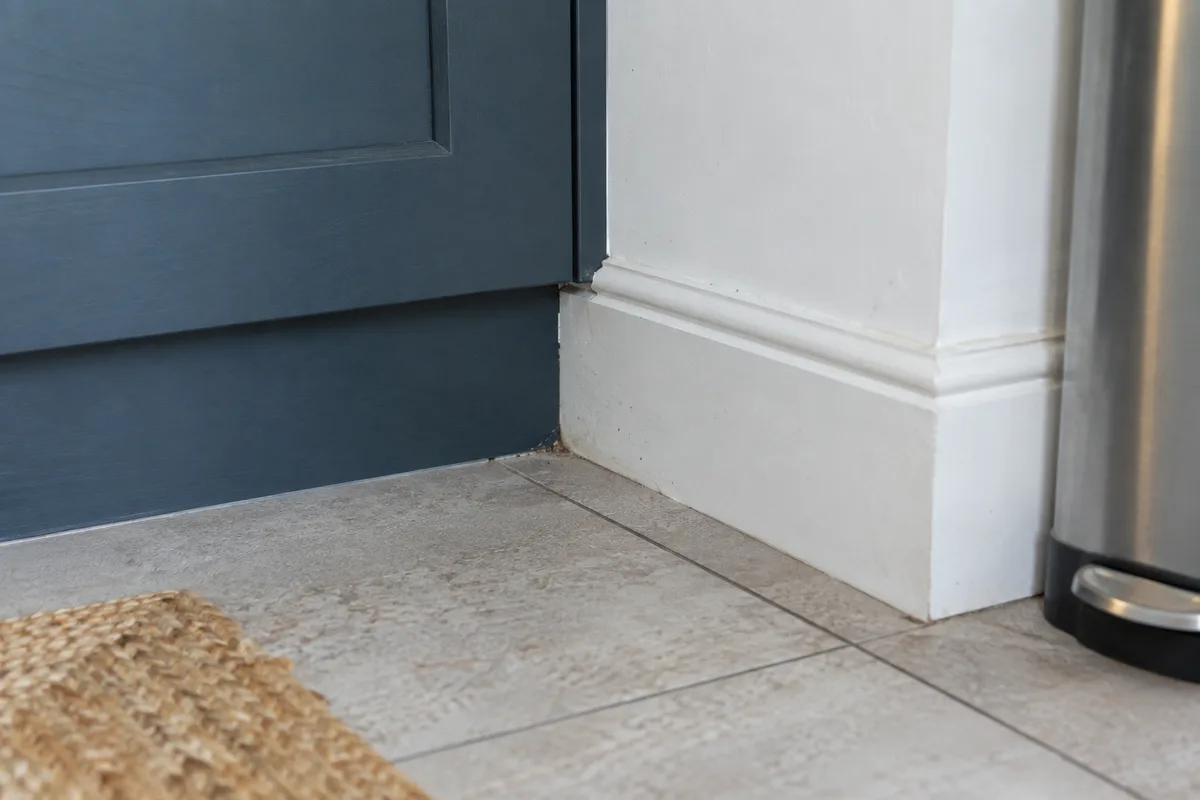
Ask who needs to receive the image if a landlord or contractor will use it. A photo that shows the relevant pipe edge and floor corner can support a repair request without circulating the entire cupboard contents. Keep the date and a short location label with the image. If you have already cleared the surface, retain the original view for context and explain what was moved. This preserves the useful evidence while giving you a manageable way to prepare a small, private storage space.
What a useful inspection record includes
Ask for the original finding to be located clearly in the report. A description such as lower rear corner beside the pipe is easier for a repair contractor to use than cupboard problem. Photographs should show scale and context without exposing private paperwork stored nearby. Where a panel cannot be removed safely, the report should state that limitation. No one can certify the condition of an unseen staircase void simply by looking through its doorway.
If treatment is recommended, ask which pest the evidence supports, what area the programme covers and how a review will be arranged. Keep the inspection, treatment and any building work identifiable in the quote. You may need the landlord to approve one part and a separate contractor to complete another. A clear record makes it easier to obtain that approval without repeating the investigation from the beginning.
Repair the route without damaging the cupboard
A service gap may look easy to fill, but the material, location and purpose of the opening matter. Our explanation of safe proofing decisions sets out why assessment comes before a permanent repair. Do not pack an electrical enclosure, obstruct ventilation or conceal a leaking pipe behind new sealant. Where a building owner is responsible, send them the finding and ask who will arrange the appropriate work.
Once the cupboard is back in use, store contents so the accessible floor edge can still be checked. Record genuinely new signs with the date and location, rather than repeatedly photographing old damage. Ask which cleaning is permitted after treatment and whether any equipment must remain untouched. A modest inspection space is useful at the next review. Call with your postcode and description of the cupboard when arranging a Tufnell Park appointment, including any access restrictions or services that need special care.
Questions about pest control in Tufnell Park
Should I remove the cupboard lining?
Do not dismantle it without advice. Services or structural elements may be concealed behind the surface.
Is a photograph enough to identify droppings?
It may help, but the provider may need an inspection and other evidence before confirming the problem.
What if the cupboard contains a meter?
Mention it when booking and avoid interfering with the meter or its connections.
Can I put the stored items in another bedroom?
Ask for handling advice first if they may be affected; moving them can spread the concern.
How should I label a new observation?
Record the date, precise cupboard location and a contextual photo where safe.