
Pest Control Kentish Town
A chewed bag in a shed and a noise inside the house may be connected, or may be separate findings. A simple location record helps an inspection test the right possibilities.
Separate indoor and outdoor findings
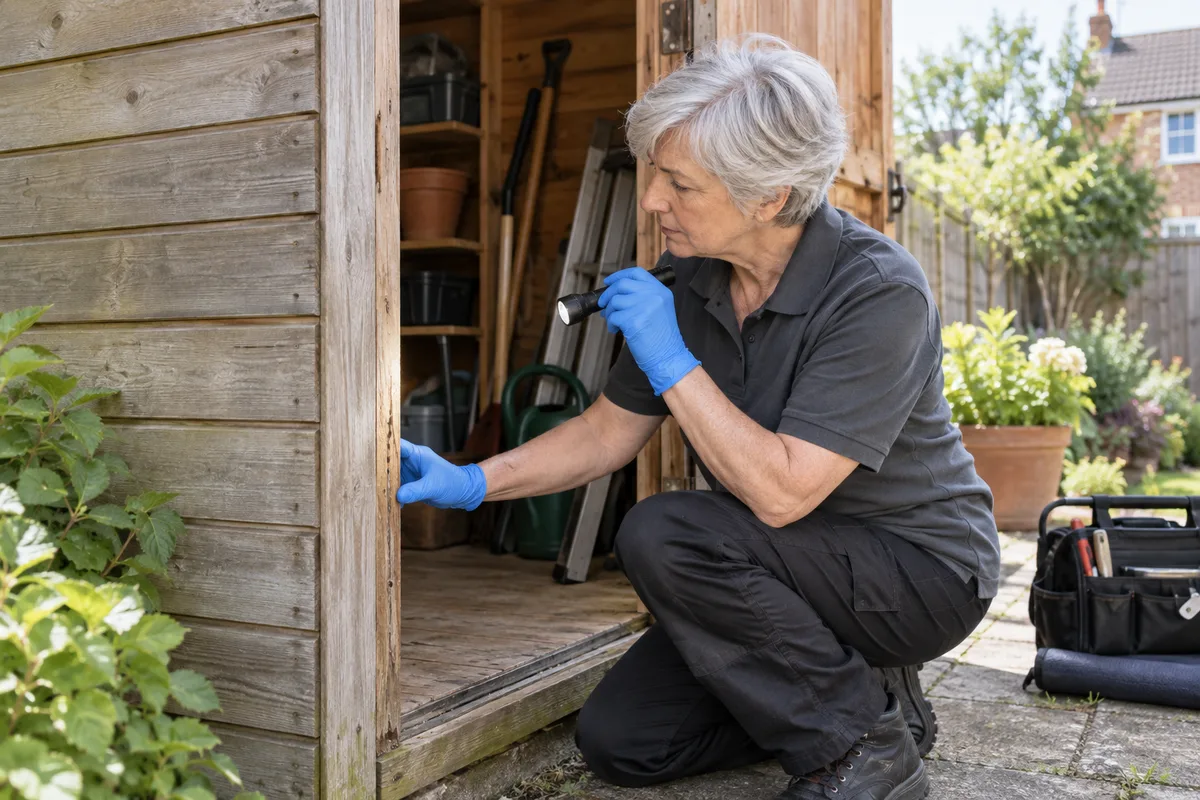
Make the shed accessible safely
Avoid sealing an unidentified route
Start with a map of the places affected
Sketch the house, garden and any accessible outbuilding. Mark where you found damage or saw an animal, with the date beside each observation. The drawing does not need to be accurate enough for a building plan. Its purpose is to show whether reports concern a kitchen, a shed beside the boundary or several different locations. Add where pet food, bird food and garden supplies are kept. Do not describe an entire garden as infested because one animal crossed it.
Kentish Town has a conservation-area appraisal published by Camden Council. If a repair recommendation concerns an external wall, boundary structure or other protected fabric, check the property’s position and any relevant permission requirements. This is a repair question, not evidence of pest activity. A garden inspection should still concentrate on what can be seen at your address rather than assume that neighbouring properties have the same issue.
Stored materials can hide useful evidence
Before the visit, explain what is in the shed and whether the floor can be reached without moving unstable stacks. Cardboard boxes, unused pots and bulky tools can obscure the edge of the structure. You do not need to empty everything into the garden without advice. Agree a sensible amount of clearance that gives the technician access while keeping any suspect materials contained. Children and pets should be kept away from damaged food bags or unidentified droppings.
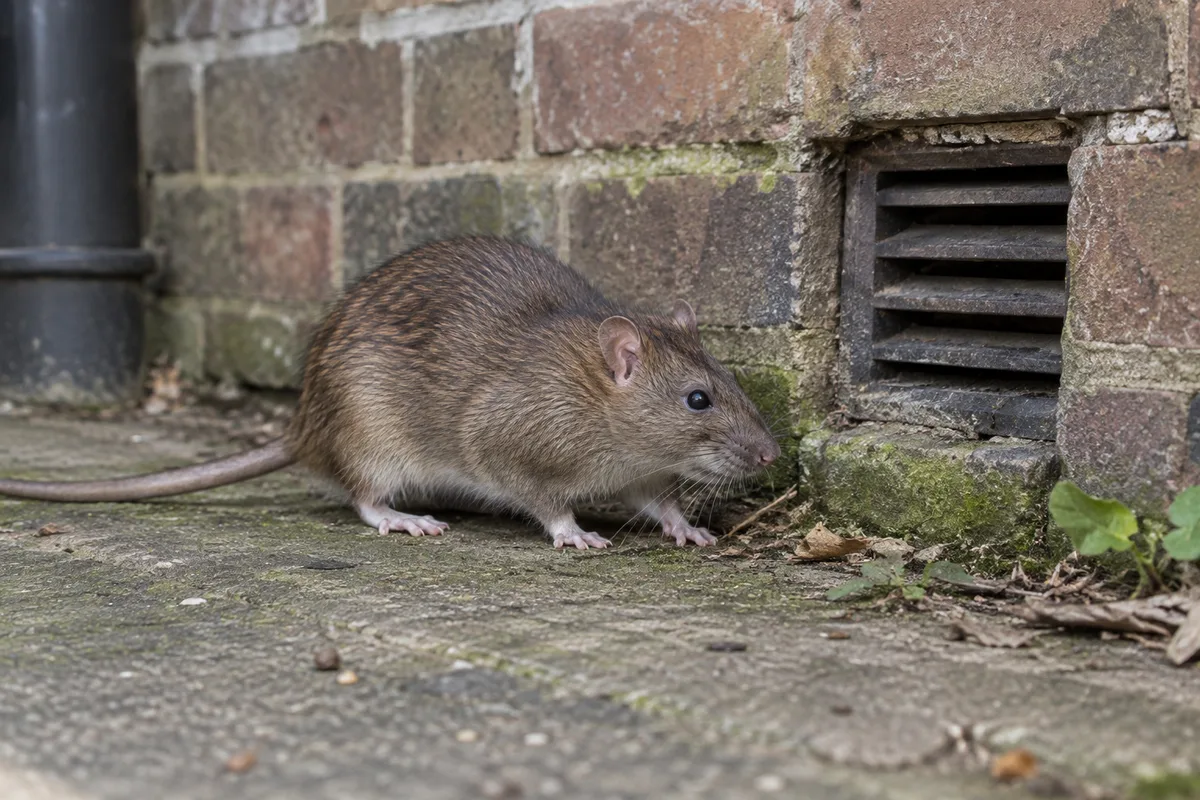
Our rat inspection guidance distinguishes a sighting from evidence that needs a treatment programme. Tell the provider if food has been damaged, whether fresh signs keep appearing and whether any route into the house is suspected. A single observation outdoors does not establish which rooms need treatment. Avoid buying a product simply because its packaging shows the animal you think you saw.
The house still needs its own checks
Outdoor observations should not replace a look at indoor evidence. Record any findings around kitchen units, stored food or service openings separately. There may be no signs inside at all, and that is useful information. If you hear scratching, give its approximate location and time without insisting on a species. A technician may need to inspect accessible cupboards before deciding what the sound could mean.
The information on mouse activity inside a home can help you prepare for that discussion. Keep food in suitable closed containers and remove accessible spillages, but leave suspected structural openings alone until their purpose is understood. Ventilation and drainage must continue to work. Do not prise a panel off a boiler enclosure or disconnect equipment to create inspection access.
Keep feed storage separate from garden waste
Mention bird seed, pet feed and any damaged bags during the enquiry. Store unaffected supplies in suitable closed containers and avoid leaving spilled feed concealed beneath other garden items. Do not move potentially affected bags into the kitchen to protect them from the weather. Ask for appropriate handling advice and keep their original location in the observation record.
Garden waste and food storage should remain distinguishable in the inspection account. A compost area, shed shelf and pet feeding position do not all present the same question. Mark them separately on your simple sketch and explain who maintains each one. If access to a shared store is restricted, arrange the responsible contact instead of assuming it can be checked during a garden walk. These details help the provider recommend practical changes tied to the evidence rather than an instruction to remove everything outdoors.
Garden access affects the booking
Give clear instructions for reaching the rear of the property. Is there a side gate, or must the technician walk through the house? Is the gate locked? Are there steps or an occupied room on the route? Explain these details when asking for an appointment. In a rented property, identify who can approve treatment in the garden and who is responsible for a shed that may belong to the landlord.
Businesses with external storage need to identify what stock is present and whether anybody can safely move it. The inspection scope should say which outdoor and indoor areas are included. Ask for any access limitation to be recorded. A report about the visible shed floor cannot establish the condition of a sealed void beneath it. If a further specialist assessment is advised, ask what finding prompted that recommendation.
Prevention should match the source of access
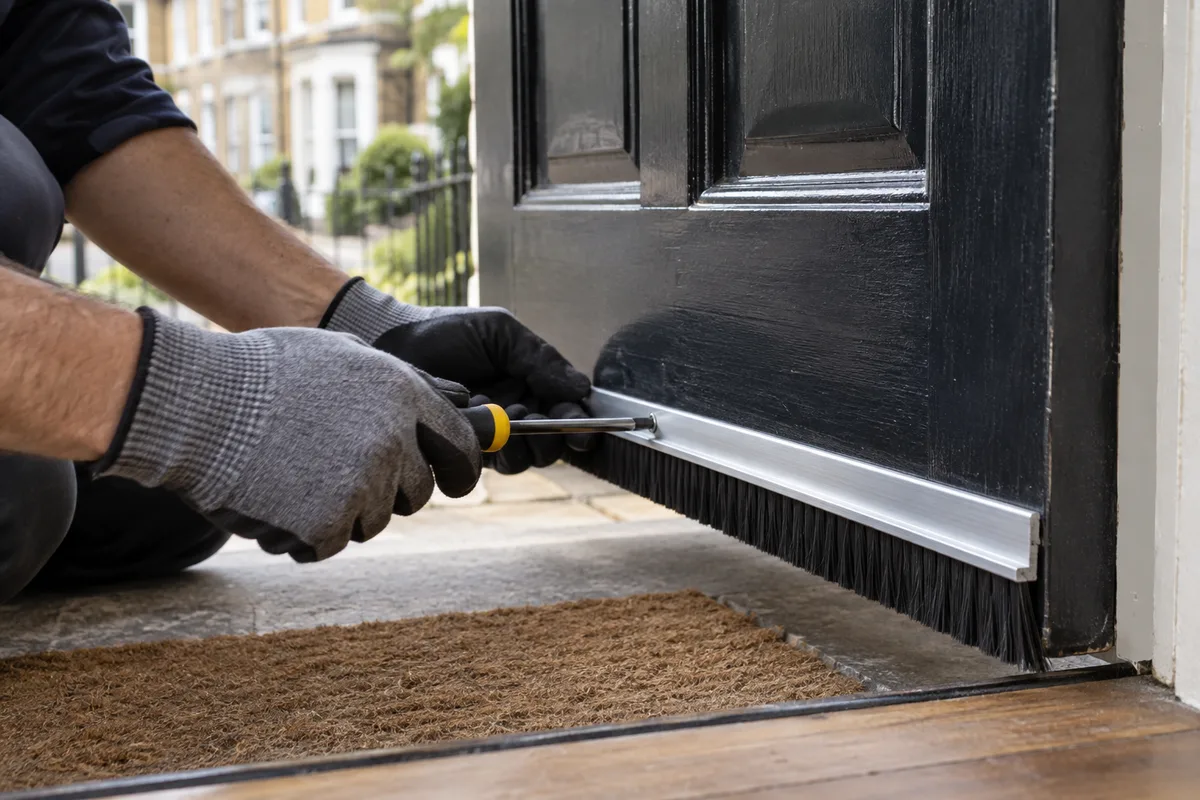
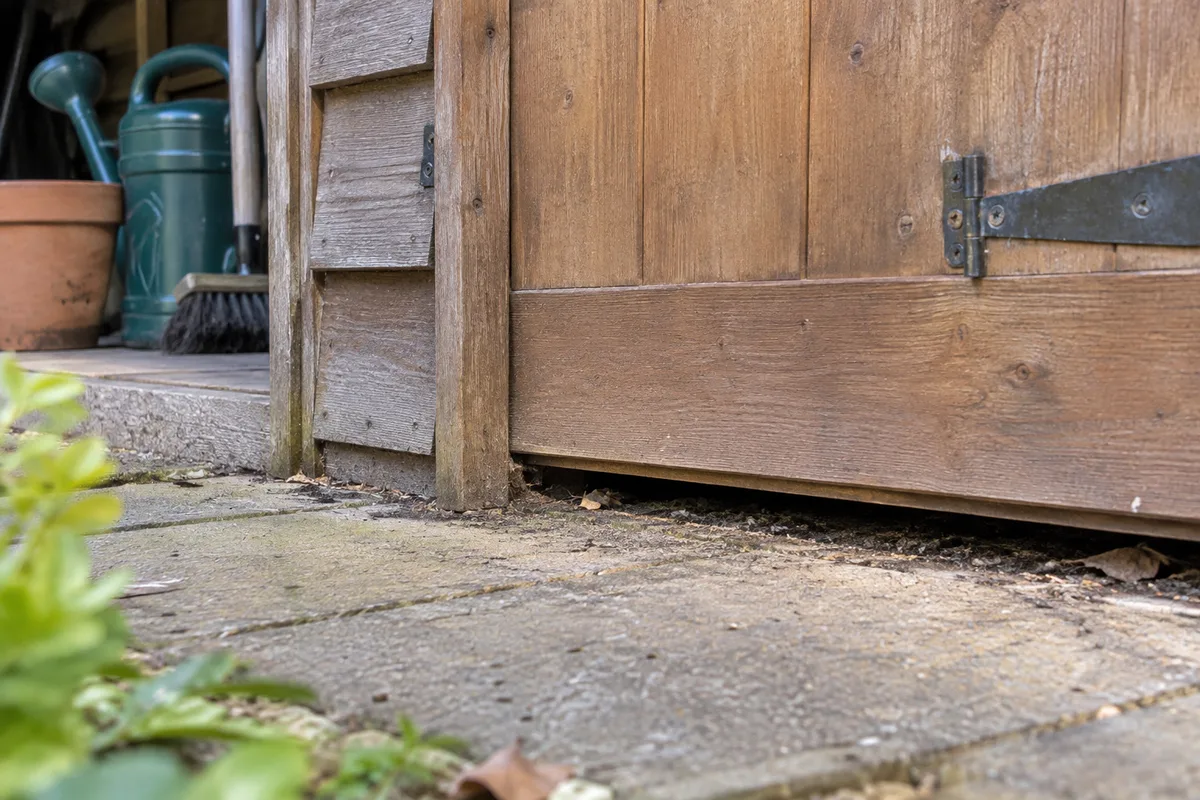
A damaged shed door and an opening in the house call for different repair decisions. Our advice on identifying and repairing entry points explains why filling the first visible hole is not a complete plan. Ask which openings were inspected, what material is proposed and what work needs the owner’s approval. Keep photographs of repairs, including the date, for comparison at a later review.
Maintain a practical storage routine afterwards: close food containers properly, remove fallen feed and avoid leaving bags pressed against damp or damaged surfaces. Report repeated new signs with their location rather than assuming that every mark is fresh. Follow the provider’s instructions for any equipment left in place and keep it undisturbed. Call with your postcode, a short description of the outdoor evidence and the access route so the appointment can be planned around the spaces that matter.
Questions about pest control in Kentish Town
Does seeing a rat in the garden mean the house needs treatment?
Not necessarily. Describe both outdoor and indoor evidence so the provider can recommend an appropriate inspection scope.
Should I empty my shed before the inspection?
Ask what clearance is needed. Do not move potentially contaminated materials through the home simply to make space.
Can a locked side gate affect the visit?
Yes. Arrange the key holder and explain how the technician can reach the garden when booking.
Is pet food worth mentioning?
Yes, including where it is stored and whether packaging has been damaged.
Can I block a hole beneath the shed?
Ask for assessment first; the opening, access limitations and suitable repair need to be understood.