
Pest Control Hampstead
Inspection can be thorough without starting with invasive work. In a property with sensitive finishes, evidence and access limits should guide what happens next.
Show surfaces that need particular care
Separate findings from alteration permissions
Keep recommendations proportionate to evidence
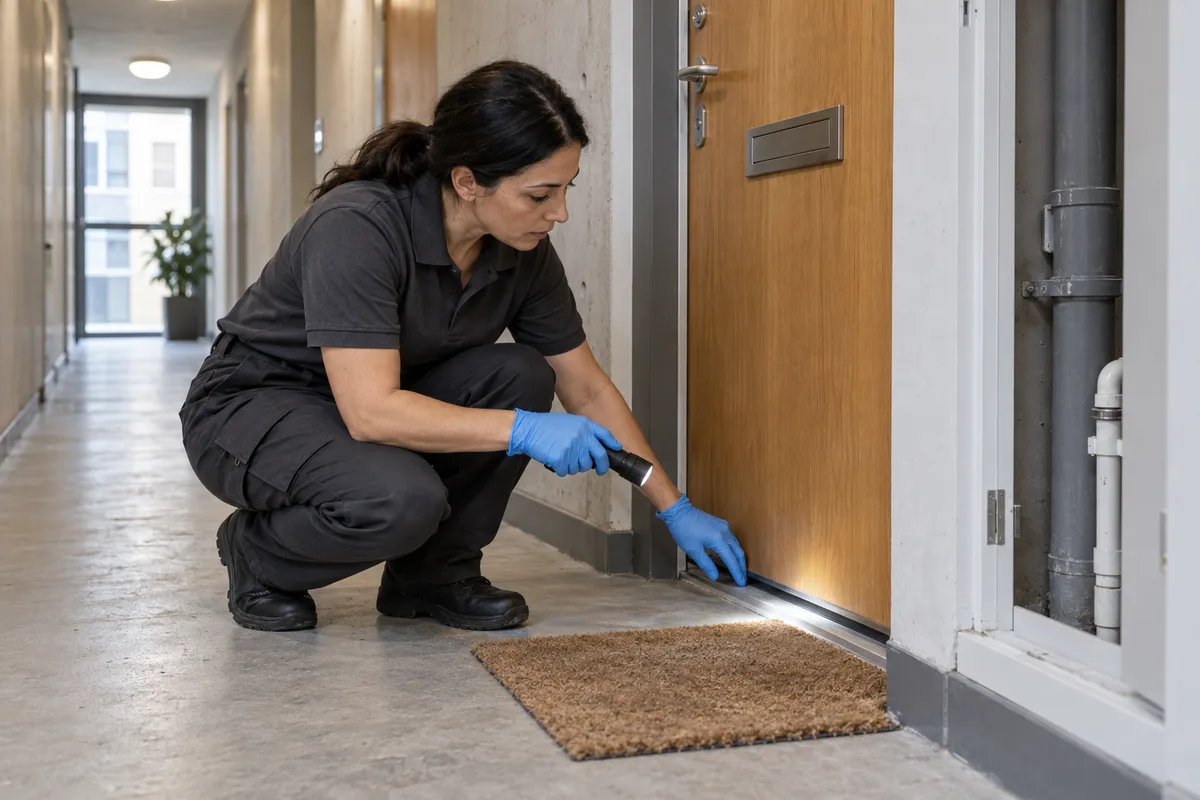
Explain the property before work is proposed
Mention finishes, fitted panels or storage that need careful handling when arranging the appointment. The technician needs to know which areas can be inspected normally and which require permission or specialist access. A household concern should not automatically become a request to lift floors or remove historic joinery. Begin with the accessible evidence, then ask why any further opening-up is recommended. Agree who will authorise it and how the property will be protected.
Camden provides conservation information for Hampstead. Check the status of the individual address and any listed features before approving alterations. Not every building has identical restrictions, and a neighbourhood’s historic appearance is not an indication of pest activity. The relevant distinction is between recording an opening and changing the fabric around it. The owner may need planning advice or a specialist repair specification after the pest findings have been established.
Record observations without damaging surfaces
Take a photograph showing where a sign was found, using existing access rather than removing material to get a better view. If the concern is a sound, note its location and time and keep it separate from physical findings. Old damage in a seldom-used room may not represent current activity. Explain whether new signs have appeared after cleaning or whether you have a single discovery made during rearrangement.
Our mouse evidence guide helps distinguish observations around food and accessible cupboard routes. Larger rodent concerns can be framed using the rat inspection advice. Avoid naming a species solely because of the size of a building gap. An inspection should connect the evidence with a recommendation and state what could not be reached without a different access arrangement.

A good report is useful to the repair specialist
Ask for identified openings to be described precisely, including the room, surface and relation to visible services. A contextual photograph can help the owner discuss work with a contractor without asking them to repeat the pest inspection. The report should distinguish confirmed findings, suspected routes and inaccessible places. Those categories support proportionate work rather than an instruction to seal every irregularity in an old building.
If more than one household uses the property, identify the contact responsible for common fabric. Do not assume an occupier can authorise alterations in a hallway, cellar or external wall. Arrange access permissions and keep private household information out of a shared repair notice. Business premises need the same clarity about who approves work, but may also have operating restrictions and stock that affect preparation.
Ask for evidence before agreeing opening-up
A recommendation to lift or remove a surface should explain the purpose, location and expected benefit of the access. Ask whether the same question can be answered through a less disruptive existing route. The pest provider may identify why access is useful while a suitable building contractor advises how to provide it safely and appropriately.
Keep that distinction in the work order. Permission to inspect a room does not by itself authorise alterations to its finishes. If the owner approves further access, record the agreed extent and who reinstates the surface afterwards. Retain photographs and any findings from the newly accessible location. The next treatment decision should be based on what was actually discovered, not merely on the fact that opening-up occurred. This gives older fabric a considered approach without preventing necessary investigation where the evidence supports it.
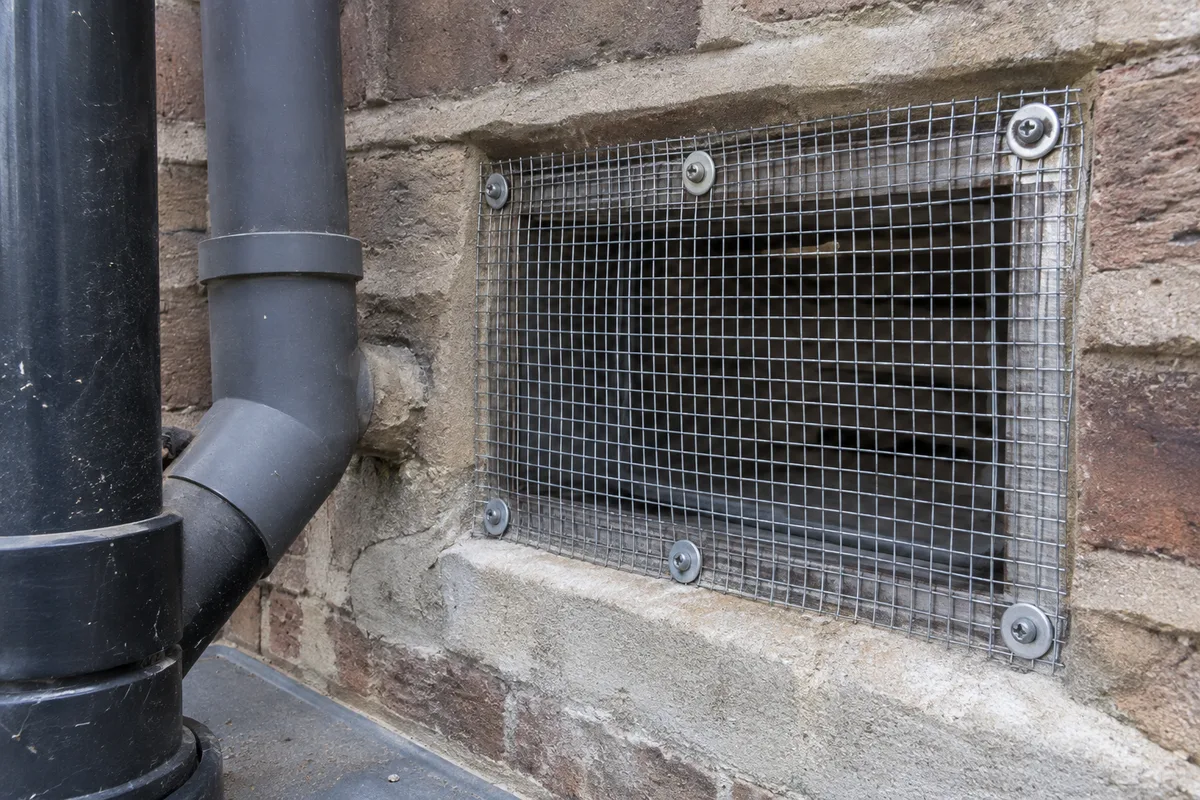
Treatment does not have to settle every repair question
Ask which areas the treatment programme covers and what evidence supports the chosen method. Discuss cleaning, room use and household precautions before work begins. If certain finishes or belongings need particular handling, tell the provider rather than waiting until preparation is under way. The recommendation should be clear enough to compare with another quote on scope, reporting and follow-up, without relying on unsupported promises of permanent resolution.
A building defect may need separate attention even when treatment is justified. Our information on proofing materials and access explains why the repair must suit its location. Ventilation, drainage and maintenance access should remain functional. Do not cover a service defect with a decorative patch merely because it looks less intrusive. Ask which specialist or permission is needed and what can safely be done meanwhile.
Follow-up should preserve the same evidence trail
Keep the initial findings, treatment dates and repair records in one place. If a contractor alters an identified opening, note what was changed and when. A subsequent pest visit is more informative when it can compare fresh signs against completed work. Report the precise room and date of any new observation; an old photograph forwarded again may leave the provider unsure whether anything has changed.
Our service overview can help you prepare questions about an inspection or urgent enquiry. Call with your Hampstead postcode, the actual signs and any known limits on access or alteration. Ask about the next available visit after explaining those details. The practical objective is a careful assessment that gives you a defensible treatment decision and enough information for appropriate repairs, while avoiding unnecessary disturbance to property features that need to be handled with care.

Questions about pest control in Hampstead
Does an old building require invasive inspection?
Not automatically. Start with accessible evidence and ask why any further opening-up is justified.
Can the provider approve changes to listed fabric?
The owner must establish the relevant permissions and specialist advice; a pest finding is not alteration consent.
Should I remove decorative panels first?
Do not remove them without an agreed safe access plan and permission.
What should a repair report identify?
The exact location, visible finding and access limitations so a responsible contractor can plan suitable work.
Will treatment include permanent building repairs?
Check the quote. Treatment and proofing or specialist repairs may be separate tasks.