
Pest Control Vauxhall
Build the visit around the equipment that needs examination. A short access brief should say what is fixed, who can make it safe and what remains possible if that cannot happen.
Locate the evidence against the equipment
Name the authorised maintenance contact
Agree the limits of an access fallback
Describe the finding against a named unit ↓
Describe the finding against a named unit
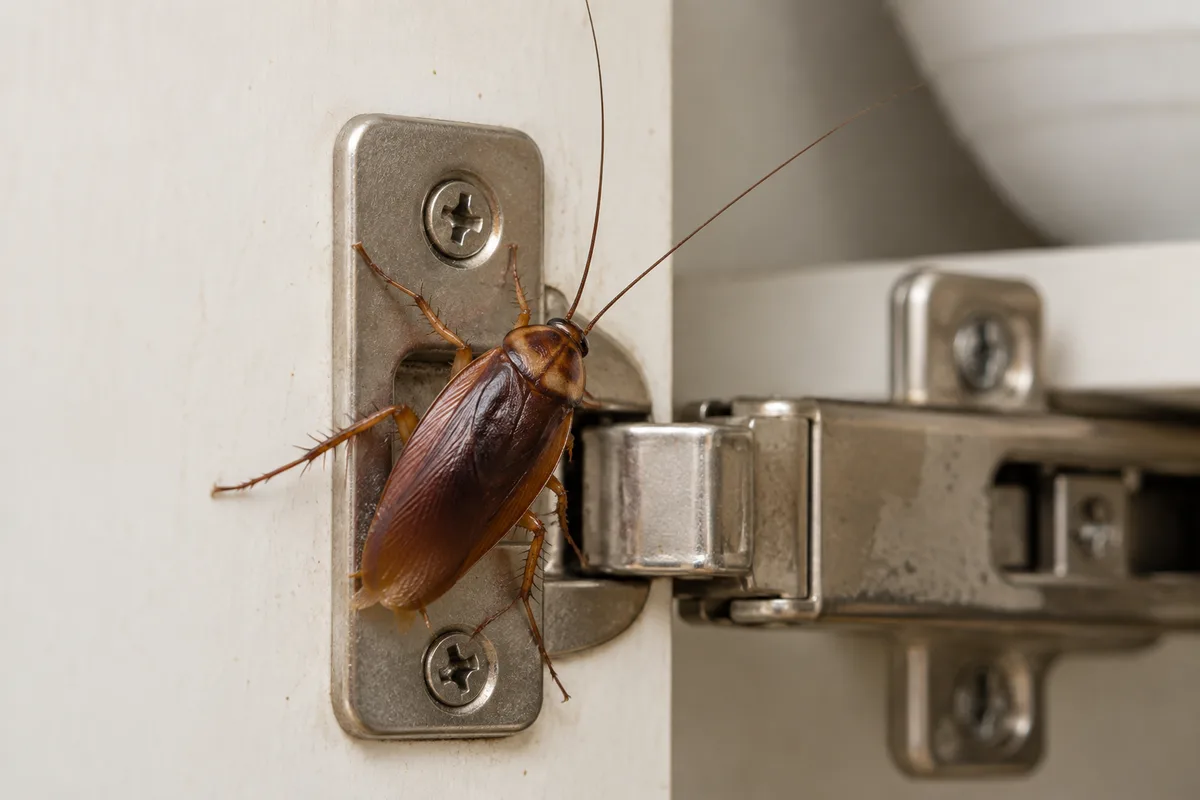
Give the appliance, machine or storage position a clear identifier that staff and the provider can recognise. A useful entry might say: insect photographed at the left edge of refrigerator A; machine remains connected; rear space not examined. This is an illustrative description, not a diagnosis or an actual job account. It separates what was observed from what people assume lies behind the unit.
Add the date and whether the original observer can explain the finding. Record any separate observations beside neighbouring equipment as their own entries. The cockroach inspection guide helps frame questions for insects around appliances, but warmth and proximity do not establish identification by themselves. Do not add a treatment into a machine or open its casing to produce a more detailed report.
Sort access into fixed, ordinary and unconfirmed categories
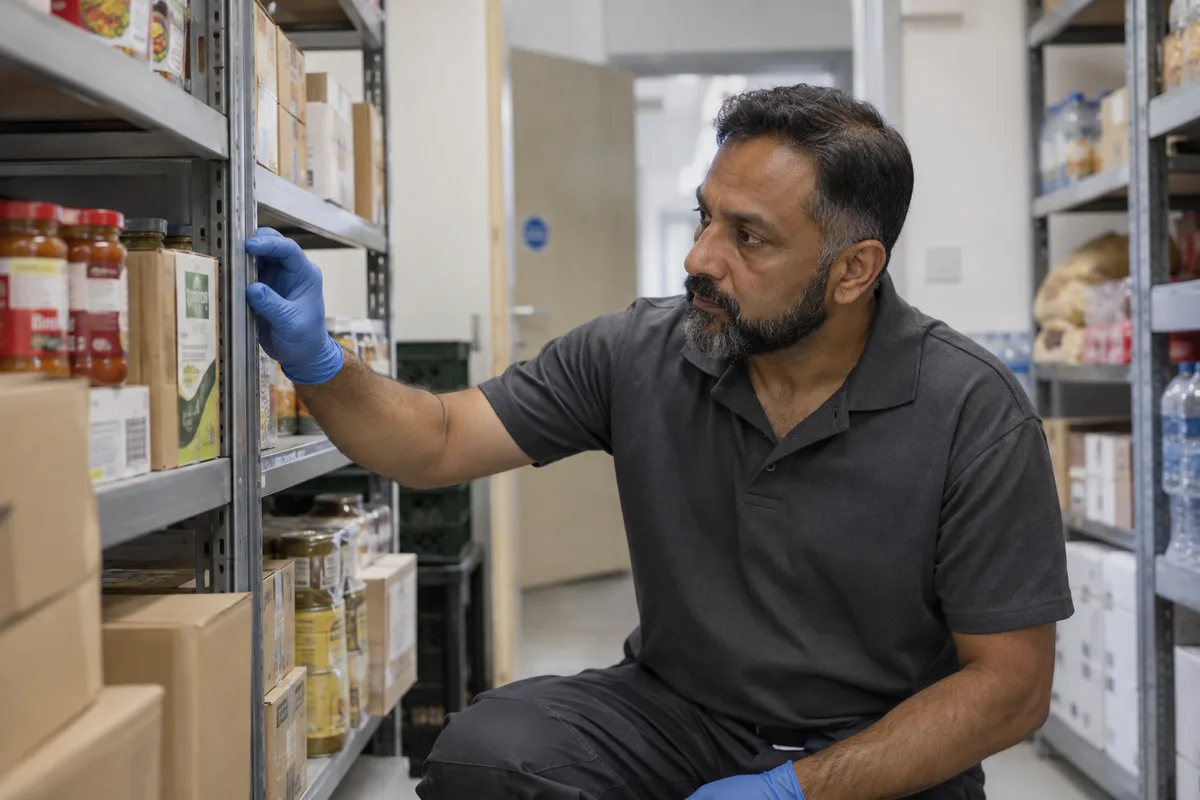
List equipment that is fixed or connected to services, ordinary movable storage that staff can manage safely, and items whose access requirements are not yet known. These categories describe planning limits; they are not instructions to move a particular machine. A refrigerator on wheels can still have connections or other constraints. Ask the competent maintenance contact to establish what can be done, rather than have the pest appointment depend on a staff member’s visual guess.
For each relevant unit, note the accessible face, the space not examined and who can advise about safe access. Do not use the same preparation task for a freestanding box and fixed kitchen apparatus. If the provider only needs accessible-edge checks initially, make that scope explicit. If they require further access, the brief should explain what preparation or professional assistance remains outstanding.
Name the person who controls equipment access
State who is authorised and competent to arrange isolation or movement where required. Agree their attendance and availability through the business’s appropriate arrangements. This page does not provide a technical isolation procedure: electrical, gas, plumbing and other equipment precautions belong with the relevant professionals. A manager able to approve an invoice may not be the person who can make the apparatus available safely.
The provider also needs to know who will restore the equipment through the appropriate process, if that is part of the planned arrangement. Keep the inspection task distinct from equipment maintenance. Ask what the pest assessment requires and let the competent contact determine how those requirements can be met. Do not disconnect a hose, remove a fixed panel or improvise access merely because the appointment is due to start.
Write the fallback before a machine becomes unavailable
Consider an example in which refrigerator A’s rear cannot be accessed because the necessary maintenance contact is absent. The fallback should state what the provider can still assess, what remains unexamined and whether a separately arranged access visit is needed. Do not mark the rear clear or repeat the original whole-machine scope as if nothing changed. The purpose of the fallback is an honest useful partial task, not pretending the planned task was completed.
If there are separate rodent findings in accessible storage, the mouse assessment information can inform those questions without making them a replacement for the appliance enquiry. Explain each observation and ask whether it belongs in the current scope. Avoid commissioning additional unrelated treatment simply to fill time created by an unavailable machine.

Prepare the surrounding space through the actual premises arrangements
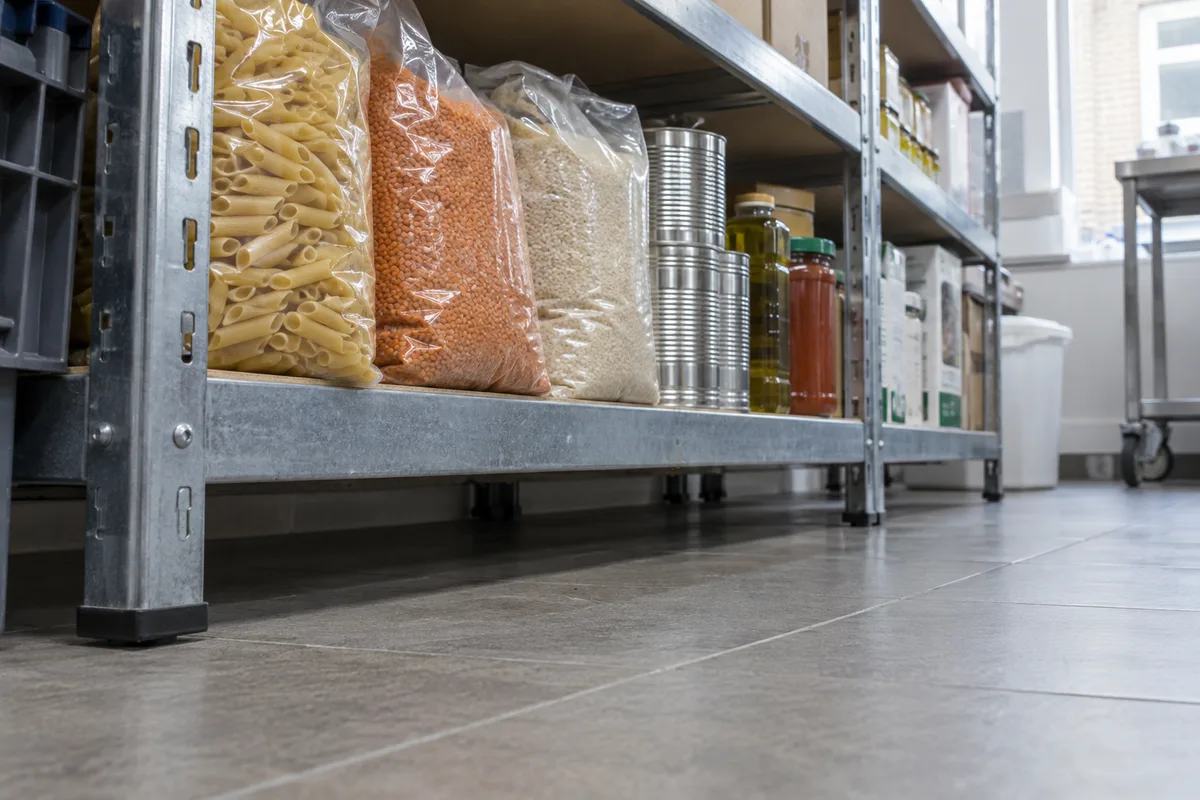
Ask which ordinary items need clearing and which evidence positions should remain visible. Keep exits and shared routes usable. Do not transfer unexamined contents into another workplace or occupied home to create an equipment corridor. If stock or food may be affected, use the business’s appropriate procedures and relevant advice. Make the preparation tasks specific enough that staff know what they are doing and why.
For Vauxhall business premises, Lambeth’s business-waste guidance separates commercial waste from household bins and requires secure storage until collection. Check the appropriate collection arrangement for any clear-out associated with access. Do not use a nearby domestic bin store as an improvised destination for commercial contents. This is a practical preparation boundary, independent of pest identification or equipment safety.
Use the brief to accept an accurate assessment record
Our service enquiry information helps clarify the intended premises and purpose of a visit. Give the Vauxhall postcode, equipment identifiers, current evidence and named access contact when booking. Confirm availability and what the initial appointment includes. Ask how proposals beyond assessment will be authorised, especially if the person arranging equipment access cannot approve pest work.
After attendance, record which faces or spaces were examined and which fallback was used. Keep findings, precautions and remaining access actions together. Tell the provider about equipment replacement or altered connections before review, since the original brief may no longer describe the premises. The useful result is a clear answer from the checks actually possible, with a defined next task for unavailable equipment; another appointment inside trading hours is not progress if nobody has arranged the required safe access.
Questions about pest control in Vauxhall
Does equipment on wheels count as safely movable?
Not automatically. Connections and practical constraints still need considering by the competent responsible contact.
Who should be named in the access brief?
Identify the person authorised and competent to arrange required equipment access, alongside the contact approving the pest scope.
What if isolation cannot happen on the day?
Use an agreed fallback identifying possible checks and unexamined spaces, and discuss whether further access needs another arrangement.
Can the rear of an inaccessible machine be marked clear?
No. Record the limitation accurately; accessible-edge checks do not establish findings behind an unavailable unit.
Where should commercial contents cleared for access go?
Use appropriate business storage and waste arrangements. Do not transfer unexamined items into domestic or neighbouring premises.