
Pest Control Stockwell
A shared kitchen needs one factual record and clear access arrangements. Ask residents to report what they saw in their own cupboards instead of treating every conversation as further confirmation.
Identify the cupboard as well as the room
Agree access to residents’ stored belongings
Keep preparation instructions together
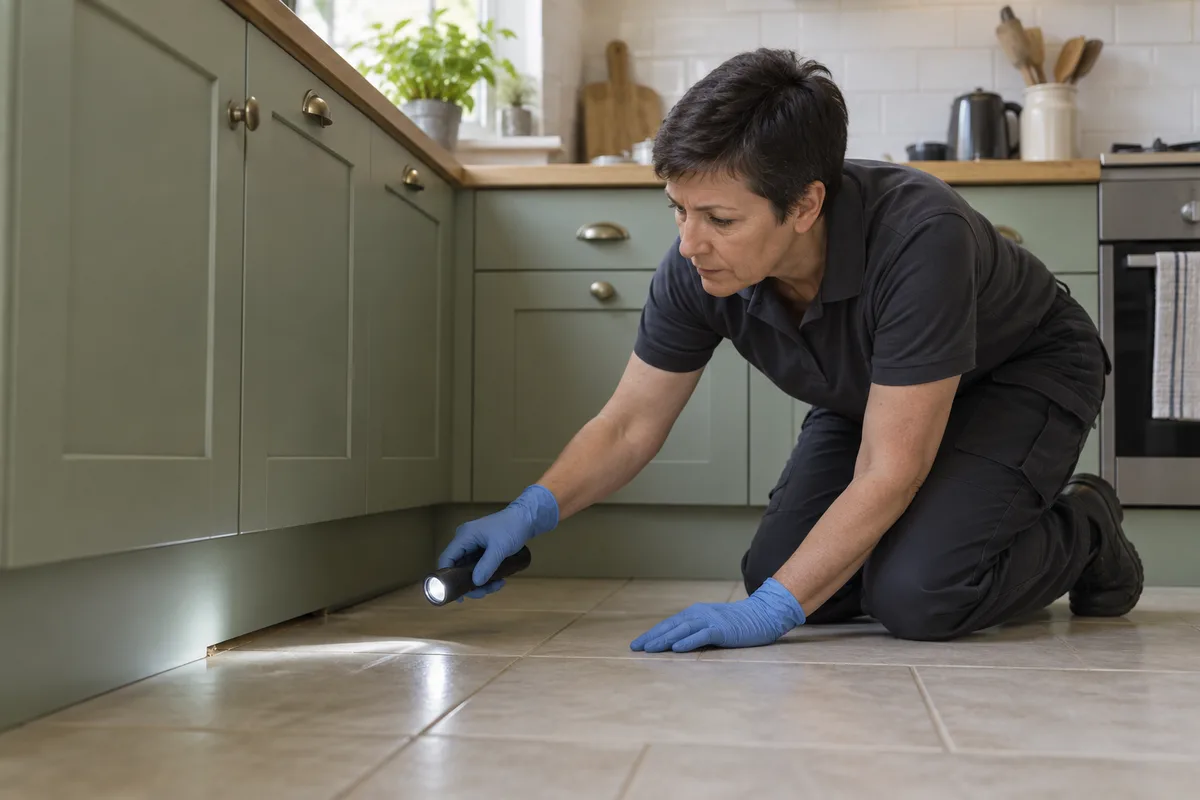
Plan the enquiry
Separate direct observations from repeated messages
One caller cannot promise everybody’s cupboard access
Choose the next questions from the signs
Prepare a working kitchen without spreading the contents
Separate direct observations from repeated messages
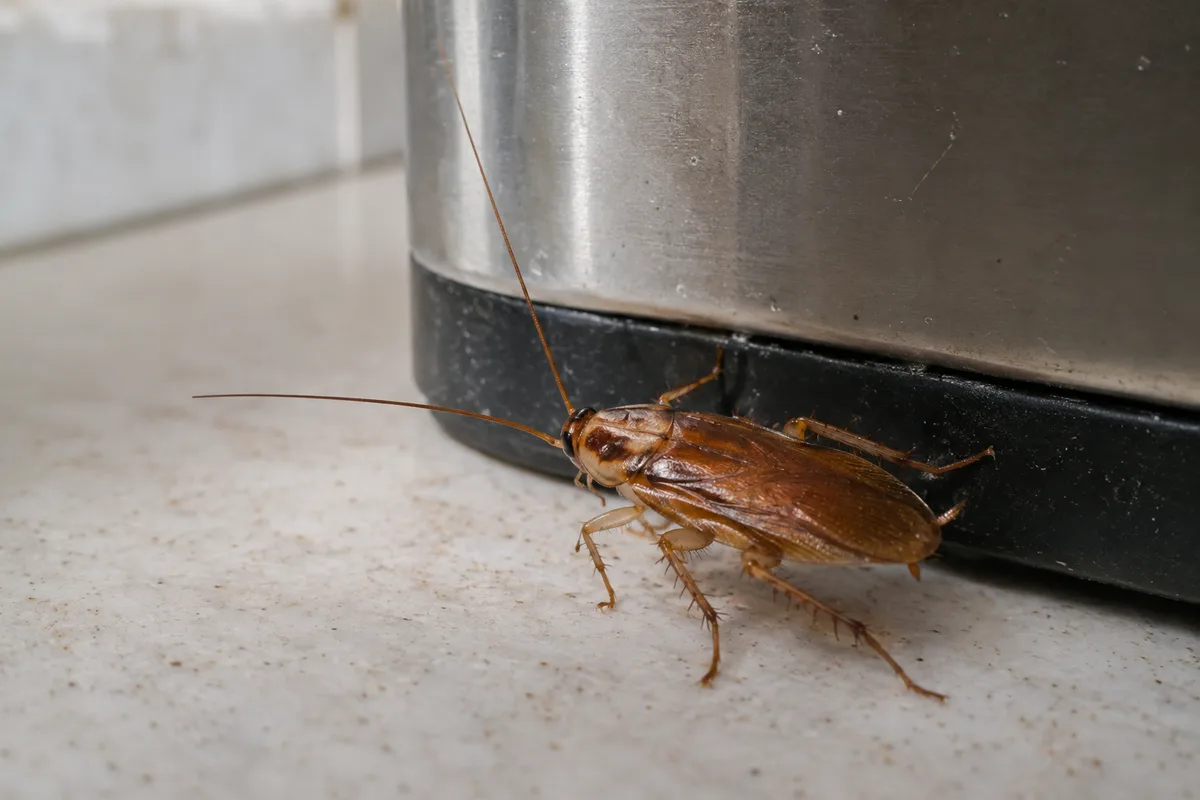
In a shared kitchen, one resident may see an insect and several others may repeat the story. Count the direct observations, not the number of messages. Ask the person who saw it to note the date, approximate time and position. A photograph can help if it can be taken safely without disturbing the finding. If another resident has seen something separately, record that as its own entry. This prevents an unclear conversation becoming a claim of continuous activity.
Specify which cupboard, appliance or work surface was involved. Cupboards can be described by their position rather than by a resident’s name, keeping personal details out of a group record. Explain whether the sign was beside stored food, on the floor or in an accessible service gap. Do not reach behind equipment or handle suspect material to improve the description.
One caller cannot promise everybody’s cupboard access
Agree who can authorise the inspection and which storage areas will be available. A kitchen may be communal while the food and belongings inside individual cupboards remain private. Residents need to know what access has been requested and how the appointment will work. Ask the landlord or manager to coordinate where appropriate, rather than moving another person’s possessions without permission to create space for the provider.
Lambeth Council lists Stockwell Park and Stockwell Green among its conservation-area profiles. Properties within these areas still have different management arrangements and internal layouts. Describe your actual accommodation, including shared entrances and locked rooms. If a proposed repair affects shared or protected building fabric, the responsible owner needs to check the appropriate approval. The location name alone does not establish who can consent to work.
Choose the next questions from the signs
Suspected rodent material in a food cupboard needs different questions from an insect found near a warm appliance. Use the mouse inspection guide to describe packaging damage, sightings and accessible routes without guessing an entry point. Keep an outdoor rat report distinct. An opening around a pipe may be relevant to inspection, but it is not identification by itself.
For an insect report, the cockroach assessment information explains why appliance access and treatment history matter. Tell the provider if residents have applied different products, including locations and approximate dates. Do not let each person start another treatment independently. A single factual list of previous actions gives the provider more useful information than several incompatible accounts of what the kitchen needs.
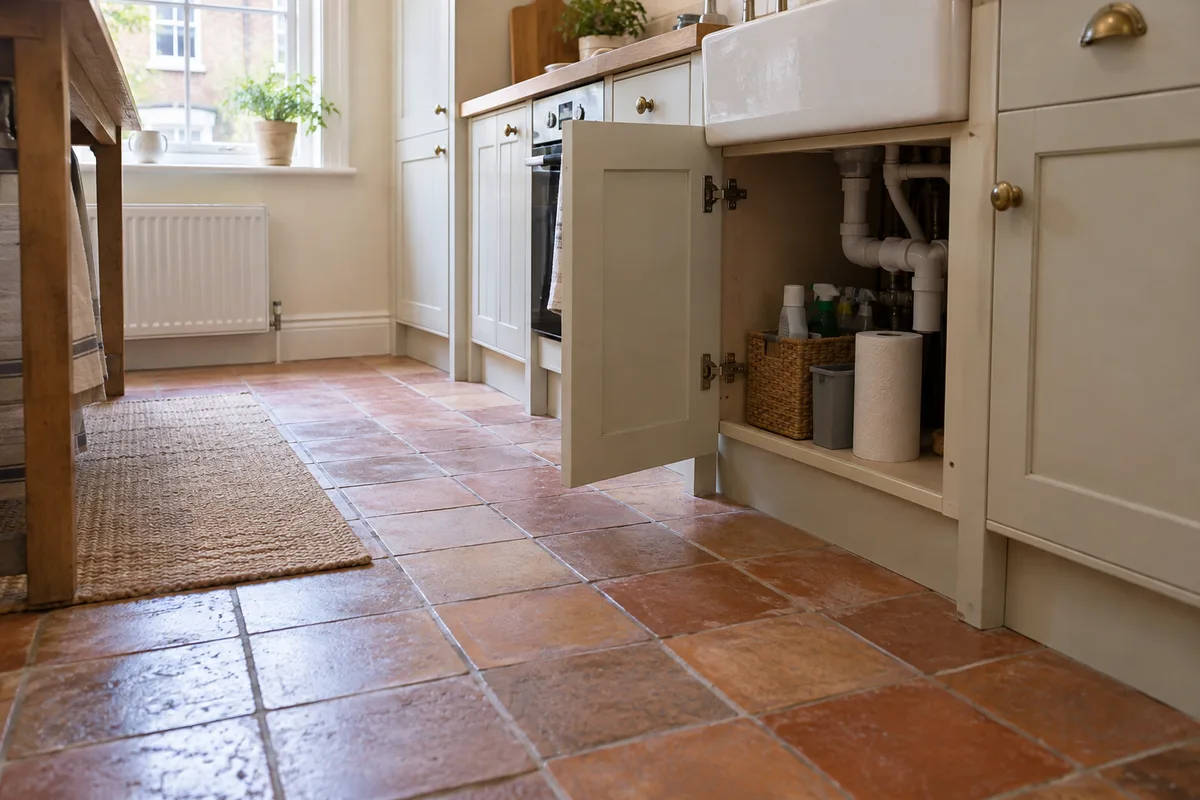
Prepare a working kitchen without spreading the contents
Ask which areas need clearing, what should remain in place and what precautions apply before the proposed assessment or treatment. Do not transfer all food and kitchen items into bedrooms or a neighbouring property simply to make the room empty. Agree appropriate storage and cleaning instructions. Keep children and pets away from suspect material, and ask for guidance relevant to the surface before handling contamination.
Explain if residents use the kitchen at different times or cannot all attend. Name somebody who can meet the provider and describe the original findings. If access depends on individual residents unlocking cupboards, arrange that in advance. Keep shared passages and exits usable while making space. Instructions should be available to everyone who uses the room so one person does not undo preparation completed by another.
Make repairs and daily routines somebody’s responsibility
A reported pipe opening or damaged threshold needs a precise description and an appropriate repair contact. Ask which defect is supported by findings and which remains unconfirmed. Pass the recommendation to the landlord or manager when it concerns the building, rather than expecting residents to fill service gaps themselves. Necessary ventilation, appliance connections and electrical fittings must remain functional and accessible.
The pest-proofing advice helps distinguish building work from daily prevention. Suitable food storage, manageable waste arrangements and accessible cleaning are practical shared tasks. Agree how they will be maintained without assigning blame for the original finding. Keep repair dates and any new observations together, making it possible to review what changed rather than repeatedly discussing the same old mark.
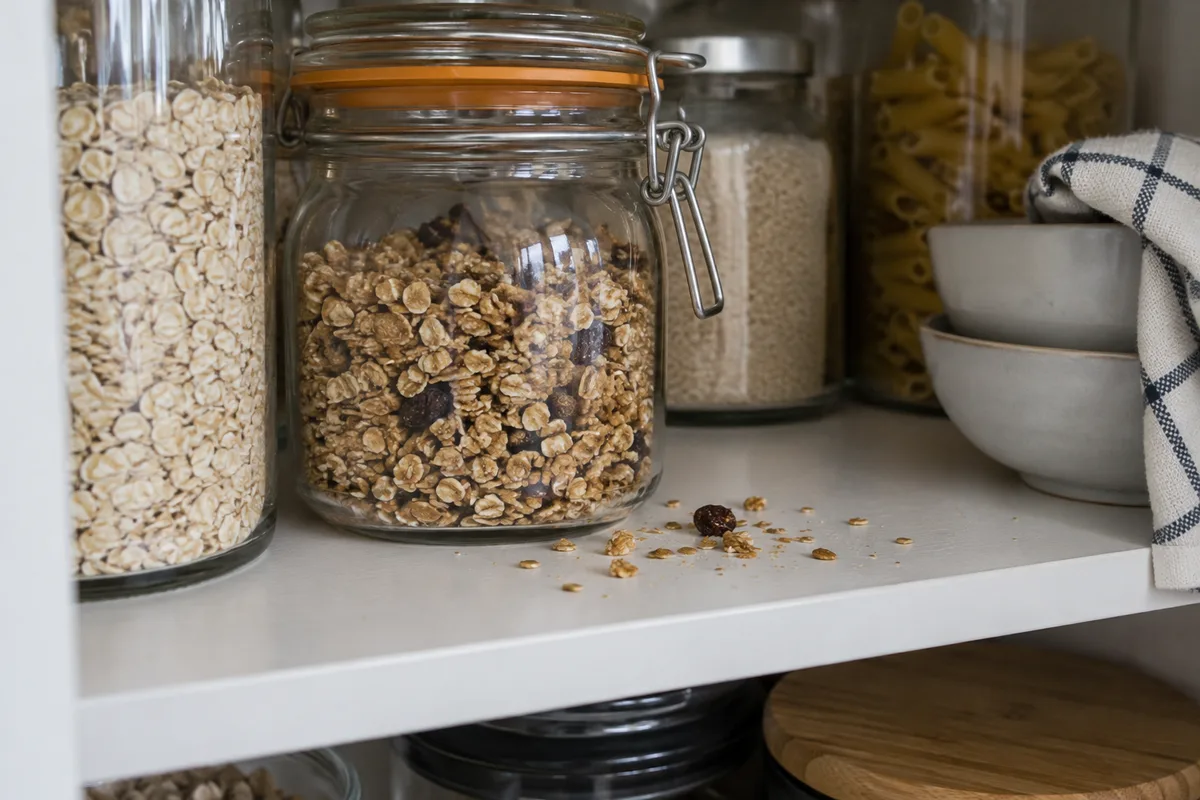
Keep follow-up instructions visible to kitchen users
After the visit, keep the relevant treatment precautions and observation instructions where adults using the room can read them. Devices should remain in their agreed positions; nobody should move one to reclaim a shelf without contacting the provider. Make a clear route for reporting fresh findings, with dates and cupboard positions. Distinguish them from earlier material that remains awaiting suitable cleaning.
For an urgent Stockwell enquiry, give the postcode, current evidence and arrangements for shared access. Ask for confirmed availability and what the initial visit includes. At review, explain any cupboard changes, repair work or further products used since assessment. The programme is easier to manage when residents and the authorised contact share the same factual record, rather than each presenting a different version of activity in the communal room.
Questions about pest control in Stockwell
Can I empty a housemate’s cupboard for inspection?
Agree access and preparation first. Shared room access does not automatically authorise moving another resident’s possessions.
Should group messages count as separate sightings?
Only record separate direct observations as such. Repeated messages about one event should stay linked to that event.
Can residents apply different products while waiting?
Tell the provider about existing actions and seek advice before adding more. Independent treatments can complicate assessment and instructions.
Where should kitchen precautions be kept?
Make relevant instructions available to everybody using the room, including temporary residents or people helping with cleaning.
Who repairs an opening around a communal service pipe?
Identify the responsible owner or manager and pass on the finding. Do not disturb services or improvise a repair without appropriate authority.