
Pest Control Pimlico
Lower-ground room evidence and a visible maintenance concern can be recorded together without sharing a diagnosis. Split the questions so each contractor knows what they are being asked to establish.
Separate pest signs from property-condition reports
Show steps and safe cupboard access
Record what each contractor established
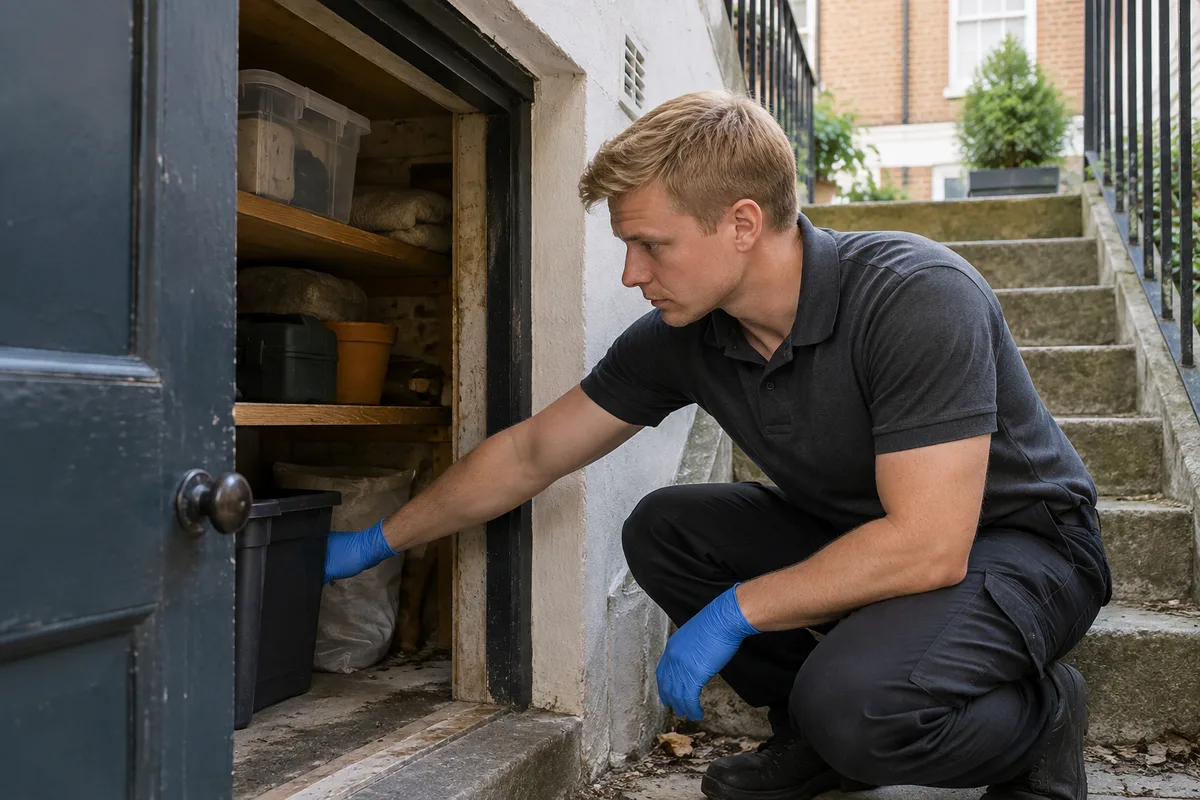
Describe the lower-ground room accurately
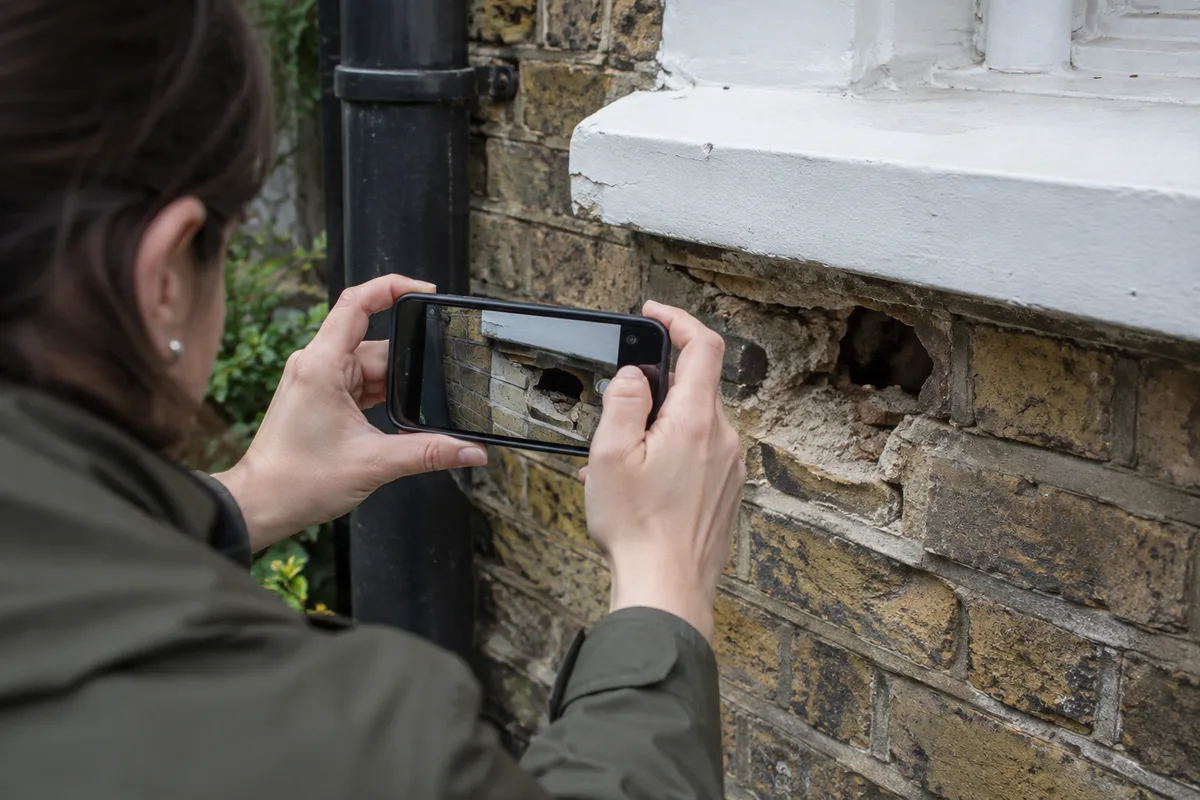
Tell the provider whether the concern is in a kitchen, utility space, storage room or another occupied area. Include any steps or entrance arrangement affecting access. A photograph showing the pipe penetration within the room helps orient an inspector; a close-up alone can make it hard to distinguish a wall opening from a cupboard joint. Record what evidence appeared nearby and when, rather than presenting the opening itself as proof of entry.
Pimlico has a named conservation area in Westminster’s published directory. This matters when an external change is proposed, but it does not establish the status of every address. Begin with the accessible indoor evidence and let the owner check the relevant building requirements separately. A local appointment needs your actual floor arrangement, not an assumption that all homes in the area share the same basement layout.
Separate maintenance history from a diagnosis
Mention plumbing repairs, a newly fitted appliance or recent cabinet work if they affected the location being reported. Keep the date and any useful photographs. An opening uncovered during repair may have existed for some time, and a pest sighting afterwards does not prove that the contractor caused it. The history can help the provider decide what needs examination without assigning an origin unsupported by evidence.
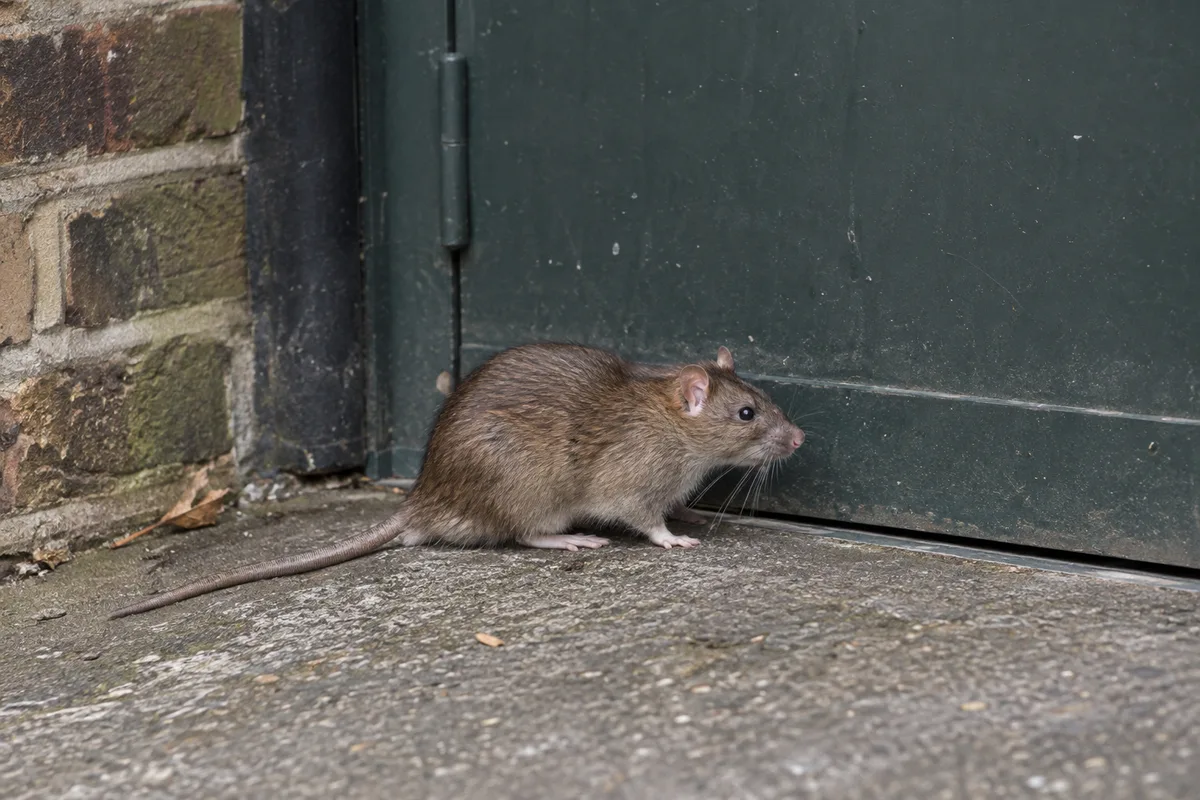
Use the mouse assessment information for indoor signs such as a sighting or fresh material near stored food. If the concern involves a larger rodent outside, our rat inspection guide explains a different evidence enquiry. Keep those observations in their own locations. A basement pipe opening should not become the explanation for every outside incident merely because it is visible.
Split the lower-ground handover into two questions
Suppose the report concerns fresh signs beside a kitchen pipe and a visible water mark on the cupboard floor. Make two entries. Pest assessment: identify the signs, their date and room position, and examine accessible possible routes. Maintenance assessment: identify the visible mark and ask a competent person to investigate the condition and any service fault. Do not label the mark a leak unless that has been established, or assume it explains the pest observation.
For the lower-ground visit, include steps, entrance arrangements and the cupboard area visible without moving equipment. These details affect access for either contractor. Keep photographs clearly labelled so one person does not inherit the other’s unverified conclusion. The value of the split is practical: the provider can assess the pest evidence while the maintenance contact investigates a separate property condition, with neither task mistaken for proof that the other has been completed.
Decide what a proposed repair must preserve
A pipe penetration can involve movement, service access and other building requirements. Suitable proofing work should be specified for the actual location and materials rather than reduced to an instruction to fill holes. The pest provider can identify the concern; a competent contractor may be needed to determine how a repair can be made without compromising the pipework or surrounding building details.
Ask which opening is a confirmed finding, which remains a suspected route and which simply needs further access. Record the proposed sequence with treatment. Do not block a vent or drainage feature as an improvised exclusion measure. A repair list that preserves the function of the room is more useful than several visually neat patches nobody has checked against the inspection findings.
Make a handover each contractor can close accurately
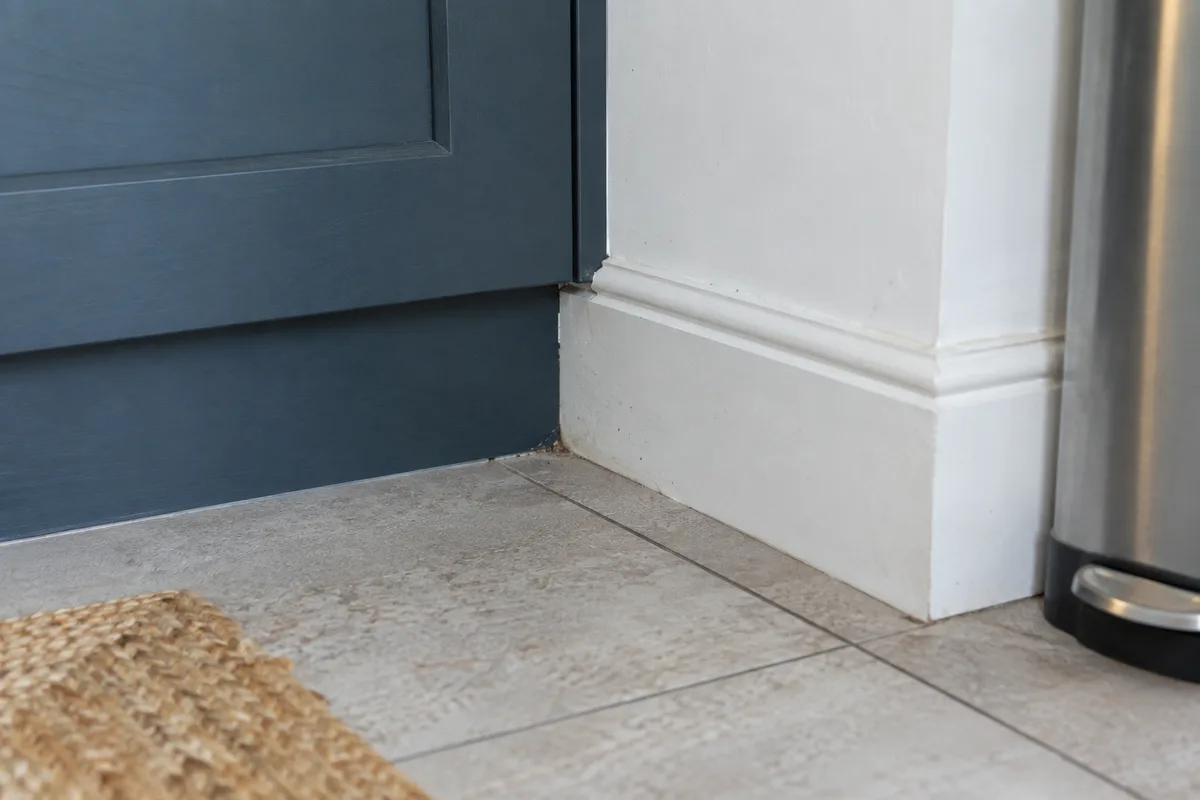
A maintenance task might say: inspect the reported cupboard-floor mark and explain any identified service repair; do not cover the pipe opening before the agreed pest assessment. A pest task might say: assess the fresh signs at that room point and record whether more access is needed. Adapt the sequence with both contacts rather than treating these examples as instructions for every property. An urgent equipment or building-safety concern belongs with the appropriate competent contact, not an improvised attempt to expose the area.
After attendance, record what each person actually found, what they did and any limit. A plumbing repair invoice does not confirm that pest evidence was assessed. A pest visit does not establish the cause of a water mark. If one task changes access to the other’s location, notify the relevant contact and retain the original photographs. This keeps the lower-ground enquiry intelligible when another landlord, occupier or contractor takes over the record.
Compare fresh evidence after the work
Keep dates of authorised repairs and subsequent observations. Use the same room references so a return visit can compare the location meaningfully. A newly covered opening should not obscure the original photograph or the reason it was addressed. If activity appears elsewhere, report that change rather than assuming the completed patch failed or that the whole property needs the same material.
For an urgent Pimlico enquiry, give the postcode, lower-ground access details and actual signs. Ask what assessment can be arranged and what the proposed visit includes. Confirm availability and any preparation. The aim is to connect evidence, competent maintenance and an agreed review, leaving you able to explain which part of the concern was treated, repaired or still awaiting investigation.
Questions about pest control in Pimlico
Does a gap beside a pipe prove an entry route?
No. Its location and role need assessment alongside actual pest evidence.
Should I remove the service cover?
Do not open unfamiliar equipment. Explain the limit and arrange competent access if required.
Is recent plumbing work relevant?
Yes as context, including dates and affected locations, without assuming it caused the problem.
Can every visible hole be filled?
The function, materials and suitable repair need consideration; ventilation and drainage must remain appropriate.
How should repairs be documented?
Keep the specific location, approval, work completed and date with the original findings.