
Pest Control Battersea
A kitchen sighting is a reason to investigate the space behind the problem, rather than cover every gap you can see. Start with the location, timing and access to the affected units.
Photograph the finding before clearing the area
Leave fitted units and service connections intact
Separate treatment decisions from building repairs
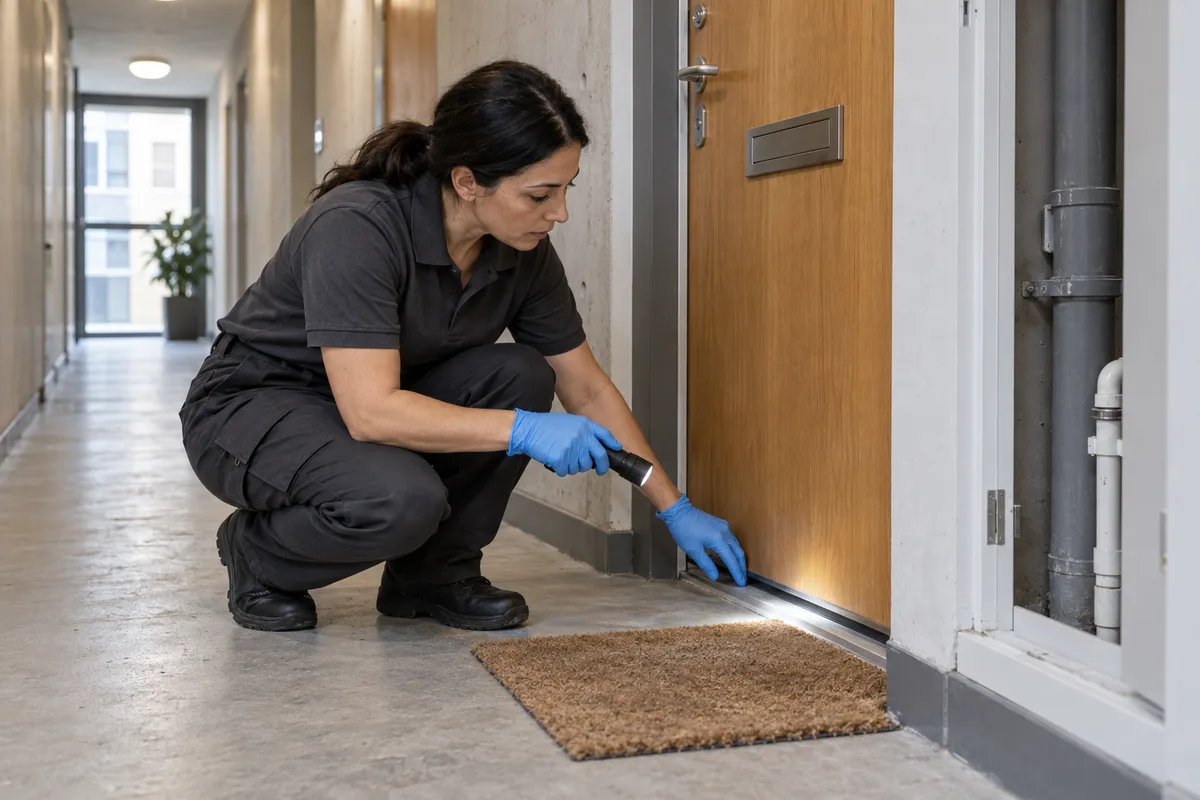
A useful report starts at the kitchen edge
The narrow spaces around a sink cupboard, dishwasher or plinth can be difficult to see and harder to clean. A noise from that part of the room is not enough to identify an animal. Record what you actually found: a sighting, damaged packaging, suspect droppings or a sound. Give the precise position rather than saying that the whole kitchen is affected. If several people have noticed activity, ask each person for the time and location; second-hand accounts can blur separate events into one apparent pattern.
Make a photograph without reaching into an unseen void or touching suspect material. Include enough of the surrounding cupboard to show where the sign belongs. Keep children and pets away from the affected space. Tell the provider if food, utensils or a frequently used preparation surface may have been involved. Those details help the booking discussion address immediate practical concerns before the inspection establishes what is happening.
Behind a fitted unit is not a DIY investigation
Removing a kitchen plinth may look straightforward, but access varies between installations. Pipework, electrical connections and appliance hoses can sit immediately behind it. Do not pull out a dishwasher or loosen a service connection to make an inspection easier. Explain which panels are designed to be removable and whether a fitter or maintenance contact has previously accessed the space. The attending provider can then discuss a safe inspection scope instead of discovering an inaccessible void on arrival.
Our guide to checking suspected mouse activity explains why evidence and accessible routes matter. Bring information about earlier products or traps into the conversation, including their positions and dates. A purchased product does not prove that the original identification was correct. Keep its packaging available if you still have it, and do not add another treatment while waiting for advice about the findings.
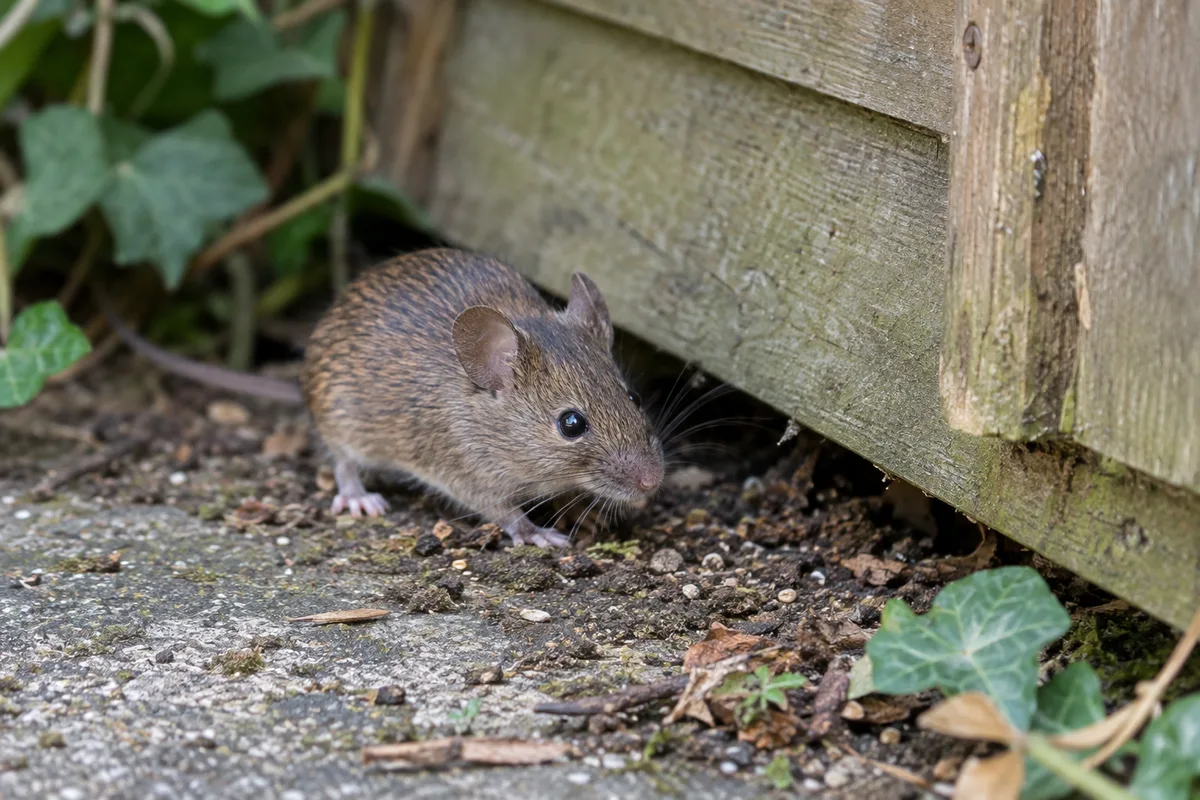
The building matters more than an area-wide assumption
Wandsworth Council identifies Battersea Square among the borough’s conservation areas. That does not mean every Battersea property has the same construction, permissions or pest risks. A fitted kitchen in an older house, a converted flat and an apartment with managed service risers may need different people to approve access. Describe your own building and the parts under your control. If the cupboard backs onto a shared riser or communal service space, make that boundary clear when arranging the visit.
Check who holds relevant keys and whether contractor access must be booked. A tenant should pass proposed alterations to the landlord or managing contact rather than commission work to shared building fabric without agreement. Where a repair could affect protected features, establish the necessary approvals with the appropriate professional. The inspection report should explain the observed defect and proposed purpose of a repair, leaving the permission decision with the person responsible for the property.
Match the response to the evidence found
A treatment programme for confirmed mice should not be chosen solely because a cupboard has an opening. Equally, a rat sighting outside should not automatically become an indoor mouse treatment. Ask the provider what evidence supports their identification, which rooms were checked and whether any important spaces remain inaccessible. If findings point towards rats, the rat inspection and entry-route information describes the questions to raise before assuming a drain fault or agreeing to additional investigation.
Request instructions that apply to the actual method proposed. Discuss children, pets, food storage and any person who cannot follow a standard preparation instruction. Ask how observations should be reported between visits. Treatment locations and devices must remain as instructed; moving them to tidy a cupboard can make monitoring less informative and interfere with the agreed plan.
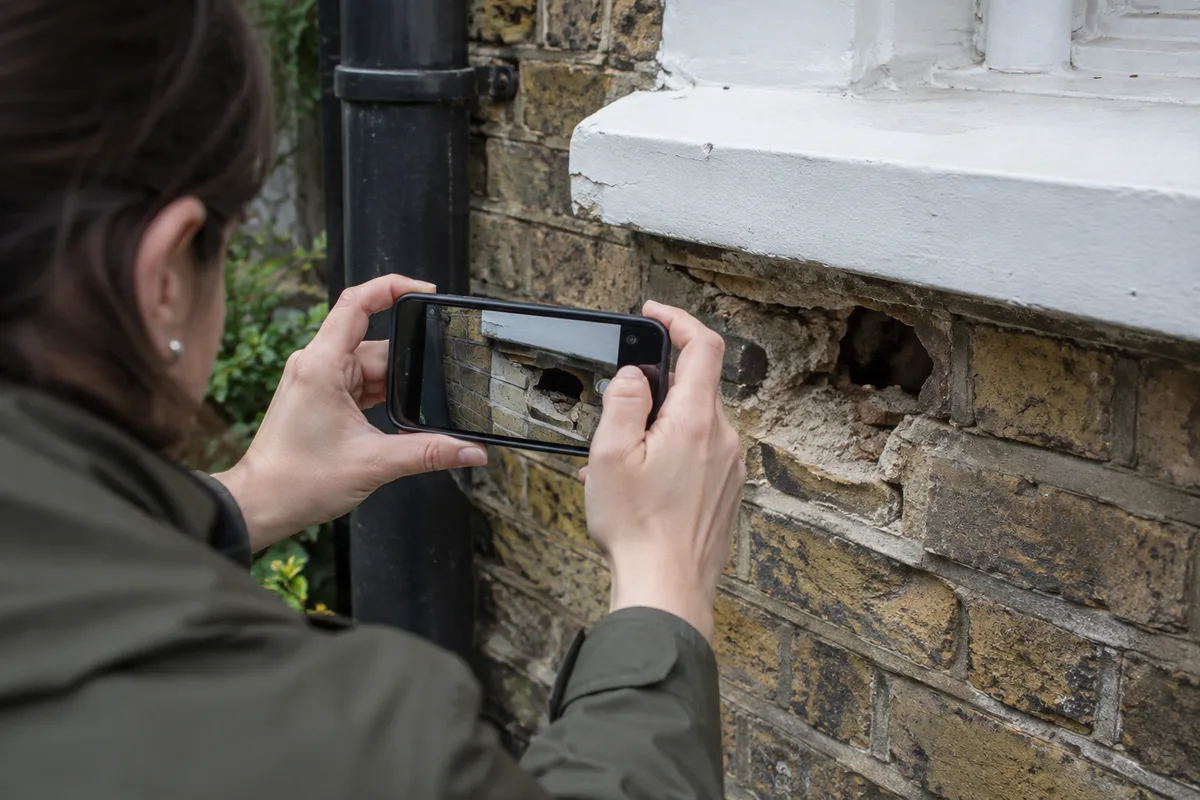
Repair the right route without closing useful services
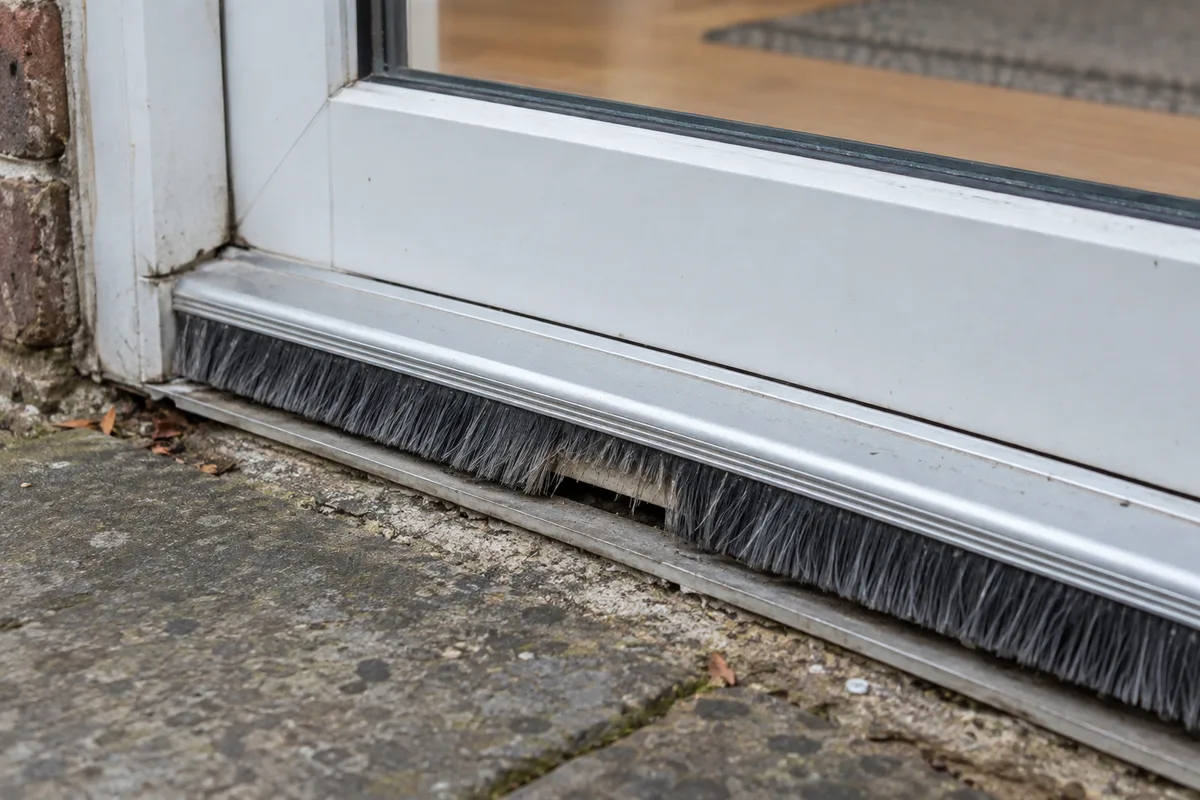
A pipe penetration, damaged door seal and ventilation grille are different defects. Filling them with the same material is not a sensible repair plan. Ask which opening is supported by evidence, which needs further investigation and which serves a necessary function. A recommendation should distinguish immediate access prevention from longer-term maintenance. Do not block required airflow, cover an electrical fitting or apply material where it could damage a pipe or appliance.
Read the guidance on choosing appropriate proofing repairs before agreeing to a blanket gap-filling job. In a flat, identify repairs belonging to the occupier, landlord and building manager. Keep a dated record when a reported opening is repaired so later findings can be considered against what changed. A completed repair is one part of prevention; it is not evidence that every concealed route has been inspected.
Keep the kitchen usable while the programme runs
Secure food and waste in appropriate containers and maintain access to the locations the provider needs to revisit. Avoid turning the entire room upside down unless that is part of the specific preparation instructions. A simple log is more helpful than repeated speculative checks: record the date, place and nature of any new sign, and distinguish it from material left from an earlier observation. Ask for cleaning advice appropriate to the surface and the finding before handling suspect contamination.
When requesting urgent pest control in Battersea, give the postcode, the current finding and any limits on access behind the kitchen units. Confirm the next available appointment and what that appointment includes. At the end of the visit, ask for the assessment, treatment instructions, repair recommendations and follow-up arrangements in a form you can keep. Those records make the next decision clearer if the same cupboard produces another sign.
Questions about pest control in Battersea
Should I remove the kitchen plinth before the visit?
Only if it is safe, intended to be removable and the provider has asked you to do so. Leave service connections and fitted appliances alone.
Does a pipe gap prove that mice entered there?
No. It is a potential route to assess alongside the findings, rather than proof of how activity began.
Can work include a shared riser behind my cupboard?
Explain that boundary at booking. The building manager may need to authorise access and arrange the appropriate keys.
Can a technician identify a pest from a noise?
A noise helps locate a concern, but identification may need other evidence and an inspection of accessible areas.
What should I record after a kitchen repair?
Keep the date, location, type of repair and any later signs. This allows follow-up observations to be compared with the change.