
Pest Control Wandsworth
Returning activity should lead to a clear next question. Use the kind of evidence, its position and recent changes to decide what needs discussing with the provider.
Distinguish a new sighting from an old mark
Compare the current location with the repaired feature
Ask what the next check is intended to establish
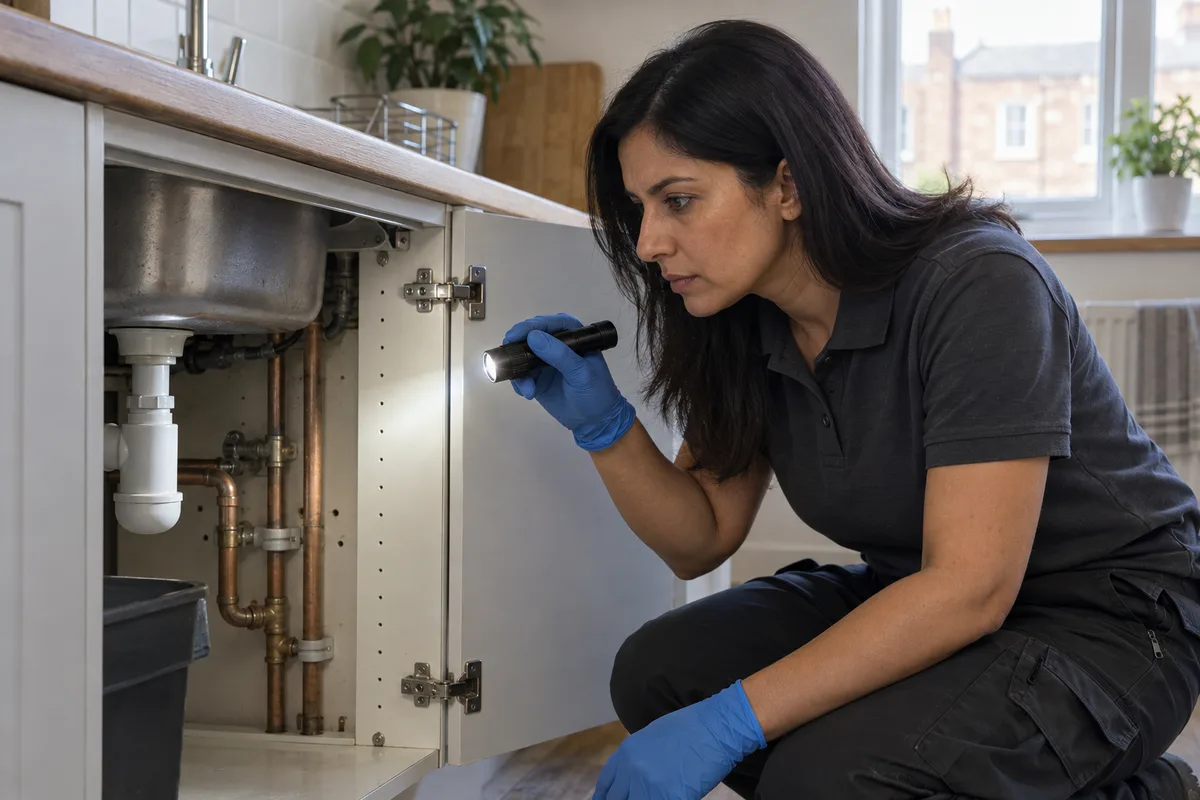
If the only finding is an old mark, clarify its age first ↓
If building work changed the feature, review the change ↓
Choose the next appointment from the question, then record the answer ↓
If the only finding is an old mark, clarify its age first
A photograph of a mark that was already present before repair does not establish fresh activity. Compare it with the earlier record and note whether the area was cleaned under appropriate advice. If you do not know its age, describe it as uncertain. Do not handle suspect material to test it. Ask what observation or safe record would help the provider distinguish a current concern from an earlier sign left in place.
The next question in this situation is about evidence, not automatically more treatment or another repair. Record direct new sightings separately if they occur. Keep the room and position precise so the account can be compared with the first assessment. This prevents repeated images of one old finding from looking like a series of new events.
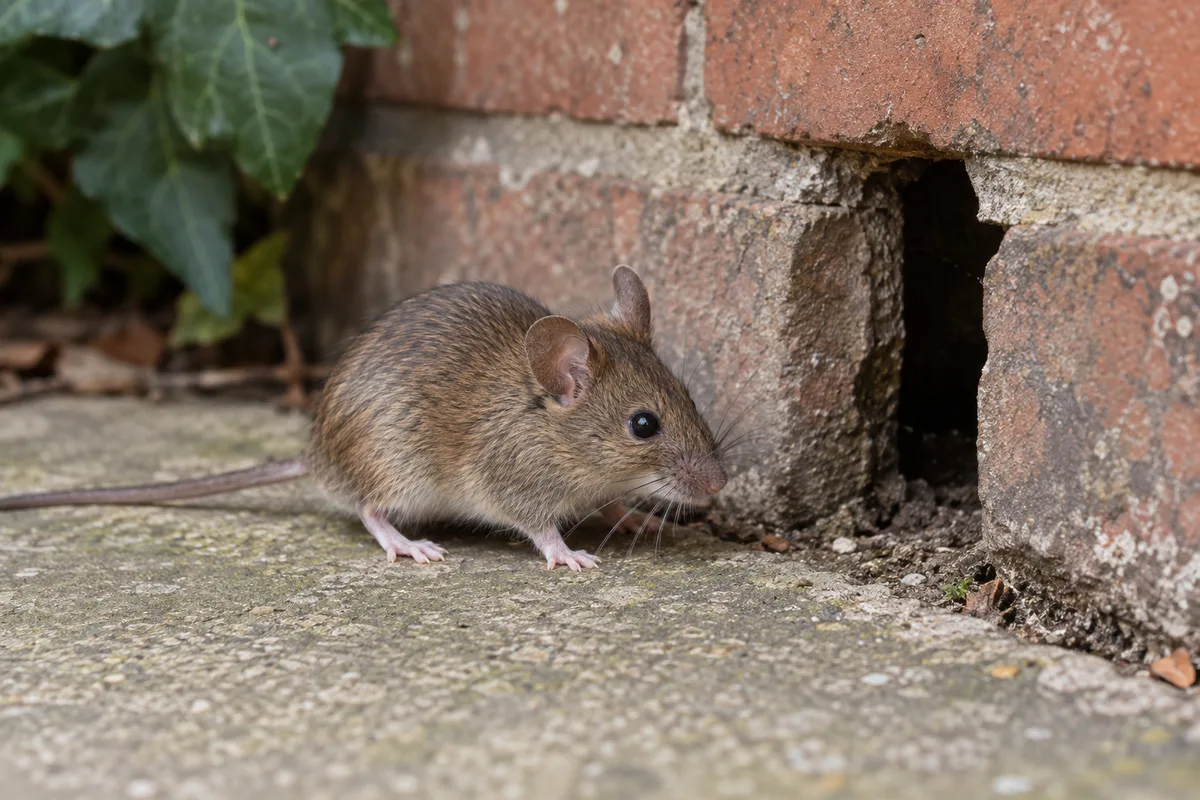
If a direct sighting returns in the same room, ask what was assessed
Give the date, exact position and nature of the new sighting. Ask the provider how it compares with the earlier identification and programme. A repair at one opening may have been relevant without addressing every question in the room. The useful next discussion is whether the findings, monitoring and accessible checks support a further inspection or a change to the agreed plan.
Use the mouse assessment information to frame room-level questions if the concern involves mice. Do not choose a larger programme simply because earlier action has already cost money. Ask what the new visit will establish and what evidence supports any proposed change. Keep previous products and device positions available, including anything added or moved since the repair.
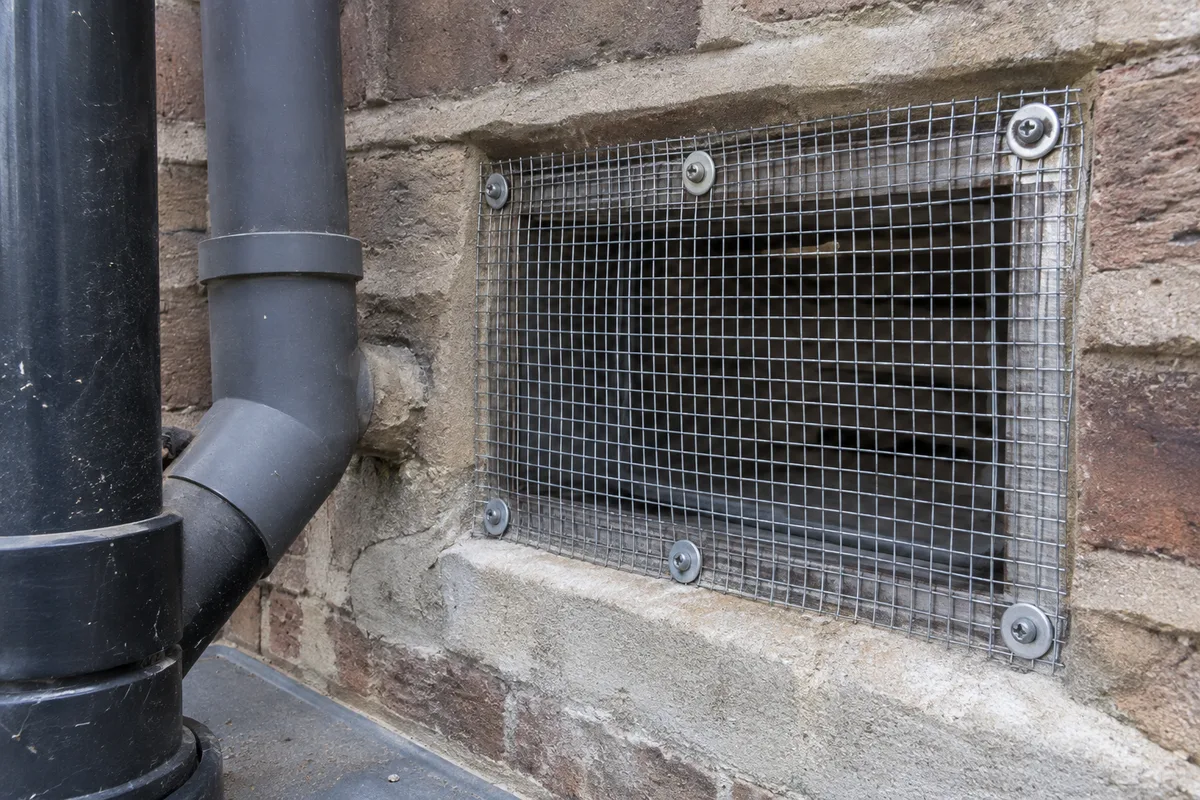
If the new finding is elsewhere, open a separate enquiry
A rat seen outside after a kitchen repair is a different observation from a mouse sighting in the cupboard that originally prompted work. Start a new entry with its location, date and management boundary. Ask whether there is evidence connecting it to the earlier concern. Do not assume the completed indoor repair failed merely because another animal was seen beyond the property wall.
The rat route-assessment guide helps explain why an outdoor location does not by itself establish indoor activity or a drainage fault. The next question may concern authorised outdoor access and identification, rather than a repeat of the kitchen programme. Tell the provider which premises can be examined and who manages any shared space relevant to that separate finding.
If building work changed the feature, review the change
A repaired opening may later be altered by plumbing work, decoration or appliance replacement. Record what changed and when, using available work descriptions or photographs. Ask whether the feature should be reassessed and whether appropriate maintenance access is needed. A newly altered service space is not the same circumstance as activity returning beside an unchanged repair.
Wandsworth Council publishes a Wandsworth Town conservation appraisal. Where the actual proposed work could affect protected fabric, the owner should check appropriate methods and approvals. That property question is separate from deciding whether the new alteration explains the observation. Do not fill a connection or ventilation feature yourself to restore a previous appearance; the relevant function and safety need preserving.
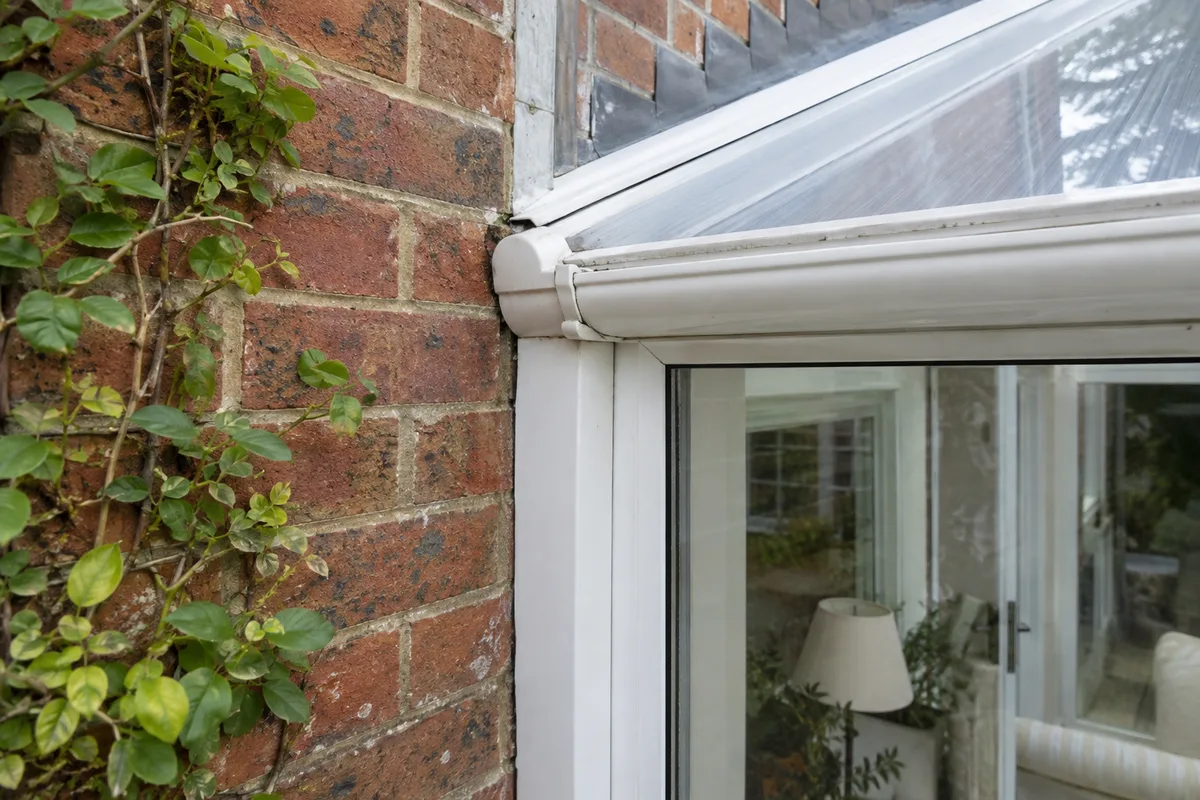
If access was missing, ask whether the unanswered question matters now
Look at the earlier assessment’s limits: a locked cupboard, fixed kitchen void or unavailable shared service space may never have been examined. Ask the provider whether the current findings make further access useful and what it would answer. Arrange the appropriate owner, manager or maintenance professional if needed. Do not remove fixed panels or enter unsafe spaces to make the appointment possible.
The proofing guidance helps distinguish a relevant repair from blanket gap filling. A possible opening needs assessing in context; it should not become another job solely because it was not seen last time. Ask for the intended purpose, priority and responsibility of each proposed action. Keep the access limitation visible until the necessary check actually happens.
Choose the next appointment from the question, then record the answer
Tell the provider which situation best describes the current enquiry: uncertain old evidence, a fresh sighting in the same room, a separate outside observation, a changed feature or a previously unavailable space. Several may apply, but keep them distinct. Ask what the initial return visit includes and how additional work will be approved. Confirm preparation relevant to that purpose, rather than repeat an earlier checklist automatically.
For urgent pest control in Wandsworth, give the postcode and current direct evidence alongside the previous records. Confirm availability. After review, keep the answer to the agreed question, remaining limitations and next steps with the dated observations. That decision record is more useful than simply counting another attendance or another filled gap as progress, and it avoids treating every recurrence as the same problem regardless of what the evidence shows.
Questions about pest control in Wandsworth
Does an unchanged old mark justify repeating treatment?
It does not establish fresh activity by itself. Describe its uncertain age and ask what evidence would help assess the current concern.
What if the returning sighting is in a different location?
Record it separately and ask whether evidence connects it to the earlier programme rather than assume the repair failed.
How should later plumbing work be included?
Keep its date, position and available work details so the provider can consider what changed at the feature.
Does an earlier inaccessible void always need opening?
Ask what question additional access would answer and whether current findings make it relevant. Arrange appropriate safe access where needed.
What should a return appointment record?
Keep the question assessed, findings, limitations and next actions, instead of treating another attendance as proof of resolution.