
Pest Control West Kensington
A lower-ground flat can have awkward access around storage and services. Begin with room evidence, then coordinate the visit with whoever can approve treatment and repairs.
Give the entrance and affected-room details
Keep maintenance requests linked to findings
Agree access limits before preparation
Plan the enquiry
Describe the flat, not an assumed property type
Keep rodent and insect reports distinct
Use the appropriate housing contact
Create access without disturbing services
Describe the flat, not an assumed property type
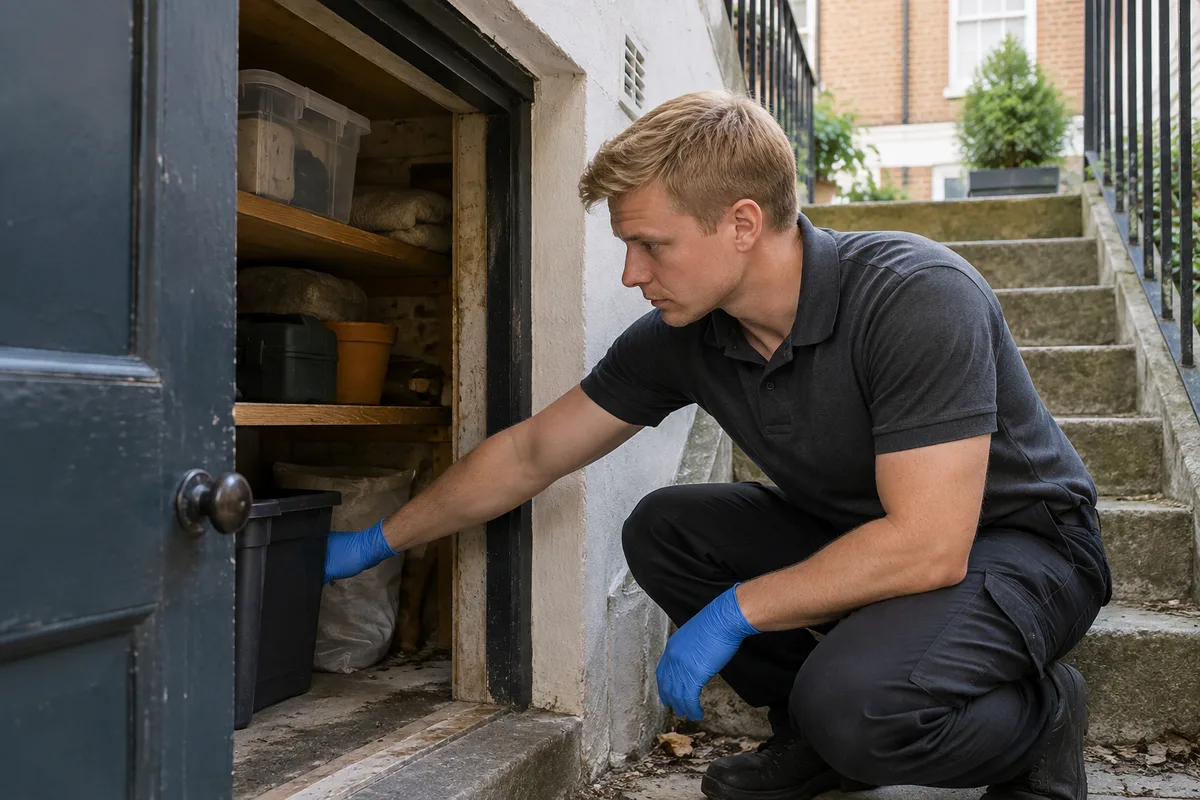
Give the entrance, floor and rooms involved. Explain steps, a separate door or shared access where they affect the appointment. A lower-ground position is context, not evidence that a particular pest or route must be present. The provider needs the actual sighting or sign with its date and location. Safe photographs showing cupboards and room edges can help explain the inspection area.
For a West Kensington enquiry, make clear whether the booking concerns only your flat or an accessible shared location as well. The contact opening the door should know which spaces are authorised. A general building address can make the scope look wider than it is, so keep the flat reference and relevant rooms visible in the record from the start.
Keep rodent and insect reports distinct
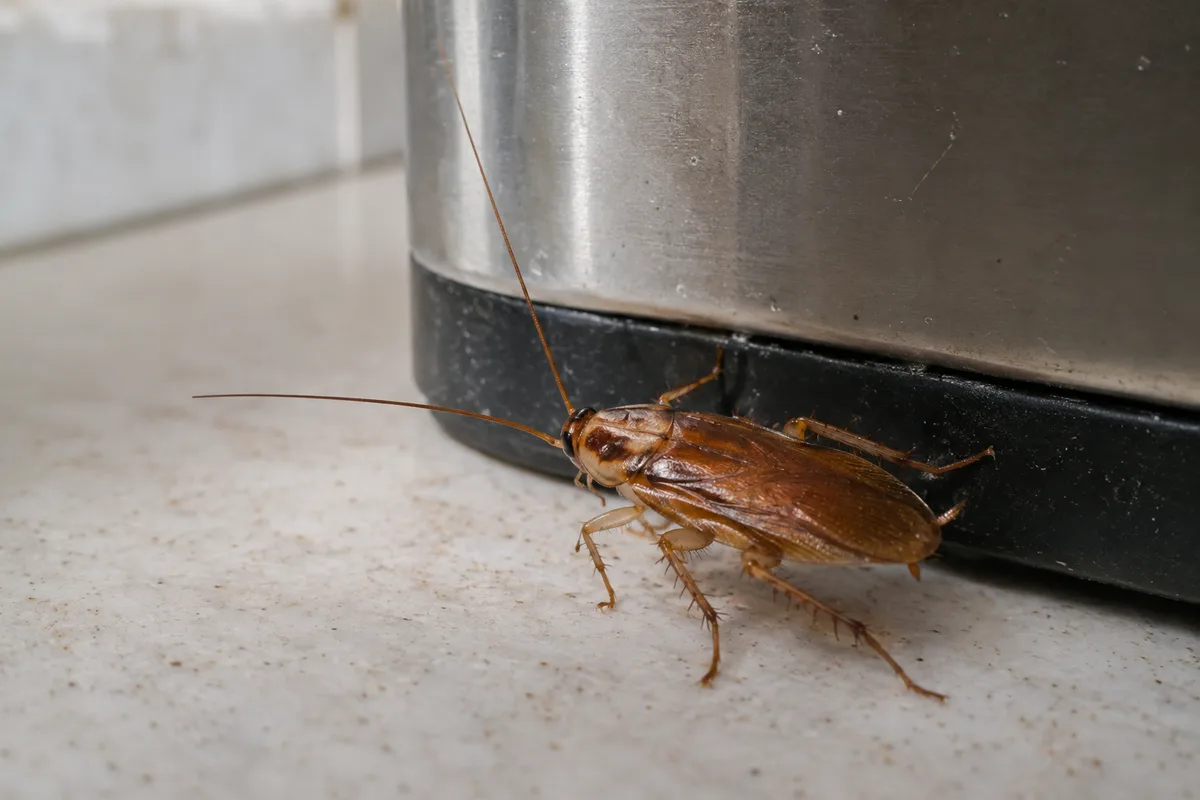
A direct animal sighting, fresh material near food and a sound behind a panel should each be described accurately. Use the mouse inspection guide to organise the enquiry without assuming species from a noise alone. If an insect has appeared around kitchen equipment, the cockroach assessment information covers identification questions and useful location context.
Do not apply several products across the room before the findings have been assessed. Tell the provider about anything already used and where it was applied. A provider should explain which evidence supports the proposed scope. The lower-ground layout may influence access, but it should not become a generic reason to treat every cupboard irrespective of what has been reported.
Use the appropriate housing contact
Hammersmith and Fulham’s maintenance handbook provides routes for council residents to report repairs and estate-service concerns. If that applies to your home, use the relevant current contact and keep the room evidence with the request. For other arrangements, establish the landlord or manager responsible for authorising the work. Do not assume a council route covers a privately managed flat.
A repair request and pest booking can proceed through different people. Tell each what has actually been arranged so both do not assume the other has handled it. Keep reference numbers and decisions with the findings. The useful local detail is the right reporting route for your tenancy, not a claim that every West Kensington resident has the same entitlement or repair responsibility.
Send updates against the existing request reference where one exists. A photograph of a newly reported point can help the responsible contact distinguish a changed finding from a duplicate message.
Create access without disturbing services
Explain which cupboards contain stored belongings and which contain equipment or restricted services. Move ordinary loose items only under the agreed preparation plan where safe. Do not remove electrical covers, reach behind hot pipework or disconnect appliances to expose a suspected gap. Arrange competent help if the agreed inspection genuinely requires it.
Tell the provider about locked cupboards and areas controlled by another occupier. If access remains unavailable, ask for that limitation and a next step to be recorded. An appointment can still provide useful findings within a clear scope. It must not appear later as assessment of every concealed location simply because a technician was able to enter the flat.
Connect repair work to a defined opening
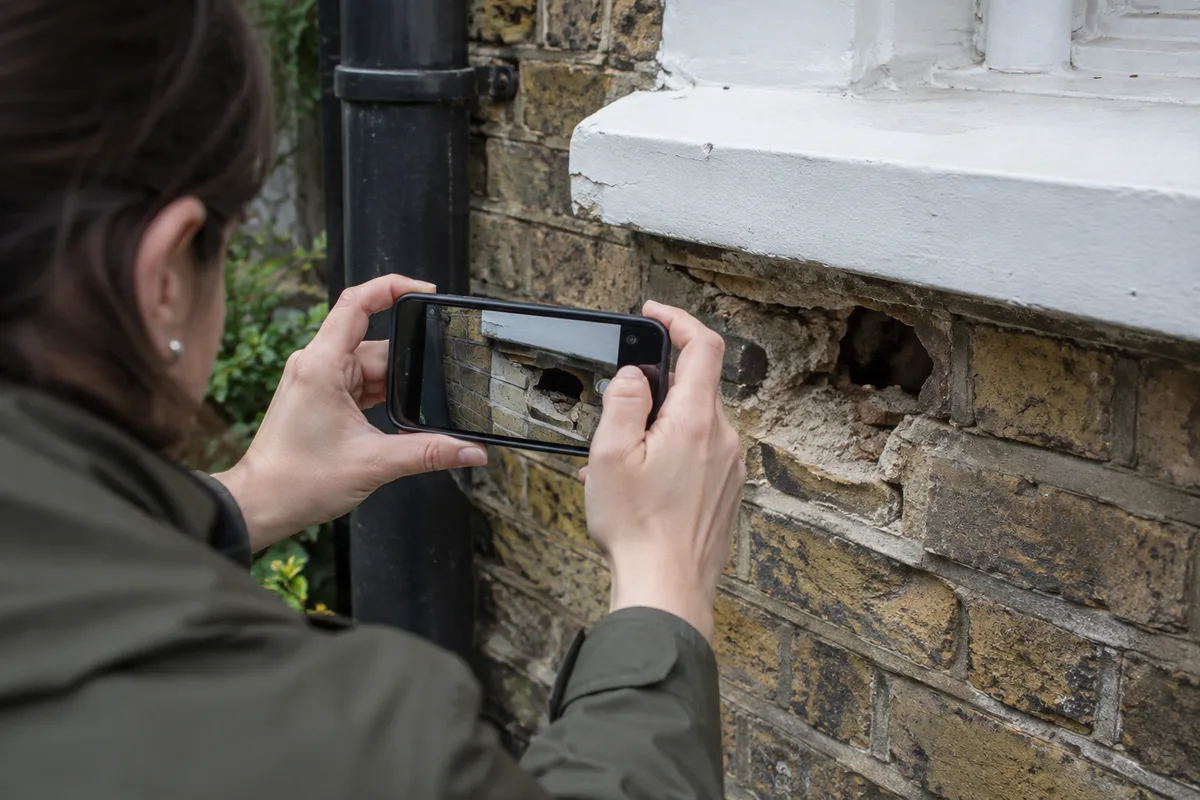
Our proofing planning information helps turn a finding into a practical repair question. Identify the exact point, surrounding material and service function. A maintenance person needs this detail to consider suitable work without obstructing ventilation, drainage or access. Treatment approval does not automatically include structural or service alterations.
If the opening relates to a shared part of the building, involve the appropriate manager. Ask how any repair should be coordinated with current activity and which points still need inspection. Keep the specification and owner approval together. Covering a visible gap neatly is not the same as resolving the route question or checking a concealed section beyond it.
Leave a record another contact can follow
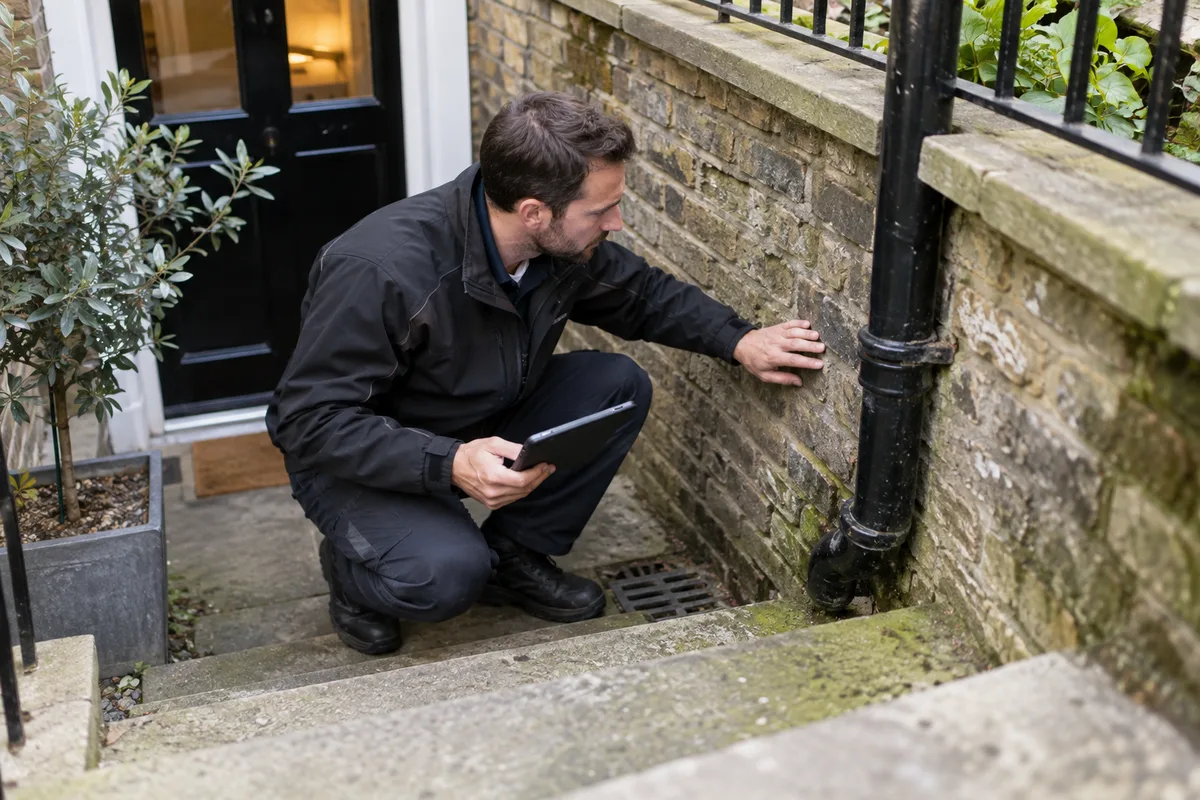
Retain the initial findings, inspection limits, recommendations and repair dates. A tenant, landlord or maintenance contact joining later should be able to see what was assessed and what remains pending. Report new signs by the same room references, including when another area becomes accessible. Avoid sending a fresh general complaint that loses the previous decisions.
To discuss a West Kensington visit, provide the postcode, relevant flat entrance and current evidence. State any access or approval still needed so the proposed appointment is realistic. The useful outcome is a clear assessment and a coordinated next action, with responsibilities and limits understood. That keeps a lower-ground concern from becoming repeated room-clearing or speculative repair work while the actual question remains unanswered.
Questions about pest control in West Kensington
Does a lower-ground flat automatically need rodent treatment?
No. The decision should follow identified evidence and assessment.
Does the council maintenance route apply to every tenant?
Use it where it applies to your housing arrangement; privately managed homes may have another contact.
Should service covers be removed before inspection?
Do not open unfamiliar equipment. Arrange authorised competent access if needed.
Who handles a shared-building opening?
The appropriate manager or owner should clarify approval and suitable repair.
What helps a landlord joining the case later?
A concise record of findings, inspected scope, limits, agreed work and dates.