
Pest Control Putney
A rat outside deserves a precise report, but it does not establish a problem inside your home. Keep the outdoor observation separate from any signs in occupied rooms.
Record where the animal was seen
Describe indoor evidence separately
Ask for a reason before commissioning drain work
Plan the enquiry
Record the location without guessing the route
Look at the premises you can safely observe
Private gardens and communal grounds need different consent
Ask what supports a drainage investigation
Record the location without guessing the route
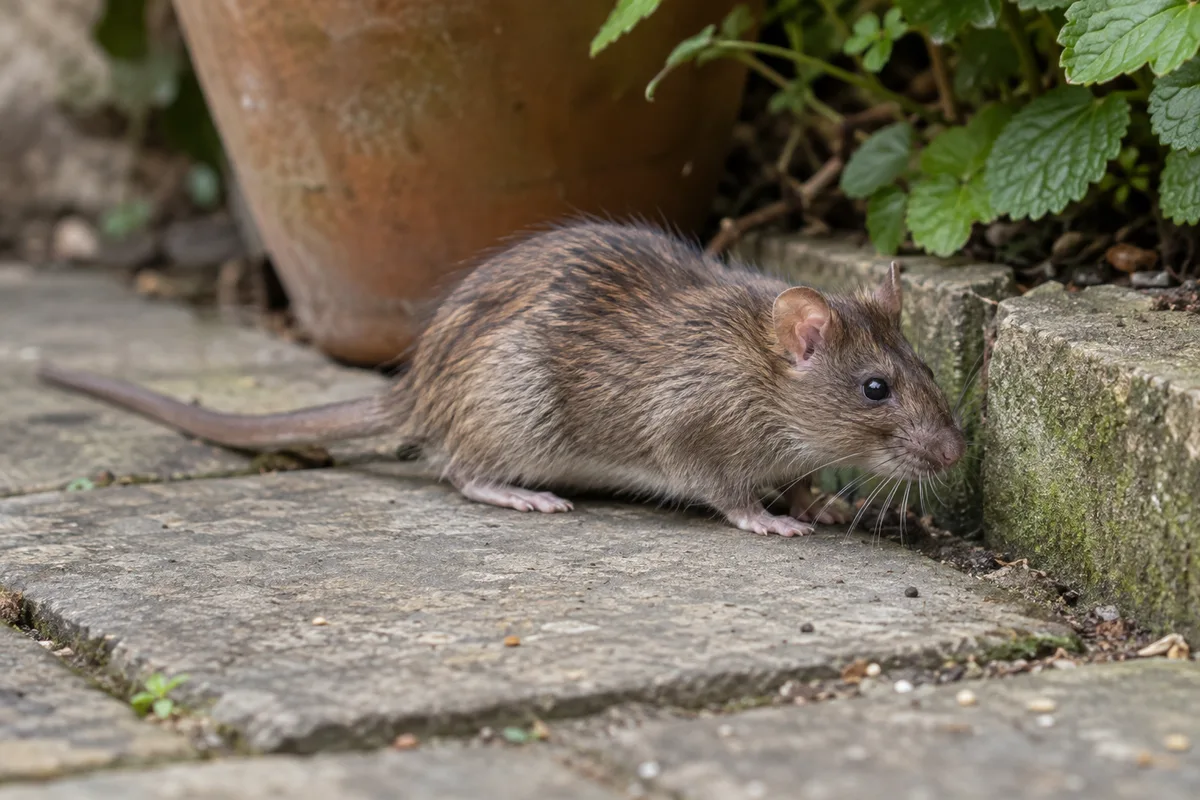
An animal moving beside a wall, fence or waste store may be visible for only a few seconds. Note where you were standing, the approximate time and the direction of movement if you actually saw it. A photograph can help, but do not approach the animal or follow it into an inaccessible space. Mention whether the sighting was within your property, a communal area or beyond your boundary. Those distinctions affect who can authorise an inspection.
Putney’s riverside setting can lead people to assume that an outdoor rat must have come from a drain or the river. A location alone does not establish either route. Keep those ideas out of the factual report unless there is supporting evidence. Tell the provider what was seen at the building itself and what remains uncertain. A useful assessment needs the observed circumstances, not a conclusion chosen in advance.
Look at the premises you can safely observe
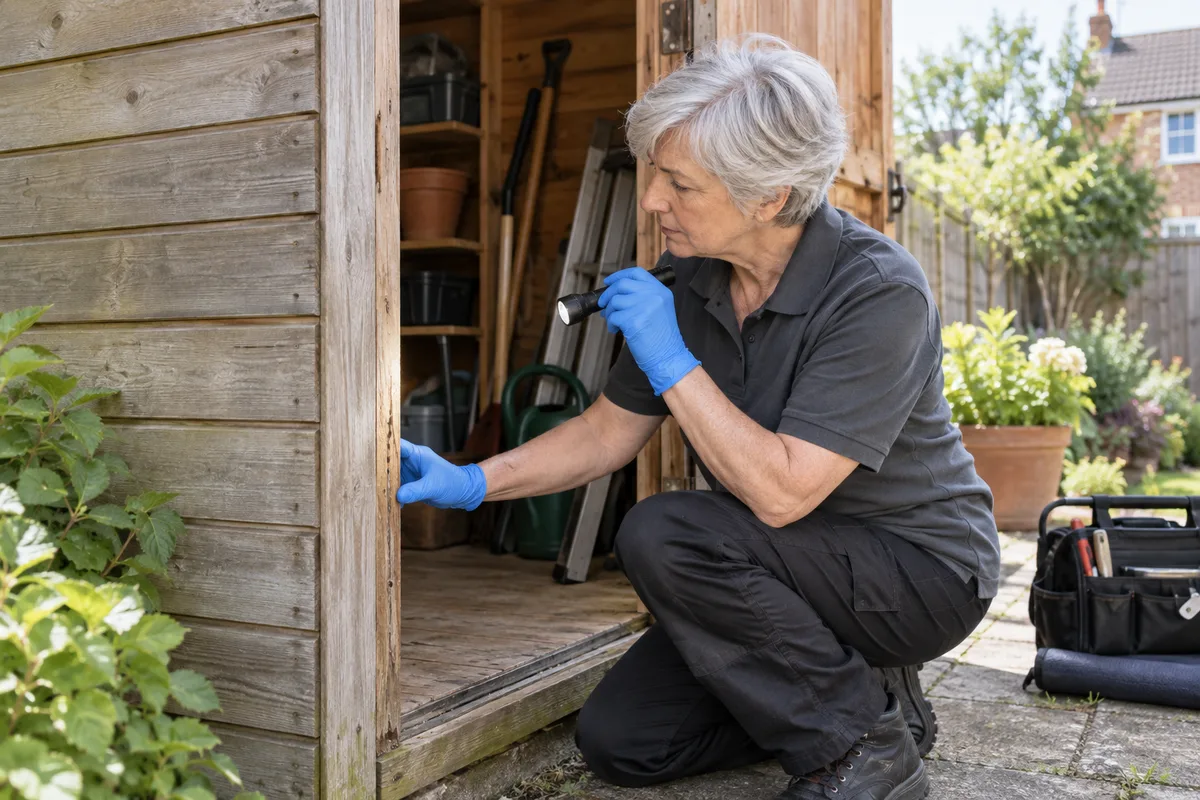
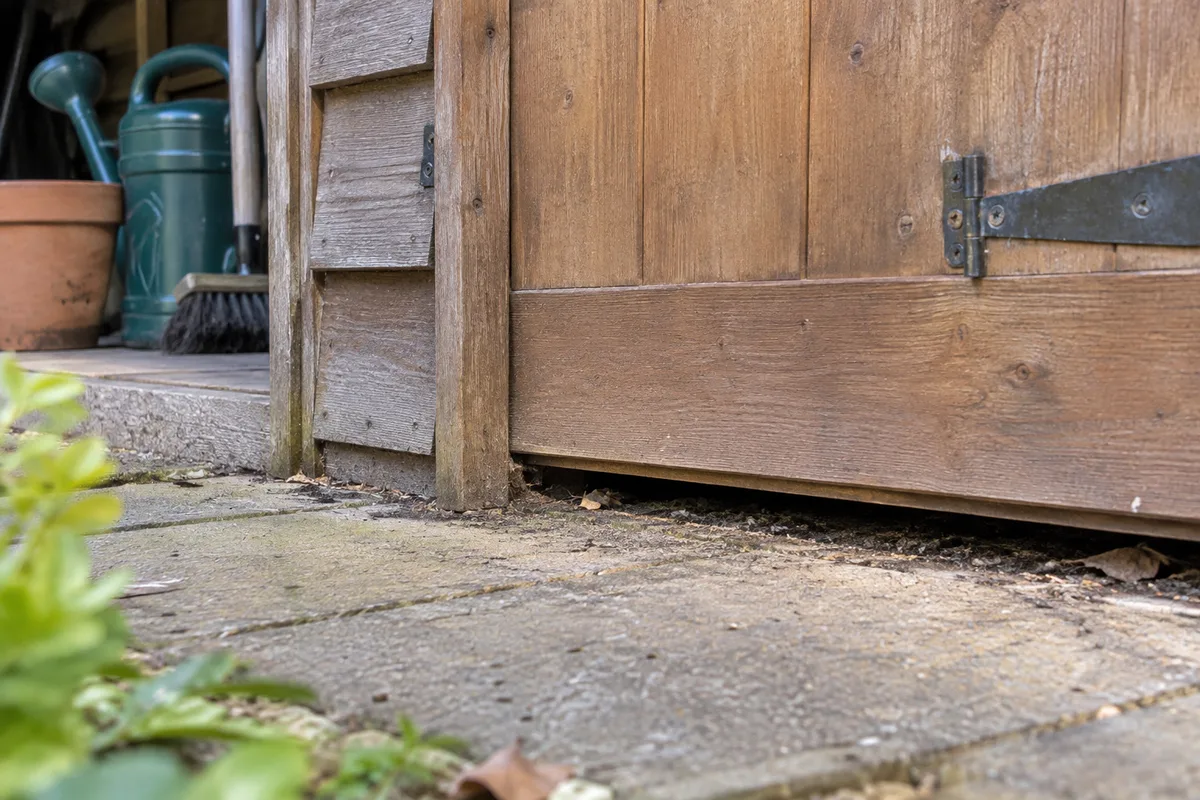
From an ordinary accessible position, note damaged external door seals, exposed service gaps or waste storage that needs attention. Do not lift drain covers, enter a service chamber or dismantle a ventilation grille. If an opening is hard to see, describe its location rather than reaching into it. Give the provider any separate indoor findings, including the room, date and nature of the sign. Scratching, a live sighting and damaged packaging should remain distinct observations.
The rat control and route-assessment guide explains why identification and access matter before a programme is chosen. If the indoor report suggests a smaller rodent, use the mouse inspection information to prepare that part of the enquiry. Do not decide that two different findings must be connected because they occurred at the same address.
Private gardens and communal grounds need different consent
A provider can only examine areas included in the agreed scope and available for access. Tell them if the rear space belongs to your home, a group of flats, a neighbouring property or another organisation. Arrange the person responsible for shared grounds before promising that gates, stores or service areas can be opened. Where a boundary is disputed or unclear, describe the practical limitation rather than suggesting the technician can cross it without agreement.
Wandsworth Council identifies West Putney and Deodar Road among its conservation areas. Building repairs should be considered against the actual property’s status, rather than a blanket assumption about every Putney address. If a recommendation could alter protected exterior fabric, discuss permissions with the responsible owner and appropriate professional. An outdoor pest report does not remove ordinary responsibilities for consent, safe access or suitable building maintenance.
Ask what supports a drainage investigation
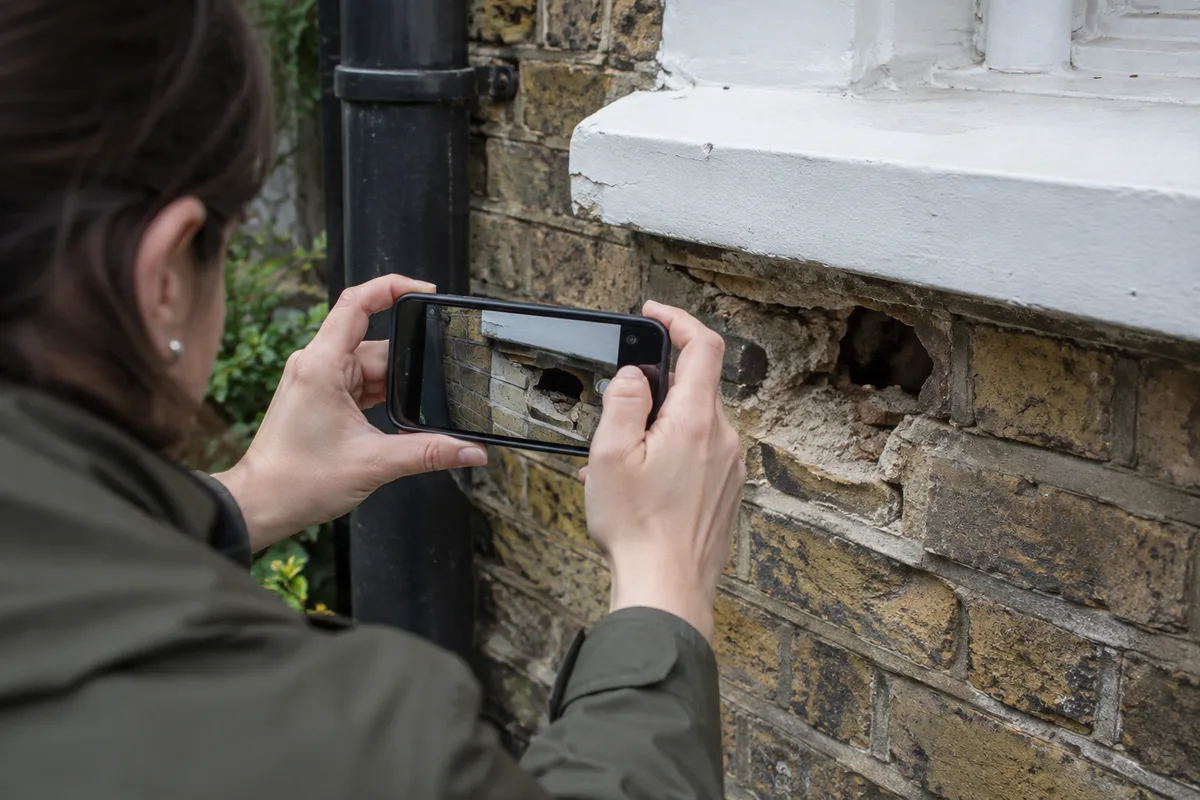
Drainage work should follow a defined question. Ask what evidence suggests a relevant defect, which area needs examining and what the proposed investigation would show. The person carrying it out should explain their scope, limitations and any separate charges. A sighting near the pavement is not proof of damage beneath your home. Equally, a suspected opening at the building needs proper consideration rather than being dismissed because the rat was first seen outdoors.
Keep earlier survey records available if they relate to the premises, and state their dates. A previous report may describe a different repair or an area that was not included. If access depends on a landlord or manager, bring them into the discussion before booking further work. Ask for findings in writing so a proposed repair can be tied to an observed defect instead of an unsupported explanation.
Use prevention as a targeted maintenance plan
Secure appropriate food and waste storage, report damaged containers and keep accessible cleaning areas manageable. Ask the provider which changes relate to the inspection findings. A recommendation about a door threshold differs from one about a service opening or boundary vegetation. Do not clear a whole garden or block every opening simply to make the premises appear less inviting. Necessary ventilation and building services must remain functional.
Our pest-proofing advice explains how repair choices should match the feature and evidence. Keep treatment, monitoring and repairs coordinated without treating them as interchangeable. If a manager is responsible for communal waste facilities, pass on the specific finding and location. A factual report is easier to act on than a general assertion that the entire street has a problem.
Decide what to report while waiting for a visit
For urgent pest control in Putney, give the postcode and say whether the current concern is an outdoor sighting, evidence indoors or both. Explain how the provider can reach the affected space. Ask for confirmed availability and what the initial appointment includes. Keep pets and children away from suspect material and request suitable advice about cleaning or immediate precautions. Do not add products around a garden or shared path without discussing the findings and responsibilities.
If another sighting occurs, record its position and time. That record can show a pattern without exaggerating a single event into continuous activity. After assessment, keep the report and any repair instructions together. Ask which observations need earlier contact and what will be reviewed next. The purpose is to establish the problem at your premises and make proportionate decisions, rather than purchase an indoor treatment based only on proximity to the river.
Questions about pest control in Putney
Does living near the river prove rats entered through drains?
No. The location does not identify an entry route. Ask what evidence supports any proposed drainage investigation.
Can the provider inspect a communal garden?
Discuss scope and obtain appropriate authorisation. Arrange access with the person responsible for the grounds.
Should I lift a drain cover to take a photograph?
Do not open service chambers or enter unsafe spaces. Describe the observation and let the appropriate professional assess access.
What makes an outdoor report useful?
State the date, approximate time, exact location and whether it was inside your boundary. Keep assumptions about the origin separate.
Do indoor and outdoor sightings always involve one problem?
No. Describe each finding clearly so the provider can assess whether there is evidence connecting them.