
Pest Control Camden Town
A useful visit starts before the technician reaches the door. In a shared home or workplace, missing keys and unclear permissions can leave the most relevant space unchecked.
Identify who holds each key
Agree which rooms can be inspected
Record signs before cleaning
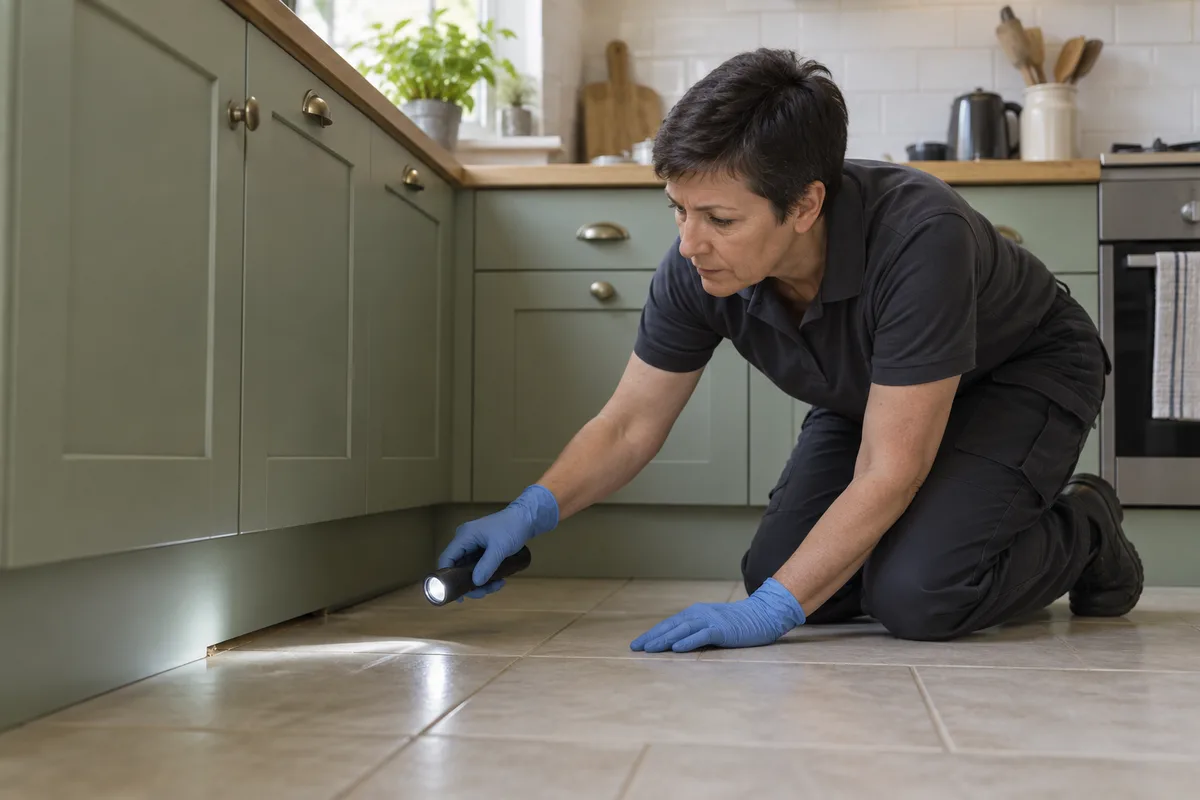
Unlock the inspection, not just the front door
Think through the route to the area where you have noticed signs. A front-door key may get someone into the hallway but not the cellar, shared kitchen or rear passage. Make a short access list before booking: the room, the person responsible and any restriction on entry. This is particularly helpful when several tenants use different parts of a building. Give the provider your full Camden Town address rather than a nearby landmark, and explain how to recognise the correct entrance.
Camden publishes conservation information for Camden Town. A building’s status matters when an inspection leads to a proposed external repair; it does not tell anyone which pest is present. Check the address against the council information before authorising a change to the building fabric. An inspection can record a gap without giving the technician authority to alter somebody else’s property. Keep those decisions separate when arranging access.
What needs to be visible during the visit
The first useful evidence might be inside a low cupboard, beside a food container or along the edge of a room. Photograph it with a wider view showing its position. Tell the provider whether the observation is new or something left over from an earlier problem. A dated picture is more informative than a description of dirt found during a general clear-out. Avoid reaching into dark voids or moving a heavy appliance to collect evidence.
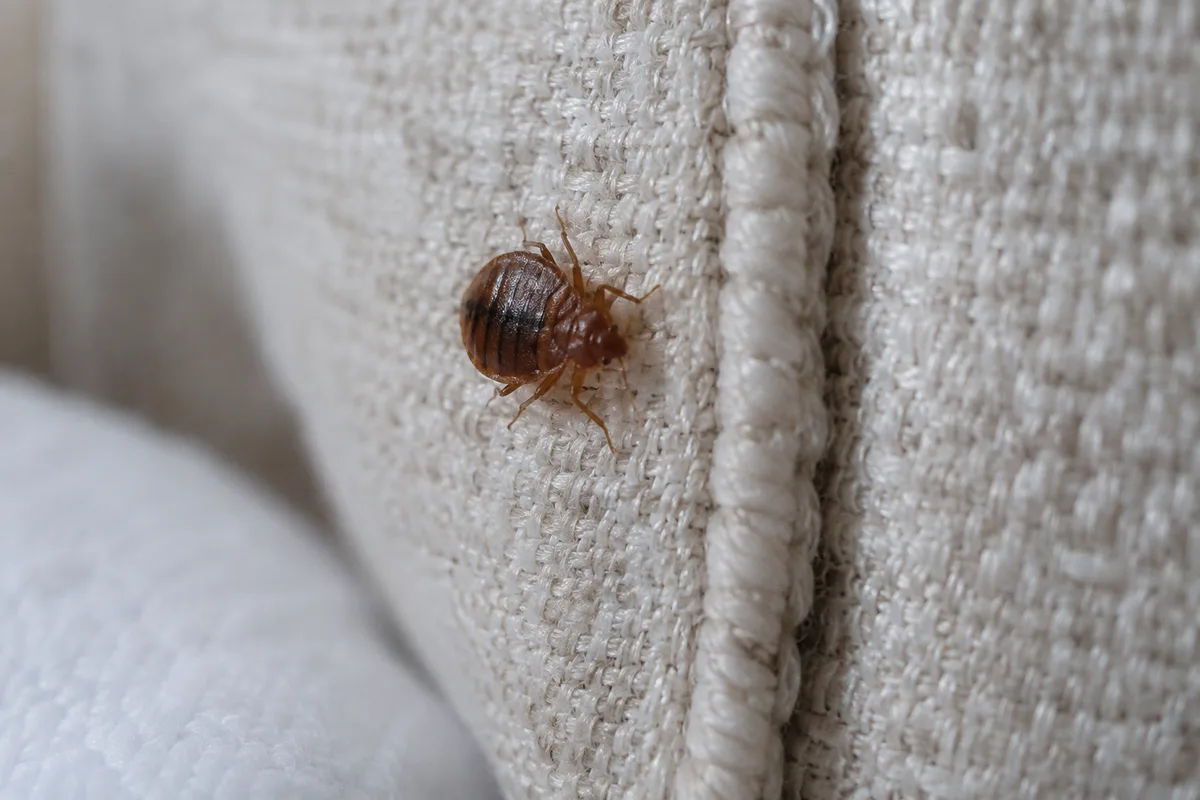
For suspected rodents, our mouse inspection and monitoring advice explains how signs and accessible routes guide the recommendation. An insect found near a bed needs a different assessment. Keep the room available and ask how to retain a specimen safely if you have one. Do not spread belongings between bedrooms to make space for the visit; that can make both identification and preparation harder.
Agree a scope everyone can understand
In a shared house, ask which rooms are included and whether each occupant needs to be present. Someone may be able to open the kitchen but not consent to work in a private bedroom. In business premises, identify the person who can authorise treatment and the person who can unlock storage. These may be different people with different working hours. A written list avoids an awkward decision being made at the door.
The guide to arranging a London pest control visit covers inspection enquiries for different premises. Ask what happens if an important space is inaccessible. A responsible report should record that limitation rather than describe unseen areas as clear. If a further visit becomes necessary, establish how it will be booked and charged. An apparently cheaper appointment is not a useful comparison if it excludes the only cupboard where signs were found.
Make an access handover that survives a shift change
If somebody other than the caller will meet the technician, give them a short written handover. Include the correct entrance, rooms agreed for inspection, keys needed and the contact who can approve a change in scope. Leave the observation photographs with their room labels rather than relying on that person to repeat a story they did not witness. This is especially useful when a caretaker, receptionist or housemate provides access.
Check that the arrangement still works shortly before the visit. A borrowed key returned to its usual holder or a room unexpectedly occupied can change what is possible. Let the provider know about that change promptly. Ask the person opening the property to record any area that could not be reached, so the report and your understanding of the visit remain consistent. The handover is a practical access aid, not permission for unagreed work.

Treatment instructions belong with the occupier
The person paying the invoice is not always the person living with the treatment. Confirm who will receive instructions about cleaning, room use, children and pets. Ask for these before work begins so that practical arrangements can be made. If a product or device is used, occupants need to understand what must be left undisturbed and what observations they should report. Do not rely on a hurried message passed between housemates afterwards.
For bedroom concerns, read the bed bug preparation information and discuss the rooms actually affected. A general pest inspection does not mean every bedroom will receive the same procedure. Preparation should match the identified problem and agreed method. Keep any provider instructions available to new occupants or staff who will use the space before the next review.
Turn a finding into an authorised repair
A visible opening may belong to a communal part of the building. Record its position and give the owner or manager the inspection finding rather than asking an occupant to improvise a repair. Doors, ventilation openings and service penetrations need different solutions. Blocking an opening indiscriminately can interfere with a system that needs to remain functional. Our proofing guide sets out why the location and material matter.
After any agreed treatment, organise one contact for new reports. Note the date, exact room and physical evidence, then share it with the provider through the agreed channel. If a scheduled review needs the same keys, reserve them again. A coordinated follow-up is much more useful than several people making separate calls with different versions of the problem. Call with your postcode and access list when asking about the next available appointment.

Questions about pest control in Camden Town
Can a housemate let the technician into my room?
Arrange explicit permission and the required access before the visit; access to shared rooms does not automatically include your bedroom.
What if the cellar key cannot be found?
Tell the provider before booking. The inspection may be limited, or access may need to be arranged for another appointment.
Should I clean away the signs first?
Photograph and report them, then ask for cleaning advice appropriate to the material and situation.
Can I ask for an evening appointment?
Explain your access restrictions and ask what appointments are available; a particular time cannot be assumed.
Who receives the aftercare instructions?
Agree this in advance so the person using the treated space receives them directly.