
Pest Control Islington
A report can say what was seen in your flat without establishing what lies behind every wall. Knowing the difference between a finding and an inspection limit helps you choose a sensible next step.
Locate the actual finding in the inspected room
Keep unseen spaces labelled as unknown
Ask which unresolved question justifies more work
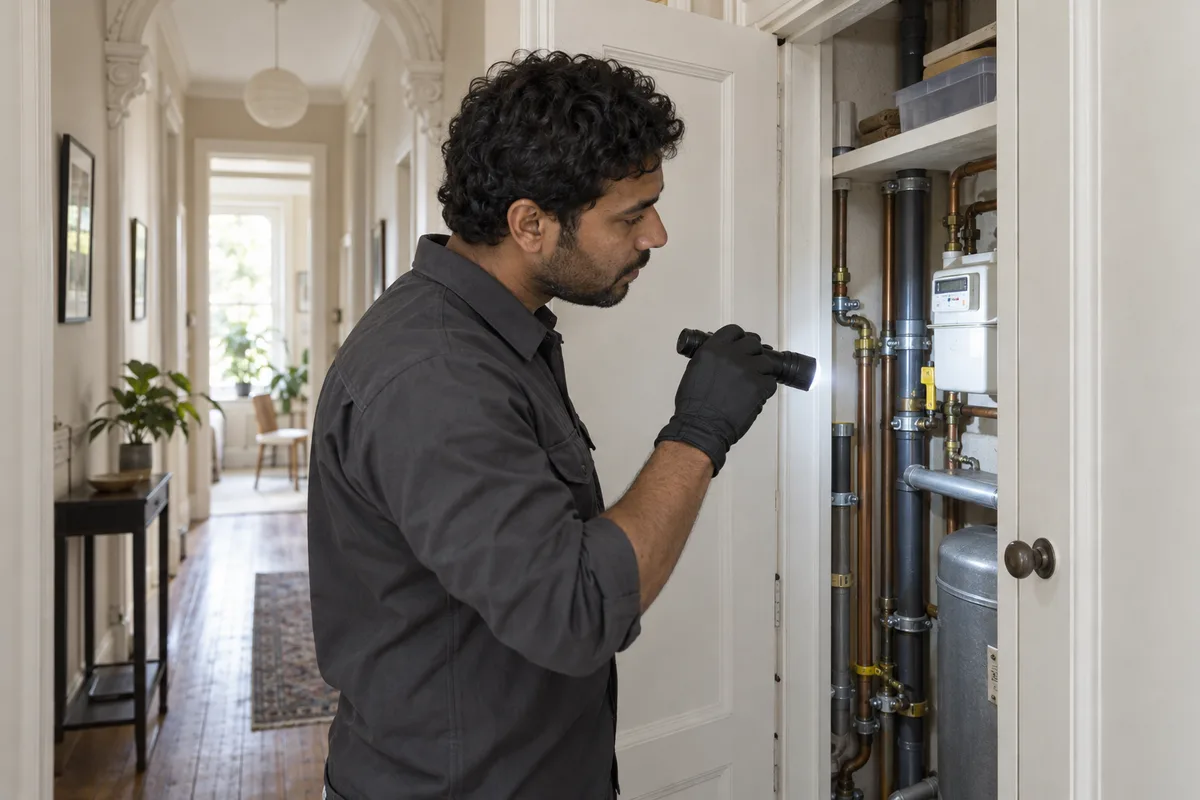
Read the finding before the recommendation
Start with the location and observation recorded by the provider. A description of marks beside a cupboard base is different from an identified animal or insect. Ask which evidence supports the recommendation and whether the finding was observed directly. Photographs should have enough context to locate the point in your flat. If a report contains a species name, ask what established it rather than assuming the wording is conclusive simply because it appears beside a treatment proposal.
The mouse inspection information explains questions about physical signs, room activity and accessible routes. A proposed programme should relate to those findings. It should not be expanded to every flat in a converted building because one household called first. If another occupier reports activity, keep their observation distinct until an authorised assessment considers it. That gives the provider evidence to compare without asking them to certify rooms they have not entered.
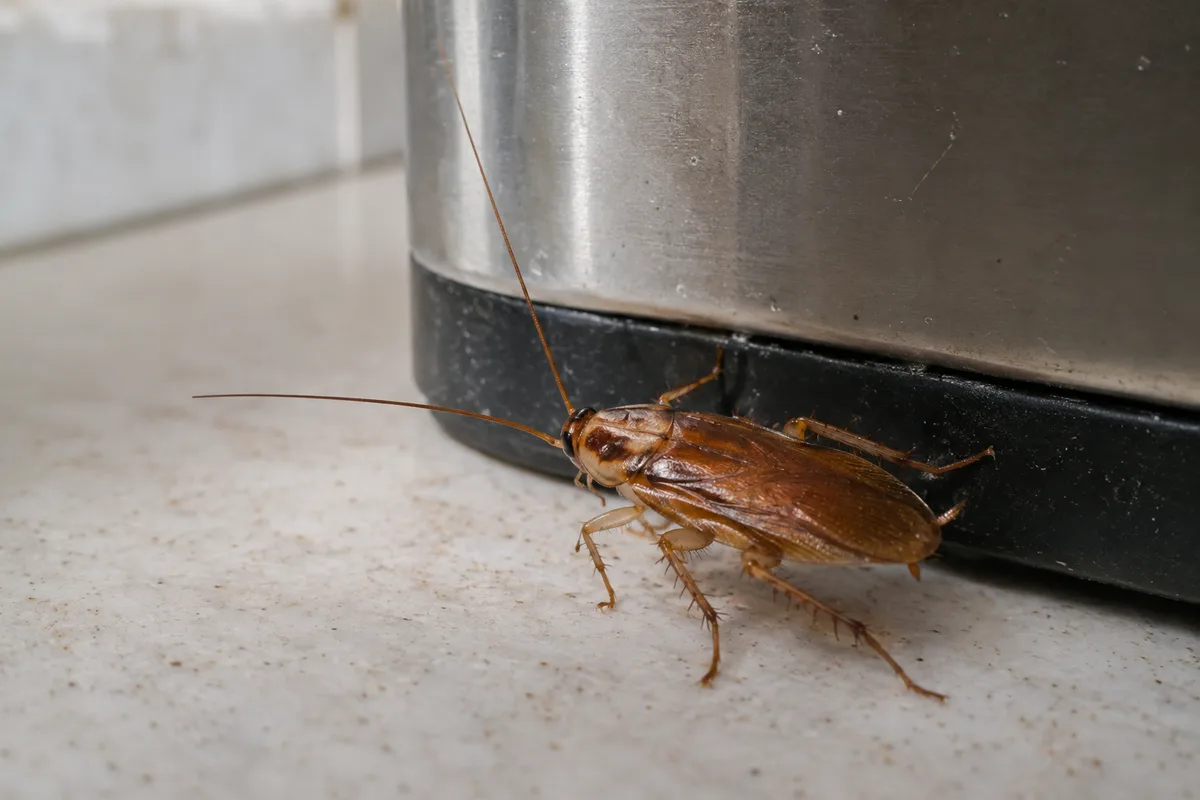
An inaccessible void is an unknown, rather than a result
“Not accessible” should not be read as “clear” or “confirmed source”. An inspector may be able to examine your cupboard while lacking safe access behind a fixed panel or inside a communal riser. Ask for that boundary to be recorded. You can then understand what the visit established and which question remains unanswered. Do not remove unfamiliar panels or enter another occupier’s space to complete the inspection yourself.
Consider an illustrative report: “Kitchen cupboard inspected; signs recorded at rear floor edge; adjoining service void not accessible.” It supports a discussion about the kitchen finding and whether the void needs a further assessment. It does not establish activity throughout the building. If wider work is proposed, ask what evidence or practical question makes it worthwhile, who can authorise access and what that additional visit would examine. A recorded limitation is useful information, not a substitute for a finding.
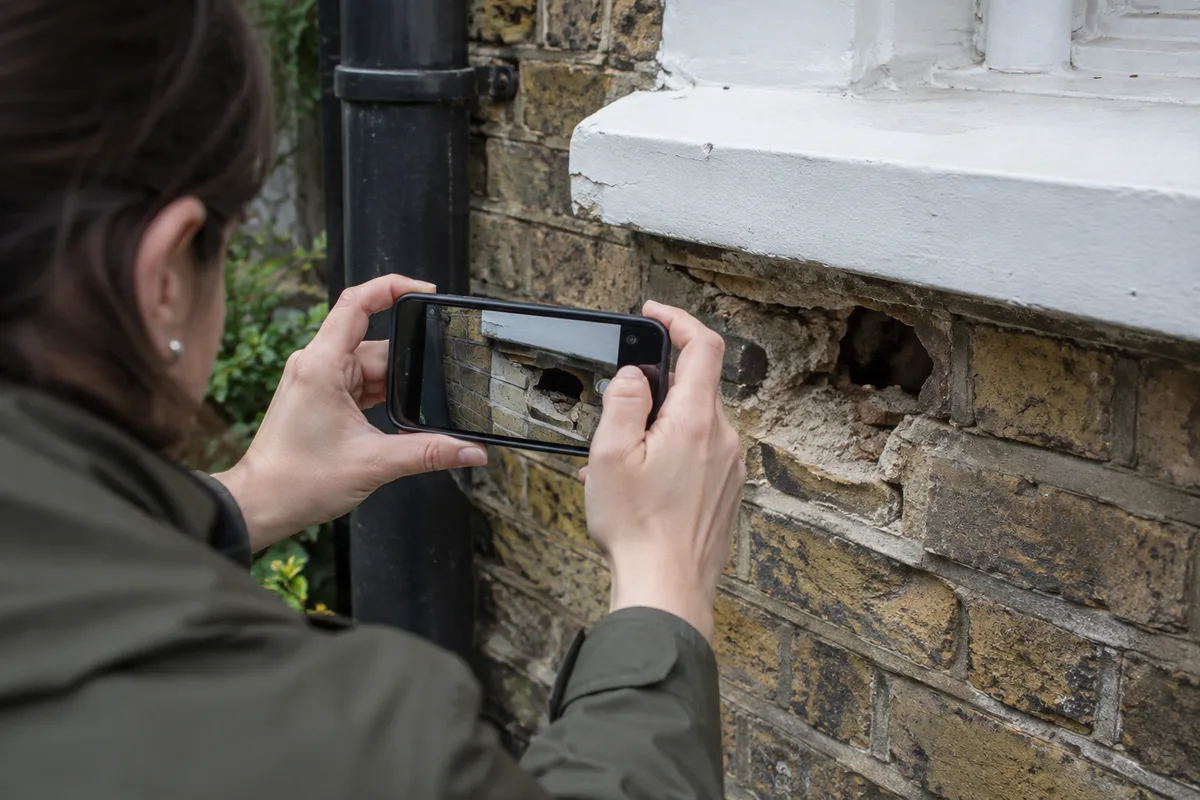
No sign observed is different from a guarantee
An accessible area may show no evidence during a visit. That is a finding for that location and time; it is not a promise about every concealed space or future observation. Keep the room description precise so a later report can be compared. If activity was reported before the appointment but not found during it, make sure the original date and location remain in the account. Ask what observations would justify contacting the provider again.
The same reasoning applies to bedroom insects. Read the bed bug assessment guidance before treating skin marks as a definitive result. A clear physical finding, an uncertain photograph and an inspection without supporting evidence lead to different discussions. Ask which of these describes your enquiry. Avoid demanding a whole-property assurance from a room-level visit, or accepting a wider treatment programme without understanding what additional evidence supports it.
A possible opening needs a separate explanation
A gap around a pipe may be visible without its role being established. Ask whether the report describes an opening, a suspected route or a route supported by the findings. These are not interchangeable labels. A repair recommendation should identify the location and what it aims to achieve. It should also explain any service, ventilation or access issue requiring another competent person. The proofing guide covers these practical questions.
Islington provides information about locally listed buildings and other property constraints. If work would alter building fabric, the owner should check the specific address and proposal. This does not identify a pest or turn every visible gap into an authorised repair. Keep the inspection evidence, proposed material and approval question separately described. That makes the maintenance decision easier to assess without overstating what the inspection proved.
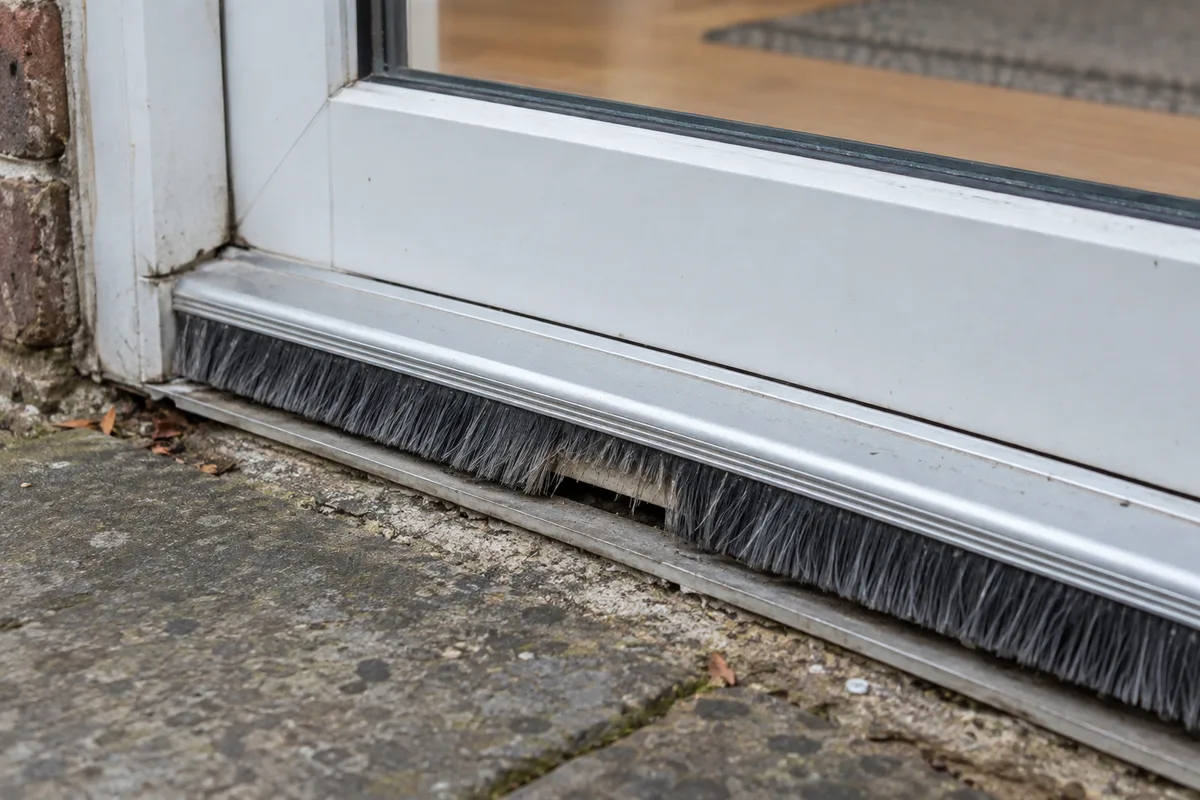
Give the manager the part they can act on
A building manager may need the location, photograph, proposed shared-area access and relevant repair question. They do not need an unsupported conclusion that every household has the same problem. If you pass on findings, distinguish your flat’s inspected areas from communal locations mentioned only as possible next steps. Ask the provider for clarification where the report’s wording leaves that boundary unclear.
An example handover could say: “Flat kitchen assessed; report attached; manager asked to arrange authorised access to the adjacent communal cupboard; no conclusion recorded about other flats.” The example is a planning aid, not a real customer case. It identifies an actionable task while preserving the uncertainty. Keep any private treatment or household instructions with the appropriate occupier. If another flat opens its own enquiry, its findings can be compared through the agreed contacts without silently extending the scope of your original appointment.
Choose the next visit by the question left open
Before agreeing more work, state the question that the next visit is intended to answer. It might be identification, examination of a newly accessible opening or review of a fresh sign in a treated room. Ask how the proposed scope addresses that question and whether it is included in the existing arrangement. Repeating an appointment without improving evidence or access may leave the same uncertainty in place.
Our pest control booking information can help organise the enquiry. For an urgent Islington call, supply the postcode, current observation and the relevant inspection record rather than just the previous invoice total. Confirm availability and the access needed. Keep subsequent findings dated and located. A useful report leaves you able to explain what is known, what was not inspected and why a particular next step has been recommended.
Questions about pest control in Islington
Does an inaccessible void count as inspected?
No. The record should distinguish the accessible locations from any space that could not be examined.
Does no evidence in a room mean the whole building is clear?
No. Understand the finding in terms of the inspected location, time and scope.
Is every gap a confirmed pest route?
No. Ask whether it is simply an opening, a suspected route or a route supported by the findings.
What should I share with the building manager?
Relevant location, access and repair information, with inspected areas and uncertainty clearly distinguished.
What makes another inspection useful?
A defined unresolved question, appropriate access and a scope that explains what the visit will assess.