
Pest Control Hoxton
Storage behind a workplace or home can connect to spaces managed by somebody else. Identify where the evidence ends and where authorised access needs to begin.
Label each store in the evidence record
Keep suspect materials out of clean storage
Find the contact for adjoining spaces
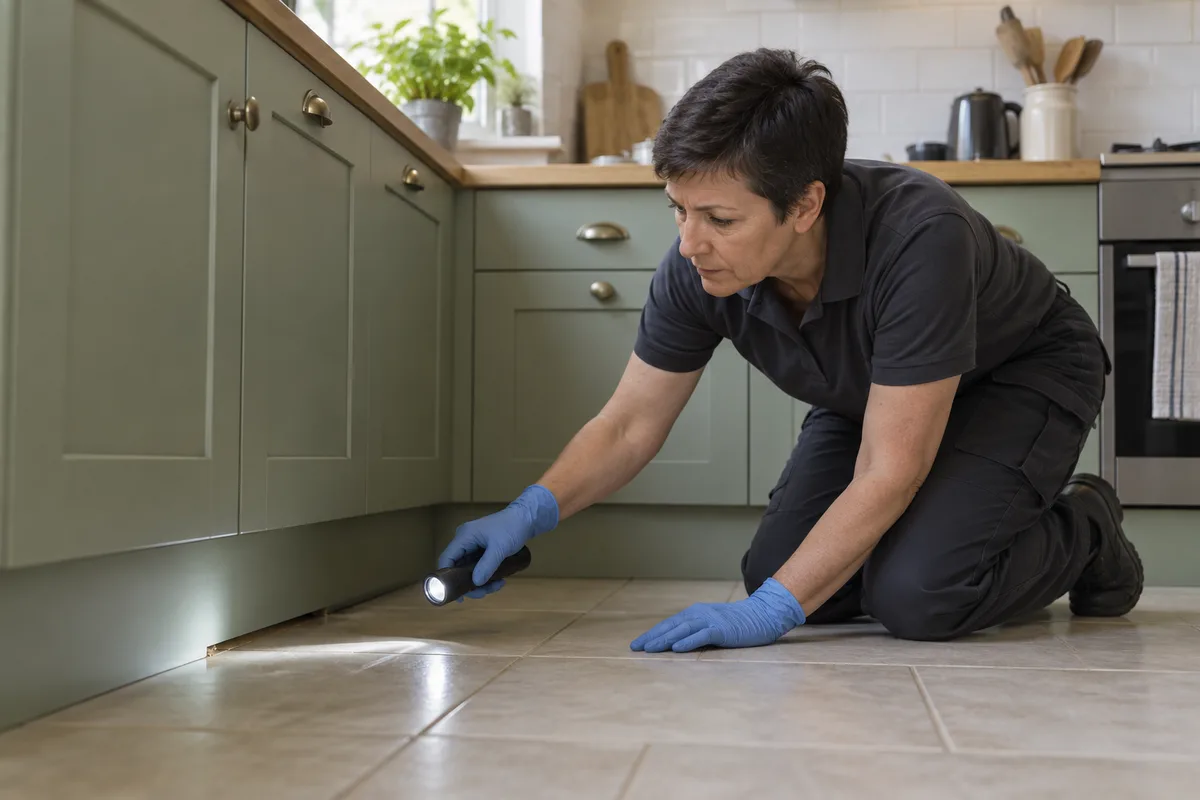
The store name matters more than its size
When arranging a visit, identify which cupboard, back room or external store contains the finding. A photograph labelled only storage can be difficult to place in a property with several small rooms. Describe the entrance, any steps and which door needs a separate key. If the concern was noticed during a clear-out, say whether signs are known to be new or could have been present before the room was regularly checked.
Hackney lists a Hoxton Street conservation area. If prevention eventually involves altering external fabric at an affected property, the owner should check relevant planning information. The designation is not evidence of pests and does not apply identically to every address described as Hoxton. For inspection, concentrate on the actual room and the storage arrangement, including any connection to another occupier’s space.
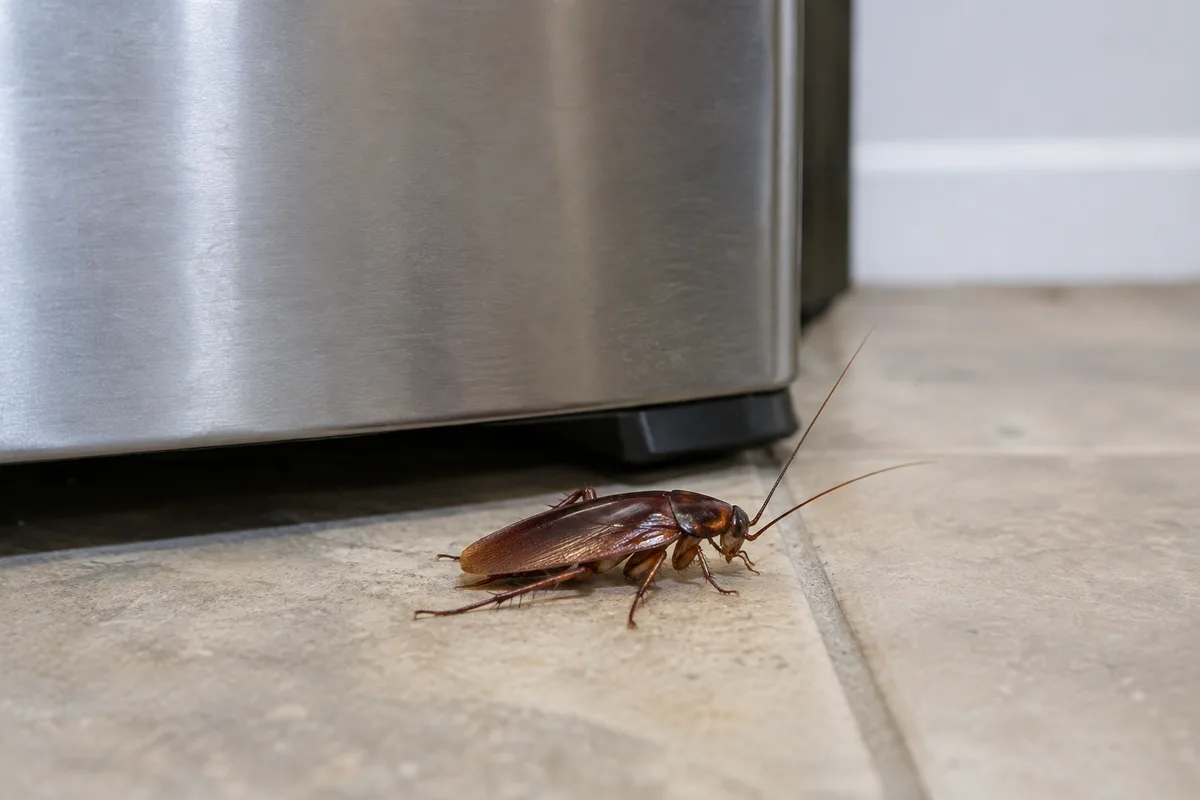
Identify the material affected
Food packaging, paper archives, clothing and cleaning supplies create different handling questions. Explain what has been damaged or where an insect was seen. Do not mix potentially affected items into another store while making room for the technician. Ask how much clearance is needed and how suspect materials should be kept separate. Avoid opening loose or damaged packages in a clean staff room simply to photograph the contents.
The mouse inspection guide is relevant to suspected rodent evidence around stored supplies. For insects near warm equipment or kitchen storage, read our cockroach assessment information. A pest name should follow the evidence rather than the contents of a cupboard. If an insect is unfamiliar, a photo or safely retained specimen may support identification, but the provider may still need an on-site assessment.
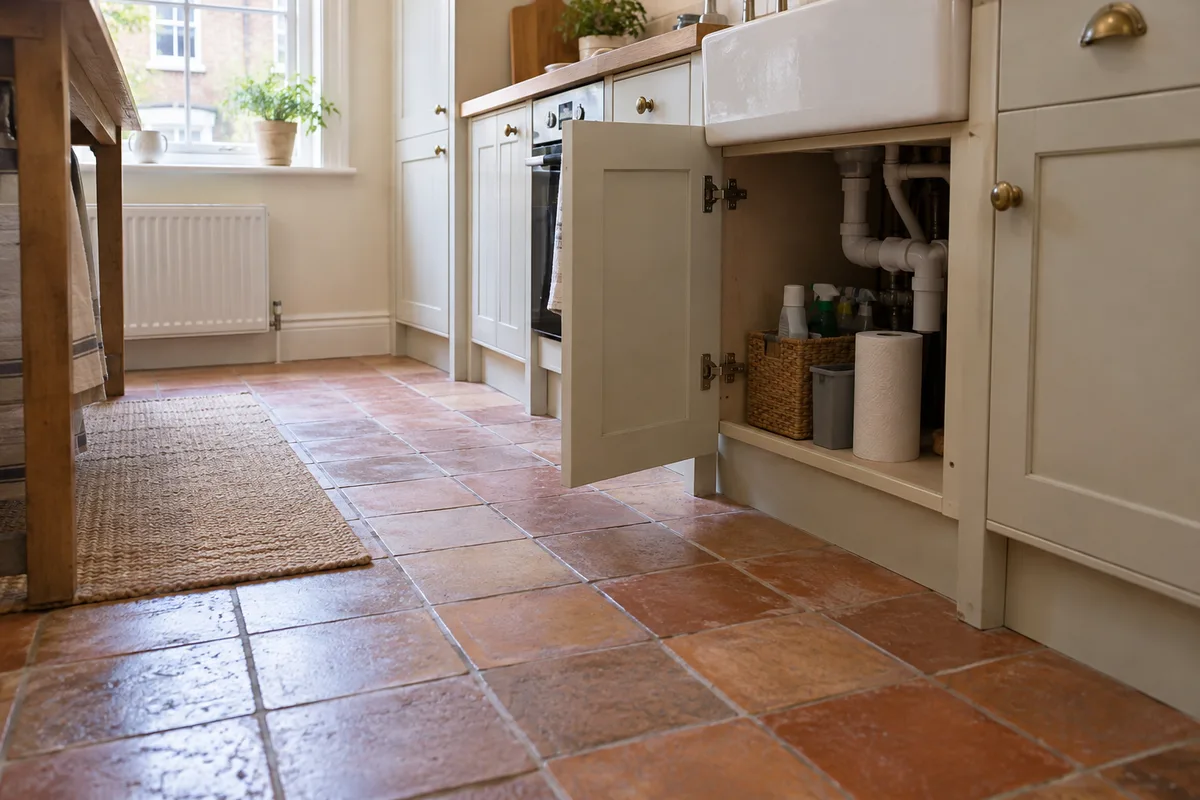
Adjacent storage is not automatically included
Ask who controls the room on the other side of a wall or the adjoining rear passage. Your inspection permission may not extend into it. Give the provider any reports from that occupier as context and let the responsible contact arrange access. A suspected connection should be recorded as such until it can be examined. Do not ask staff or tenants to remove a shared panel without knowing what services or structure it conceals.
In a managed property, a simple sketch of stores and door access can prevent confusion. It need not be a professional floor plan. Mark the locations of observations, the spaces under your control and any locked areas. The report can then distinguish the inspected store from unresolved adjoining access. That distinction matters when commissioning repairs and when interpreting a later finding in a different room.
Name a store when several people use it
A practical label such as rear dry store or household cupboard under the stairs can keep reports consistent. Use the same description in photographs, the access list and any repair request. Do not rename rooms between messages or combine evidence from several stores under one broad heading. The provider should be able to follow where each observation came from.
If materials are moved with advice, record the date and destination. A later finding in another store may otherwise appear unrelated or suggest a wider problem without the movement history being known. Keep unaffected stock separate and ask how to handle any potentially affected containers. Where another occupier controls an adjacent room, arrange their own contact and permission. A simple consistent location system makes inspection and follow-up easier without pretending that accessible rooms reveal the condition of every connected void.
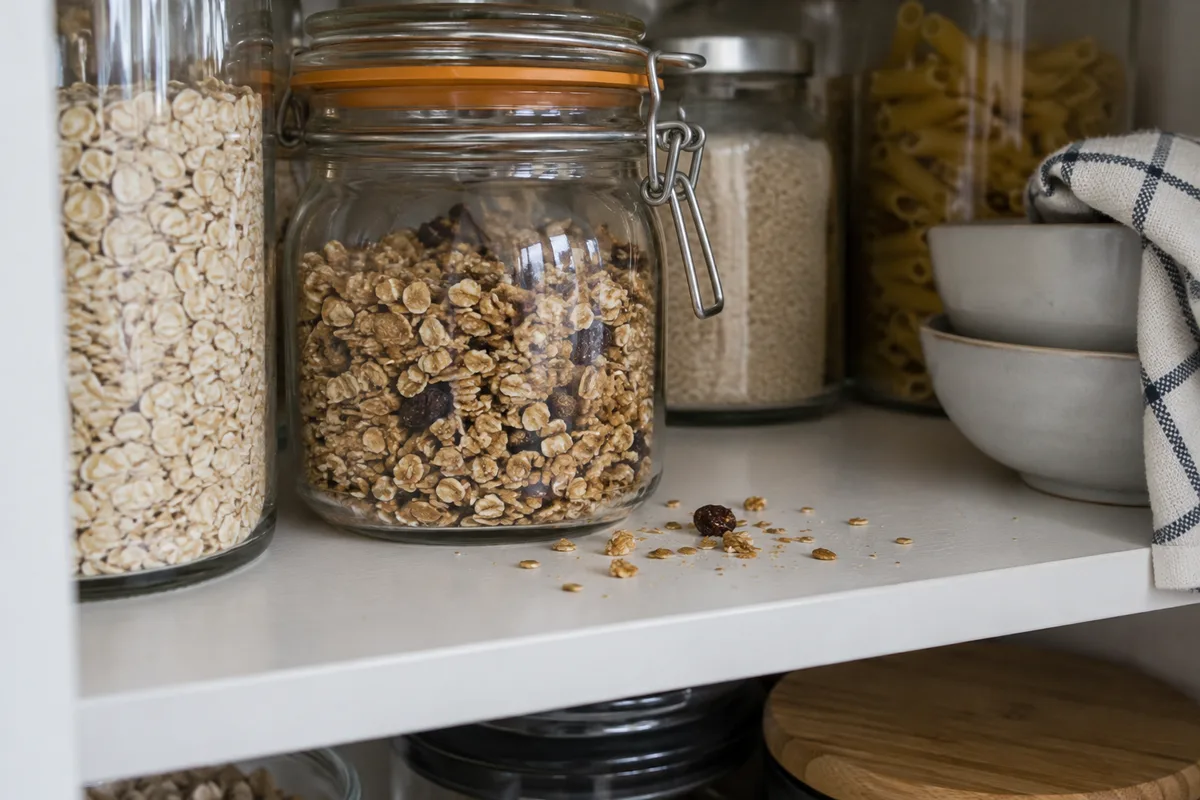
A residential store and business stockroom need different instructions
A household may need advice about personal belongings, food or pet supplies. A business may need to manage stock movement and staff access while work takes place. Explain those practical limits rather than assume one preparation note fits both. Our service overview for homes and workplaces can help structure the booking. Ask what is included in the inspection, treatment recommendation and written findings.
Compare any planned review arrangements and establish who receives the instructions directly. If another person unlocks the store but cannot approve extra work, identify the decision-maker in advance. The technician should not have to guess whether a room can be cleared or treated. Discuss any urgent availability after giving the actual evidence and access details, rather than expecting the storage location alone to determine the method.
Prevent recurrence without losing the record
If an opening is identified, ask where it leads, what could be inspected and what remains uncertain. The entry-route and repair guide explains why a suitable repair needs more than filling a visible surface. Keep ventilation and maintenance access usable, and arrange the owner’s permission for communal fabric. Record the date and location of any completed work so a further inspection can compare it with fresh findings.
Once the store is back in use, keep accessible shelf and floor edges observable. Rotate supplies sensibly, close containers properly and deal with spillages. These routines support the programme while unresolved building defects still need attention. Contact Pest Xterminators with your Hoxton postcode, store location and relevant manager or key-holder details. A useful visit should leave you with an identified concern, clear handling instructions and a defined next step for any adjoining space that could not be checked.
Questions about pest control in Hoxton
Can the adjoining business store be inspected too?
Arrange the responsible occupier’s consent and access, then agree whether it is included in the appointment.
Should I move stock into the front room?
Ask for handling advice if it may be affected; avoid mixing suspect materials with unaffected stock.
Do archives require the same preparation as food storage?
No single instruction suits every material. Describe the contents and ask what the selected method requires.
What if only the cleaner has the store key?
Arrange that key holder beforehand and identify who separately approves treatment or extra work.
Can an unseen connection be described as clear?
The report should record what was accessible and what remains uninspected.