
Pest Control Kennington
Basement storage can hide the position and age of a finding. Preserve a useful record and discuss access before pulling apart stacks or opening concealed spaces.
Record the shelf or storage position
Describe lighting and access constraints
Keep findings separate from old stored damage
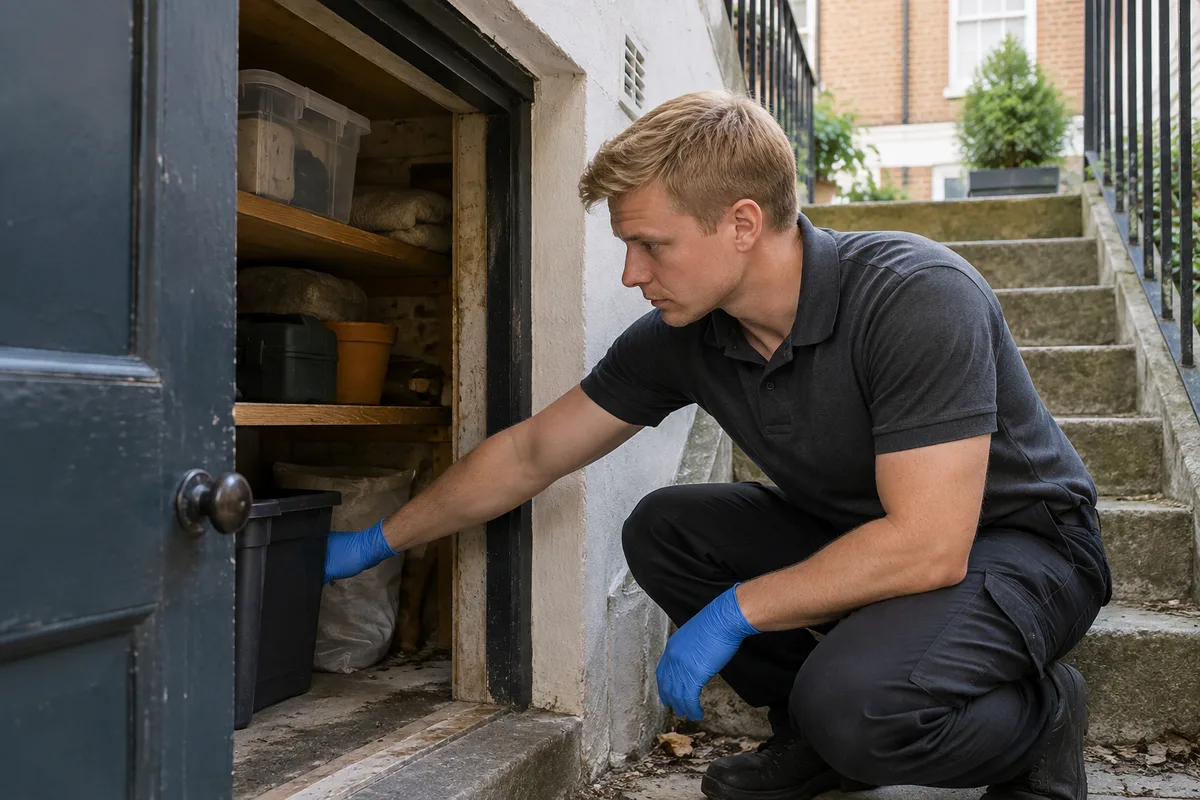
Old storage damage is not automatically current activity
A damaged cardboard box discovered during a clear-out may have been sitting there for months. Note when you found it and when the contents were last checked, if you know. Keep those two dates separate. Describe any direct sightings or fresh observations elsewhere in the basement without assuming they explain every old mark. A photograph should show the box’s position and surrounding storage, as well as the detail that prompted concern.
Do not handle suspect material to identify it or test its age. Keep people and pets away from the affected area and request appropriate cleaning guidance. If food or household items were stored there, mention what may have been involved. Explain whether the basement is normally used, occasionally visited or currently being emptied. That helps the provider understand which observations are current and which were only exposed by moving things.
Access needs a safety plan, not a bigger torch
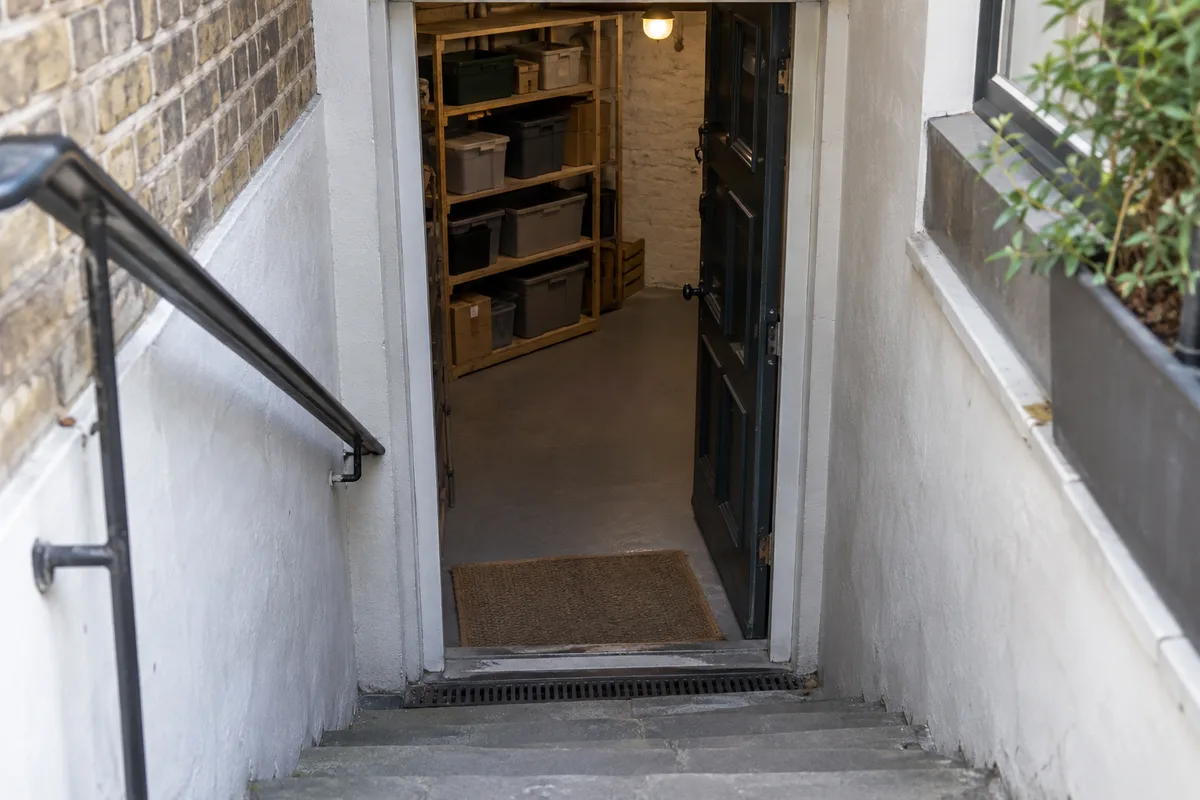
Tell the provider about steps, low headroom, restricted passages and available lighting. If the floor, ceiling or electrical installation appears unsafe, explain that before attendance and arrange the appropriate property professional. Do not enter an unsafe space to obtain more evidence. An ordinary pest appointment should not be promised access to every void just because it is below the occupied rooms. The provider needs to agree what can actually be examined safely.
Lambeth Council publishes a Kennington conservation-area profile. Where repairs could affect protected building fabric, the responsible owner should establish suitable permissions and methods. The conservation boundary does not identify a pest risk. Describe the actual premises and whether the basement is private, shared or managed separately from your rooms. Ownership and access are practical booking questions, not details that the provider can infer from the street name.

Prepare useful storage edges without an uncontrolled clear-out
Ask which locations need accessible space and what should remain undisturbed for assessment. Moving everything into the living room or a shared corridor can erase the original context and obstruct other areas. Explain heavy furniture or stacked items that cannot safely be moved. Agree an appropriate way to prepare rather than using the appointment as a reason to empty the basement indiscriminately.
Our mouse inspection information can help you describe suspected rodent signs in storage. If findings suggest rats, the rat route-assessment guide addresses different questions about accessible entry points and further investigation. Do not assume that a below-ground location means a drainage defect. Ask what evidence supports each proposed check and whether any specialist access will be needed.
Keep treatment history with the storage record
Old bait packaging, a trap or a previous invoice may be useful context, but it does not establish the current pest. Record where devices were found and what you know about when they were placed. Leave unknown products alone and tell the provider about them. If another person previously managed the space, ask for records rather than relying on their recollection that everything was treated.
Request preparation and precautions for the proposed programme, including any effect on stored belongings and future access. Mention pets, children and people who may enter the basement during the programme. Ask what should remain in place for monitoring and how findings should be reported. A clear written instruction helps avoid a cleaner or relative moving something that the attending provider intended to review.
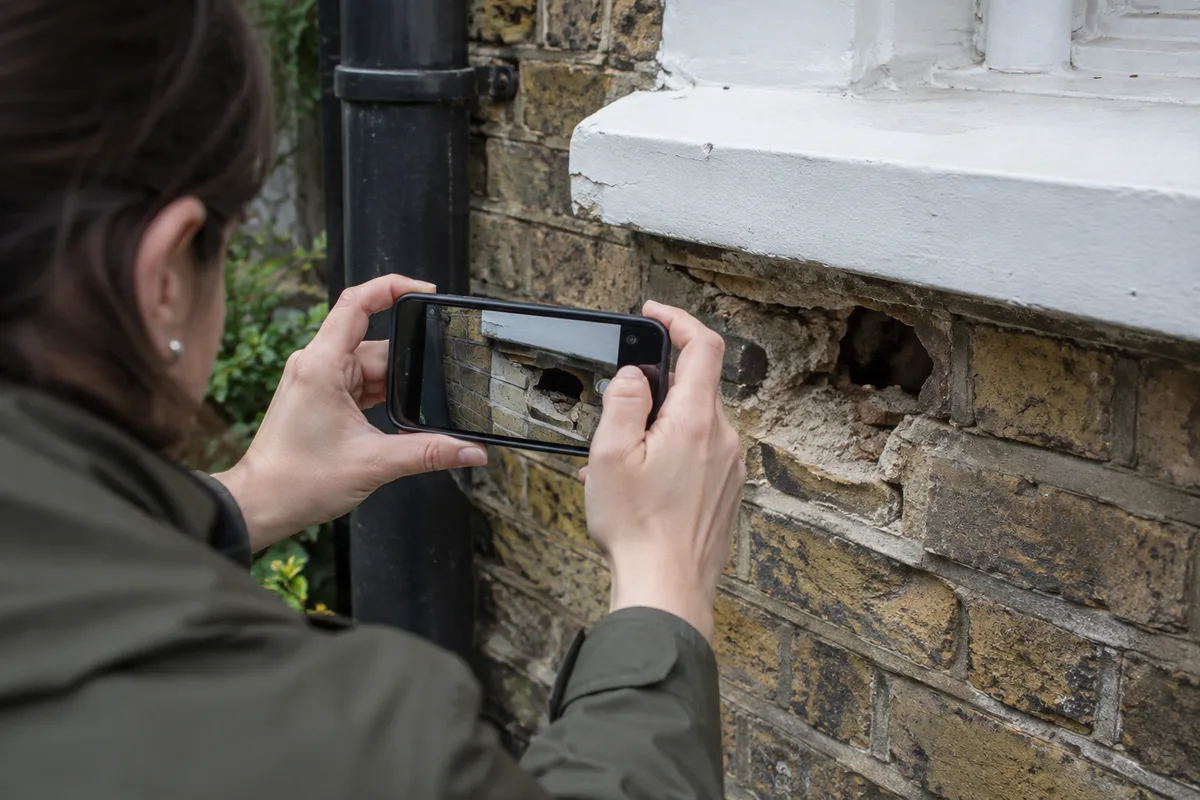
Repair recommendations should name a feature
An opening around a service, a damaged external threshold and a ventilation feature need different treatment. Ask the report to identify the observed defect, its position and its relevance to the findings. Do not fill every visible hole or block airflow because the room is used only for storage. Building services must remain safe and accessible. A recommendation requiring another trade should say what question or repair needs their attention.
The property proofing guide explains why maintenance should be specific and proportionate. Where the basement is shared, agree which owner or manager will arrange the work. Keep a date and description once it is complete. If further areas remain inaccessible, leave that limitation in the record instead of describing the basement as fully checked because one visible opening was repaired.
An urgent enquiry should explain what has changed
For pest control in Kennington, give the postcode and say what prompted contact now: a live sighting, newly discovered storage damage or evidence in an occupied room above. Explain the available access and confirm the next appointment with the provider. Ask what the initial visit includes, what preparation is needed and whether any safety issue must be resolved before attendance.
After assessment, keep a short dated record of fresh observations. Distinguish them from old boxes or marks left awaiting cleaning. Maintain agreed access and tell the provider about a subsequent clear-out, repair or change of storage layout before follow-up. The next inspection can then consider what changed, instead of trying to reconstruct where a finding used to sit among items that have already been dispersed.
Questions about pest control in Kennington
Does a basement finding prove a drain problem?
No. Its position alone does not establish the route. Ask what evidence supports any proposed drainage investigation.
Should I empty the basement before attendance?
Discuss preparation first. Clear only agreed locations safely and avoid transferring unexamined contents into occupied rooms or shared routes.
What if the basement has unsafe access?
Describe the concern at booking and involve the appropriate property professional. Do not enter an unsafe space to gather evidence.
Can old storage damage be counted as fresh activity?
Record when it was discovered and any known earlier checks. Its age may be uncertain and should be described honestly.
What should happen to old treatment products found in storage?
Leave unknown products alone and tell the provider their position and any available history. Ask for appropriate advice.