
Pest Control Shoreditch
A kitchen visit is easier to use when the manager has evidence ready and staff know the preparation instructions. The service scope should fit the premises and the actual finding.
Locate findings before the shift changes
Agree stock and equipment preparation
Keep staff instructions with the visit record
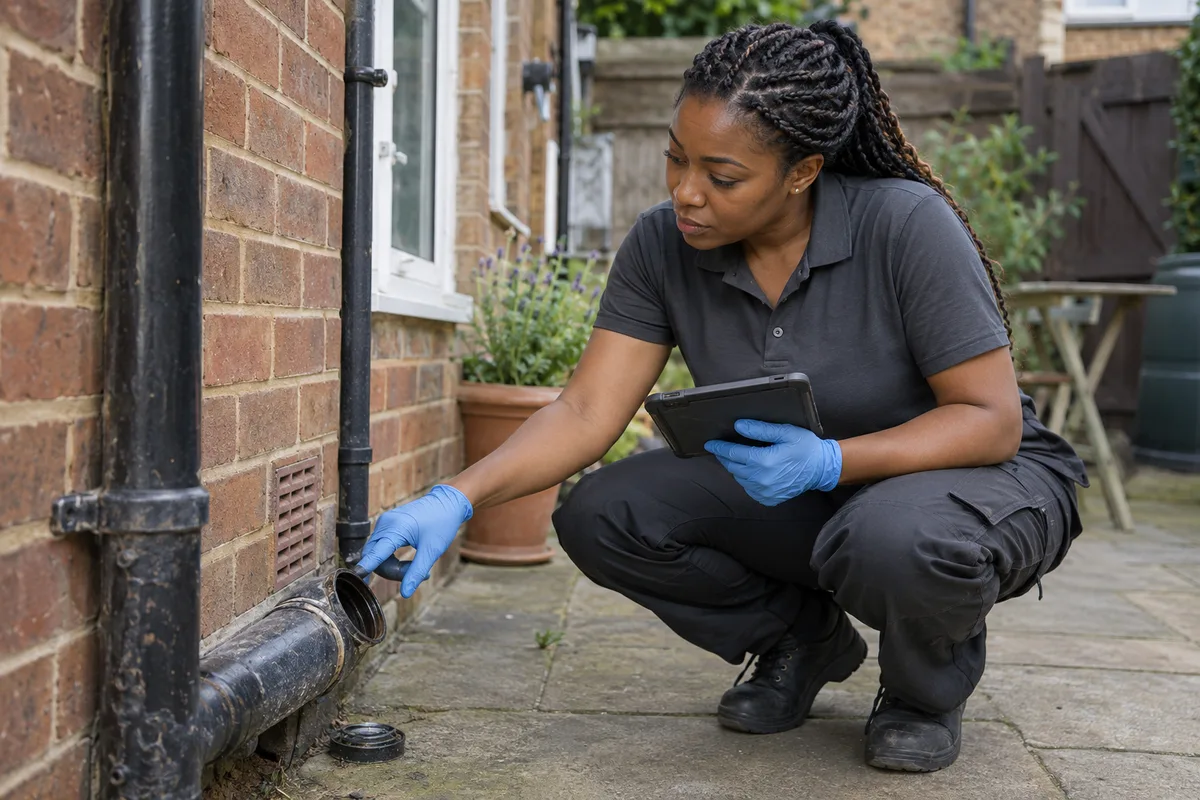
Document the kitchen finding before it is lost
An insect seen late in service or damage found during a morning delivery should be recorded with a date and location. Photograph the sign where safe, including enough context to show the station or storage area. Do not simply write kitchen problem in a handover book. Explain whether this is the first observation or part of a repeated pattern. Preserve relevant evidence without leaving potentially affected food or materials in normal use.
Hackney identifies a South Shoreditch conservation area with historic commercial fabric. For a particular business, check ownership and any relevant building restrictions if a repair is proposed. This local context does not tell the provider which pest is present. The inspection needs the actual premises layout, accessible stores and connections to other units, rather than an assumption that every Shoreditch business has the same kitchen arrangement.
Prepare for identification, not a generic spray
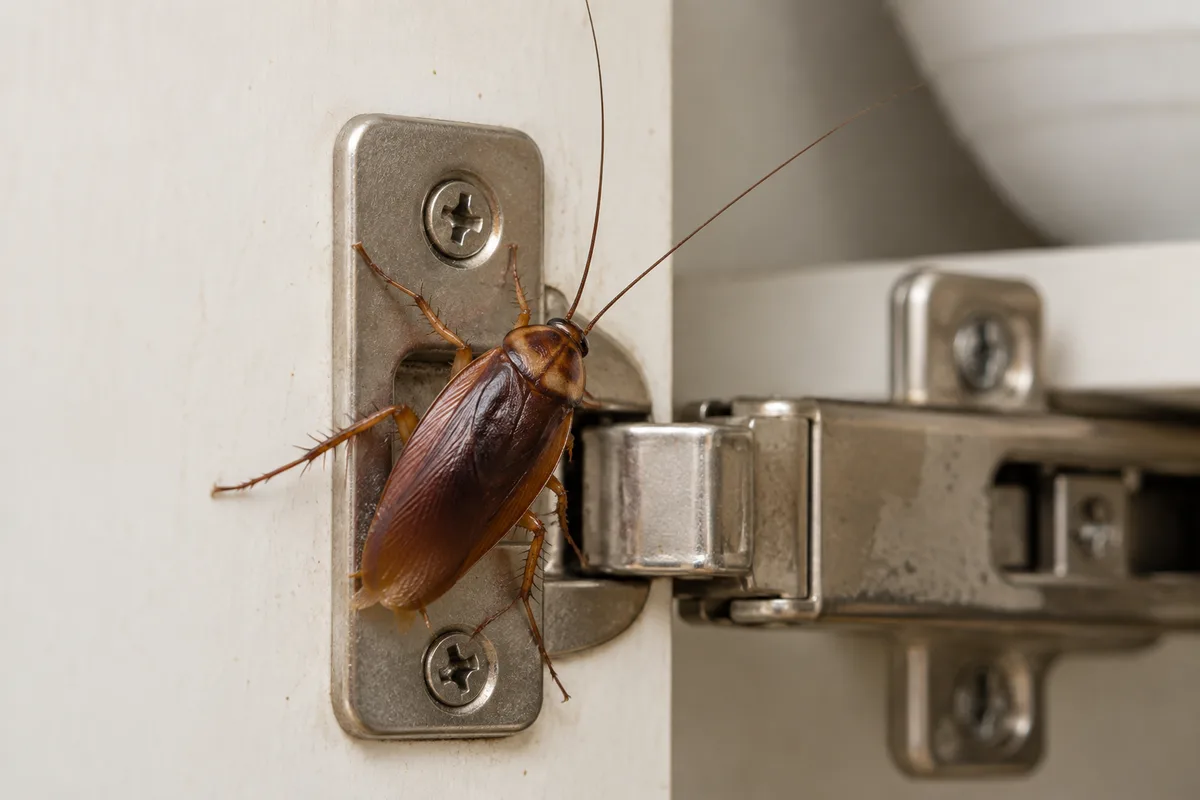
Describe the finding before requesting a method. Our cockroach inspection and treatment guide is useful when insects around equipment are suspected. Rodent evidence in packaging or accessible cupboards calls for a separate discussion covered by the mouse control information. Tell the provider about any household or commercial product already applied, including its location and date.
Avoid directing staff to spray every corner during a quiet period. That can hide the original evidence and interfere with the planned programme. Ask how a specimen or photo should be supplied and which locations need access. If identification is uncertain, the recommendation should explain what assessment will establish it. A confident label entered into a kitchen log is not a substitute for that assessment.
Work out what can be moved safely
Shelving, loose containers and connected equipment have different preparation requirements. Ask which areas need clearance and arrange somebody authorised to handle stock. Do not disconnect refrigeration, gas or electrical equipment unless a suitably qualified person has been arranged. Tell the provider about units that cannot be moved during the appointment. The report should identify that access limitation rather than describe hidden areas as clear.
Agree how food, utensils and food-contact surfaces will be protected for the proposed method. Staff need those instructions beforehand, with a named manager available to answer questions. If an external maintenance contact is required, coordinate access rather than hoping they will be free when the technician arrives. Preparation should support a defined inspection or treatment, not become a hurried kitchen reorganisation.
Ask the manager to keep a copy of preparation instructions where later shifts can find it. Staff should know who answers an uncertainty rather than substitute their own cleaning or stock-handling decisions for the agreed plan.
Prepare a handover for the evening team
Write down which locations received attention and which instructions apply after the daytime manager leaves. Use the provider’s exact practical guidance for room use, cleaning and equipment, with a contact for uncertainty. Avoid replacing it with a general message that pest control has been in, which tells the next shift very little.
Record any preparation that could not be completed, such as inaccessible stock or a unit that maintenance could not move. That limitation should be visible in the visit findings and the business log. If a return appointment is needed, arrange the missing access rather than repeating the same restricted conditions. Keep staff observations dated and located in the meantime. A clear shift handover helps the programme continue as agreed while allowing the manager to identify genuinely fresh evidence rather than interpret every kitchen comment as a new or resolved infestation.
Compare a programme the business can carry out
Our commercial service information can help organise questions about coverage and reporting. Ask which rooms and stores are included, whether treatment follows identification during the visit and what review is proposed. Check any additional-charge arrangements if important areas remain inaccessible. A quote for one room should not be read as a programme for the entire building or neighbouring units.
Discuss operational restrictions with the provider. Do not assume that normal service can continue unchanged, or that a closure is automatically required, based on a broad website description. Follow the instructions for the actual finding and method. Ask who receives the report, preparation notes and aftercare information so that shifts operating after the manager leaves do not miss an important restriction.
Make staff reporting usable after treatment
Set a simple format for new observations: date, location, type of sign and photograph where safe. Keep old damage identifiable so it is not counted repeatedly as fresh activity. Ask which cleaning can be done and which treatment positions must remain undisturbed. If a product or device is part of the programme, staff should understand the provider’s precautions rather than move it because it is inconvenient.
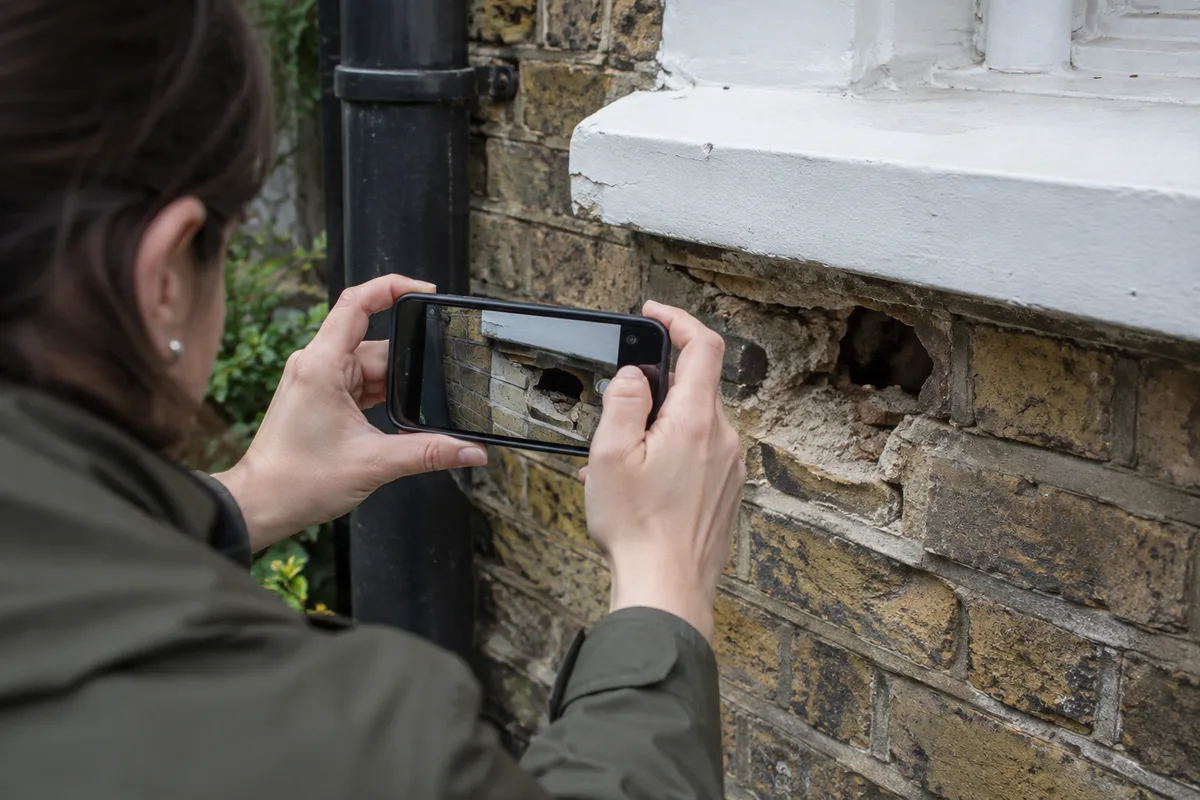
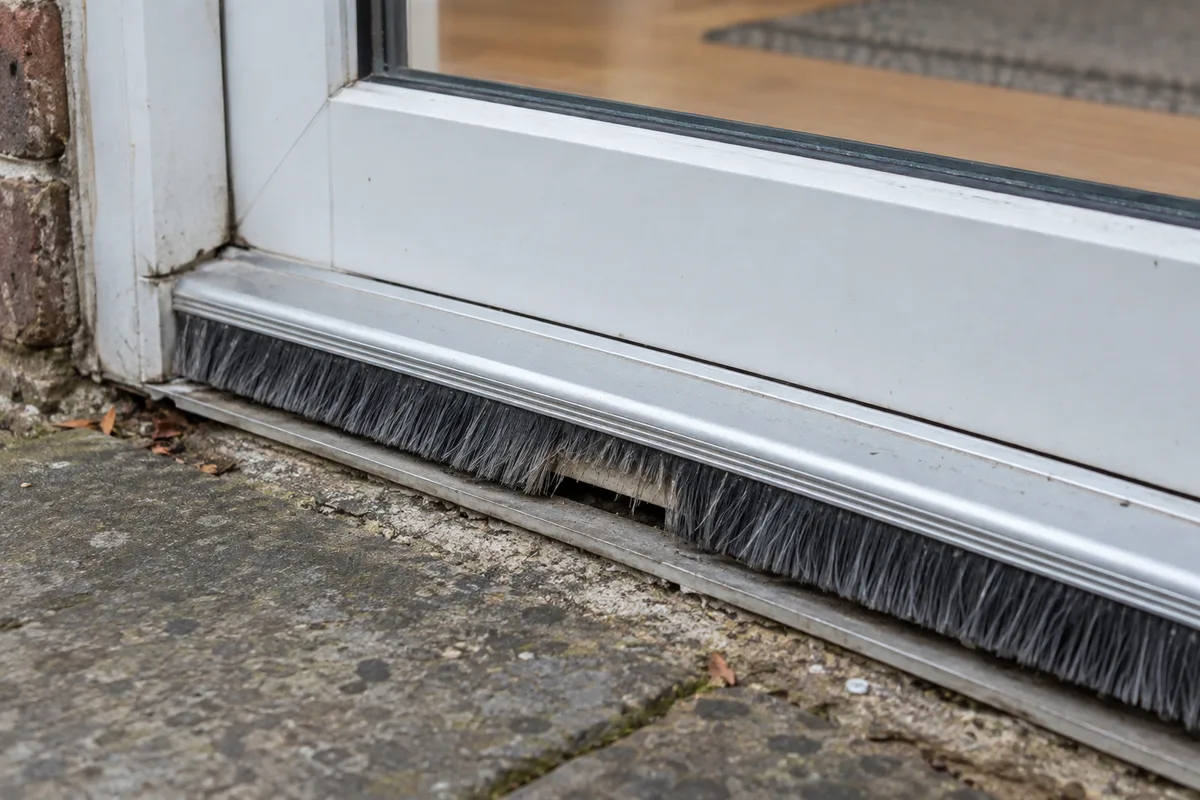
An identified building opening needs a separate repair handover. The proofing guidance explains why doors, vents and service gaps require appropriate assessment. Keep repair dates alongside the pest visit record and report continuing fresh evidence through the agreed contact. Call with the Shoreditch postcode, business type and kitchen findings when requesting an appointment. A useful programme gives the manager clear actions before, during and after the visit, with evidence that can support the next review.
Questions about pest control in Shoreditch
Should staff spray the kitchen before inspection?
Ask for advice and disclose any products already used; preparation should match the agreed assessment and method.
Does the visit include moving connected equipment?
Do not assume it does. Safe specialist movement may need a separate arrangement.
Who needs the aftercare instructions?
Everyone managing or using the relevant area, including staff on later shifts, needs the applicable instructions.
Can the business keep operating during treatment?
Discuss this for the particular method and finding rather than relying on a general service description.
What should go in the post-visit log?
Fresh evidence with dates and exact locations, plus completed repair records and relevant access limitations.