
Pest Control London Bridge
A managed building can hold the information needed for an inspection in several places. Bring the current finding, service records and access arrangements together before the appointment.
Identify who holds relevant building records
Confirm access to the specific service space
Keep assessment limits visible in the report
Choose five records that change the inspection question ↓
Choose five records that change the inspection question
Select a small useful file: the current finding with its date and position; a dated plan showing the relevant layout; the previous assessment’s actual scope; a repair record naming its exact feature; and an item still inaccessible. Identify the purpose of each document in a cover note. A large unrelated maintenance invoice should not displace the specific photograph or access limit that the provider needs to understand.
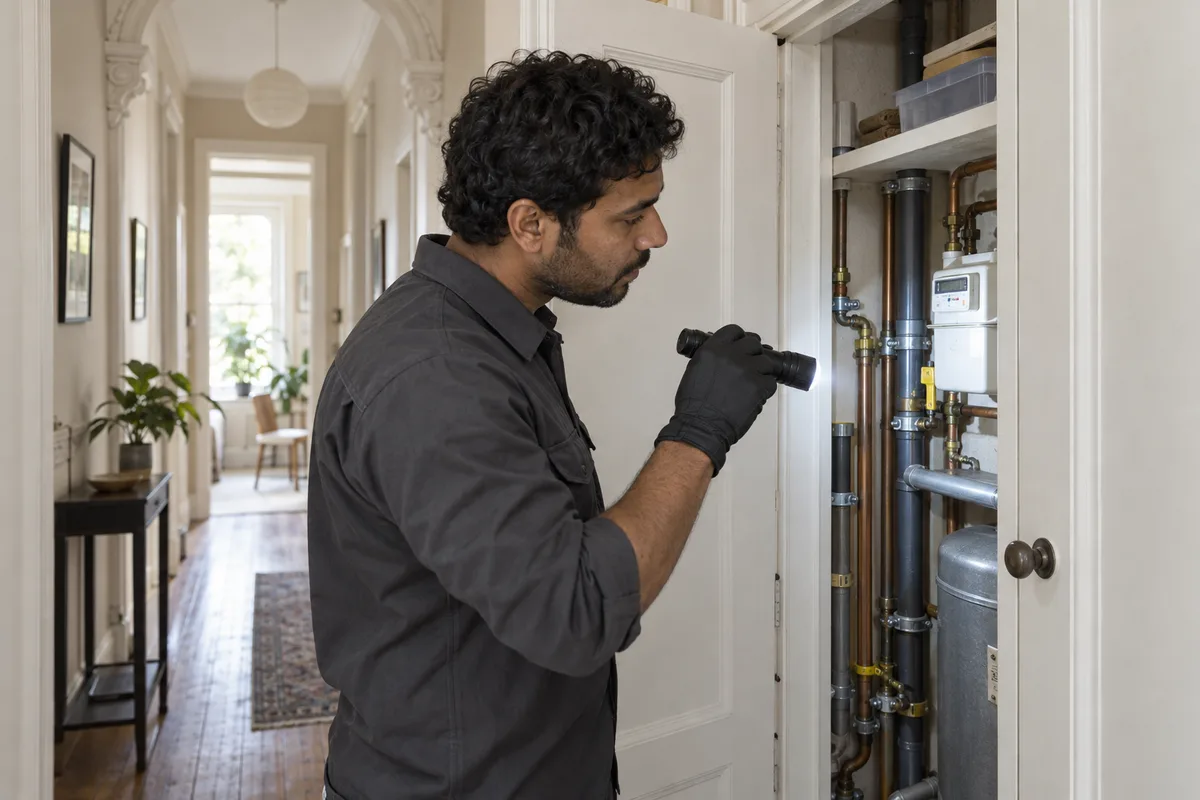
Consider an illustrative contrast. A general roof-maintenance receipt establishes that work took place but may tell the provider nothing about a finding in a kitchen cupboard. A dated photograph locating a pipe penetration behind that cupboard can change the access question, especially if a later appliance replacement altered the surrounding space. It still does not prove the pest’s route. Keep the current observation beside the relevant document without drawing a causal arrow between them. Mark an old plan as unconfirmed if it may not reflect the present layout. Omit unrelated occupants’ personal records and do not place private entry codes in a public message. A concise file should make it easier to say what can be assessed now, what needs checking and what requires another contact, instead of asking the provider to extract the question from every document the building has retained.
Use a scope limit as a record, not a footnote
A previous report might state that the unit kitchen was inspected but the locked common service cupboard was not. Keep both parts visible when arranging the next assessment. The examined room is a recorded scope; the locked cupboard is a recorded limitation. Do not summarise them as the whole route being checked. Ask whether the current evidence makes access to the cupboard relevant and what question it would answer.
For applicable Southwark-managed buildings near London Bridge, the council’s communal worker-access guidance sets out a key-request process and restricted-area arrangements. Check approval for the actual building and professional task; it is not permission for a resident or any private provider to enter every service room. Put the manager’s access confirmation beside the scope record. If it remains pending, retain that status in the appointment brief. This is more useful than a reception entry pass that confirms only lobby access, or an old key list nobody has checked against the current door. The assessment should proceed on the task actually arranged, with remaining limits visible for the next decision.
Keep indoor and shared-area findings distinct
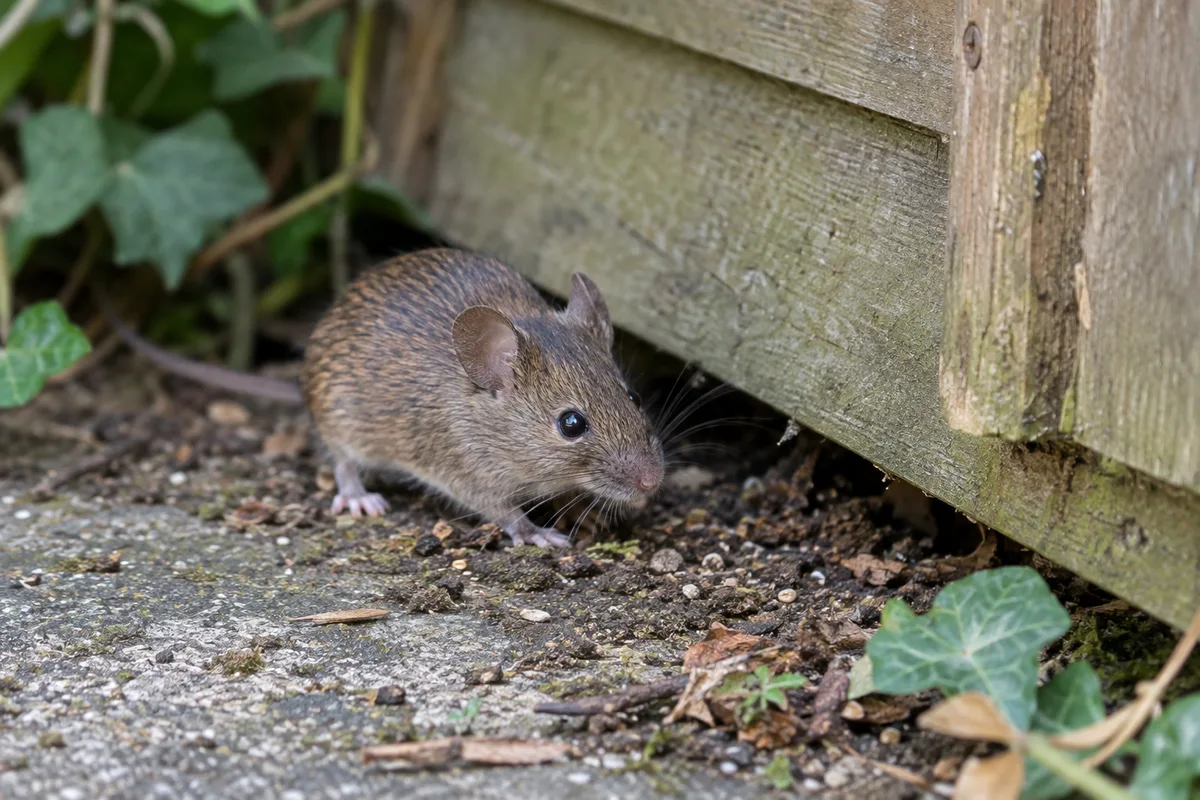
A report from a waste store needs its own location and management contact. A finding inside an occupied kitchen should identify the room and affected feature. Do not assume that the first explains the second simply because both appear in the manager’s file. Ask the provider which evidence supports a connection and which additional checks would answer the question.
The rat route-assessment information helps frame questions about outdoor observations and further investigation. For smaller rodent concerns inside, the mouse inspection guide explains useful room-level evidence. Describe direct sightings separately from sounds or damaged packaging. A photographed opening around a service is information for assessment, not proof of identification or a complete entry route.
Make access safe and appropriately authorised
Do not remove fixed service panels or reach into an electrical or plumbing space to improve the report. Explain which designed access points are available and whether a maintenance professional needs to assist. If an area cannot be inspected, ask the provider to record that limit and explain its effect on the next decision. An inaccessible cupboard should not disappear from the report because the rest of the appointment proceeded normally.
Agree what the first visit includes and who can approve additional work. A receptionist may admit a visitor while having no authority to accept a repair proposal. Arrange a reachable decision-maker where necessary. Preparation should follow the actual scope and method; do not clear stock, furnishings or personal belongings according to a general checklist unrelated to the proposed assessment.
Keep recommendations attached to the feature
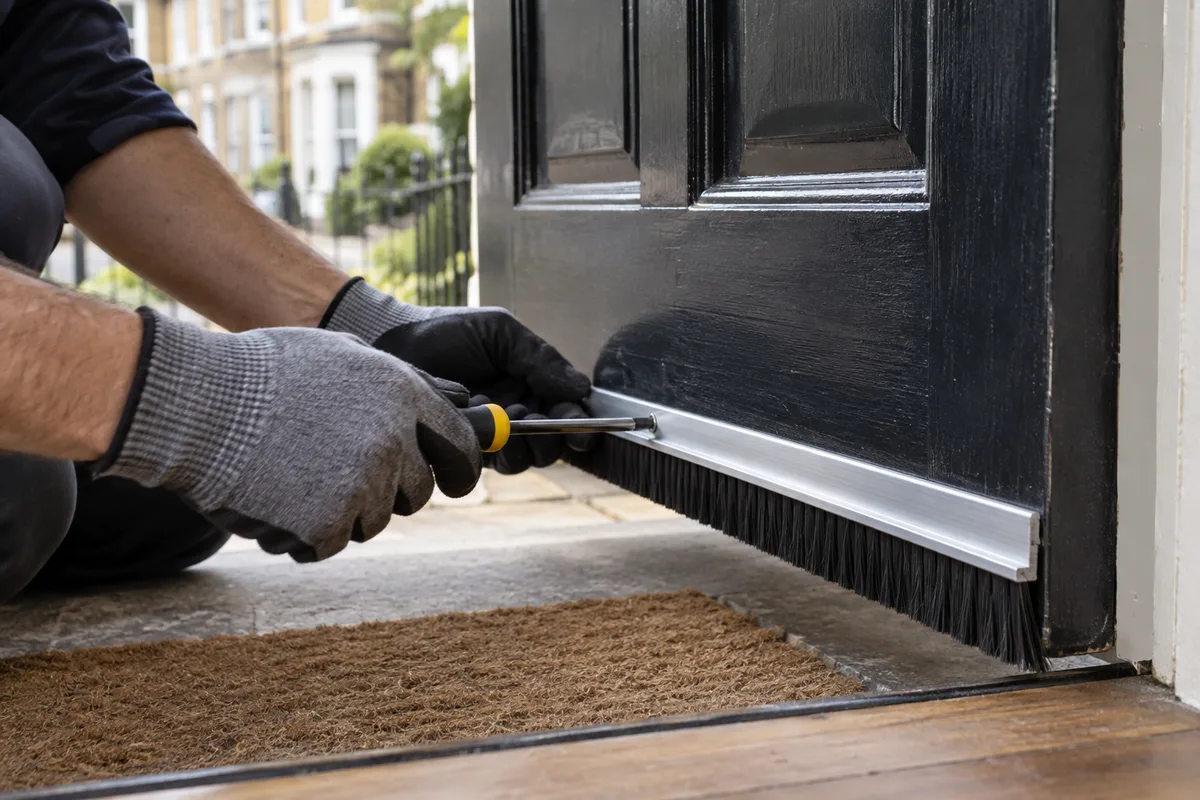
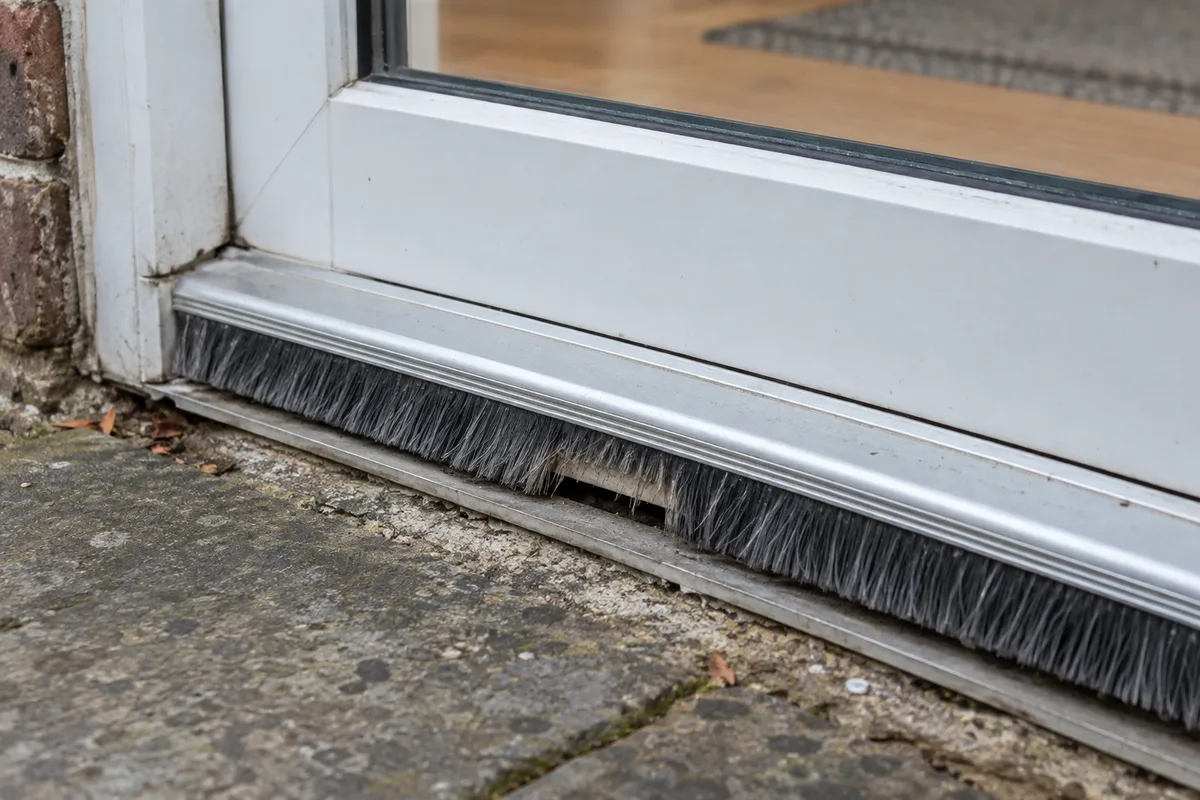
A repair record needs the position, observed issue and purpose of the work. Ask whether the recommendation addresses evidence from the inspection or a broader maintenance concern. Door thresholds, service penetrations and ventilation features call for different solutions. Required ventilation and safe service access must remain functional. Where a repair needs another trade, give that contractor a precise question rather than a request to cover every visible opening.
Our proofing and prevention guidance helps connect inspection findings with proportionate maintenance. Keep completed dates and available photographs with the assessment. If a contractor later reopens a panel or changes a connection, tell the provider before review. The service record should show what changed, allowing follow-up to consider the premises as they now stand.
Arrange the review around current information
For urgent pest control near London Bridge, give the postcode, present finding and the access that can actually be arranged. Ask for confirmed availability and the appointment scope. If manager approval or keys remain pending, explain that limitation rather than promise they will appear on the day. A visit built around unconfirmed access may not answer the original question.
After assessment, record fresh observations with dates and positions and distinguish them from older signs. Keep treatment instructions available to relevant occupiers and staff. Ask what to report before the next appointment and which outstanding records or access arrangements will be needed. A useful review is supported by current evidence, completed actions and honest limits, not by the size of a maintenance folder nobody has linked to the finding.
Questions about pest control in London Bridge
Which building records should I send first?
Start with the current finding, relevant earlier reports, related repairs and access information. Keep dates visible and omit unrelated personal details.
Does a lobby access pass cover service rooms?
No. Specific rooms may require separate permission, keys or accompaniment. Arrange these with the manager.
Can a maintenance plan prove the pest’s route?
A plan can explain layout, but the proposed route still needs supporting evidence and assessment.
Who can approve work beyond the initial visit?
Agree the authorised decision-maker at booking. A person admitting the provider may not hold that authority.
What if a service panel remains inaccessible?
Ask for the limitation to be recorded and discuss whether appropriate additional access is needed for the next decision.