
Pest Control Clerkenwell
Before accepting an inspection proposal for a multi-occupier building, check what it promises to examine and report. The address alone does not define the scope.
Match the proposal to named rooms and findings
Clarify access limits and written deliverables
Decide who may approve additional work
Plan the enquiry
Check whether the proposal answers your enquiry
Separate inspection findings from treatment commitments
Read the access assumptions as part of the scope
Specify the report you need to make the next decision
Decide how additional work will be approved
Check whether the proposal answers your enquiry
Read the description of the problem before the price. Does it mention the evidence you supplied, its location and the question you need answered? A proposal headed with the whole building address may still concern only one occupied room. Ask for the included spaces to be named. If several occupiers supplied different reports, make sure the proposal distinguishes them rather than treating every observation as one confirmed infestation.
A Clerkenwell enquiry can involve spaces with separate contacts and permissions. The provider should identify the person commissioning the assessment and the locations that person can authorise. Keep a copy of the original room evidence beside the proposal. You can then check whether the promised assessment matches the request instead of relying on a reassuring but undefined description of a comprehensive service.

Separate inspection findings from treatment commitments
An inspection may establish whether the evidence supports a particular programme; it should not imply that the pest or extent has already been confirmed. Our mouse assessment guide helps frame questions about sightings, current activity and possible routes. The cockroach inspection information addresses a different evidence question. If both appear in the proposal, establish how each will be assessed.
Ask what happens if identification remains uncertain or the reported signs cannot be located. Is advice, further access or monitoring proposed? Which action would require another decision? The purpose is not to demand a predetermined answer. It is to understand what useful information the inspection will produce, including a record of uncertainty where the available evidence cannot justify treatment.
Read the access assumptions as part of the scope
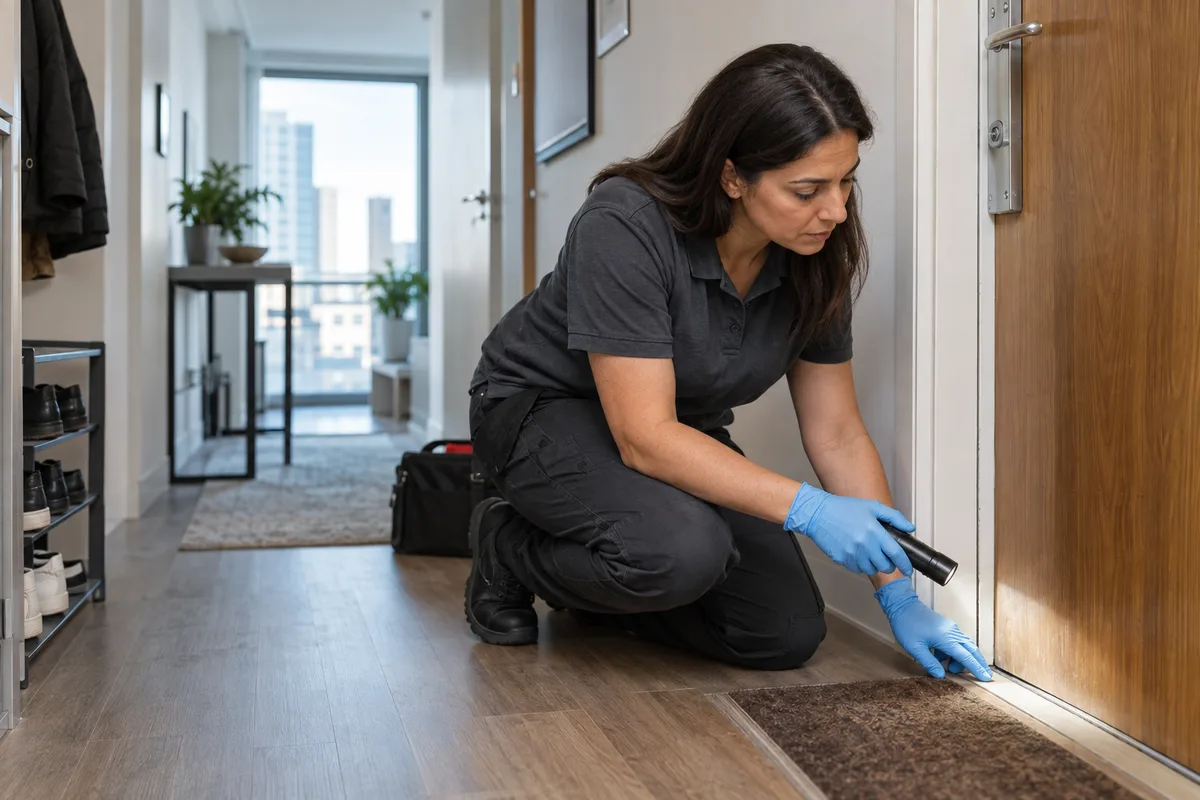
Look for any requirement to open shared cupboards, move appliances or enter another occupier’s room. Confirm which arrangements are already agreed and who must provide the rest. A proposal depending on access that nobody can authorise may not deliver the assessment you expect. Do not assume the person opening the front door can permit every activity inside the building.
Agree how inaccessible locations will be recorded. The report should say where assessment ended and what would be needed to continue. Ask whether the quoted work remains useful within that limit or whether the visit should be arranged differently. This gives the booking contact a concrete access task rather than a general instruction to prepare the premises without knowing what preparation involves.
Specify the report you need to make the next decision
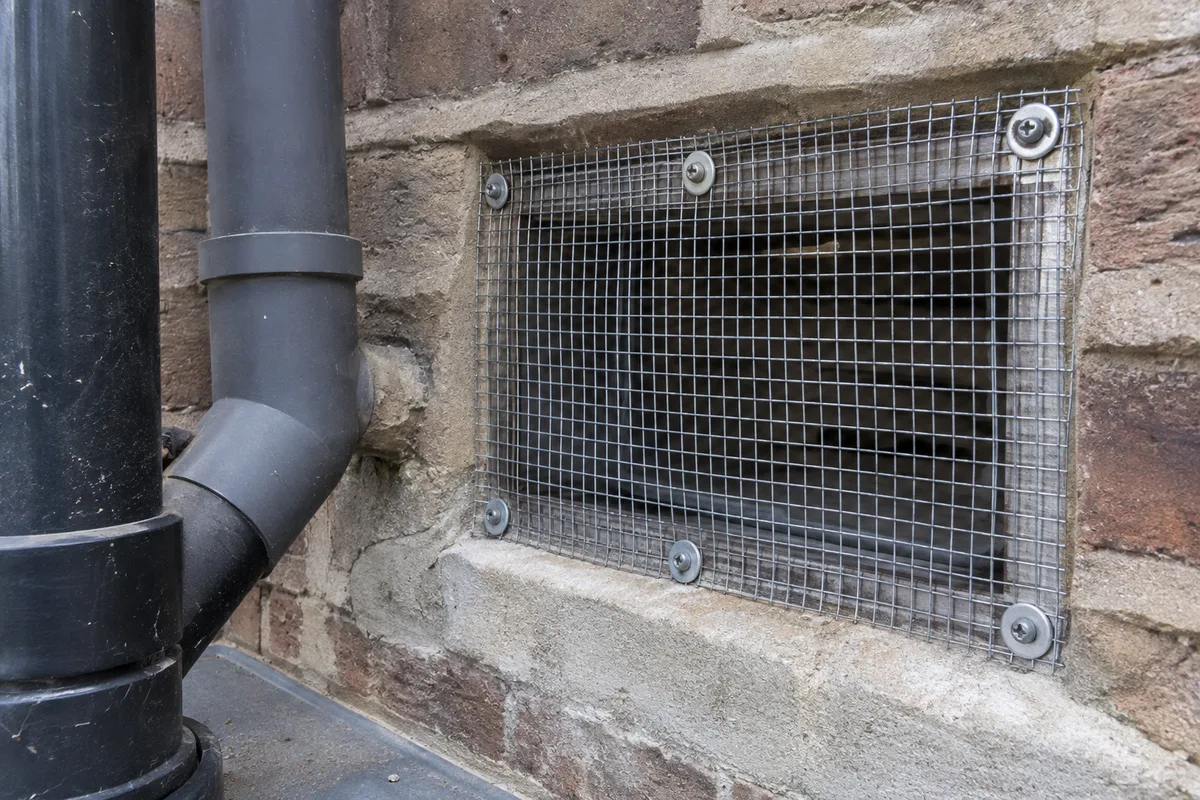
A useful deliverable records findings by location, distinguishes observed evidence from possible routes and explains the recommendation. If a repair is proposed, the record should identify the point needing attention rather than simply advise sealing gaps. The proofing planning guide explains questions a competent maintenance contact may need to consider. Photographs can help where practical, but they should accompany a clear explanation rather than replace it.
Ask how the report will be supplied and who receives it. A property owner may need a repair location, while an occupier needs preparation and precautions. These readers do not necessarily require identical information. Keep the requested report proportionate to the assessment: a limited room visit should not be expected to certify concealed spaces elsewhere in the structure.
Decide how additional work will be approved
A provider may find a reason to recommend another location, programme or visit. Establish who can approve an extra charge and how its scope will be explained before that situation arises. Do not let a contact with keys become the assumed decision-maker merely because they are available at the appointment. Keep the approval route in the booking record.
Clerkenwell Green is identified in Islington’s conservation-area information. If a recommendation includes exterior alteration, the owner should check the actual property and proposed change. Treatment authority is not permission for unrelated building work. The proposal can identify this boundary so a useful pest finding leads to the right approval conversation rather than an improvised alteration.
Share findings without losing their boundaries
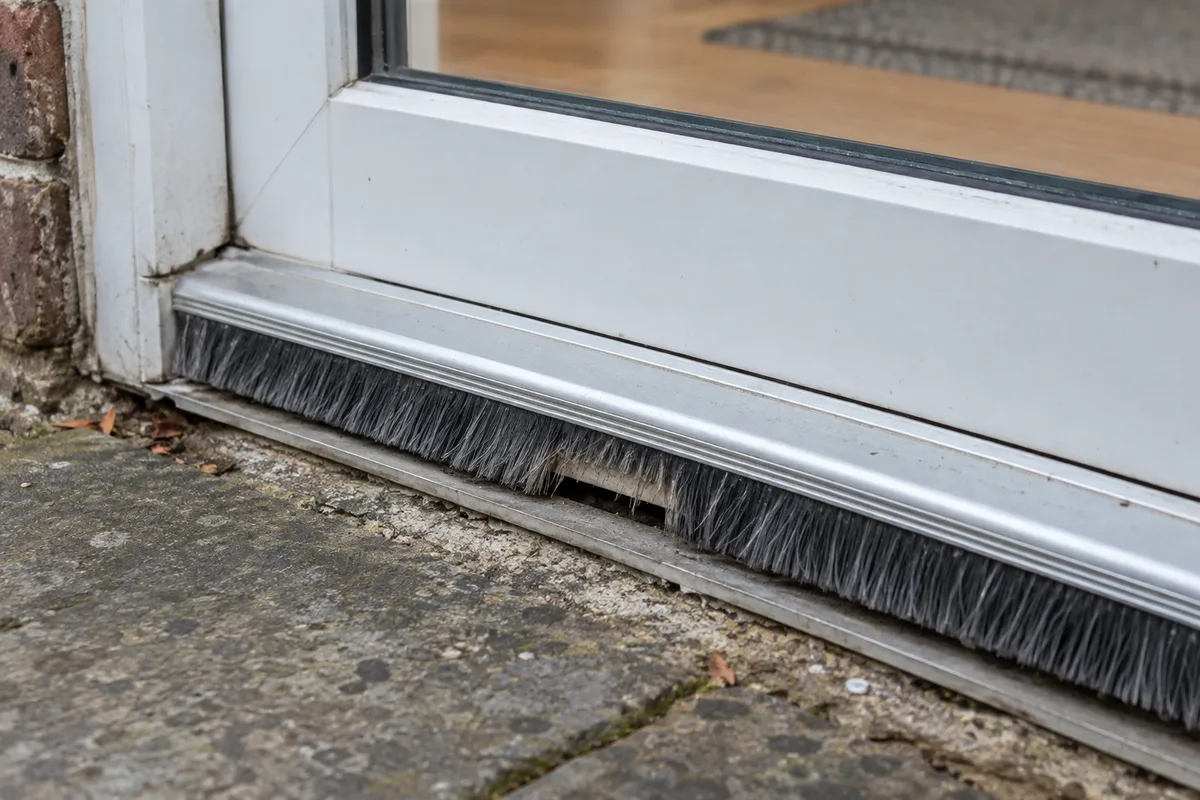
When several occupiers are involved, circulate the relevant locations, access requests and precautions through the agreed contact. Keep private information supplied by an individual out of a general building message unless sharing is appropriate and authorised. Attribute observations accurately so another reader can distinguish the provider’s finding from a resident’s earlier report.
Give maintenance the specific repair question and give occupants the instructions relevant to their spaces. Avoid forwarding only the invoice as proof that every part of the premises has been dealt with. The written scope and report remain important after payment because they explain what was assessed, what was unavailable and which decisions are still needed.
Ask what the next visit would establish
Before accepting follow-up, identify its purpose. It may review an agreed programme, examine a newly accessible point or assess a new observation. Those are different tasks. Confirm whether the proposal includes that visit and which access arrangements it requires. A return should not simply repeat the first appointment’s limitations without addressing why the unresolved question remains.
To discuss a Clerkenwell proposal, bring the postcode, room evidence and draft scope to the booking conversation. Ask for unclear terms to be explained in relation to those locations. A practical agreement leaves you able to describe the promised assessment, report and approval route to another occupier. That is a better basis for proceeding than a broad service label nobody can translate into the rooms being inspected.
Questions about pest control in Clerkenwell
What should the scope name?
The included rooms or shared locations, reported concerns and meaningful inspection boundaries.
Does a proposal confirm the pest already?
Not necessarily. Clarify whether identification is established or remains a purpose of inspection.
Who may approve extras during the visit?
Agree an authorised contact and approval process before the appointment.
What belongs in the report deliverables?
Located findings, limits, recommendations and the next decision the assessment supports.
Should every occupier receive the entire report?
Share relevant findings and instructions through the agreed route while respecting private information.