
Pest Control Whitechapel
Cleaning is part of managing a kitchen, but the wrong cleaning at the wrong stage can remove evidence or disturb a treatment. Agree the boundaries for the actual method before work.
Photograph findings before routine cleaning
Give staff the method-specific instructions
Keep stock and treatment positions separate
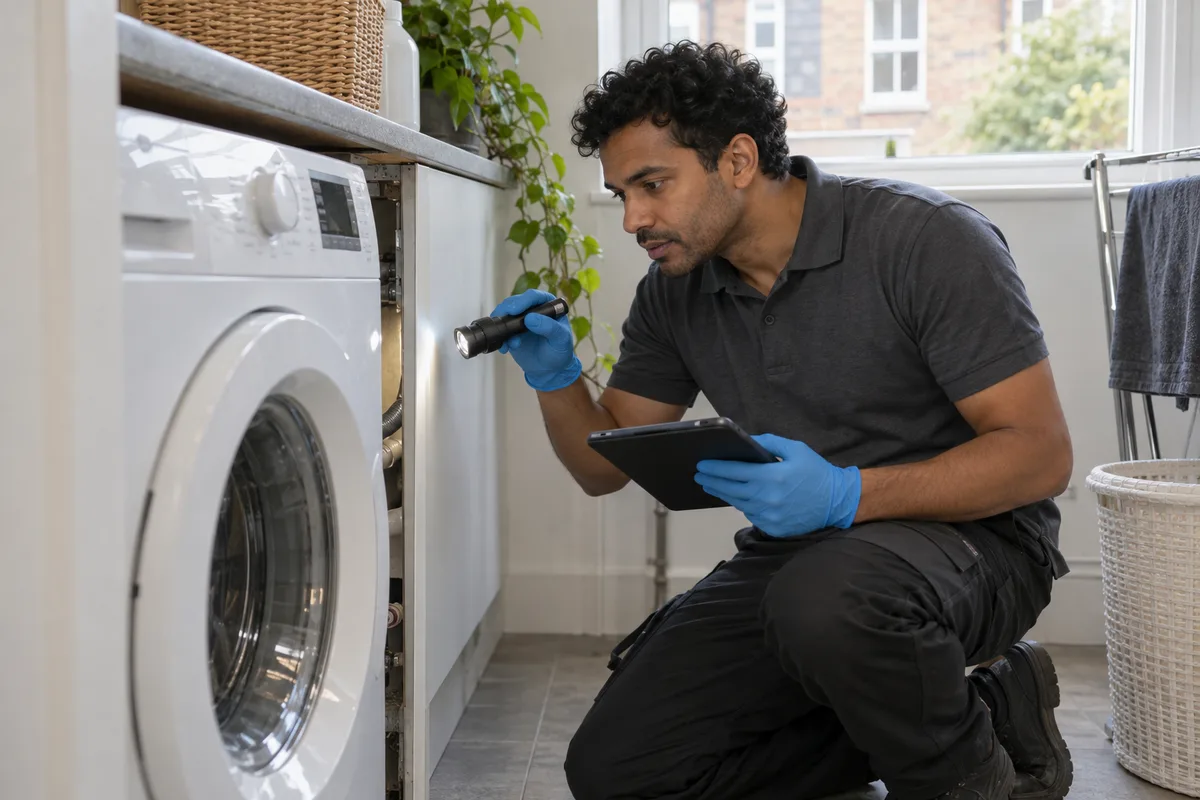
Make the finding visible before the shift cleans up
When a sign is discovered, record the date and precise kitchen location before routine cleaning removes it. Take photographs where safe and include a wider image showing the surface or equipment. Keep potentially affected food out of normal use and ask for appropriate handling advice. A vague log entry saying everything was cleaned leaves the provider unable to locate the original concern or distinguish it from a later observation.
Tower Hamlets publishes Whitechapel Market conservation-area material. If a proposed proofing repair changes relevant building fabric, the individual property needs checking. This planning context is separate from food handling and pest identification. The inspection should be based on the actual kitchen, storage and accessible connections, not a general assumption about businesses around the market or the condition of a whole street.
Describe what was found, not which cleaner should be used
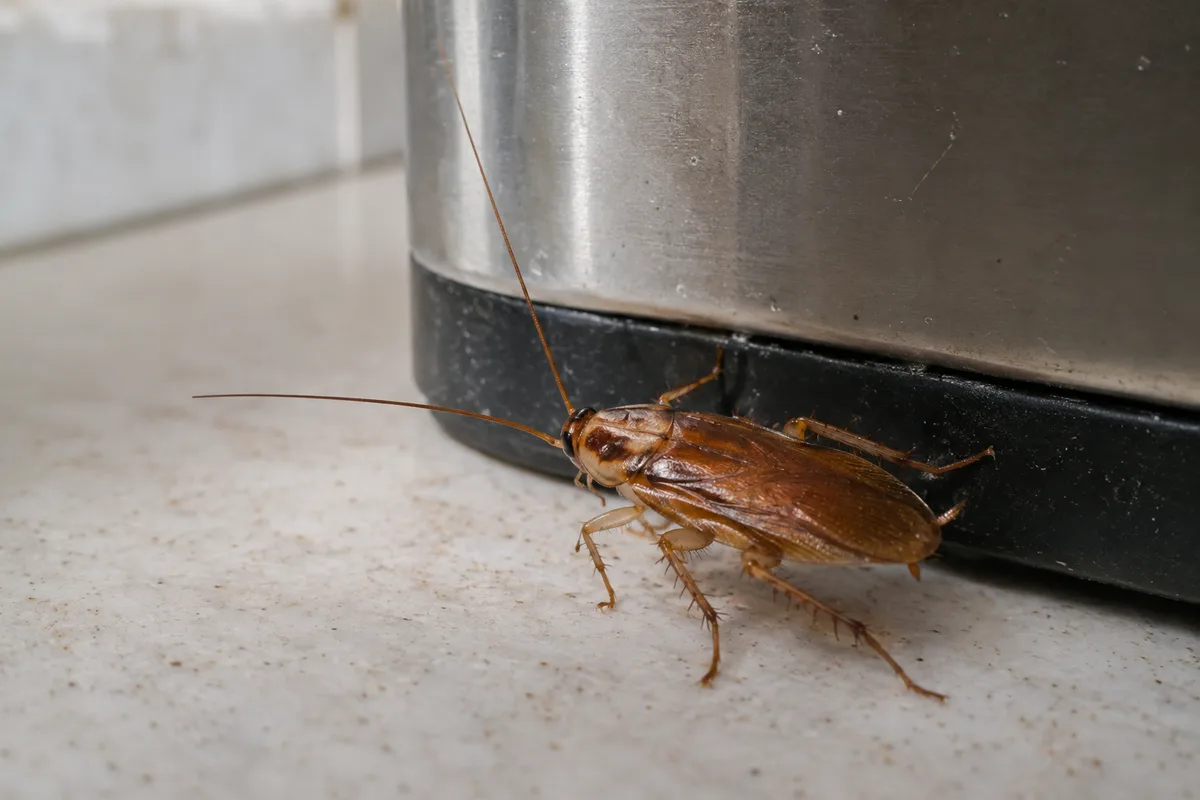
An insect, damaged package and suspected dropping create different assessment questions. Ask what evidence the provider needs before choosing a treatment or cleaning product. The cockroach assessment guide is relevant to suspected insects around kitchen equipment. Rodent concerns can be discussed using the mouse inspection information. A confident pest name should not be based on debris photographed after it has already been swept into a pile.
Disclose products applied by staff, with names and locations if available. Avoid adding more sprays because a visit is being arranged. The provider needs a clear account of current evidence and previous work to recommend a programme. If a sample is requested, ask how it should be retained safely rather than leaving unidentified material beside food preparation areas.
Separate routine hygiene from treatment instructions
The business still needs appropriate hygiene arrangements, but particular surfaces or positions may have instructions linked to the method used. Ask which cleaning can continue, which areas need special attention and what should remain undisturbed. Do not invent a blanket rule to stop all cleaning or to scrub every treated position immediately. The correct boundaries depend on the assessment and treatment, and need to be communicated before the next shift starts.
Identify the person who will brief staff and keep the instructions accessible. If an external cleaner works after closing, include them in the handover. A manager who receives a report during the day may not be present when worktops, floor edges or equipment bases are cleaned. Clear location descriptions make those instructions practical and reduce the risk that an agreed programme is disrupted accidentally.
If staff cannot follow an instruction because equipment or stock blocks the area, report the practical limit promptly. The provider can then clarify the plan rather than discover at review that the intended preparation was never possible.
Include contract cleaners in the instruction chain
If a separate cleaning company attends the kitchen, identify who receives the provider’s location-specific instructions and who confirms they have been passed to the person doing the work. The business manager’s report may not reach an overnight cleaner automatically. Give a clear contact for questions rather than asking cleaners to guess which floor edges or surfaces require a different routine.
Record any cleaning that takes place outside the agreed plan and tell the provider what happened. This is useful context for a review, not a reason to blame staff. Likewise, retain the dates when stock or equipment is moved. A new finding should be assessed against the actual conditions after treatment. The aim is a workable cleaning boundary linked to the method, with evidence preserved and appropriate hygiene maintained, rather than a blanket instruction that nobody can follow consistently.
Inspection access must be safe and agreed
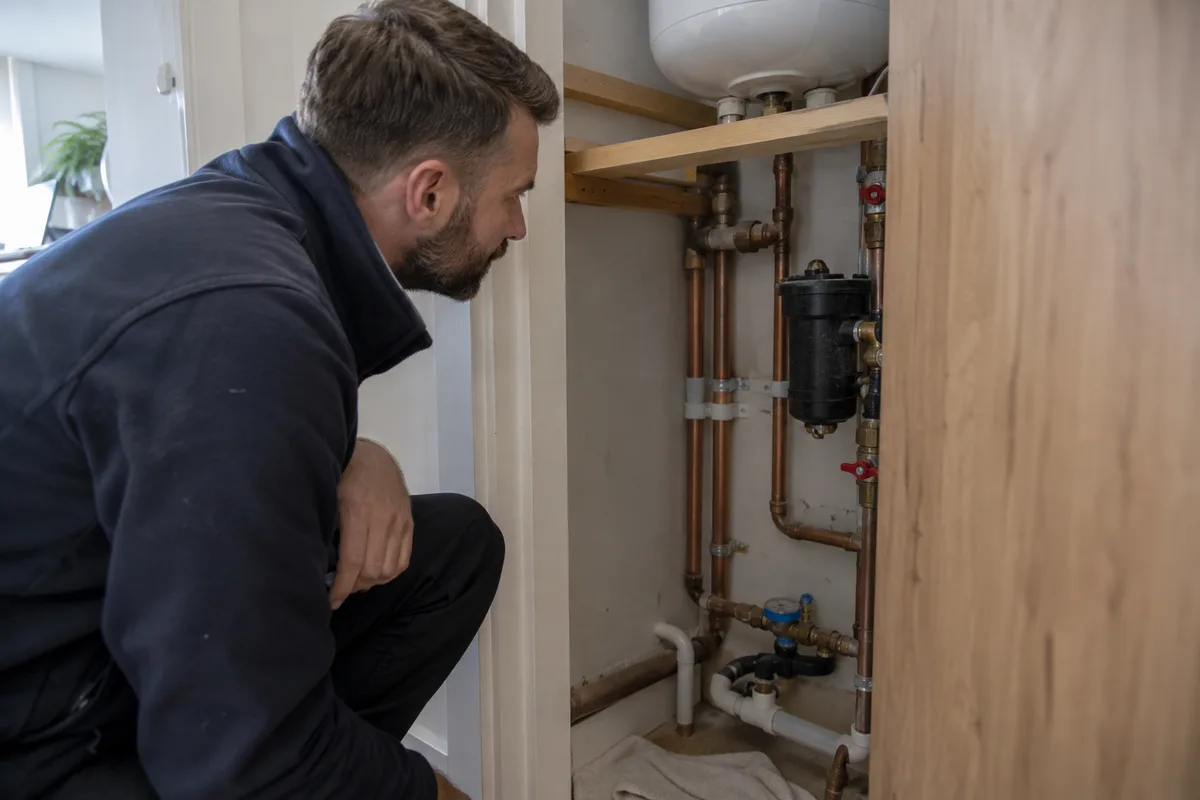
Ask which cupboards, stores and equipment edges need to be reached. Arrange safe stock movement and identify any unit that cannot be moved without a maintenance contractor. Pest treatment does not automatically include disconnecting gas, electricity or plumbing. Explain opening-hour limitations and any neighbouring or communal areas that remain outside your authority. The inspection record should state those access limits rather than imply a complete assessment of hidden spaces.
Our commercial service overview can help frame questions about coverage, findings and review. Compare quotes on those points, including any additional visit arrangement when access is incomplete. Discuss operational restrictions for the actual method instead of assuming that the kitchen must close or can continue normally based solely on a website label.
Use prevention and follow-up as a shared routine
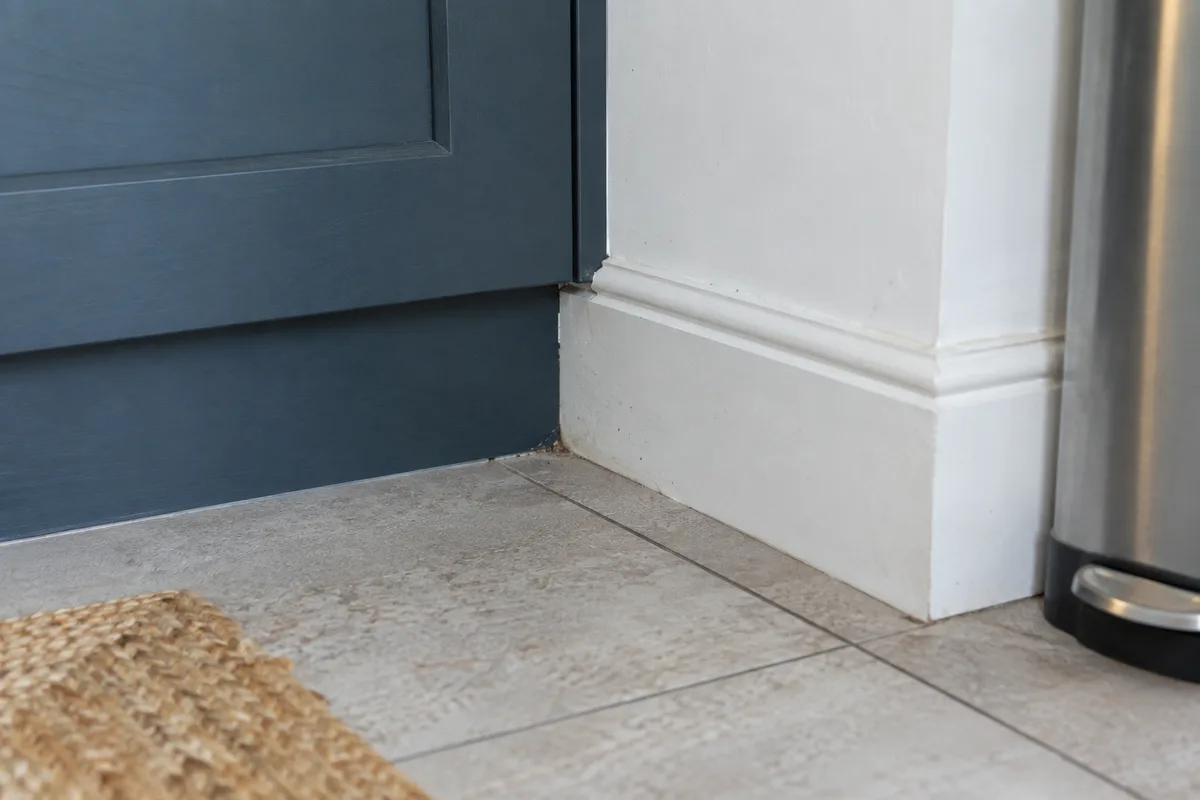
Record new physical signs with dates and exact places, keeping old damage distinguishable. Ask what the provider expects to receive before the planned review. If an entry opening is identified, the proofing advice explains why a repair needs appropriate material and permission. Cleaning a nearby floor does not repair a damaged door or service penetration. Preserve ventilation and maintenance access when planning permanent work.
Keep pest findings, cleaning instructions and repair records connected without turning them into an unwieldy paperwork exercise. A short dated log and clear handover can be enough to preserve the important decisions. Call with your Whitechapel postcode, business type and observed evidence to ask about availability. The useful outcome is a kitchen-specific plan that tells staff what to prepare, what to clean, what to leave alone and how to report the next finding accurately.
Questions about pest control in Whitechapel
Should I stop all kitchen cleaning before treatment?
Ask for instructions for the actual situation; there is no universal rule to stop or intensify every cleaning task.
Can a cleaner wash treated positions immediately?
Follow the provider’s method-specific instructions and make sure the cleaner receives them.
What if evidence has already been swept away?
Supply any photographs and describe its original location and date, then ask what assessment is needed.
Does preparation include disconnecting appliances?
Not automatically. Safe specialist work may need to be arranged separately.
Can cleaning replace a structural repair?
No. An identified opening needs an appropriate repair decision as well as any hygiene routine.