
Pest Control Lambeth
A concern in a shared part of the building needs somebody who can arrange access and make decisions. Establish that contact while keeping each occupier’s evidence clearly identified.
Say which part of the building is involved
Arrange authority as well as keys
Keep repair actions with their responsible contact
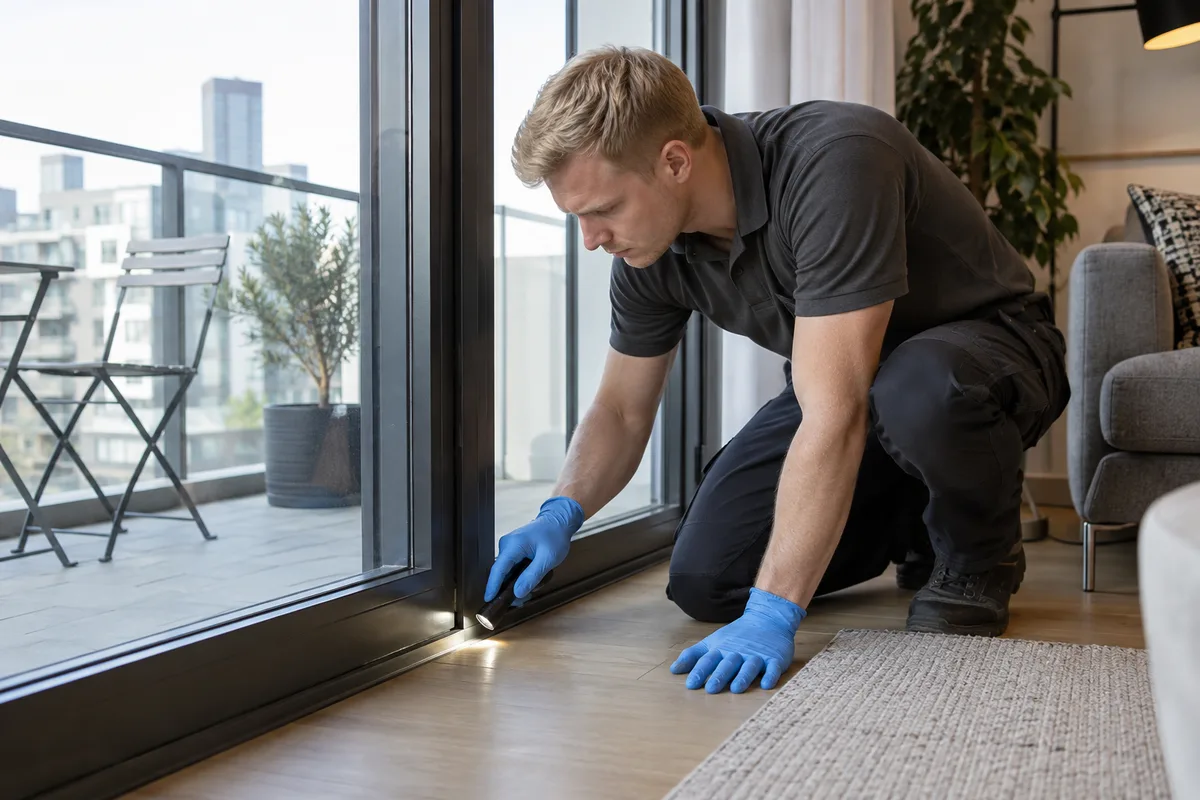
Plan the enquiry
Write a resident-to-manager escalation with three boundaries
Give connected spaces separate entries
Use the reporting route that matches the actual landlord
Do not give every occupier the same preparation automatically
Write a resident-to-manager escalation with three boundaries
Start the message with your actual observation, then label the affected space as private, common or public. An illustrative private entry could identify suspect material beside the sink cupboard inside a flat. A common entry could identify a damaged communal waste-store threshold, without claiming it caused the private finding. A public entry could describe a sighting beyond the building boundary. Each needs its own date and direct account. The resident can ask for assessment of their authorised rooms while the manager decides access to shared premises.
Use a short action list below the observations: private assessment requested; manager confirmation of waste-store access pending; public-space contact not yet identified. Keep the status until somebody confirms the action, instead of letting a forwarded message imply that work is booked. State what you can authorise and ask the manager to identify the responsible contact for other areas. A key held by the resident does not itself settle permission or liability. Leave private personal details out of the building-wide message and share only what supports the common question. This gives the manager a usable escalation with factual boundaries, rather than a general complaint that pests are everywhere and somebody ought to arrange treatment.

Give connected spaces separate entries
A private kitchen, communal waste store and external path may be physically close while having different access arrangements. Record each finding against its own space. Tell the provider which are accessible, which need consent and which lie outside the proposed premises. Do not assume that proximity proves a route between them. An assessment may need additional checks, but those should answer a defined question with the necessary authority in place.
The rat inspection and entry-route advice explains why outside sightings and indoor findings should not be treated as identical evidence. For concerns within a kitchen, the mouse assessment guide helps frame questions about room position and accessible openings. A service gap is a potential feature to assess, not confirmation that one animal has travelled through every connected part of the building.
Use the reporting route that matches the actual landlord
For applicable Lambeth council housing, the council’s housing repair resource distinguishes ordinary tenant repair requests from communal repair reporting. Check the current route for the particular feature. It does not mean every Lambeth address or every privately managed building uses that service. A private tenant, leaseholder and council tenant can have different responsible contacts, which the resident-to-manager record should identify rather than guess.
Attach the relevant observed defect and position to the appropriate report. For example, send a communal threshold question with the manager’s access task, not as if it were confirmed entry into every flat. Ask what further authorisation or competent access the proposed check needs. Keep inaccessible areas and outstanding responses visible. The pest assessment may inform a repair request, but this record does not decide tenancy responsibility, payment or a legal dispute. If a contact forwards the report, preserve the original findings and status so another person can see what was observed, what was requested and what remains unarranged.
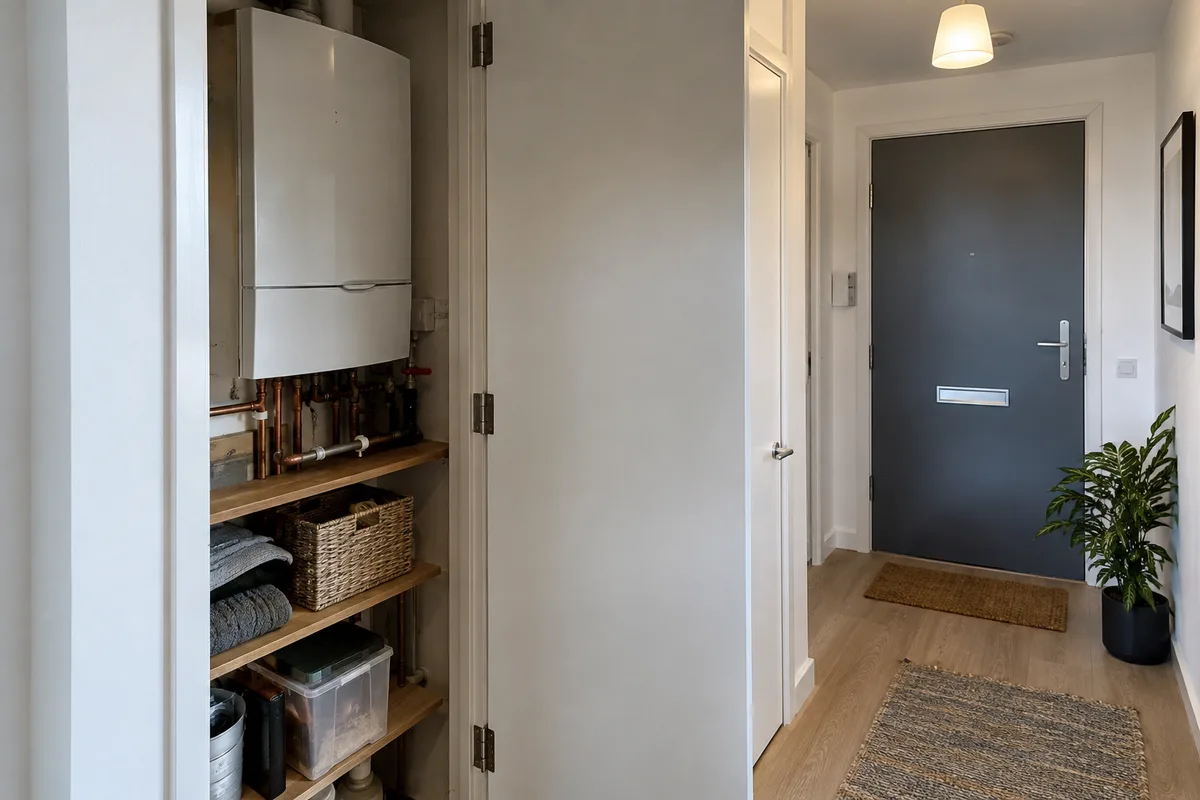
Do not give every occupier the same preparation automatically
An occupied bedroom, shared stair and waste store need different preparation arrangements. Ask for instructions tied to the findings and proposed method. Residents should know which instructions apply to their own rooms and which areas need to remain available to the provider. Avoid moving potentially affected items through neighbouring units or obstructing common routes simply to make one space look clear.
The residential and commercial service information helps explain why a scope should identify the premises. Mention children, pets, working hours and any practical restriction on preparation. If a tenant cannot complete a step, resolve that before attendance. A manager should not promise that every resident will be ready without checking the arrangements with the people who actually use the rooms.
Turn a repair recommendation into a named action
Ask the report to specify the observed opening, its location and the purpose of the proposed repair. Identify who can authorise it and who will carry it out. A shared service penetration may belong to the building’s maintenance arrangements, while an internal cupboard defect may have a different contact. Keep an action outstanding until the appropriate person confirms what was done and when.
Use the proofing guidance when discussing suitable repairs. Required ventilation and services must remain functional; not every opening should disappear under filler. Ask which recommendations are supported by findings and which need further examination. A clear priority list prevents maintenance effort being spent on visible but irrelevant gaps while an important inaccessible space remains unresolved.
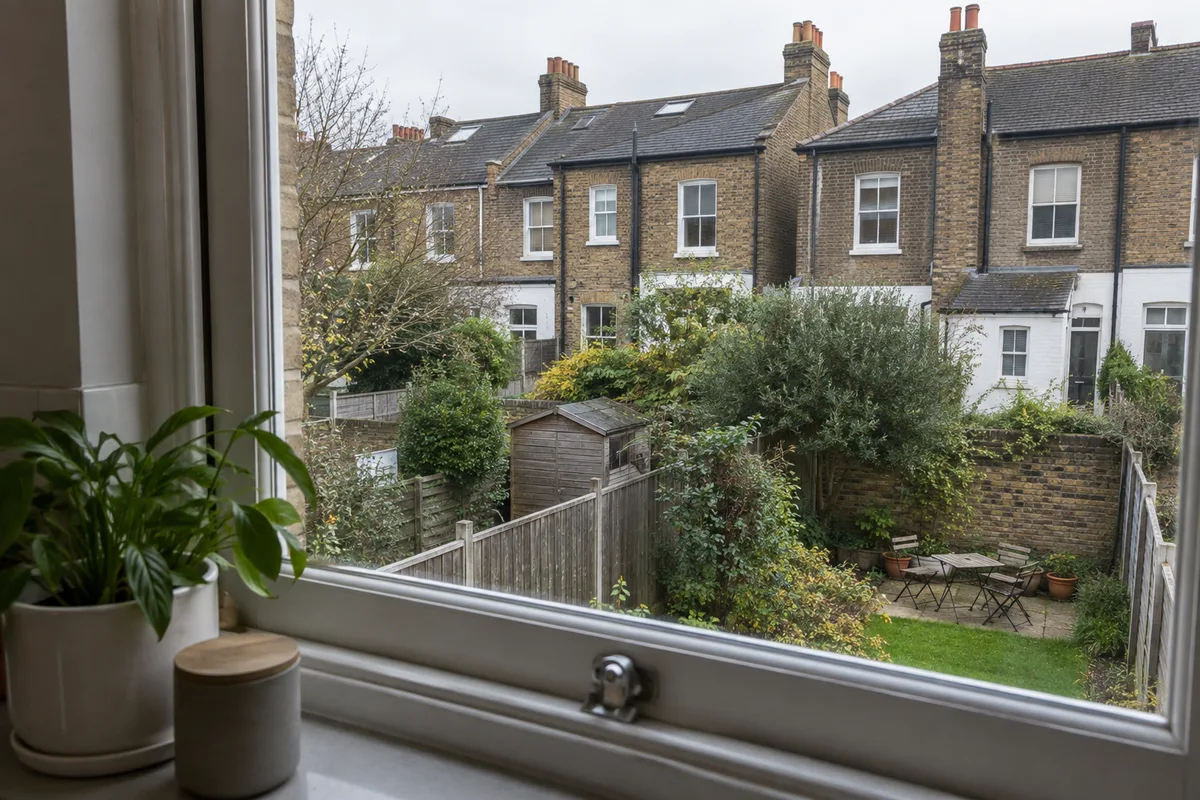
Keep the handover factual and proportionate
Share the findings and relevant precautions with those who need them, without publishing occupants’ personal details or blaming a particular household. Keep the provider’s assessment, access limitations and repair dates together. If another person takes over management, they should be able to see which actions are complete and which remain due. Do not describe a partial assessment as a whole-building clearance.
For urgent pest control in Lambeth, give the postcode, current observation and the authority available for access. Confirm the next appointment and its scope. At follow-up, report fresh evidence by location and explain any changes to doors, service access or room use. A coordinated programme depends on evidence and responsibility moving together, rather than everyone assuming another occupier has arranged the required repair.
Questions about pest control in Lambeth
Does having a communal key authorise treatment there?
Not automatically. Confirm permission with the person responsible for the shared premises and agree the visit scope.
Can one resident book for every flat?
Only where the necessary authority and access have been arranged. Describe the enquiry’s actual boundaries at booking.
Should all occupants receive identical preparation?
Instructions should match the particular rooms, findings and proposed method. Keep relevant responsibilities clear.
How should an unavailable service room appear in the report?
Ask for the access limitation to be recorded so nobody assumes that the space was inspected.
What makes a repair handover useful?
Include the observed feature, location, responsible contact, work completed and dates, alongside any remaining actions.