
Pest Control Marylebone
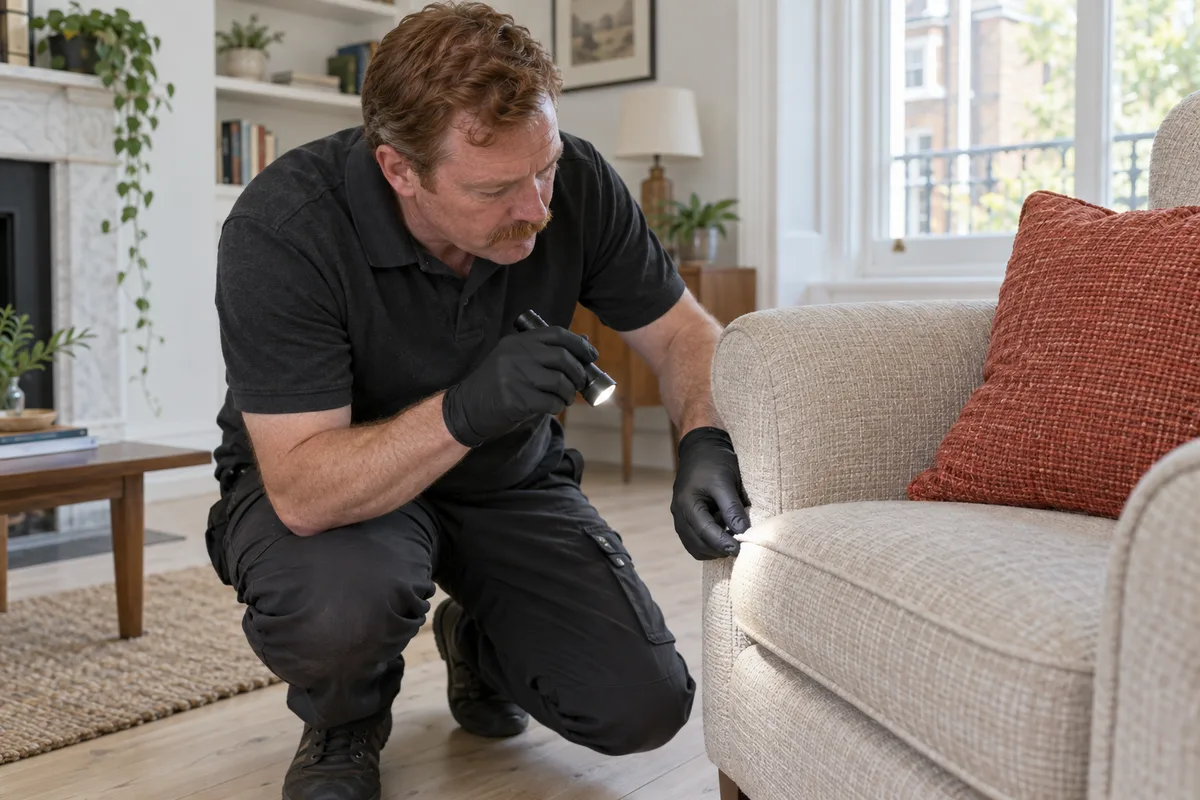
Before deciding how to treat an unfamiliar insect, make the finding easier to assess. A clear photograph and a short location note can answer useful questions without moving furniture around your Marylebone home.
Take a close view and a separate location view
Record what you saw without naming an uncertain species
Ask what still needs an in-person examination
Plan the enquiry
Take two photographs with different jobs
Separate identification from the size of the problem
A specimen can be useful, but it is not compulsory
Use a brief that another person can understand
Take two photographs with different jobs
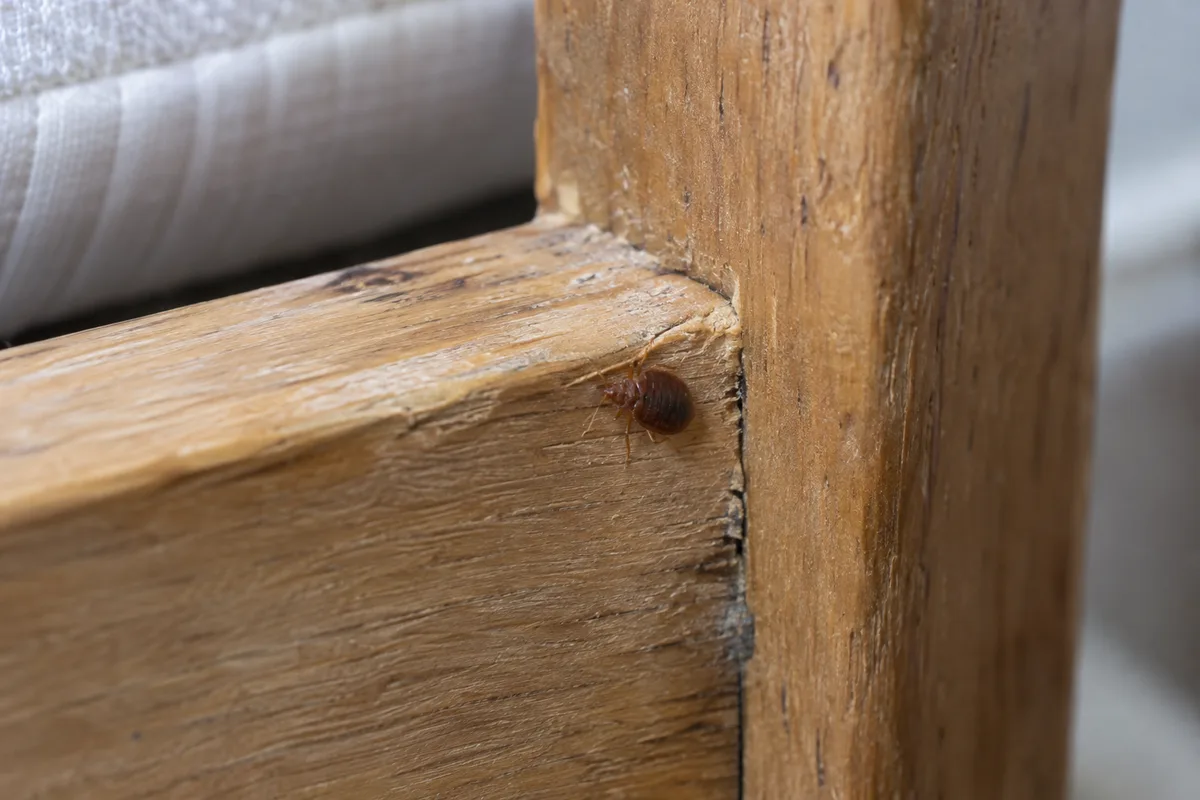
The close view should show the subject sharply. The location view should show where it was found: a mattress edge, cupboard hinge, floor corner or chair seam. These answer different questions. A close-up may help someone assess the insect, while the wider image helps locate the finding during a visit. You do not need a special camera. Use good available light, keep the camera still and check that the subject is in focus rather than the background.
Do not enlarge a blurred picture repeatedly and treat the resulting shape as reliable evidence. Keep the original file as well as any cropped version. If the photograph cannot show the insect clearly, say so. A useful message could be: “Small insect on the outer chair seam this morning; close picture blurred; wider picture shows the chair beside the window.” That describes the limitation honestly and gives the provider a practical inspection location.
Separate identification from the size of the problem
Even a clear image may not establish how many rooms are involved or where an insect came from. A specimen found beside a recently delivered item does not prove that the delivery introduced it. Record the item’s history if relevant, but leave the origin as a question. If you found a similar insect somewhere else, add another dated location rather than calling the whole property affected.
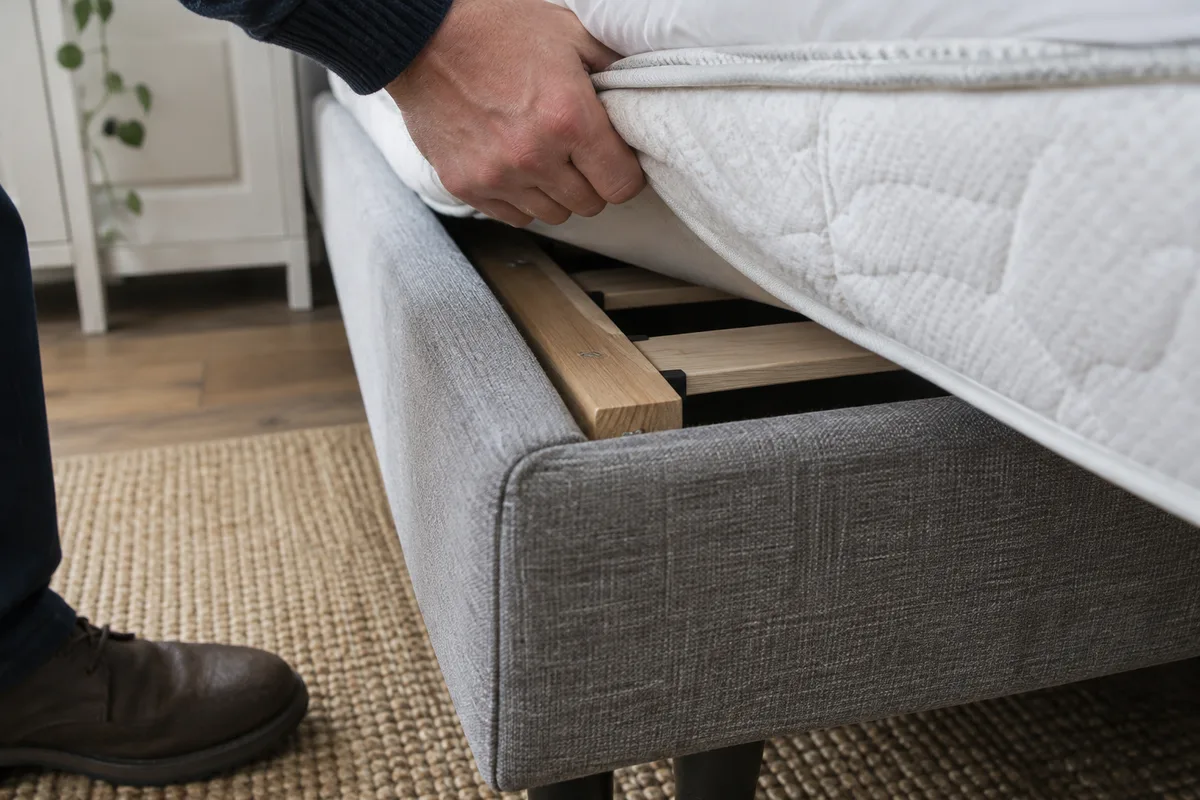
For bedroom findings, the bed bug identification and inspection guide explains why skin marks alone cannot settle the enquiry. Near kitchen equipment, use the cockroach assessment information to prepare different questions. Those links describe possible inspection needs; they do not identify your photograph. Ask the provider what they can conclude from the material supplied and what needs examination in the room. The distinction prevents an image enquiry quietly turning into an undefined treatment programme.
A specimen can be useful, but it is not compulsory
Ask the provider whether they need a retained specimen and how it should be handled. If it cannot be obtained safely, a location record is still worth sending. Do not reach into electrical equipment, open an inaccessible void or chase an insect through occupied rooms just to collect one. Keep the original position in the record if it has already disappeared. Someone assessing the enquiry needs to know whether the photograph shows an insect in place or something moved elsewhere.
Avoid mixing suspect material with unrelated household debris. If a specimen has already been kept, tell the provider how it was collected and stored. Do not describe damaged or crushed material as an intact insect. The purpose is to support identification, rather than create a collection of everything unusual in the room. An inspection may still be required even when a specimen is available, because identification and the extent of activity are separate questions.
Use a brief that another person can understand
Give each image a simple label with the room and date. Keep the description close to observable facts: alive or already dead, on the surface or beside it, a one-off discovery or something seen again. Do not write “nest behind wardrobe” when the only finding was an insect on the front edge. An inspection can test a possible hiding place without accepting it as established.
For example, a brief might contain: “Bedroom one, chair by window, Tuesday morning; one insect seen; chair arrived last week; no similar finding recorded in the bed.” This is an illustrative record, not a customer case. It preserves useful context and uncertainty. Check the wider photograph for personal paperwork before sharing it. If a landlord receives the brief, include the finding location and access question without circulating unrelated private details. Keep a copy so the booking contact and attending provider have the same account.
Make the room reference fit the actual property
Westminster’s East Marylebone property guide describes mansion blocks alongside commercial buildings. For an enquiry in a shared building, identify the correct entrance, floor and occupied unit. A photograph marked only “Marylebone flat” may be difficult to use when someone else opens the premises. The relevant context is where the finding belongs, not an assumption that all nearby homes need the same treatment.
If the sign is damaged food packaging rather than an insect, keep that as a separate report. Our mouse evidence guide covers the observations useful for that concern. Do not add it to a bedroom insect brief as proof of one combined infestation. A provider can assess several concerns when the locations and scope are clear. Ask which rooms need to be available and whether the appointment is for identification, wider inspection or agreed treatment.
End the first call with a specific next question
Before booking, establish what remains unresolved. Is the insect unidentified? Is identification plausible but the room extent unknown? Does the provider need better access to the photographed seam? These lead to different preparation discussions. Ask what the proposed visit will examine and how recommendations will be explained. You should know whether any treatment decision will follow the findings or has already been agreed on sufficient evidence.
For an urgent Marylebone enquiry, supply the postcode, brief and person who can open the room. Ask for confirmed availability without expecting a photograph to determine an arrival time. Keep later observations linked to the original location labels. If a new image shows a different subject, say that rather than assuming it confirms the first concern. A useful identification brief leaves everyone with the same evidence, the same uncertainty and a clear reason for the next appointment.
Questions about pest control in Marylebone
Can a phone photograph identify the insect reliably?
It may help, but reliability depends on image clarity, scale and the subject photographed. Ask what can be concluded and what still needs examination.
Is the close-up or the room photograph more useful?
They serve different purposes. Send a clear subject view and a separate view locating the finding.
Do I have to catch an insect before booking?
No. Explain the observation and ask whether a specimen is needed and how to retain it safely.
Should delivery history be included?
Yes when relevant, but timing alone does not establish the origin of an insect.
What should the image label contain?
A date, room and precise finding location. Keep assumptions separate from what was observed.