
Pest Control Mayfair
A mouse report from one desk and an insect found in the staff kitchen need different investigations. A useful office record keeps the observations separate and shows the provider where to begin.
Nominate one person to collect staff reports
Include kitchens, cupboards and delivery areas
Agree what can be inspected during working hours
Turn staff messages into a usable record
An office group chat can contain several reports of the same sighting, photographs from different dates and guesses about a noise. Before booking, put the original observations in one record. Include the room, nearest fixed feature, time and what somebody actually saw. Mark second-hand accounts as such. A photograph of the whole cupboard alongside a close-up helps locate the sign when desks and storage look similar. Preserve the dates rather than grouping everything under the day the complaint reached reception.
Choose a contact who knows the layout and can receive findings. Staff should know where to send new reports without sharing unnecessary personal information. This arrangement also avoids several colleagues booking separate visits for the same office. For a Mayfair appointment, give the entrance used by contractors and explain reception or security requirements before a time is agreed.
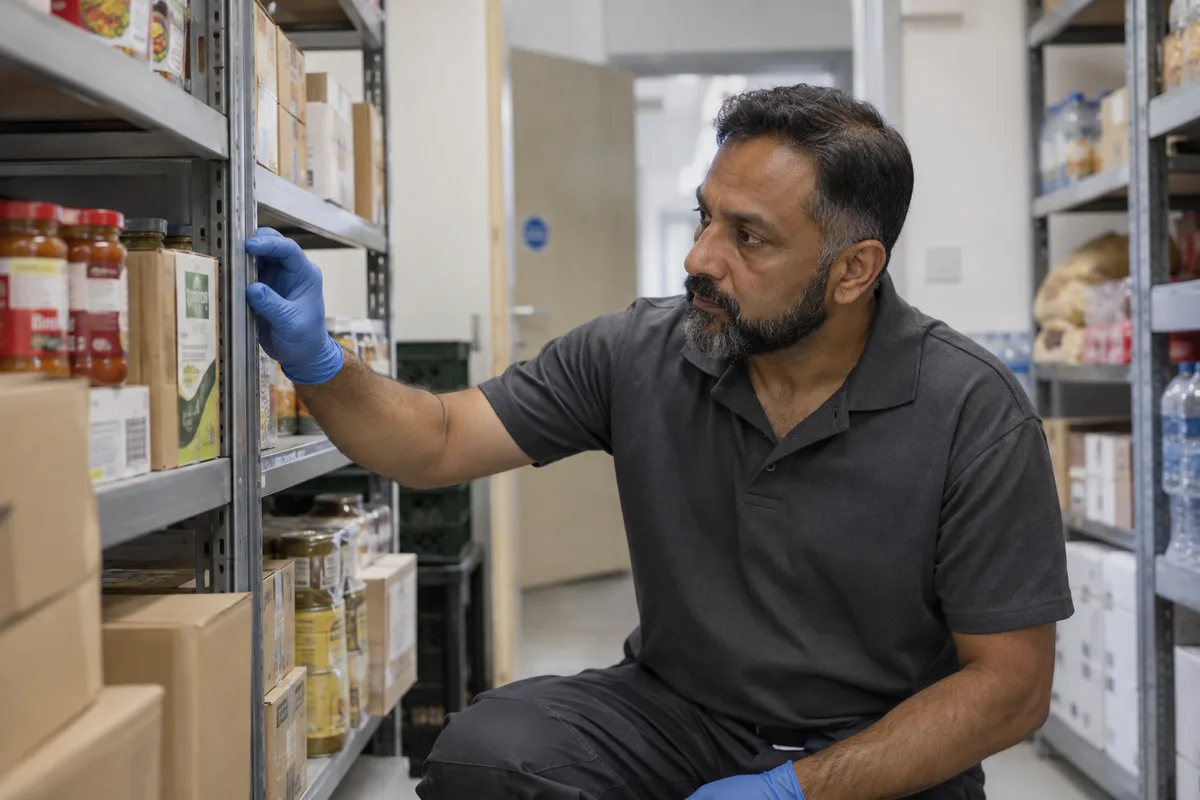
Check the food arrangements behind the desks
Food does not have to be in a commercial kitchen to matter. Examine snack drawers, open packets in meeting rooms and the cupboard where event supplies are kept. Put usable food into suitable closed containers and remove unwanted packaging without scattering debris. Empty bins through the usual waste arrangements. Report damaged packets and the precise storage shelf instead of assuming that an untidy area proves a particular pest is present.
The office mouse inspection information explains why current evidence and access routes both deserve attention. An inspector may need to see the room edge behind storage or the space around kitchenette plumbing. Move ordinary loose items when agreed, but leave heavy filing cabinets and connected appliances to people authorised to handle them. Tidying helps access; it does not replace identification or treatment where activity is confirmed.
Keep insect enquiries distinct from rodent reports
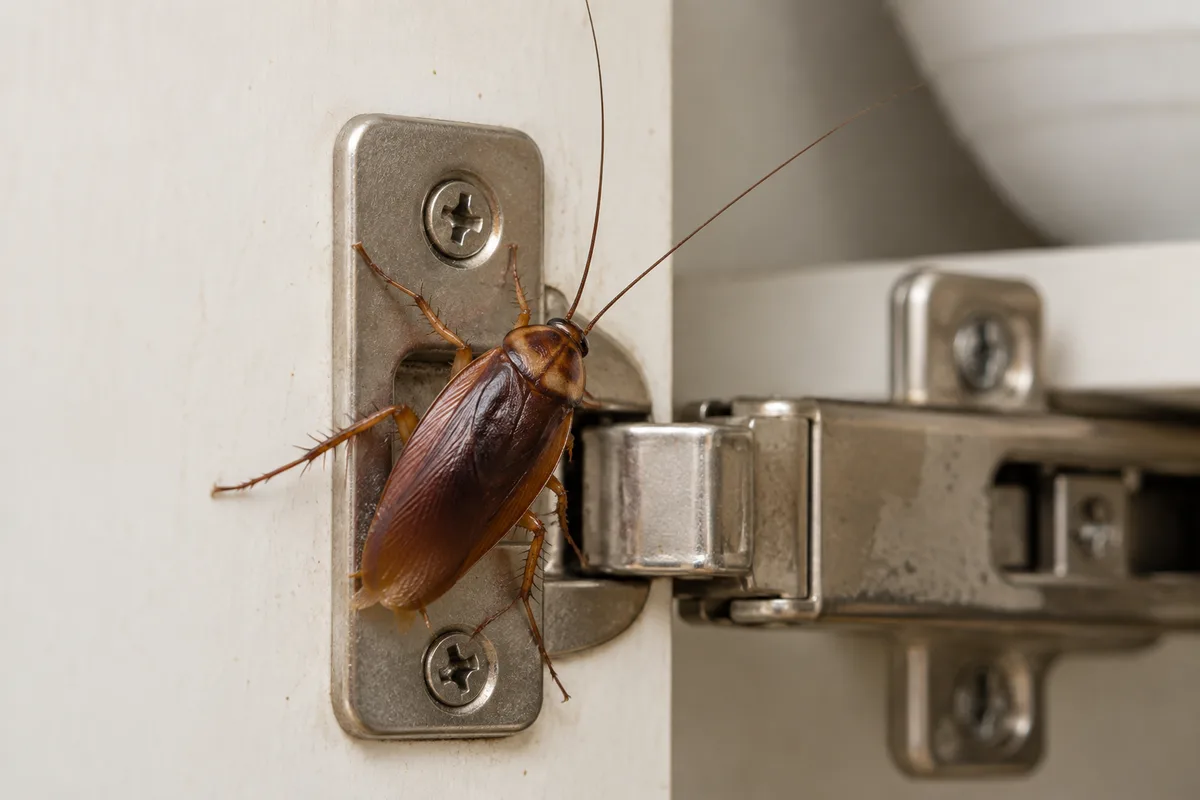
An insect near a coffee machine needs a clear image and location history. Was the machine in use, had a delivery just been unpacked, or was the insect already dead? These details help direct inspection without establishing where it came from. Do not apply a spray to electrical equipment or food-contact surfaces while waiting for advice. Mention any product already used so the provider can take it into account.
Read the guide to cockroach checks around appliances when that identification is being considered. A treatment recommendation should describe the findings and locations involved. If the specimen is something else, the plan should change accordingly. Office managers should not treat a colleague’s confident guess as a confirmed diagnosis, particularly when the proposed work would disrupt several occupied rooms.
Plan the visit around access, not just the diary
List rooms requiring a key, secure records storage and spaces managed by another occupier. Decide who will escort the provider and which areas can be opened without breaching workplace procedures. A lunchtime appointment may offer little useful access if the kitchenette is busiest then. Conversely, an out-of-hours visit needs somebody able to answer layout questions and authorise the agreed scope. Establish the practical arrangements rather than assuming an empty office is automatically easier to inspect.
For historic premises, permission for repair is another consideration. Westminster publishes a Mayfair conservation-area directory; property-specific checks belong with the owner or manager before external changes. An inspection can identify a suspected opening without authorising alteration. Separate the immediate pest assessment from any later building work, and record which decision belongs to whom.
Make findings useful to the maintenance team
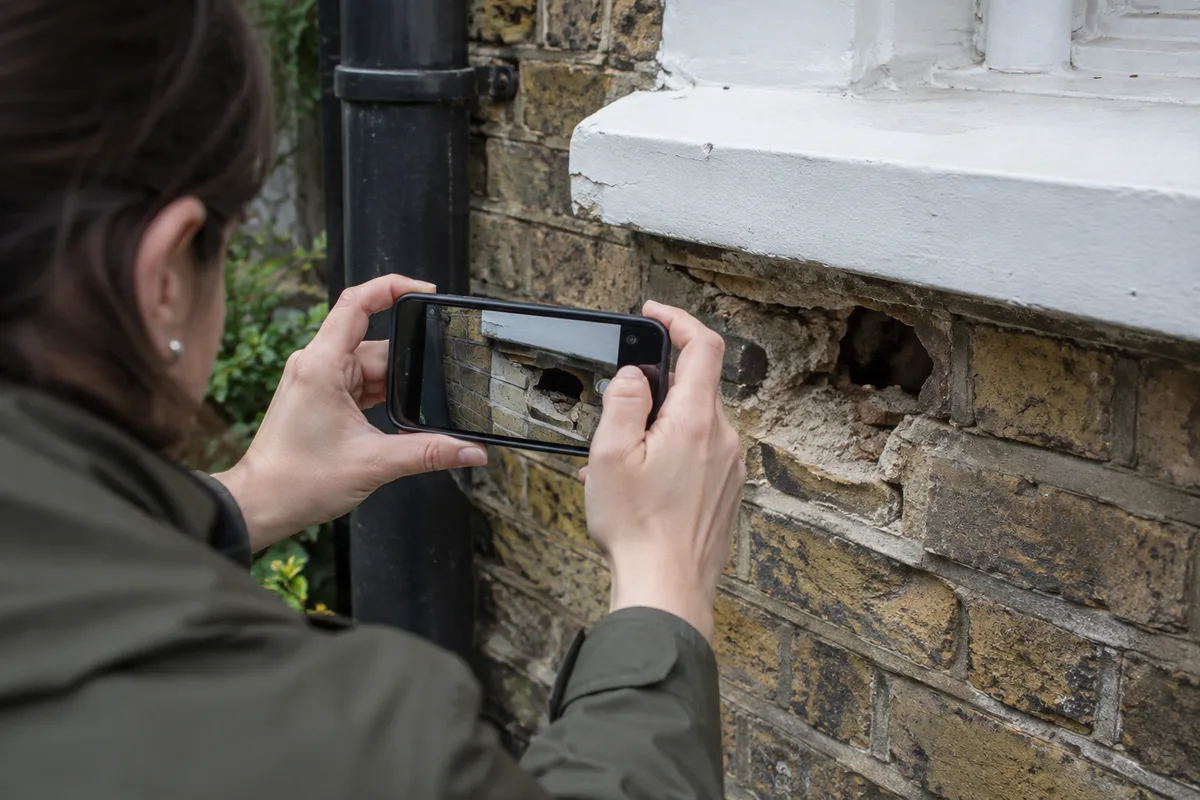
A note saying ‘seal gaps’ gives maintenance little to work with. Request locations, photographs where appropriate, the reason each opening matters and any limits on what was inspected. Our proofing planning guide covers the relationship between treatment and suitable repairs. A visible gap beside a cable may be an investigation point rather than a confirmed entry route. Electrical, ventilation and fire-related details require competent assessment before anything is filled.
Rank the actions with the provider: immediate housekeeping, access needed for another check, proposed repair and treatment follow-up. Give each an owner and a review date. If the building manager handles communal spaces, send them the relevant findings with permission rather than forwarding every staff message. A concise location-based report helps them arrange work and gives the next technician a record of what has changed.
Review the result before renewing the same visit
Keep new observations in the same dated record after the appointment. Record where signs stopped, where they continued and which repairs remain unfinished. The purpose is to answer the follow-up question, not to judge success from an office rumour. A fresh sighting in another room should be reported with its location so the provider can decide whether the assessment needs widening.
Before agreeing further work, establish what the next visit is intended to check and whether it is included in the existing arrangement. An emergency enquiry should state the business impact and confirmed evidence; availability still needs confirmation. Call with the Mayfair postcode, access contact and inspection record ready. That gives the booking conversation enough detail to distinguish an urgent assessment from a routine review or a repair that requires a different contractor.

Questions about pest control in Mayfair
Who should speak for the office?
Choose a contact who can collect original observations, explain the layout and arrange access.
Is a snack drawer relevant to inspection?
Yes. Describe food storage and damaged packets, including the shelf or desk location.
Can the provider inspect secure rooms?
Only with agreed authorisation and access arrangements. Flag restrictions before booking.
Should staff spray the coffee machine?
No. Do not apply products to electrical equipment or food-contact areas without appropriate instructions.
Does the inspection include building repairs?
Confirm the scope. Identifying an opening and carrying out authorised repair are separate tasks.