
Pest Control Fitzrovia
Clearing a lower-ground store for inspection should not turn its contents into an unsafe pile elsewhere. Plan the route, handling limits and destinations before calling the room ready.
Mark the inspection points before moving storage
Choose safe destinations without blocking access
Flag items needing assistance before the visit
Define readiness by the point needing assessment ↓
Keep pest-specific handling separate from ordinary organisation ↓
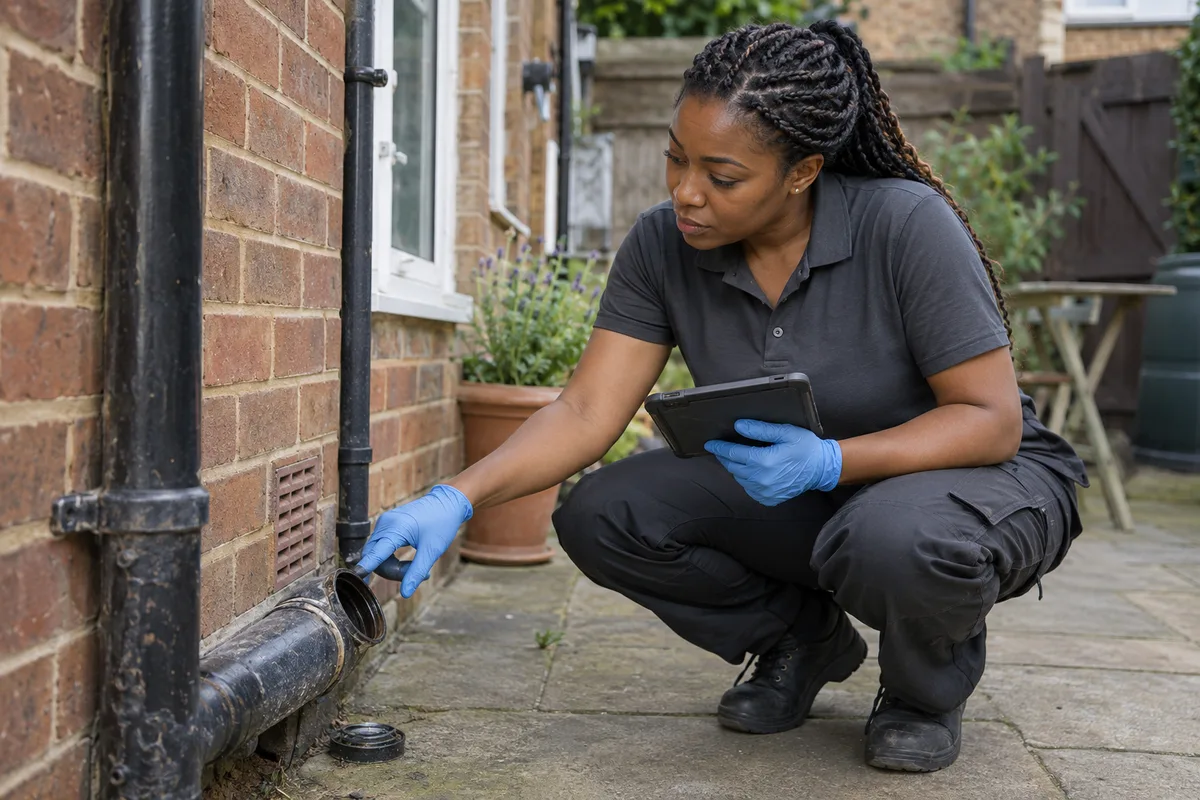
Define readiness by the point needing assessment
Start with the specific location where the sign was reported, not an instruction to empty the entire room. A lower-ground store can contain household supplies, furniture and items belonging to different people. Identify what the provider needs to see and what can remain in place under the agreed plan. Photograph the original arrangement safely so clearing does not erase where the observation occurred.
For a Fitzrovia appointment, describe steps, doors and the route to that point. A room can look tidy while an awkward entrance or locked section still prevents useful access. Readiness means the relevant space can be reached within the agreed scope. It does not mean every item has been removed or every concealed location has been opened.
Sort movement by what you can safely handle
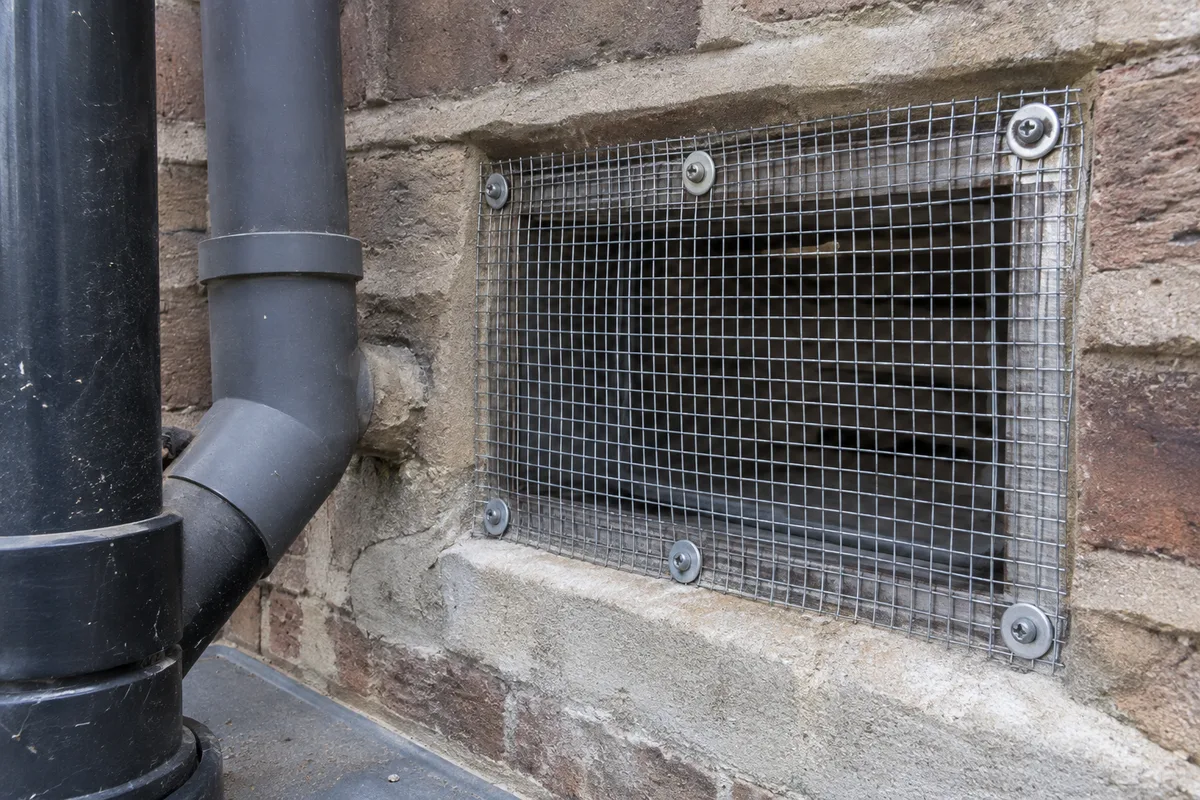
Distinguish ordinary loose items from heavy furniture, connected equipment and material you should not disturb. Move only what is safe and covered by the provider’s instructions. Do not handle suspect debris to create a clean photograph, open unfamiliar service covers or shift a heavy appliance yourself. Explain the limit before the appointment so assistance can be considered where appropriate.
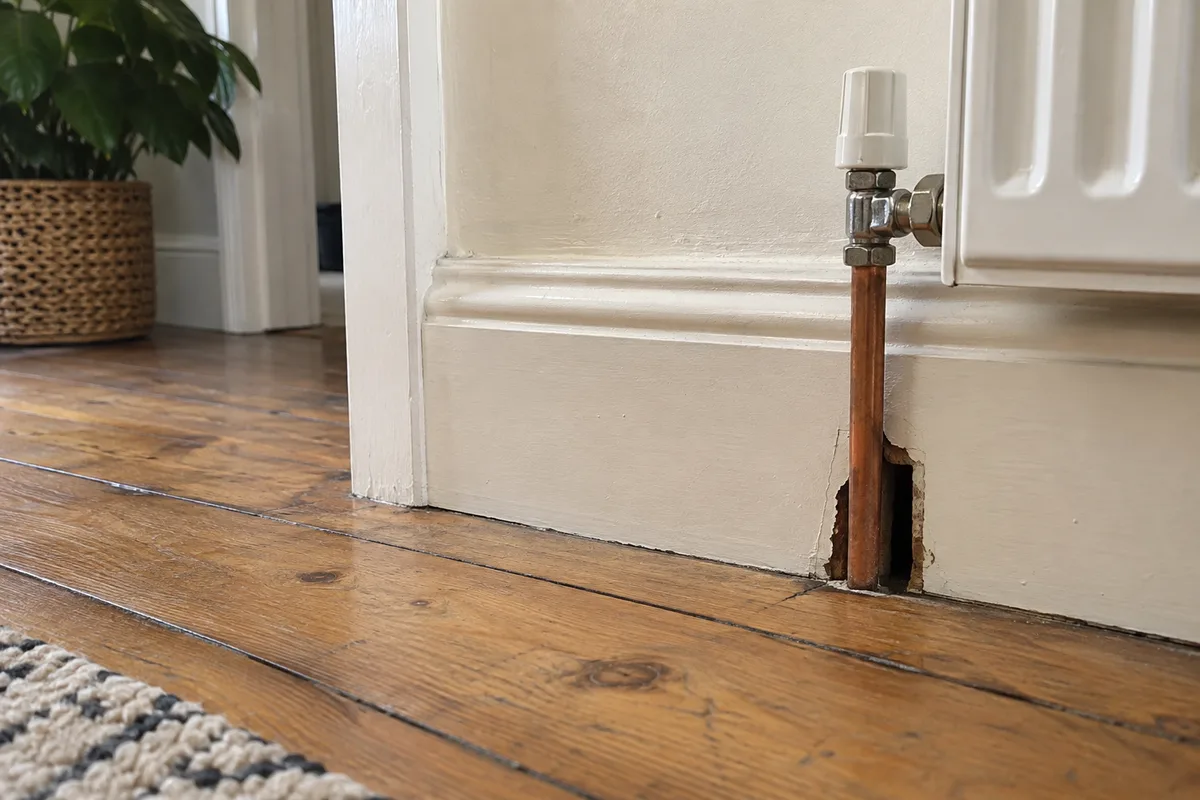
An illustrative plan could read: small closed storage boxes can move to the agreed clear shelf; a large cabinet remains in place until competent help is arranged; the reported pipe point is visible but not dismantled. These are preparation decisions, not diagnoses. The provider can explain whether this arrangement permits a useful assessment and what remains unavailable instead of assuming that somebody will clear everything at the door.
Choose destinations before beginning clearance
Do not use a shared hallway, exit route or another occupied room as the default destination for cleared items. Agree where ordinary belongings can go without creating a new access obstruction. Keep items relevant to the evidence identified and discuss their handling before relocation. A pile that blocks the stairs may make the lower-ground appointment less workable than the original storage arrangement.
If belongings belong to somebody else, obtain the relevant agreement rather than treating inspection preparation as permission to discard them. Label moved items against their original location where useful. This makes it possible to explain what changed without guessing which box was previously beside the finding. Preparation should support assessment, not replace a difficult room question with an untraceable clearance.
Keep pest-specific handling separate from ordinary organisation
For indoor rodent signs, our mouse assessment advice explains the role of location and current evidence. A larger animal seen outside should have its own record, with the rat inspection guide used for that enquiry. Neither establishes that every stored item is affected or that all contents should be moved upstairs.
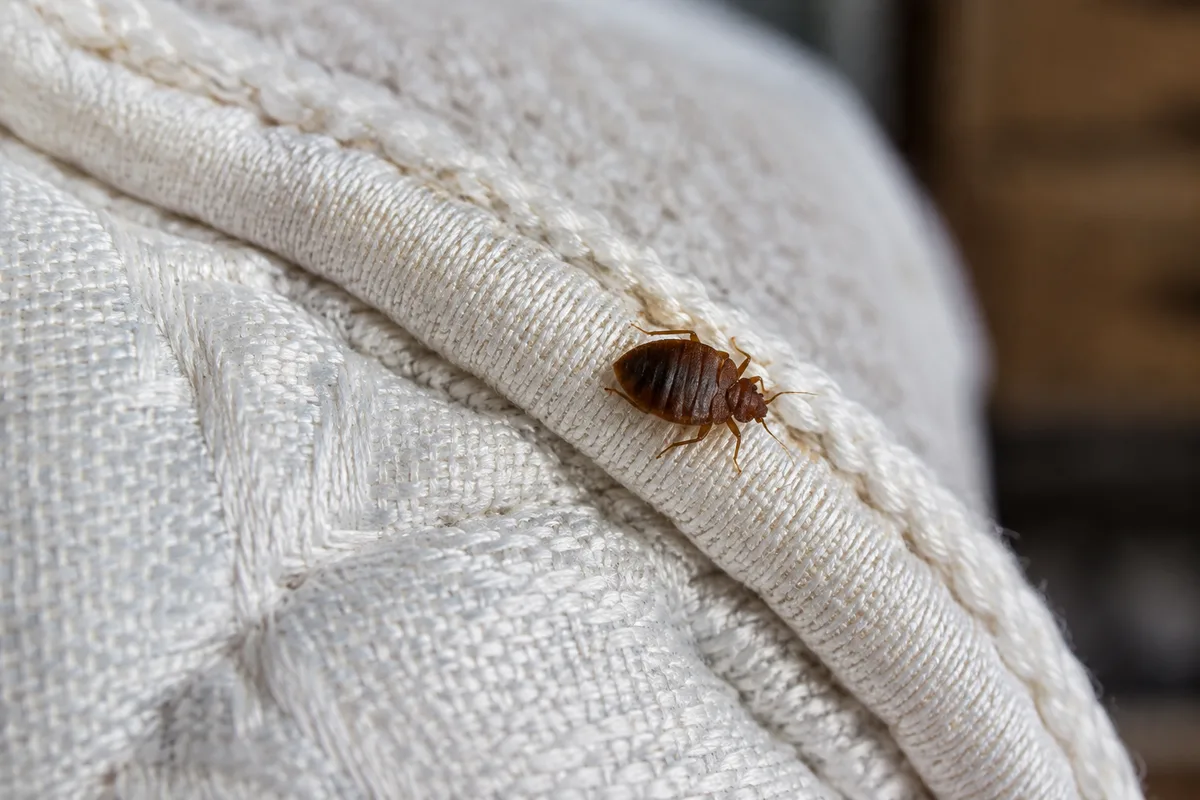
An insect around an upholstered item needs another identification question. The bedroom and furniture inspection information helps frame it without assuming a storage-room finding confirms bed bugs. Obtain handling instructions suited to the assessed concern and method. A generic online decluttering checklist cannot decide which belongings may need particular preparation or which should remain in their recorded position.
Arrange disposal only for a considered decision
If ordinary unwanted items genuinely need removal, check the collection arrangement before beginning a large clearance. For a Fitzrovia address within Westminster’s service area, the council’s bulky-waste guidance provides placement requirements and an assisted collection route for residents physically unable to put items outside. Confirm current suitability and disclose the relevant circumstances. Do not assume the service will move every heavy item from a lower-ground room.
The correct route depends on the actual address and whether the waste is household or commercial. A collection does not assess pests or resolve the room findings. Coordinate any suspect-item handling with the provider before agreeing a destination or pickup. Removal is one preparation decision, not automatic proof that the remaining room is ready or requires no further assessment.
Use a readiness check that records exceptions
Before confirming preparation complete, compare the room with the agreed plan. Can the relevant entrance open? Is the route clear? Are the inspection points visible or honestly marked unavailable? Does the attending contact know which items moved and what assistance remains unresolved? These questions are more useful than a general message that the store has been cleaned.
Send any exception to the provider early. A remaining cabinet or locked section may change what the visit can answer. Discuss whether to proceed with a limited assessment or alter the arrangement. The report should retain the limit if the area cannot be inspected, rather than implying a complete store assessment because most boxes were removed.
Retain the room history after clearance
Keep the original finding photograph, movement plan and readiness exceptions with the appointment record. If items return to storage, note any change relevant to the inspected point. A later observation should have a date and position rather than an assumption that the clearance failed. The provider needs current evidence and room context to evaluate the next question.
When discussing a Fitzrovia visit, explain the preparation you can complete and the tasks requiring assistance. A workable plan should leave ordinary belongings organised, access clear and evidence locations traceable. That gives the assessment a useful starting point without expecting the household to dismantle equipment, move unsafe loads or discard contents simply to make a lower-ground room look empty.
Questions about pest control in Fitzrovia
Does readiness mean emptying the whole store?
No. Agree what the assessment needs and record remaining access limits.
Where should cleared belongings go?
Use an agreed safe destination that does not block circulation or create unplanned handling.
Can heavy storage furniture be moved by the occupier?
Only where safe and appropriately arranged; flag assistance needs before the appointment.
Does bulky collection provide pest assessment?
No. Collection and pest inspection are separate services and decisions.
What should be reported if preparation is incomplete?
The exact item or location, why it remains unavailable and what assistance or alternative access is possible.