
Pest Control Bloomsbury
In a shared home, one person’s bedroom concern can quickly turn into everybody moving belongings. Establish what has been found before changing sleeping arrangements or clearing rooms.
Record findings by bedroom rather than by resident
Agree access privately with each occupier
Get preparation instructions before moving belongings
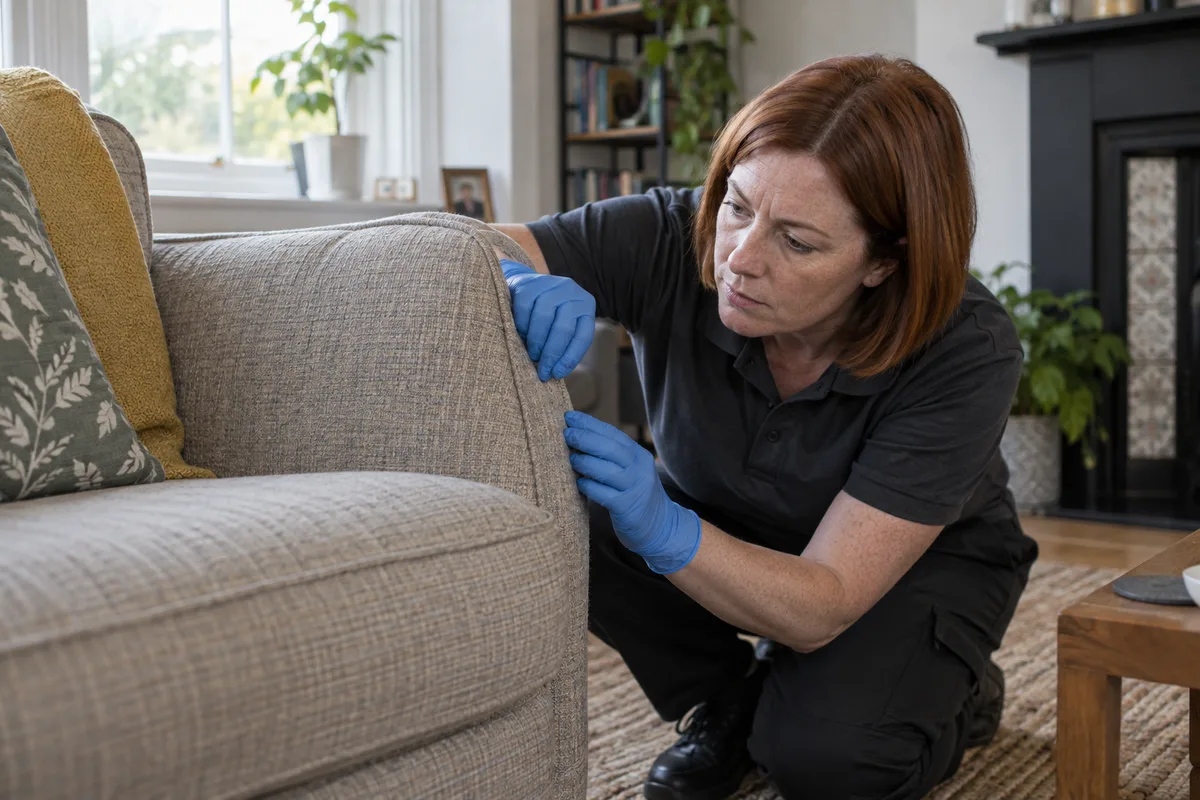
Use a room record that respects the occupants
Label bedrooms by position or an agreed number, then note the evidence found in each. A clear image of an insect or furniture seam is more useful than a house-wide message describing ‘bites everywhere’. Skin marks alone cannot confirm a bed bug problem. Record when the physical sign was found, whether the room is occupied and any recent movement of furnishings. Avoid attaching assumptions about a particular person or their belongings.
Bloomsbury’s conservation-area appraisal reflects a district with varied building uses, including buildings adapted from former houses. Your own room arrangement matters more than an assumption about the street. Explain internal stairs, divided floors and locked bedrooms so the provider can plan the assessment. Only include rooms that occupants have agreed can be accessed.
Avoid a rushed change of sleeping rooms
Sleeping on the sofa or taking a mattress into a spare room can complicate the picture before anybody has assessed the evidence. Discuss the immediate situation with the provider and explain any moves already made. Do not throw furniture into a shared hallway or give it away because an internet image looked similar to the insect you found. Handling advice should follow the actual suspected pest and the proposed inspection.
Our bed bug inspection and preparation guide describes the questions to raise about beds and nearby furniture. The provider needs to distinguish affected locations from rooms merely mentioned in the enquiry. A clear list of observations makes that possible. It also helps housemates understand why some areas may need attention while others require a different check or no treatment at that stage.
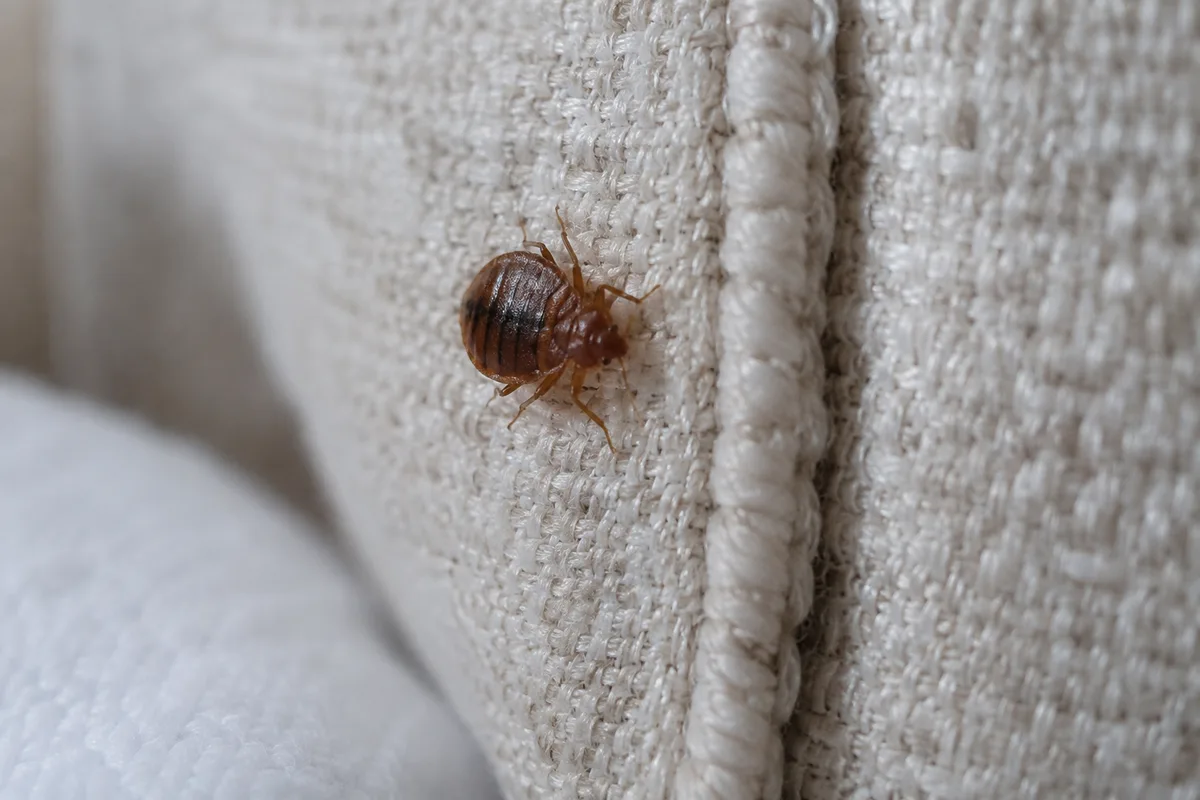
Agree access before the provider arrives
A landlord may arrange an appointment without holding keys to every occupied bedroom. Confirm who will be present, which doors can be opened and whether somebody needs advance notice. A tenant who is away should not be assumed to have agreed simply because another resident made the call. Share the proposed appointment details through the appropriate contact and keep personal health information out of group messages unless the person chooses otherwise.
Ask how findings will be reported to the person responsible for the booking. Housemates need relevant preparation and precautions, but not every private detail supplied by another occupant. If a room remains unavailable, have that recorded as a limitation. The appointment should not be described later as a whole-property assessment when part of the sleeping accommodation could not be inspected.
Compare preparation against the actual method
Preparing for professionally managed heat involves different questions from preparing for a programme using treatment products. The heat treatment planning information explains why equipment access, sensitive items and monitoring need consideration. Turning up domestic heating does not reproduce the procedure. Discuss the proposed room scope and what happens to belongings that cannot be prepared as requested.
For any method, give the provider information about pets, occupied rooms and circumstances affecting access. Obtain the relevant written instructions before laundering, bagging or emptying storage. Housemates should receive one consistent set for the agreed programme. Mixing advice from several websites can leave one person moving untreated belongings while another believes everything must stay in place. Resolve those contradictions with the provider before the appointment.
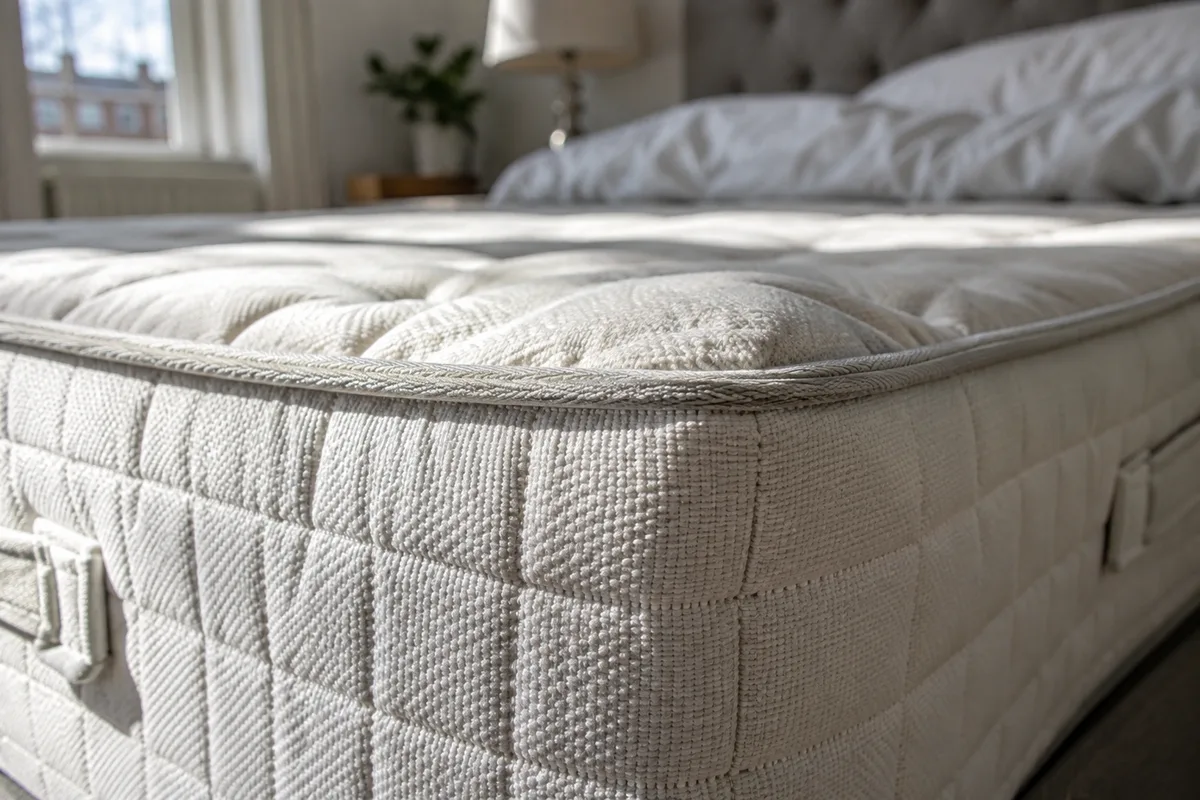
Keep unrelated household observations separate
Shared kitchens can have concerns independent of the bedrooms. A chewed packet or an animal sighting should have its own evidence record. Read the mouse assessment advice if that is part of the enquiry, and say explicitly whether the appointment is intended to cover both concerns. Bedroom insects do not establish a reason to treat kitchen cupboards, nor do mouse signs identify the cause of skin irritation.
Agree who can authorise the combined scope and whether the quote includes separate inspections or programmes. When different residents report different signs, the booking contact can collate locations without merging their conclusions. This keeps the provider’s recommendation tied to what was found and avoids presenting a general ‘pests throughout the house’ claim unsupported by the available evidence.
Keep follow-up workable for a shared household
After the visit, establish where instructions and new observations will be recorded. Residents may have different schedules, so an agreed return appointment needs the same access planning as the first. Tell the provider if a bedroom changes occupant, furniture is relocated or preparation cannot be maintained. These changes affect the useful context for follow-up and should not be left until somebody opens the door.
Ask what the next check is meant to establish and what evidence should prompt contact sooner. New skin marks still need careful interpretation rather than an automatic method change. For an urgent Bloomsbury enquiry, supply the postcode, number of relevant rooms and access contact. Confirm availability and the intended scope. A workable shared-home plan is one occupants can follow consistently, with findings, permissions and preparation described clearly enough to survive a change of housemate.
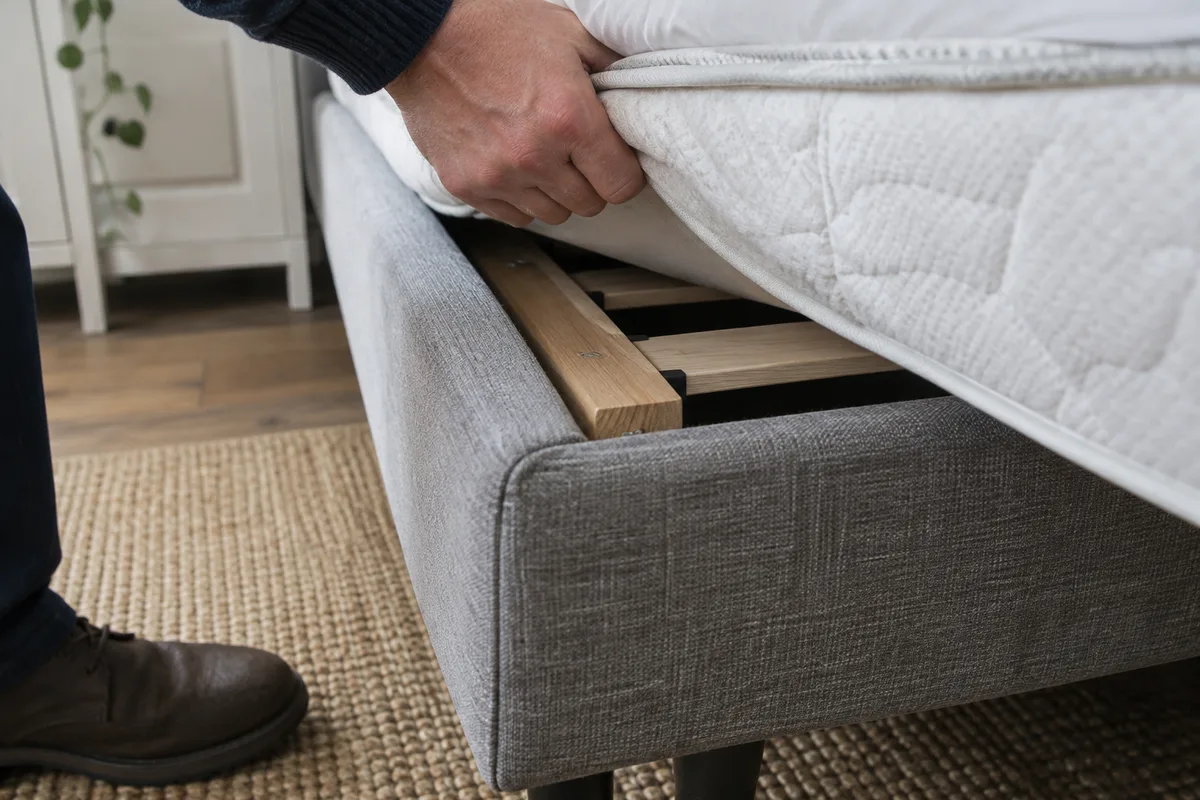
Questions about pest control in Bloomsbury
Can one tenant book for every bedroom?
They can enquire, but access and authorisation for occupied rooms need agreement.
Do skin marks confirm bed bugs in a shared house?
No. Describe them, but the assessment also needs physical evidence and room context.
Should a mattress be moved into the hallway?
Discuss handling before relocation; shared circulation spaces are not a default storage solution.
Can kitchen and bedroom problems be assessed together?
Confirm that both concerns and locations are included in the appointment and quote.
What if a housemate is away for follow-up?
Arrange consent and keys in advance, or have the unavailable room recorded as an inspection limit.