
Pest Control Paddington
A rodent sighting in a communal bin store does not tell you what is happening inside a flat. Keep the outside record and indoor evidence connected, but clearly identified.
Name the exact communal space involved
Tell the manager about damaged bin lids
Record indoor signs separately from outdoor sightings
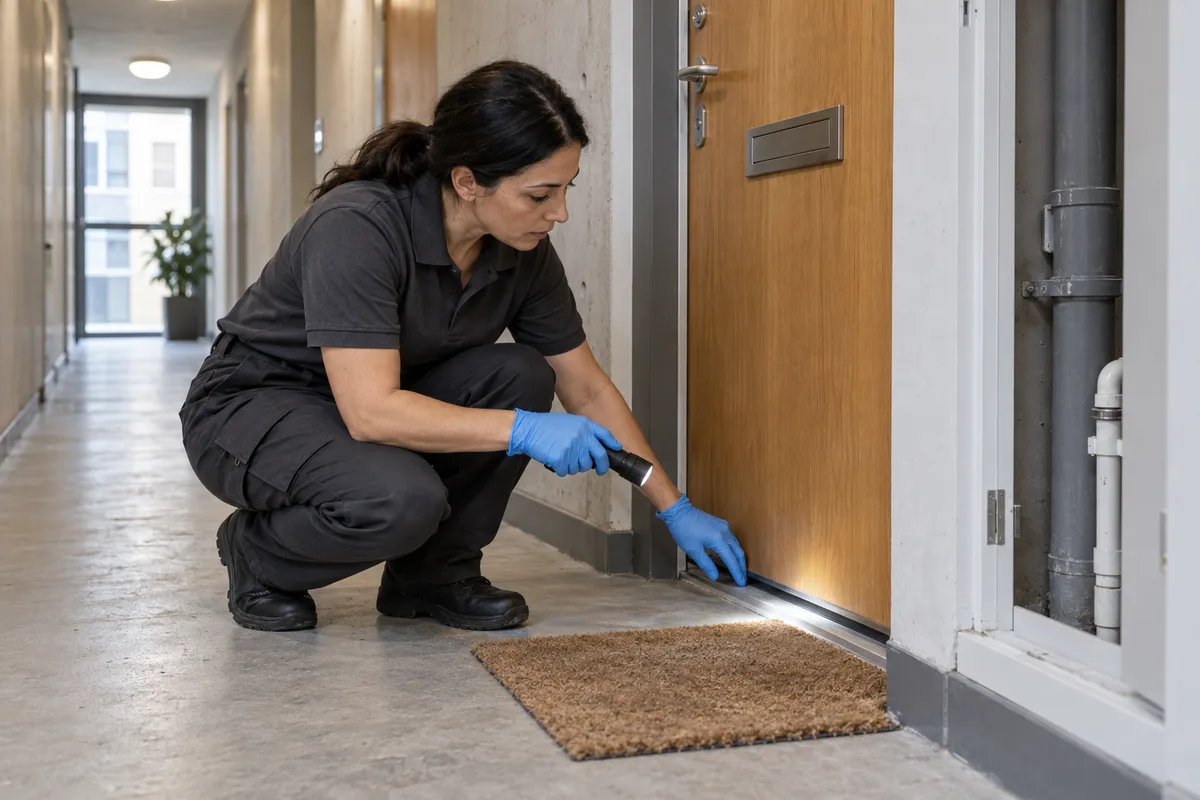
Start with the boundary of the problem
In a building with several entrances, ‘by the bins’ can mean a street collection point, a courtyard enclosure or a locked room below the flats. Describe which one is involved and who manages it. Include the nearest entrance and a photograph from a safe position. If there are signs inside your home as well, label those separately. The provider needs to know which spaces the appointment is intended to cover and which belong to somebody else.
Paddington residents can have different building-management arrangements even along the same street. Do not assume that a neighbour’s contract covers your flat or that the waste team can authorise indoor treatment. Identify the contact responsible for communal areas and the person able to approve work in your home. Both may need the findings, but their responsibilities should remain clear.

Make waste observations specific enough to act on
Record overflowing containers, lids that do not close, spillages and missed collection access. These are practical defects someone can investigate. They are not proof of the species or source of every sighting. Food waste should remain contained through the building’s normal system; leaving tied bags beside a damaged bin still leaves them exposed. Tell the manager which container needs attention and whether the defect remains after the collection.
For suspected rats, use the rat inspection and monitoring guide to frame the enquiry. Describe visible activity rather than estimating a population from one incident. Keep away from suspect waste or droppings and request suitable cleaning advice. A photograph should document the position, not require you to climb into a store or move material that is unsafe to handle.
Westminster’s reporting page has separate categories for missed household collections, dumped bags and street bins. Use the relevant route for a public-service issue while reporting a privately managed store through its manager; these are different locations and responsibilities.
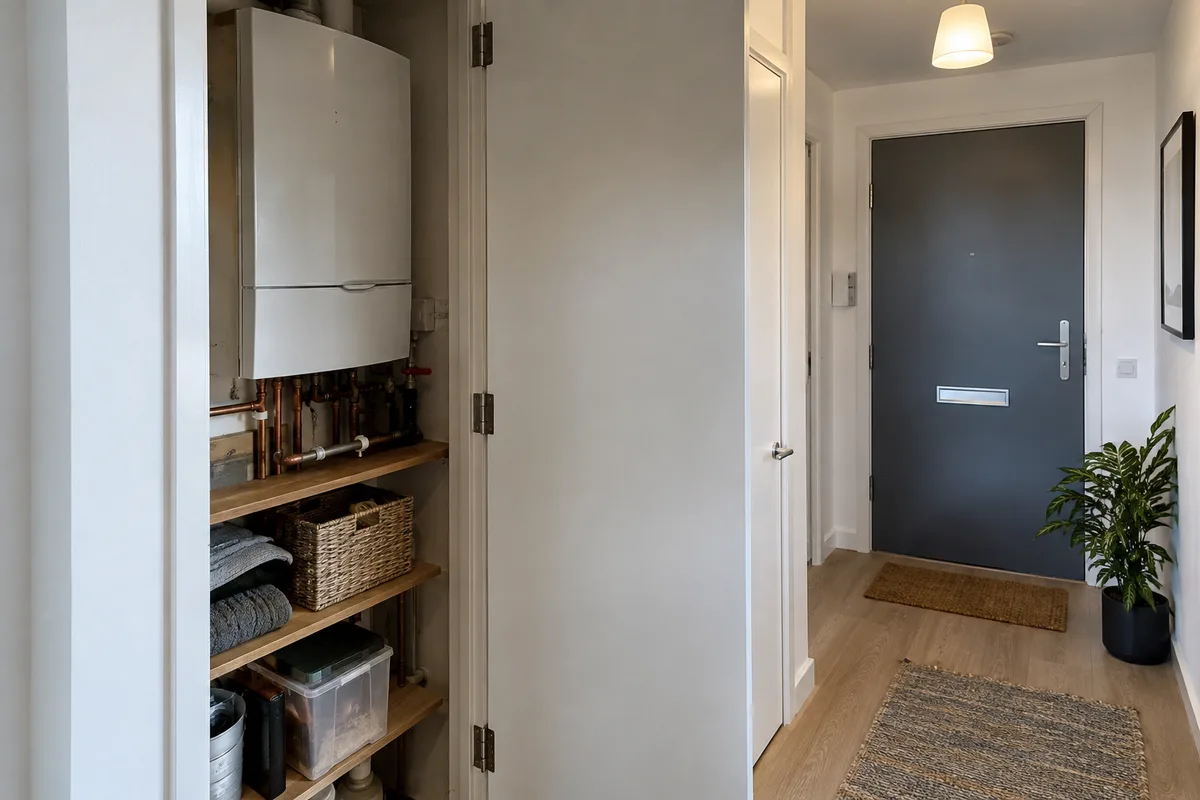
Explain what is happening in the flat
Fresh signs under the sink, a damaged food packet and a sound from the hallway should each have a location and date. Indoor inspection may involve cupboards or service penetrations that have no direct connection to the bin-store defect. Our advice on mice inside flats explains why the assessment follows physical evidence rather than simply the nearest outside sighting. Let the provider decide which connections are plausible after looking at the property.
Mention whether another occupier controls a service cupboard next to the flat. You can explain the layout without gaining entry to their space yourself. A sketch showing your entrance, the shared corridor and the affected room can be useful. Avoid drawing a definite route across private rooms nobody has inspected. Distinguishing known locations from possible routes saves confusion during a combined building enquiry.
Arrange the keys before confirming the scope
A visit to a locked communal store cannot assess that space if the key holder is unavailable. Establish who can open it, whether an escort is required and how long access can be provided. Check whether the entrance used for waste collections is different from the residential door. Tell the provider about steps, awkward doors or equipment-access restrictions so the appointment can be planned realistically.
The manager should confirm what work is authorised and how residents will receive relevant instructions. If treatment is proposed in shared areas, clarify the precautions and who is responsible for communicating them. Do not improvise warning notices or alter equipment yourself. Where a scope is limited to your flat, make sure the booking record says so rather than implying that the whole building has been assessed.
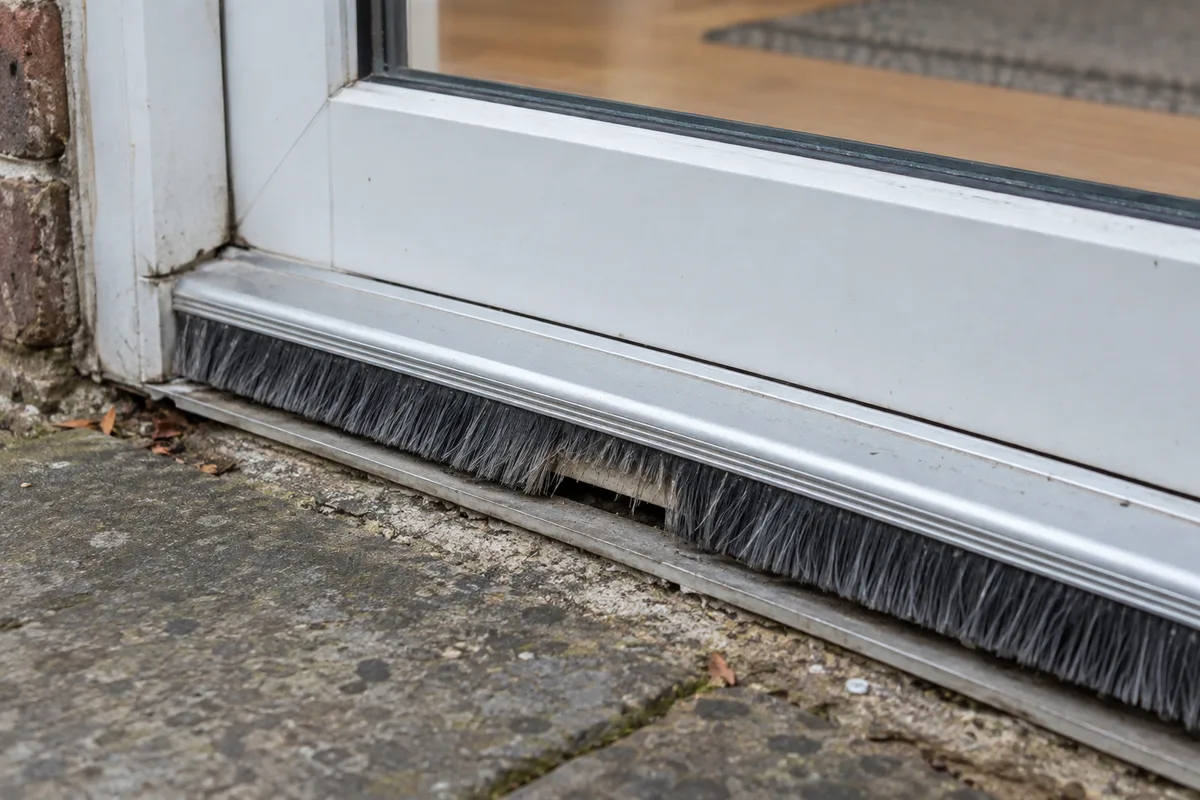
Separate a maintenance defect from a treatment decision
A damaged door, open service penetration or badly fitting bin lid may need a repair, but the right material and timing depend on the findings. Our property proofing information helps distinguish exclusion work from treatment of current activity. Report a suspected opening with its position and function. A vent or drainage feature should not be blocked merely because it looks large enough for an animal.
Some Paddington addresses sit within areas covered by Westminster’s conservation guidance. Ask the owner to check the actual property before exterior alterations are agreed. That does not prevent you documenting a defect or arranging an inspection. It means building permission, competent repair and pest treatment need coordinated decisions rather than one person filling every visible opening during an urgent visit.
Use one record for a building follow-up
After the first assessment, combine the provider’s recommendations with the manager’s action list. Note when bins were repaired, access improved or a store was cleaned. Keep subsequent sightings dated so a return visit can compare conditions before and after those changes. Residents should report what they observed without being asked to monitor hazardous spaces themselves.
When calling about continuing activity, explain which area was previously inspected and which actions remain outstanding. The next step may be a return check, a wider scope or access to a previously unavailable room. Confirm the arrangement and cost rather than assuming every communal concern is included in a flat appointment. For a Paddington emergency enquiry, give the postcode and immediate circumstances; confirmed availability depends on access as well as the provider’s schedule.
Questions about pest control in Paddington
Does a rat by the communal bins mean my flat needs treatment?
It warrants reporting, but indoor treatment should follow an assessment of your flat and its evidence.
Who holds responsibility for the bin-store visit?
Establish this with the building manager and the provider before booking shared-area work.
What should a resident photograph?
A safe view showing the exact location or visible defect is more useful than handling suspect waste.
Can a locked store be included later?
Discuss a separate access arrangement and any change to the inspection scope.
Should a ventilation opening be sealed?
Its function and suitability need assessment before proofing; do not block it indiscriminately.