
Pest Control Bermondsey
An insect appearing again at a storage edge needs a record of what changed between sightings. Keep the position and date clear before emptying shelves or choosing another product.
Photograph the insect and shelf position
Keep old and new findings separate
Agree stock preparation before moving it
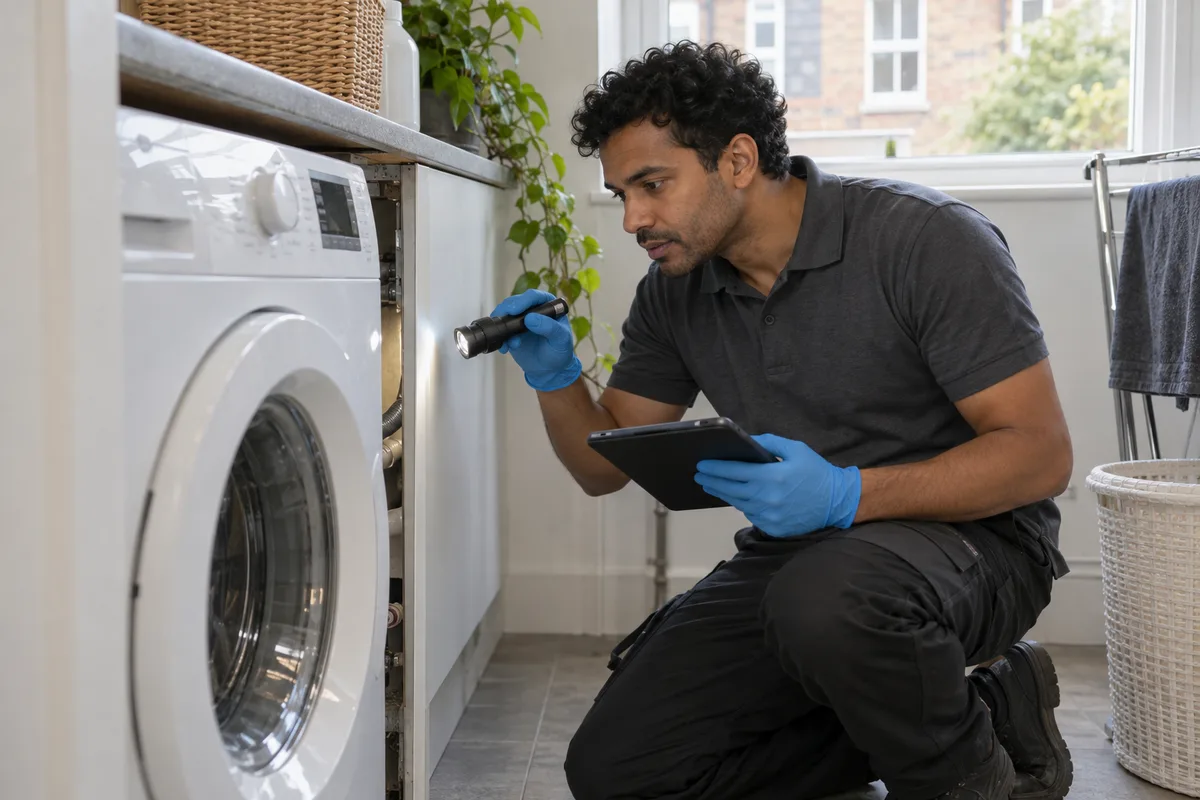
Plan the enquiry
Repeated does not always mean the same finding
The storage setting affects useful access
Identification comes before another treatment purchase
Preparation needs to respect the contents
Repeated does not always mean the same finding
Two photographs may show the same insect or mark left in place, while two direct sightings on separate dates describe different observations. Keep the original files and note which is which. Record the shelf, container or wall position where the concern appeared. If the insect can be photographed safely, include a clear view without handling it. Do not rely on a rough description passed between several people to choose treatment.
Note how frequently the area is checked and whether cleaning or stock movement exposed a previously hidden finding. A storeroom visited once a month gives a different observation history from a kitchen cupboard opened daily. Say when the contents were last examined if you know, and leave uncertainty visible if you do not. This helps the assessment distinguish current evidence from old material discovered during a clear-out.
The storage setting affects useful access
Southwark Council’s Bermondsey Street conservation description includes warehouse and office architecture alongside houses and shops. That local variety is a reason to describe the actual use of your premises, rather than assume a single storage layout. Tell the provider whether the concern is in a household cupboard, retail stockroom or another commercial space. Specify the areas controlled by the caller and any adjoining space requiring a different manager’s consent.
Do not move all boxes into an occupied room or neighbouring unit to create access. Ask which edges need clearing and which items should remain in their original position for assessment. Mention high shelving, heavy stacks and restricted aisles. Safe access may need preparation by the premises’ responsible contact; it should not depend on the attending provider climbing improvised storage or moving equipment outside their agreed scope.
Identification comes before another treatment purchase
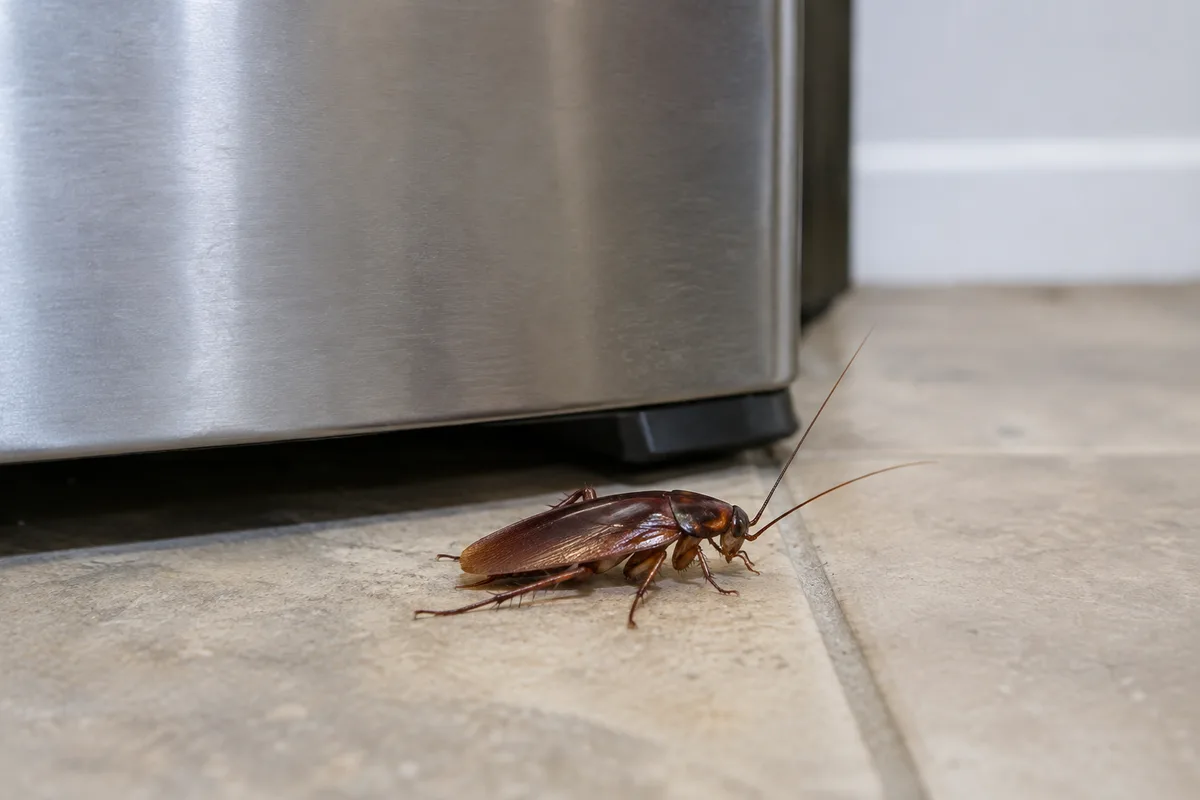
An insect found near a warm appliance may raise a cockroach question, but other insects and stored-product concerns need appropriate identification too. Our cockroach inspection information explains why location, appliance access and treatment history matter. Ask the provider what can be established from the evidence and whether an inspection is needed. Do not assume a particular pest from colour, room temperature or the fact that it has appeared twice.
If packaging damage or suspected rodent material is also present, record it separately. The mouse assessment guide helps you describe those findings without mixing them into the insect report. Give dates and positions for any previous products, traps or monitoring. Repeatedly adding retail treatments without a clear identification can complicate the account of what has happened at the storage edge.
Preparation needs to respect the contents
A business may store food, packaging, clothing or other goods, while a household cupboard may hold utensils and personal items. Explain what is actually present and whether contamination is suspected. Follow the relevant premises procedures and ask for preparation suited to the proposed method. Do not discard entire shelves of contents or transfer everything elsewhere merely because an unrelated online checklist recommends it.
Ask how stored items should be handled, what must remain accessible and which precautions apply to staff, residents or visitors. If a preparation step cannot be completed safely, tell the provider before attendance. Confirm who can make decisions about goods and additional work. The person opening the room may have keys while lacking authority to approve changes to its contents or the treatment scope.
A storage edge may need maintenance as well as treatment
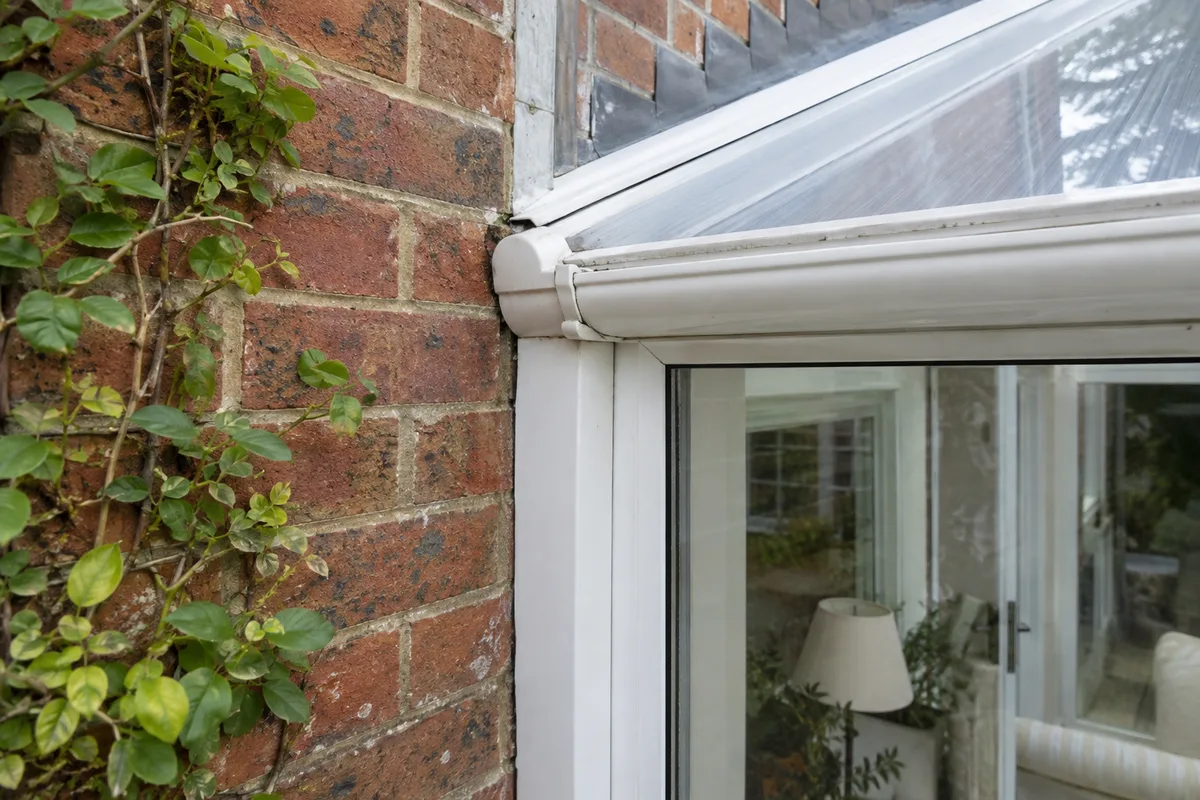
An inspection may reveal an inaccessible cleaning gap, damaged threshold or service opening. Ask which feature relates to the observed findings and which is a general maintenance recommendation. A gap alone does not identify the insect or establish its origin. If a repair is proposed, request its position and purpose so the responsible manager or landlord can arrange the appropriate work.
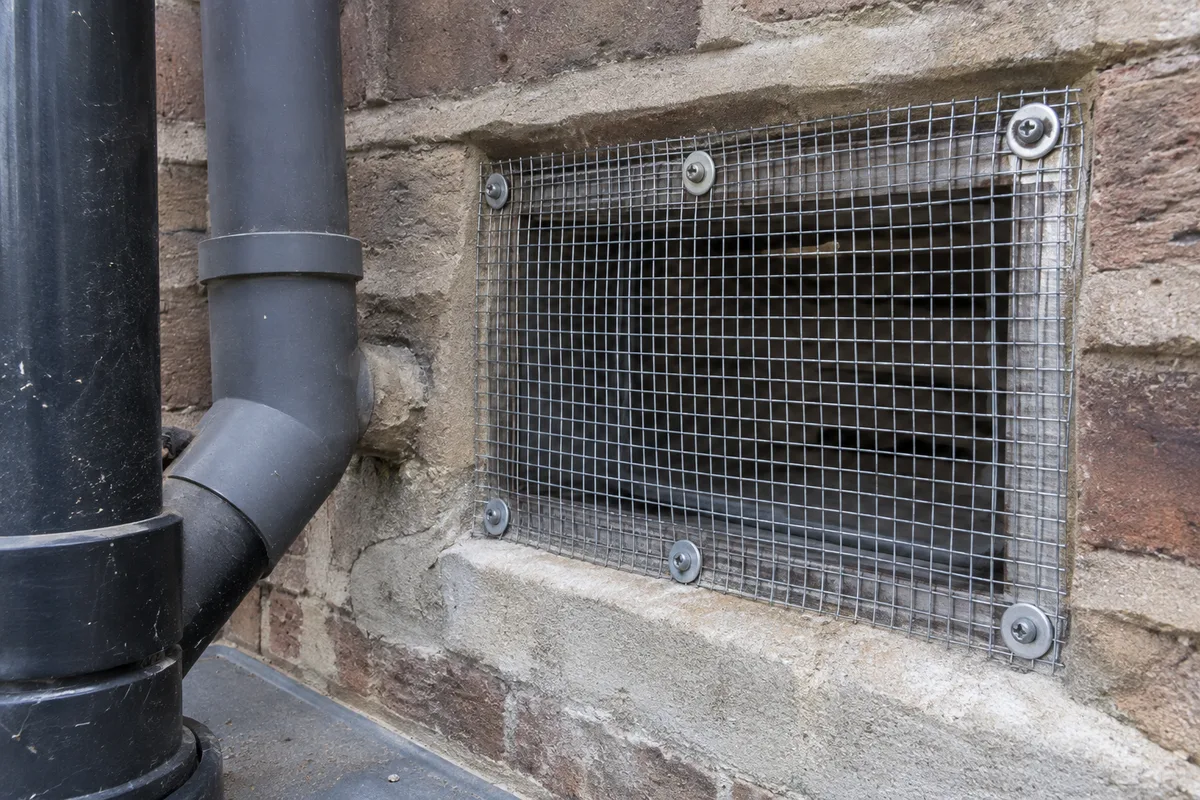
The pest-proofing guidance explains why necessary ventilation and building services must remain functional. Do not cover every shelf-edge opening with the same material or obstruct maintenance access. Keep completed repair dates with the assessment. Tell the provider if a contractor changes stock layout or opens a service space before the next visit, because follow-up should consider the premises as they now stand.
Use the next sighting to improve the review
Maintain a short log of fresh observations and distinguish them from earlier material awaiting suitable cleaning. Ask the provider what evidence should prompt contact before follow-up. Leave devices and treatment locations as instructed, even if they reduce convenient storage space. If something has been moved or damaged, report the change rather than quietly putting it somewhere else.
For urgent pest control in Bermondsey, give the postcode, current finding and storage access arrangements. Confirm availability and the purpose of the initial visit. At review, ask what has been established, which locations remain unexamined and whether the agreed programme needs changing. A useful return inspection answers a defined question about current activity; it should not simply repeat the original treatment because another unclear message mentions an insect.
Questions about pest control in Bermondsey
Does the same photograph count as another sighting?
No. Keep repeated images of one event linked together and record genuinely separate direct observations with their dates.
Should all stock be removed before identification?
Discuss preparation first. Explain the contents and access constraints, and avoid transferring unexamined items into other premises.
Can an insect’s colour identify it reliably?
A rough description may be insufficient. Provide a clear photograph where possible and ask whether assessment is needed.
What if a device uses valuable shelf space?
Keep it as instructed and discuss practical concerns with the provider rather than relocating it yourself.
What should change in the record after a clear-out?
Note what moved, when the area was cleared and any finding that became visible afterwards, without assuming it is new.